Visit Napa at night as you’ve never seen before
By Matt Larson
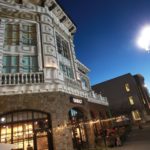
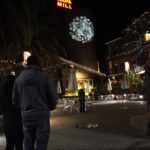
Brighten up your 2019 with the Napa Lighted Art Festival, a nine-day installation featuring art, after dark! Downtown Napa and the Oxbow District have some iconic architecture that is often appreciated during the day but, naturally, attracts much less attention at night. To change things up a bit in the most spectacular of ways, the City of Napa’s Parks & Rec department has brought in a variety of talented artists who will create art with light, using the buildings as their canvas.
“Everybody says they’re unique, but I really feel like this truly is unique,” said the city of Napa’s Recreation Supervisor Pete Hangen. “Unless you travel up to Seattle or go out to the east coast—nobody’s lighting up an entire city like we are.”
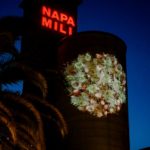
Last year was their first foray with nine artistically illuminated locations; this year they’ll have 15 locations at least. For the most part, last year’s artwork was in the form of projected light upon buildings, but that’s not all you’ll find at the festival. You’ll encounter some of the latest, most innovative techniques and technologies of using light as an artistic medium, complete with light art, video art, 3D video mapping projections, lighted sculptures and more.
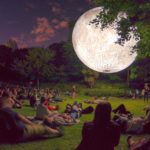
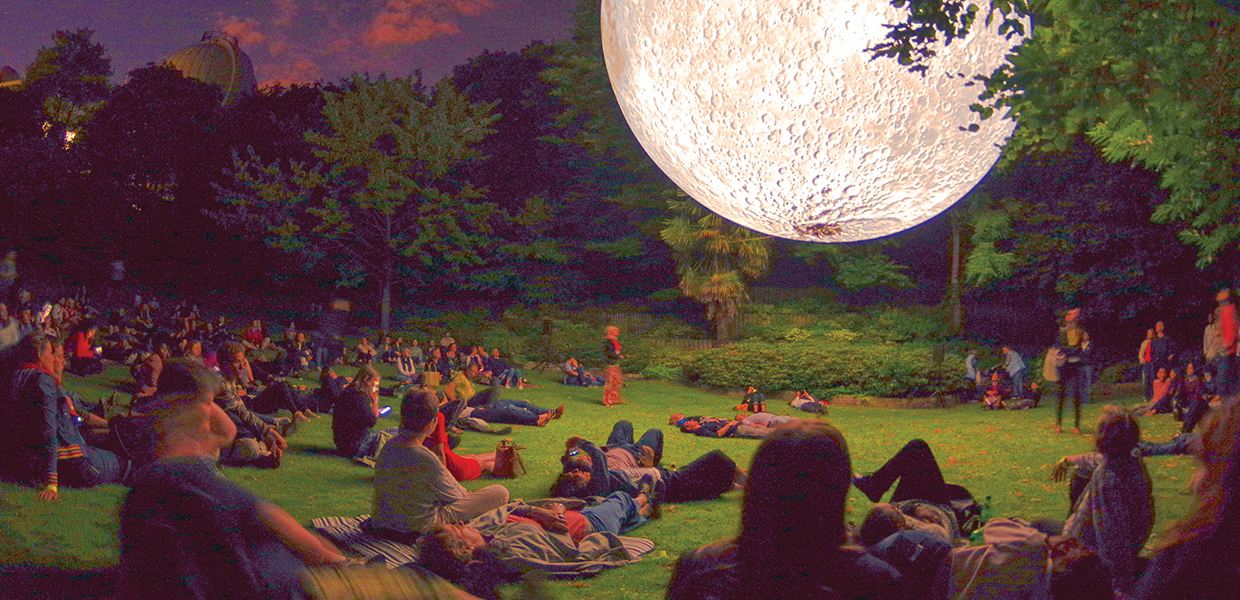
It’s best to walk the tour, as driving by hardly affords the same experience. Many of the installations will have music or sounds, which someone may not hear from a vehicle, and several interactive pieces can only be experienced on foot. You’ll definitely want to park the car for the Museum of the Moon exhibit, which will be found at CIA at Copia’s amphitheater. Bring a blanket and a loved one, take a seat and be amazed at the full moon before you.
“It’s a scale replica of the moon,” Hangen said. With an approximate scale of about 1:500,000, each centimeter of the internally lit sphere represents 5 km. of the moon’s surface. Created by internationally renowned artist Luke Jerram, this touring art piece is placed on a 25-foot-wide inflatable canvas, using photos from NASA to make it as accurate as possible. “Us earthbound folks only get to see one side of the moon,” Hangen explained. “This way you’ll be able to walk around and see the backside of the moon, the top of it, and everything in between.”
Back by popular demand, you can again see Birgit Zander’s Language of Love, projected unto the First Presbyterian Church of Napa. Presented as a video projection last year, it has been reworked and refined to be even better this January. “It’s the word ‘love’ written in about 32 different languages projected on the church,” Hangen told us. “Zander has refreshed the art piece and added a soundtrack to go with it; it’ll be a little different, but that was definitely one of the highlights from last year.”
Some of the exhibits are interactive. Without spoiling too much, Hangen gave us an example. “One of the pieces we’re going to put up on the Napa Square building, right across from City Hall, reacts to people’s skin temperature,” he said. “So when you walk by a sensor, it’ll actually change the projection; people will be able to stand and move, maybe lift their arm, and something will happen because the exhibit is sensing the heat moving differently.”
With no admission fee whatsoever and nine optional days to attend, some people find themselves coming back again, even nightly, throughout the event. Hangen attended almost every day last year and found that coming back again and again afforded a much more varied experience than one might expect.
“I was out there eight of the nine nights,” he said. “You start seeing nuances within the art that you didn’t notice before. I think you can go and see these over and over again and you’ll see something different, just because there’s so much going on.”
In addition to the exhibits, you can also attend the Symposium Series, a variety of daytime and evening discussions on various topics (art, light, the technology of projected art, stained glass, etc.), with available food options as well.
Take a short stroll along the Vine Trail between Vallejo and Jackson streets for Art After Dark with RAD (Rails Art District), where you can see RAD’s six latest murals glowing in the night. “We went out there during the daylight and thought, ‘Oh, this is great.’ And then it gets dark, you turn some lights on, and the whole experience is different,” Hangen recalled. “You have a lot of darkness all around, and then you’ve got light reflecting off the mural, making it look like a different piece.”
For some even more special events to aim for during the nine-day fest, definitely plan to attend Night Bloom Saturdays and Sundays, Jan. 12-13th, 19-20th, at 7 p.m. Several tethered hot air balloons will light up the sky at Oxbow Commons, which no lighted art show should ever go without. Make sure to also mark the calendar for their Lantern Parade on Friday, January 18th, at 6:30 p.m. Starting and finishing at Veteran’s Park, the parade weaves through the various art installations. All ages are encouraged to participate by creating a lantern of their own, but please note: do not use fire of any kind for your lantern, only battery-operated lights.
Students from New Tech High School in Napa are also getting involved, working with projection artist Ross Ashton from the UK to create a lighted installation of their own. “He’s mentoring them through the process,” Hangen said. “They’re going to create a piece of artwork that will be on the Native Sons building.” Ashton did the projection on the Riverfront Building last year, and this year his work will be seen lighting up the Goodman Library.
All the displays are mapped out in close proximity. It doesn’t matter where you start but if you need a general game plan: head to The Silo, go down Main Street until you see the Riverfront Building, head up to the church, check out Native Sons, then loop back around to Blue Note and over to CIA. Here is a detailed list of all the places to check out; there’s something different at every site, and choosing your own adventure is really the way to go.
With a few more potential venues that are currently in discussion, the 15 locations that, at this writing, have already committed to being part of the lighted art installation include: Blue Note/Napa Valley Opera House (1030 Main St.), Riverfront Building (700 Main St.), CIA at Copia (outside in their back amphitheater) and the interior of CIA at Copia II (both at 500 Main St.), First Presbyterian Church (1333 3rd St.), Napa River Inn/Silo’s (500/530 Main St.), Napa Square (1455 1st St.), Native Sons Hall (937 Coombs St.), John Anthony Vineyards/York House (1005 Jefferson St.), Goodman Library (1219 1st St.), and Vintner’s Collective (1245 Main St.).
“We’ve got several pieces that I think are just going to wow people,” Hangen said. “The combination of beautiful artistry within the scale of a big huge building … you just don’t see that very often. For me, that’s part of the draw.” Not to mention plenty of food and drink to go around, some of which will hopefully be unique in following with the theme of the event.
Hangen’s favorite part of it all is seeing everyone’s reactions to all of the different art installations. “To see the look on their faces, hear the comments … it was just fun to see people come out and enjoy free art,” he said. It’s a free event! So you might as well check it out.
Attend the second-annual Napa Lighted Art Festival, January 12 through the 20th, 2019. Monday through Thursday from 6 to 9 p.m., Friday through Sunday from 6 to 10 p.m. For a full program and additional information, head to donapa.com/lights, or call Napa’s Public Art Division at (707) 257-9529.
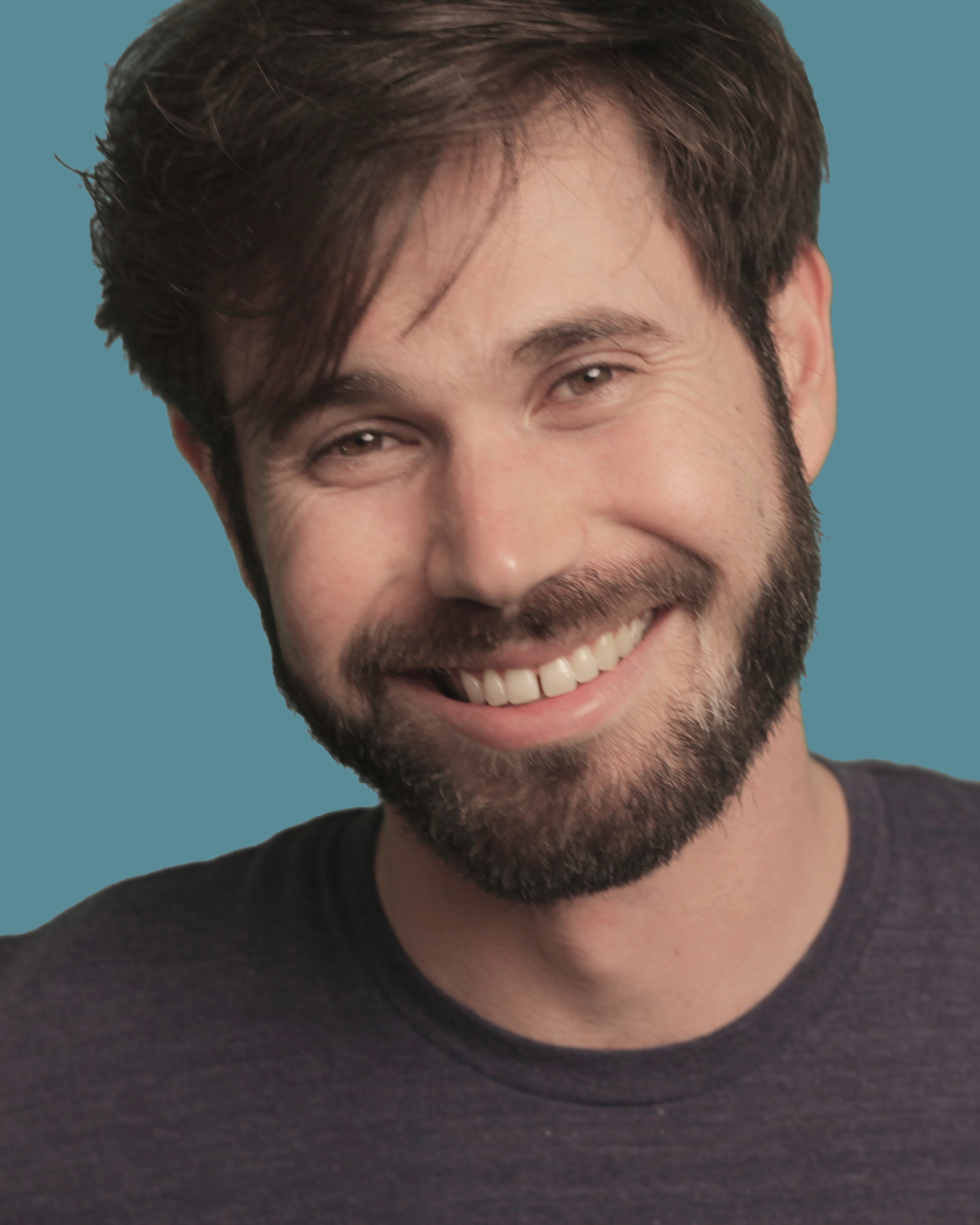
Larson is an actor/comedian/director from Vallejo who lives a double life between the Bay and LA. When he’s not writing for Local Happenings Magazine he could be editing a short film or working on his next rap album—who knows!
Keep up with all things Larson at www.MarsLegstrong.com.”

Moving to the wet mile
By Nate Gartrell
In late 2016, the well-known Napa Smith Brewery made a decision many found surprising: moving out of the Napa Valley and setting up shop 15 miles south, in Vallejo. In May 2017, its owners opened a new taproom off of Sonoma Boulevard. It may seem odd for a brewery with “Napa” in its name to resituate from a world-famous fermentation enclave to a city that—until recently—didn’t even have a single brewery (it now has several), but the folks at Napa Smith say the move has paid dividends.
“What has been so welcoming and perfect for our brewery is the foot traffic off of Highway 29,” said Napa Smith’s Hospitality Manager Noelle Roldan. “Before, we were off the beaten path and it was hard to find us, and there wasn’t much food around. But now, right up the road, you have Bud’s Burgers, Pho #1, Mountain Mike’s, CJ’s BBQ, just all this stuff all around us.
“Ever since moving to Vallejo we’ve seen way more foot traffic, and way more local traffic,” she continued. “You have the freeways, you have the hotels, and just being in this location, in general, has been a huge step for us.”
The brewery was founded in 2008, but in the last five years has undergone changes and an expansion that brought it to Solano County. It is built on the legacy of Don Barkley, a master brewer with more than 40 years experience in the business.
“He’s considered a grandfather of craft brewing,” Noelle said.
But in 2013, Napa Smith was bought by Robert S. Lipman, the owner of Lipman Brothers Inc., a Tennessee-based company that produces wine, spirits, beer and non-alcoholic beverages across the country.
“He is an advocate of all kind of spirits in general, he owns a winery, he owns spirits, he owns breweries and he was enthusiastic about Napa Smith brewery just because of the brand itself and what we do in terms of beer,” Noelle said of Lipman. “He took the [Napa Smith] brand to a whole new level.”
Three years after Lipman Brothers took over, Napa Smith announced it was expanding, more than doubling its production as part of the move to Vallejo. In a news release, Napa Smith owners said the move made them the smallest independent bicoastal brewery in North America at the time, producing around 11,000 barrels of beer annually.
The last few years at Napa Smith have also seen the rise of Stein Servick, a protégé of Barkley who’s pathway to beer making led off the beaten trail. Servick has a science background—a genetic physicist by trade—but something (maybe the fact that his first name is also the word for a traditional beer mug) just couldn’t keep him away from the brew game. Noelle said he learned the trade “slowly but surely by working at different breweries” to become a master brewer, before taking the helm at Napa Smith.
“His science background has helped the brewery in many ways,” Noelle said. “Specifically, in keeping a consistent and quality product on the shelf at all times.”
Napa Smith is best known for two things: quality and variety. In the age of craft brewing, the latter is especially important; some folks are diehard IPA fans and won’t touch a pilsner with a 10-foot pole, while others prefer a more mild taste and hate “bitter beer.” It’s the kind of business where customers know what they like and what they don’t, and expect the product to speak for itself. With so many fish in the sea, it can be tough for breweries to separate themselves from the pack.
“We carry 14 beers on tap at any given time,” Noelle said. “We really pride ourselves in being a brewery where everyone can come and find a style they enjoy. That’s why we make so many beers, to capture the broad audience of beer.”
Napa Smith’s taproom doesn’t have a kitchen, but they’ve made up for that by inviting local food trucks to plant themselves right outside, giving folks easy access to a hot food break in between beers. They also organize “beer dinners” that include partnerships with other restaurants and businesses. On December 15, for instance, Napa Smith is putting on a fundraiser benefiting the Jesse Bethel High School’s band program. It will feature CRSB, a homegrown musical duo that bills itself as “island-infused R&B pop” with three #1 hits on Hawaiian radio waves.
“It’s going to be a really fun event for the community,” Noelle said.
Earlier this Fall, Napa Smith teamed up with Chardonnay Golf Club in American Canyon to hold a three-course meal that featured three different beers on tap. Brewers also attend these events, which adds an “informative tour” angle to them, Noelle said.
Noelle added that the folks at Napa Smith hope to make this an annual tradition and organize other collaborative events with other local businesses, maybe even before the year is up.
“We donate to every chamber event, we try to help out with community donations as much as possible. When people come to us it’s usually a ‘yes,’” Noelle said. “We’re excited to be here in Vallejo. Nothing but good things, nothing but great customers, just slowly but surely growing the brand and making Vallejo home.”
“We are dog-friendly and kid-friendly,” she continued. “The community has been warm and inviting, especially all the leaders within the community. Everyone has been good to us, we just want to be good back to them.”
Napa Smith Brewery’s Vallejo taproom is located at 101 Yolano Drive in Vallejo. It is open seven days a week from noon to 10 p.m. For additional information, call (707) 252-4392, or visit www.napasmithbrewery.com.
And true to their roots, Napa Smith beers are still available on tap in Napa at The Village Napa Valley – Vista Collina Resort & Spa, at 850 Bordeaux Way. It is the only brewery featured at the spa, with 10 beers on tap at any given time.
Nate Gartrell grew up in Benicia, studied journalism in college, and has written for a handful of media outlets since age 15. He aspires to visit all 30 Major League Baseball stadiums and to hit the trifecta at the horse track.
Exciting things happening in the Suisun Valley wine community
By James Quinn
With its diverse range of soils, climates, and spacious regions, California is known around the world as an ideal place for viticulture. Here in the Golden State, we are fortunate to live in such a beautiful place that is surrounded by a wide, famous wine variety—many that are made to complement cuisine—in an industry that has flourished throughout the years, while still leaving plenty of room for winemaking opportunities.
California has over 100 AVAs (American Viticultural Areas) and here in the Bay Area, we live right by an incredible one that is earning quite the reputation—which I highly recommend visiting again and again—the Suisun Valley wine region.
Not too far from home, experience where the magic all happens at its roots. Officially earning its appellation on December 27, 1982, suisunvalley.com describes the Suisun Valley region as: “a unique and diverse wine country and farming community in Northern California’s Solano County between San Francisco and Sacramento. The perfect destination for visitors who are searching for world-class wines, homegrown farm products, and a beautiful, agricultural landscape.”
An experience to enjoy with family and friends, Suisun Valley is well worth a weekend or even day-trip, namely for tasting many different wines; with eight tasting rooms to choose from—(Back Road Vines, Mangels Vineyards, Seven Artisans Winery, Tolenas Vineyards and Winery, Wooden Valley Winery, Vezér Family Winery tasting rooms (Blue Victorian and Mankas Corner Gardens), Suisun Valley Wine Cooperative, etc.)—you have the luxury of variety, as each brings something unique to the table. Whether you’re planning a fun day trip or a wine-country weekend, come to experience their rustic, wine country charm. Taste their award-winning wines [e.g., see Wooden Valley below], discover what makes each winery unique, and learn more from their growers and winemakers. You can do just that by easily hopping on a tour bus to go from tasting room to tasting room, as they are all readily near each other, mostly on or off of Suisun Valley Road. Close proximity is not only convenient, but it is also more affordable in both money and time.
What is more, the Suisun Valley invites you to attend their special events that are fun social mixers, complemented of course with those award-winning wines. In fact, the Suisun Valley has a big event coming up on Boxing Day, December 26th, where they will celebrate their anniversary as an AVA at all wineries (in the holiday spirit, of course)—be sure to be there to experience the tradition!
Because Suisun Valley’s wineries are hospitable and have so much to do, they are definitely a destination to come back to again and again. As such, I recommend staying for at least two days (great hotels are available in Fairfield), especially during an event; however, if you only have time for a day trip, I recommend deciding on transportation, depending on how long and whom you are going with. You could, for instance, have a designated driver, usually for smaller groups, or join a wine tour bus as a more affordable way of carpooling for the small to bigger groups. For the more premium experience of traveling around the valley, many limousine businesses are in the area for rent.
Without further ado here are some great wineries that I found are “musts” when visiting; while the order does not matter at all, as there is no right or wrong way, I will start with the Suisun Valley Wine Cooperative (or, the CO-OP).
Located on 4495 Suisun Valley Road, the CO-OP features a rotation of winemakers and wines from all over the valley—so expect something fun and exciting with each visit. Moreover, most of the pourers are actual wine producers and grape growers, giving a great opportunity to get to know more about their wines and the story behind them. The CO-OP continues, “We all take turns pouring the wines. While visiting us, you will learn firsthand our vision and philosophies behind our wines. We enjoy spending time with visitors and like sharing Suisun Valley’s rustic and authentic charm.” Overall, the CO-OP is a great place to sample many local wines while at one place.
For cornhole and a laid-back, family vibe, visit Tenbrink Vineyards at 4185 Chadbourne Road in Suisun Valley. You will find a farmhouse where you can eat a gourmet dinner that is nicely paired with their wines (I recommend doing so while watching some cornhole and the sunset).
For a cozy, family type experience you must visit Vezér Family Vineyards’ Mankas Corner Gardens. Located at 2522 Mankas Corner Rd. Vezér Family Vineyard is a Suisun Valley Winery, which is owned by Frank and Liz Vezér. Their winery is best known for their Petite Sirah and their Zinfandel, which are rated among the best in the region, and are used in well-known wines, such as Sin Zin and Ravenswood.
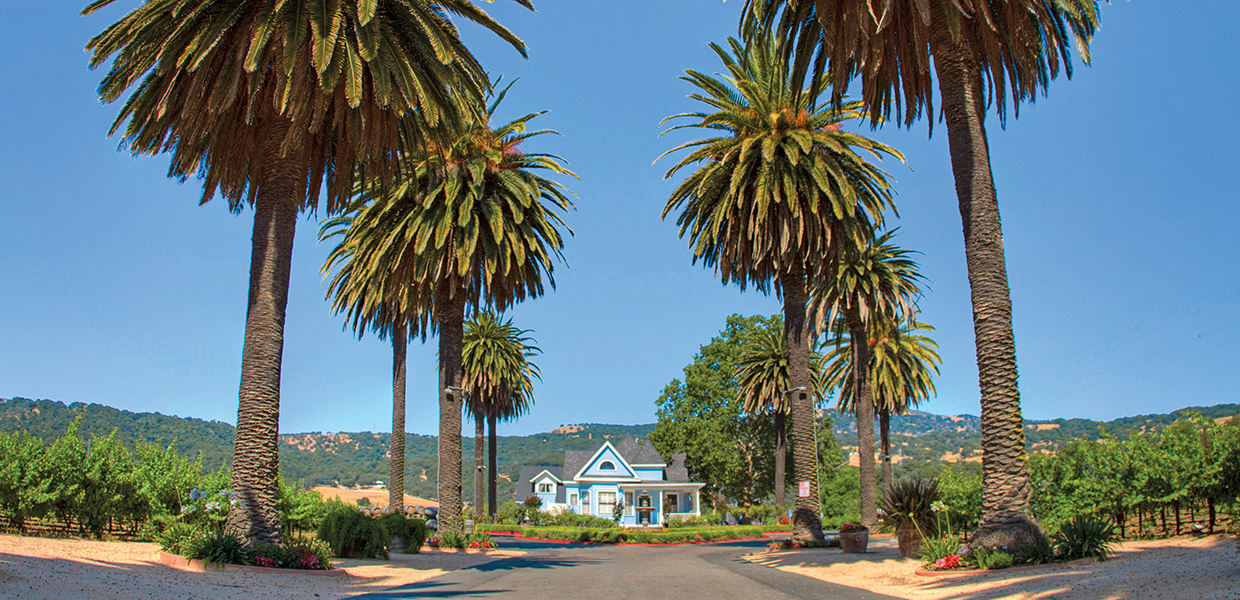
Vezér’s second tasting room is the Blue Victorian located at 5071 Suisun Valley Road. This tasting room offers a comfortable site amongst the vineyards. Both Vezér tasting rooms offer event venues for the perfect celebration—large or small they can accommodate all!
Of course, a Suisun Valley experience would be incomplete without including Wooden Valley Winery & Vineyards, as they are not only the oldest but also—with about 400 acres of soil—they are the largest winery in the valley. At the heart of the Suisun Valley rustic wine country at 4756 Suisun Valley Road (just past Solano Community College), Wooden Valley is a family-run business, passed down from three generations within the Lanza family.
The four Lanza brothers: Ron, Rick, Larry, and Ken, take pride in working as a family at something they all love—growing their own grape varietal vines in Lanza Vineyards. “We pride ourselves in being very approachable as well. One of our mottos is ‘to be everybody’s winery,’” said Owner Ron Lanza. “We have a wine to meet everybody’s taste. We have both affordable wines and ones that are made more expensively. We have a little bit of everything in styles, meaning from dry whites and reds to sweet reds and whites. We normally carry from 12 to 15 varieties.”
Wooden Valley’s hard work to create high-quality wines has earned them accolades such as making award-winning wines of several varieties that have kept their family legacy strong. Lanza said, “We received a double gold on our Sangiovese and a gold on the Malbec, Barbera, and Cabernet last year at the San Francisco Chronicle wine competition, which is the largest domestic wine competition.” Visit Fairfield also recognizes Wooden Valley’s wines, “Best known for Petite Syrah, Cabernet Sauvignon, and White Gamay.” Notably, Wooden Valley’s 2016 Sauvignon Blanc received recognition from Chuck Wagner, owner of Caymus Vineyards, when Wagner shared a bottle with Author Karen MacNeil, who wrote The Wine Bible; for those unfamiliar, Caymus has been around for over 30 years and is a world-renowned Napa Valley winery.
Even more exciting, Caymus Vineyards has recently come to open a new winery in Suisun Valley—to be called Caymus Suisun Vineyards—and with construction going on for already a few years now, they are expected to open very soon on Cordelia Road. To give you an idea of the kind of following Caymus has and their public influence, their 2016 Caymus-Suisun Grand Durif Suisun Valley has already sold out. The Suisun Valley wine club, headed by Ron Lanza, has also warmly welcomed Wagner. “We’re actually not going to be the biggest winery anymore,” Lanza commented. “Caymus Winery is very known in the wine business; coming from Napa . . . they built a processing center by Anheuser-Busch, and they are building a casing room [their visiting center] by us. That’s really exciting for me because they have a huge draw—they’re really well known, with wines across the world. The public casing room will be [opening in] about a year and a half out.” Instead of the Lanza and the Suisun Valley wine community seeing Caymus as competition, they positively see it as helping it as a whole, promoting their growth as a bigger tourist destination—making that wine tour even more epic!
While you are in town be sure to go visit the other famous Suisun Valley favorite, Jelly Belly Candy Company. Their visitor center is nothing short of amazing! They have tours and even have their own “Chocolate & Wine” experience where you can taste some of the wonderful wines we were just discussing. Conveniently located right off Interstate 80 and Highway 12 you can find them at 1 Jelly Belly Lane.
For additional information on Suisun Valley wine country and their wineries––such as a list of their wineries with their hours of operations, special event dates, information, and directions––use suisunvalley.com. Another great resource for your Suisun Valley/Fairfield visit would be visitfairfieldca.com.
To quickly learn additional information about any of these wineries please visit their websites:
Caymus – Caymus.com and WagnerFamilyofWine.com – (707) 967-3010
Suisun Wine Valley Cooperative – SVWineCOOP.com – (707) 450-8603
Tenbrink Vineyards – TenbrinkVineyards.com
Vezer Family Winery – VezerFamilyVineyard.com or simply Vezer.com – (707) 429-3958 or (707) 422-8025
Wooden Valley – WoodenValley.com – (707) 864-0730
Be sure to “like” your favorite wineries on Facebook and follow them as well.
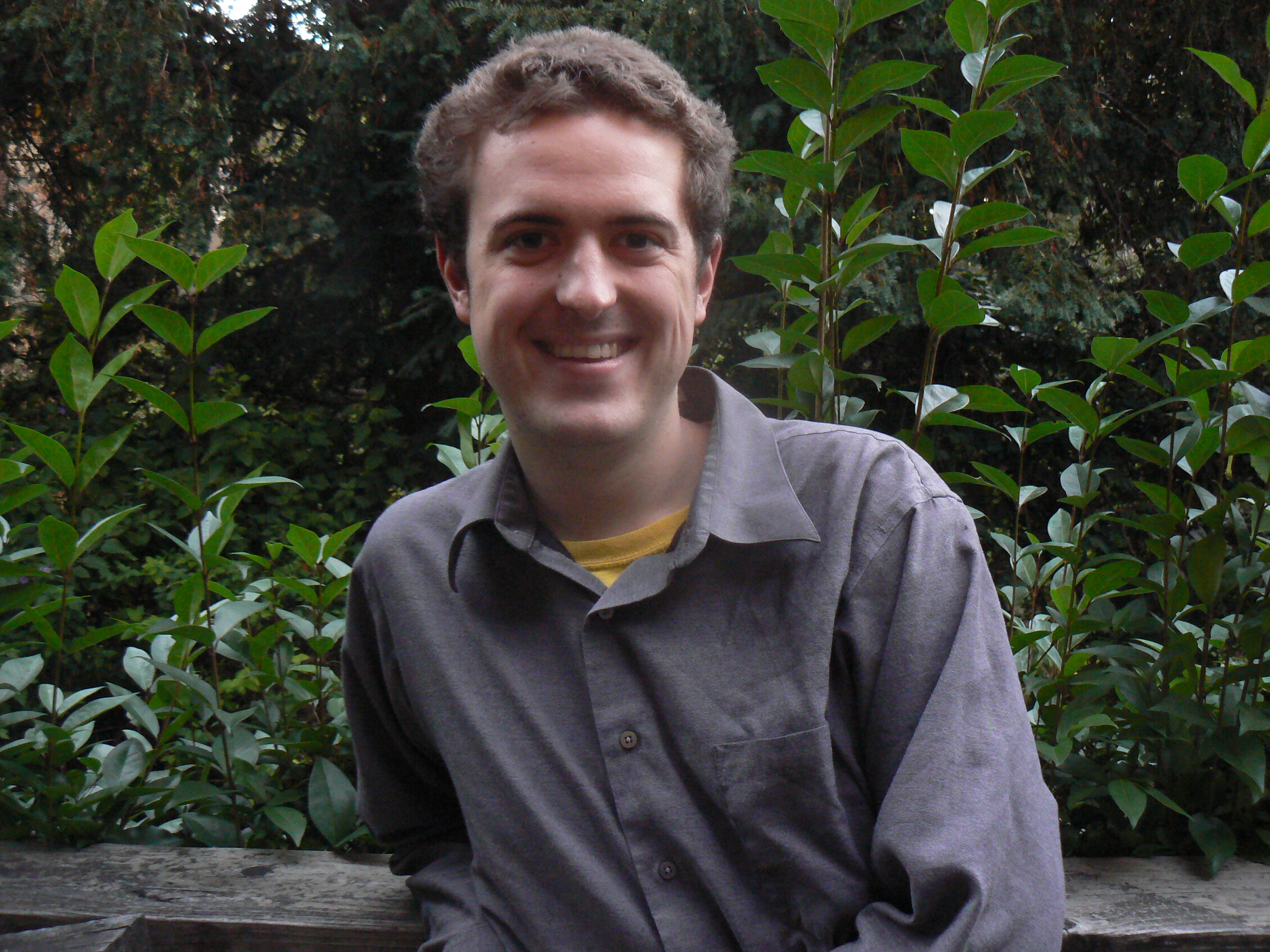
James Quinn lives in Benicia and teaches at Elmer Cave Language Academy in Vallejo. A UC Davis alumnus in English, he now studies education as part of Touro University’s Master’s in Education program. Along with teaching, he tutors and writes often. He is working on a novel that takes place in Benicia. See his website at mrquinnj.weebly.com.
A visit to Tilden Park
By Nate Gartrell
In 1934, during the Great Depression, voters in the Bay Area moved to impose a tax to create the East Bay Regional Parks District (EBRPD). Three parks were formed, including a 2079-acre section in the Berkeley Hills that stretches along the border of Contra Costa County. The EBRPD named the area after Charles Lee Tilden, the president of the park district’s board.
“It’s one of our oldest parks, dating back to when we became a park district in 1934,” said Dave Mason, a public information supervisor with the East Bay Regional Parks District. “It was one of our original parks, and today it is one of our signature parks in our system of 73.
“It’s a major draw and a great draw. Folks all over the East Bay, especially Berkeley, feel a special connection to it,” he continued. “What makes the park stand out so much, besides its amazing features, is its history.”
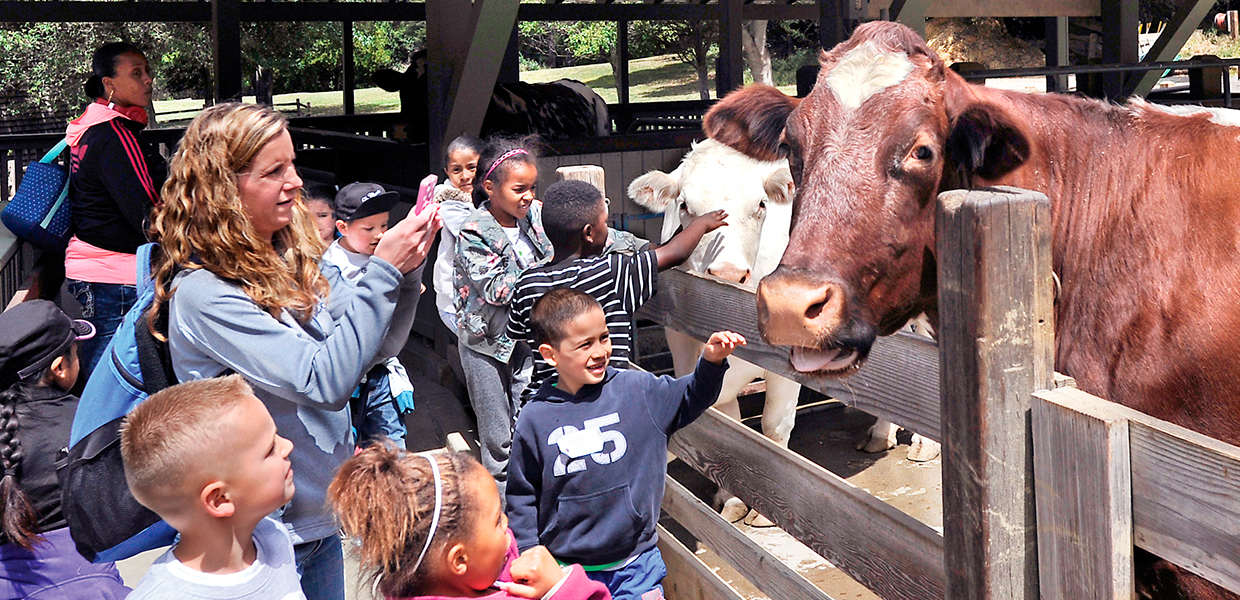
Today, Tilden Park is probably the best-known open space area in the East Bay, with a range of unique features that have become the stuff of legends: the steam train, a staple of many locals’ childhoods; or Little Farm, a quaint petting zoo that lets you hand-feed all sorts of farm animals. All told, there are more features than we can go through in a single article: a merry-go-round with handcrafted animals to ride, Lake Anza (which is closed for swimming until spring), an interpretive center, a botanic garden, even a golf course, as well as thousands of acres of trails for exploring the wilderness on foot, horseback, or by bicycle. Most of the park is free with a few exceptions, like the steam trains, the golf course, and the merry-go-round.
“Most of the park is open space for recreation—hiking, biking, horseback riding,” Dave said. “It’s in an area that’s beautiful and serene. Our hillsides have a large, open space area that brings a variety of wildlife.”
For most longtime Bay Area residents, Tilden Park has played an important role at least twice in their lives: when they were kids, and when they have kids. A lot of people have some of their very first memories at Tilden Park. “It’s popular because of the vast amounts of family-friendly activities,” Dave said. “It is one of our most family-friendly parks. Many people’s first, fondest memories are of enjoying Tilden Park.”
As probably the most famous feature, the Redwood Valley Railway offers rides in scaled-down steam trains that traverse the forest, head over bridges, and zip through tunnels in a loop through the park—the experience is simply like nothing else. For additional information on steam train times and prices call (510) 548-6100.
“I know from experience in talking to people, when you bring up Tilden, what most people say is that they remember going to ride on the steam trains when they were kids, and some still do,” Dave said. “It’s one of the first memories many people have of going to a regional park in our area.”
A short distance away at Little Farm, visitors can meet, pet, and feed a bunch of different farm animals. There are goats, cows, pigs, chickens, rabbits, other little critters, and a play structure that is a short distance away. Little Farm is open seven days a week from 8:30 a.m. to 4 p.m. Call (510) 544-2233 for in-depth information.
Speaking of activities for the kids, the park’s merry-go-round was crafted more than a century ago and has been at Tilden for nearly its entire history. It features four rows of real and imaginary wooden creatures that were carved by hand in New York before making the trek to the East Bay. It costs $3 per ride or $15 for seven rides, and it has odd hours during the holiday season: until December 23rd, it will be open on weekdays from 4 to 8:30 p.m. and on weekends from noon to 8:30 p.m. Then, from the day after Christmas until January 4th, it will be open from 11 a.m. to 5 p.m. For additional information, call (510) 559-1004.
Visitors can also check out the interpretive center to learn about native wildlife—not just farm animals—but also other tidbits about the East Bay’s natural and cultural center. They are open from Tuesday through Sunday, from 10 a.m. to 4:30 p.m. and can be reached at (510) 544-2233.
“Little Farm is obviously enjoyable for our youngest visitors,” Dave said. “With Little Farm being there and the environmental education center being there you can learn about farm animals and then go and learn about wildlife and species, the habitat of the area.
“They’re about showcasing everything from geology to history, wildlife, and the people who’ve lived there throughout history,” he continued. “There’s also an element of climate change, so youngsters can learn about the changing climate.”
The park also has a 10-acre botanic garden, where visitors can roam and get a chance to see rare and endangered plants native to California. “Folks can visit and see a lot of the native plants and learn about the history of vegetation in California,” Dave said. It is open from 8:30 a.m. to 5 p.m. during winter months. For visitors who want to take a more active role and help educate others, the park offers docent training for prospective volunteer docents, starting in January.
One of the most notable species that roams Tilden and the surrounding area is also among the smallest, and most slippery: the newts, which like to hang out in the hills until the weather starts to get wet when they drop down to creek beds and ponds for mating season. It is a ritual that local residents take note of because every year the park system closes down a one-mile stretch of road to accommodate them.
While it may be an inconvenience, the newts are grateful; the move saves thousands of them from being squished each year. “The newts come down from tops of mountains and hills during the first rain or heavy fog, down to pools and creeks to mate,” Dave said. “We close the road from November through March to allow for them to safely cross the road.” The park system has been doing that for 20 years, and it was thanks to a study from their neighbors at UC Berkeley. “The study showed that up to 200 newts per day would be killed by cars when the road was open,” Dave said.
When asked what stands out the most to him about the park, Dave said he likes to remember how none of its famous features, rides, educational programs, or hiking trails would probably be around if Bay Area residents had not voted to put the park in place in the early 1930s, a time of great financial hardship.
“The public voted to set aside a vast array of land and create its own park district,” Dave said. “In 1934, in the heart of the Great Depression, East Bay residents came together to tax themselves and establish a system of regional parks. It’s important now, but it must have been really important to them back then.
“We need to preserve open space for future generations to enjoy,” he continued. “And that includes our wildlife inhabitants, who are out there living in the open space. Like the newts.”
Tilden Park has many entrances along Grizzly Peak Boulevard in Berkeley and Orinda, and its official address is 2501 Grizzly Peak Boulevard. For additional information on its features, hours, and directions, call (510) 544-2747 or visit ebparks.org/parks/tilden.
-
-
Tilden Nature Area in Berkeley, California on October 17, 2018. (Photo by Cali Godley)
-
-
Tilden Nature Area in Berkeley, California on October 17, 2018. (Photo by Cali Godley)
-

-
Tilden Nature Area in Berkeley, California on October 17, 2018. (Photo by Cali Godley)
-

-
-
Nate Gartrell grew up in Benicia, studied journalism in college, and has written for a handful of media outlets since age 15. He aspires to visit all 30 Major League Baseball stadiums and to hit the trifecta at the horse track.

The end of a year can be a stressful time for many of us. We may have a different routine for school or work, not to mention the many opportunities to celebrate with family and friends and the increased expenses when buying gifts and food. The holiday season may also be the ultimate test of our trying-to-stay-healthy plans. An average American adult gains 1-2 pounds during each holiday season that are not reversed months later. How can we enjoy the holidays and stay on track with our wellness goals? Try the following ideas to have a healthy, jolly holiday season!
- Stay well-hydrated. Family gatherings and parties often have an endless selection of beverages. Drinks, whether with or without alcohol, can contribute many unnecessary calories if you consume unwisely. But making the most powerful beverage (WATER!) festive and fun does not have to take a lot of effort. Adding fresh cranberries and mint leaves to a pitcher of water with ice on top can turn plain water into a cheery, festive drink. Many fruit or vegetable-infused water recipes are available online without adding calories to what you drink. Other examples include rosemary and watermelon; orange, lemon, lime and grapefruit slices; blueberries and strawberries; fresh ginger slices and lemon. Use your creativity and have fun with WATER!
- Create an active family tradition. Meeting family and friends over a meal is often the heart of the holidays. For some families, the schedule is full of parties that range from school groups, work pot-lucks, friends’ gatherings and family dinners—so many that they wish they could be had at breakfast time. Consider having an alternate activity as a way to get-together: walking to a new park or on a new trail is a great way to meet with a few friends as you can catch-up with each other while you are being physically active. Other active ideas to add to the holiday tradition include trying a new activity or sport together; adding a walk before or after the family dinner; inviting the extended family to join in on a game of Twister or other active games; or getting some fast music going during a party to get everyone up and moving. Chores such as getting the house ready for visitors, cleaning the dishes by hand and raking leaves are also excellent ways to keep muscles strong.
- Be mindful about the portion size. The temptations of baked goods, chocolates, candies, etc. are everywhere this time of year. It is challenging for people who love sweets and are trying to lose weight by reducing their caloric intake. The products may be homemade with love by someone special, which makes it even more difficult to politely decline. It may be unrealistic to completely avoid sweets, but this may be a good time to practice controlling the portion size. Some like to set a goal for themselves to limit the amount of sweets per week, while others find that they will likely consume less if they hide them in harder to reach places. Many cookies and other baked goods freeze very well, so you may prefer to spread out the calories over the next 6 months by keeping them in the freezer instead.
Finally, enjoy plenty of delicious winter fruits and vegetables (kale, sweet potatoes, winter squashes, oranges, and beets for example) that provide important vitamins and minerals along with fiber to help you stay healthy.
Occasionally indulging in favorite foods is normal for anyone who is making changes to their lifestyle habits. Unless you have certain medical conditions, these occasional slip-ups will not hurt your health if you stay on track most of the time. Eating healthy, being physically active, and maintaining a healthy body weight year-round is the most effective method for preventing chronic illnesses like diabetes. If you would like more information about preventing or managing diabetes, visit our website tu.edu/mobec for the Mobile Diabetes Education Center’s schedule or call (707) 638-5970. Have a safe and healthy winter!
By Anne Lee, MEd, RD, CDE
Diabetes Program Manager at Touro University California
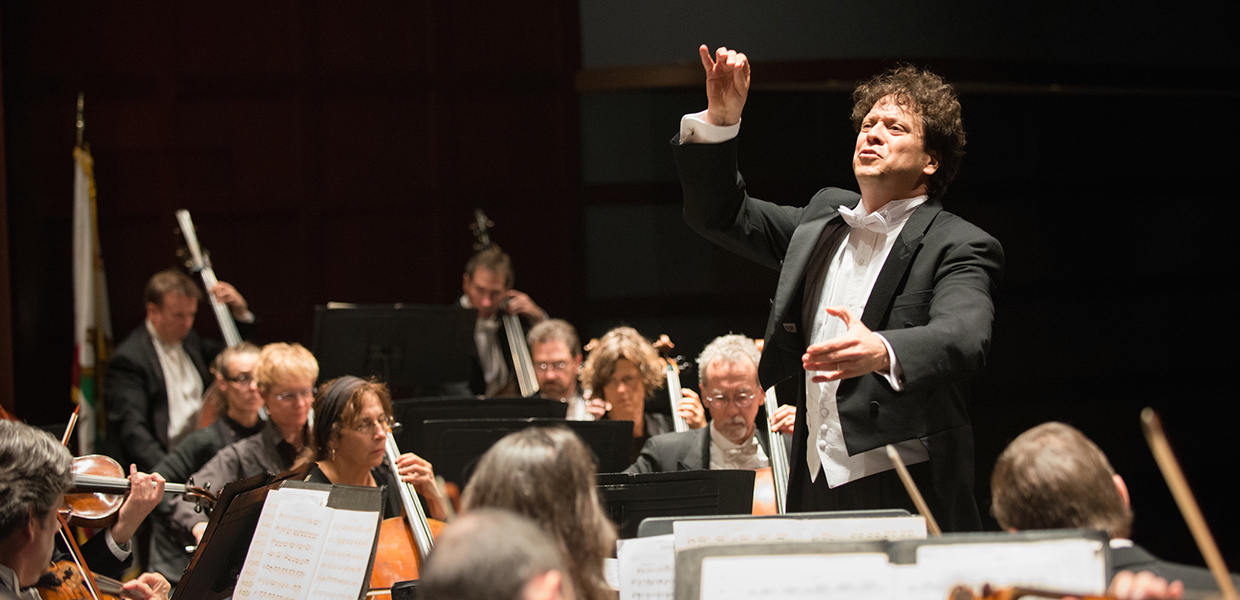
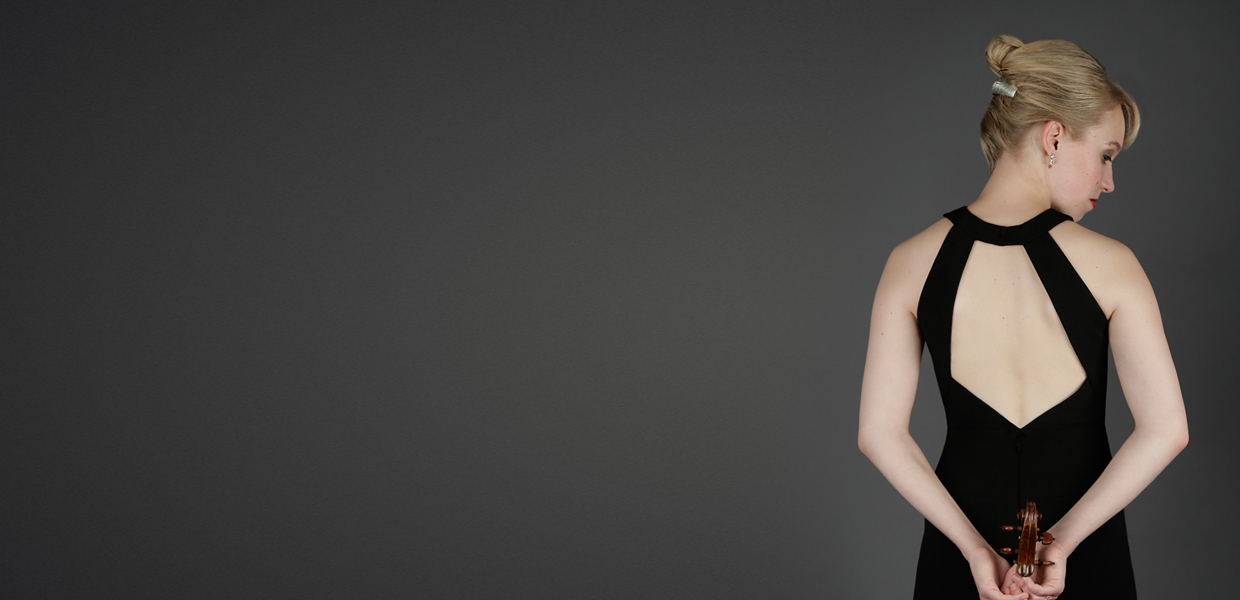
California Symphony is among one of the greatest orchestras in the state, and it is right in our neighborhood!
By James Quinn
Living in the Bay Area, we are at the heart of the art community in California, particularly surrounded by great, professional music organizations and events that are among the “local happenings” that we take pride in (in this magazine). Earlier this year, for the Vallejo Chamber of Commerce’s Vallejo Magazine, I wrote an article about the Vallejo Symphony and another on the Empress Theatre (both in Vallejo), and I am now delighted to share with you more about the cool music scene with California Symphony—because they are among the greatest in the entire state!
If you are like me, you oftentimes forget that you live in a place where we have great music right under our noses. In fact, the California Symphony is a full orchestra team of top-tier, professional musicians—but do not be intimidated by that, because the symphony can be for everyone (i.e., jeans and a T-shirt are fine), and the company sure knows how to keep prices affordable for quality performances; California Symphony certainly breaks the—in what I will call “orchestra-culture”—mold, as they expand their audiences for a much more inclusive environment so that everyone, of all socioeconomic classes, can enjoy.
“The mission of the California Symphony is to enhance the lives of those it serves in Contra Costa County and the extended San Francisco Bay Area by performing the full range of orchestral repertoire of the highest quality with special attention to the work of American composers, presenting talented young performers in their first professional concert appearances, featuring performances by world-class artists, and providing education outreach programs for the children and adults of our community,” the symphony’s website says.
California Symphony has had a powerful orchestra to back up such a powerful name (one that represents the entire state, that is)—where they now play mostly at their main concert hall at the Lesher Center for the Arts in downtown Walnut Creek (1601 Civic Drive) as well as in Napa Valley, Concord (Concord Pavilion), Oakland, Berkeley, Livermore, and other cities around the Bay Area—and I naturally needed to know more about it.
To get the origin story and more, I met with Executive Director Aubrey Bergauer, who is now starting her fifth year with California Symphony. A little about Bergauer: she is driven and passionate, has a background as a serious musician (breaking gender stereotypes by playing tuba growing up) and has both business education and experience. Of course, I asked her about the history of the California Symphony and its name. “The orchestra was founded in 1986 as the New Contra Costa Symphony, and in 1988, they changed the name to California Symphony Orchestra so as not to limit operations and performances to only the Diablo Valley,” Bergauer said. “The organization is now 32 years old.
At San Francisco Symphony,” she continued, “the principal timpanist, back in the 80’s, Barry Jekowsky—who was considered one of the best timpanists in the world—decided to be a conductor [becoming music director for what is now called California Symphony] and assembled an orchestra with amazing players … Long story short, it was this glorious phoenix rising from the ashes, rebranded as the California Symphony.”
Today, going on his sixth season, the music director (the conductor) is Donato Cabrera, who is alongside Bergauer at the helm of the California Symphony, and whereas music director can come off as “dictators,” he is actually described by many as a very likable guy. “He has a deep knowledge of classical music,” Bergauer explained. “He played instruments growing up, a French horn player. And in college, he took on conducting and leading orchestras, which he started doing [on stage] at 19 years old.”
Quickly a rising star, Cabrera clearly has a lot of passion for what he does, and he gained a lot of his experience and recognition when he served as resident conductor for the San Francisco Symphony; he was also music director of the San Francisco Symphony Youth Orchestra (SFSYO), which is “recognized as one of the finest youth orchestras in the world,” its website says.
In addition to conducting for the California Symphony, Cabrera also conducts for the Las Vegas Philharmonic, so he has dedicated his life to classical music, and it is noticed. “The orchestra has always been good,” Bergauer said, “but he [Cabrera] has really taken it to the next level.”
Cabrera and Bergauer are doing an amazing job leading the California Symphony, “distinguished by vibrant concert programs that combine classics alongside American repertoire and works by living composers, and for bringing music to people in new and unconventional settings,” the symphony’s website says.
One of those unconventional settings was a rooftop concert on a high-rise in Oakland with Postmodern Jukebox, which is something I know I would not expect at all from an orchestra—doing something remarkably memorable, like the Beatles’ famous rooftop concert. California Symphony also was the first orchestra to have ever performed with Postmodern Jukebox, and that group has then since headlined last New Year’s Eve with the Los Angeles Philharmonic.
California Symphony is a growing orchestra company that has had some impressive accomplishments; with recent efforts to connect with the community, they have made their presence known with audiences that extend past the classical music concertgoers. For instance, you can sometimes catch California Symphony represented on “First Wednesdays” in downtown Walnut Creek (from 5:30 p.m. to 8:30 p.m. on Cypress Street, between Locust & N. Main Streets).
More notably, to name only some of the California Symphony’s community involvement, they have launched a new education program for adults called Fresh Look: The Symphony Exposed, and have various programs for all ages in the community (e.g., Sound Minds, Young American Composer-in-Residence, and Music in the Community). They work closely with the Sound Minds program (developing young musicians and overall music appreciation). They also read to children at the Walnut Creek Public Library (Contra Costa County Library, where they, for example, read the children’s book The Snowman before performing the soundtrack to the movie adaptation at their holiday show in December (information below).
The California Symphony does five concert sets during the year, and its 2018-2019 season started recently at the Lesher Theater on Sunday, September 23rd, with the sold-out show “Beethoven & Bernstein,” which was opened by the piano virtuoso Charlie Albright, who the Washington Post called, “among the most gifted musicians of his generation.”
You definitely need to catch the symphony’s next concert—it’s a popular holiday show for the whole family! The show is called “Tis the Symphony,” coming to the Lesher Center on Saturday, December 22, from 4 p.m. to 8 p.m. Expect “a screening of The Snowman and an audience sing-along” in your comfortable seats in the Lesher. Prior to show time and during intermission, they will have activities for families in the lobby, such as the CSO Instrument Petting Zoo (where you can touch, hold, and even play various instruments in the orchestra), photo booth, and hot cocoa for purchase. Frosty the Snowman also made an appearance last year.
The California Symphony is worth going back to again and again—“We want to create an experience that is so enriching,” Bergauer noted, “that you can’t wait to come back for more.” I personally recommend getting season tickets, which are on sale now, because they are a bargain deal—in fact, you will save up to $147. They also have other great deals on their website, and it is worth subscribing to their mailing and email list for discounts and updates (quickly done on their website).
Conveniently purchase tickets by calling (925) 943-SHOW (7469), at californiasymphony.org by clicking on the “Ticket” tab, or by going to the Lesher Center Ticket Office during business hours (open Monday through Friday, from 8:00 a.m. to 5:00 p.m.). Call the Lesher Center at (925) 295-1400. For additional information, check out their website at californiasymphony.org, and follow California Symphony on Instagram and on Facebook (by liking their page) to receive great updates and see their inspiring involvement in the community.
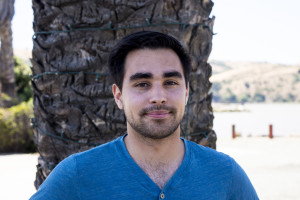 James Quinn lives in Benicia and teaches at Elmer Cave Language Academy in Vallejo. A UC Davis alumnus in English, he now studies education as part of Touro University’s Masters in Education program. Along with teaching, he tutors and writes often. He is working on a novel that takes place in Benicia. See his website at mrquinnj.weebly.com.
And here we are, less than 90 days till the end of 2018. The days are growing ever shorter and cooler (though we have to say that this was a fairly cool summer here). Thankfully, we live in a region where summer extends well into October, sometimes as far as early November. So don’t lament the passing of 2018 yet as there is still much to enjoy: pumpkins and ghouls, turkey and family, and fall festivals!
Many of the crafters and artists are outselling their wares before the end of the year so that we can all get our Christmas shopping done early. We have plenty of events to enjoy in the coming months, such as Oktoberfest, Halloween, wine dinners, the symphony and opera season, the Dickens Fair, and more. Just because the days are a bit shorter does not mean that you should stay home; it only means that you need to get out and enjoy the fall evenings. After all, cooler nights mean comfy sweaters and warm fires to snuggle near.
By the way…
NOW is the time to vote. And not just for the local and national elections—some of which are already underway!—but also for our 8th Annual Local’s Choice Awards! Voting is already going strong, and remember that it is never too late to nominate or vote for your favorites in each of our 12 categories. Keep in mind that there is ONE winner per category for each county (Napa, Solano, and Contra Costa). So make sure to nominate and vote for your favorite in EACH county, not just your own. You can also vote once per day as well. So, just like Chicago, vote early and often! Our polls close on December 9th, so get out there and vote today, tomorrow and everyday until 12/9. Our winners will be announced in our 2019 February/March issue of Local Happenings Magazine.
This issue also marks the end of our 9th year. We will be celebrating our 10th anniversary next year, and we are excited that we have been able to connect our readers to their community for a decade. We look forward to many years to come, as it has been an honor to bring you the community news and events.
Along with Local Happenings Magazine’s birthday, there are so many of our family and friends that are also celebrating their birthday over this time as well. We would like to wish Christopher, Clara, Rory, Tim, Michelle, Susan, Jeannie, Bea, Caroline, Monica, Jon, Liz, Mark, Cristina, Curt, Lori, Shawna, Kathy, Candy, Luis, Nico, Emily, Hermie, Xavier, Reagan, Ben, Norb, Jennifer, Shawna, LeeAnn, Ken, Amy, Ali, Julia, Connie, Tony, Kevin, Josette, Linda, Cera, John, Angelita, Larry, Paula, Alyssa, Kevin, Teena, Billie, and everyone celebrating their special day of the year in October and November!
And we always have room to print a special shout-out to Mom and Dad Briseño (Genny and Ray to everyone else) on their 65th wedding anniversary! We hope their day is as special as they are. We love you mom and dad!
Until next time . . .

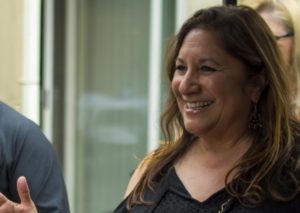
Robert Briseño & Deanna Troupe
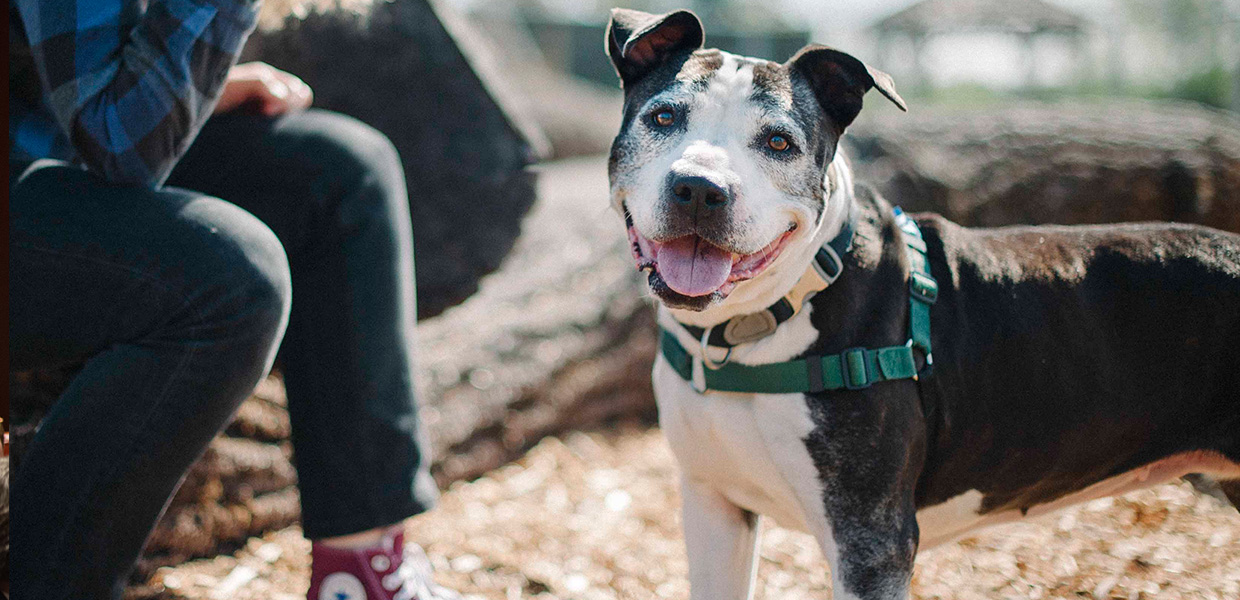
The Humane Society of the North Bay
By Nate Gartrell
The Humane Society of the North Bay has one of the toughest missions around, to house and care for the thousands of animals per year that are found wandering the streets of Vallejo and surrounding areas. As one might expect, this task can be very costly. Being a registered nonprofit, the humane society has limited means of acquiring funds, and a limited staff as well due to financial constraints, so the humane society relies heavily on volunteers and donors to keep the lights on and the cats and dogs socialized and healthy.
One fundraiser that stands out above the rest comes from the humane society’s neighbors, the Meyer Corporation. Owned by a company in Hong Kong, Meyer is the country’s largest distributor of kitchen utensils in the country. But each year (typically in late November and early December) Meyer’s Vallejo warehouse opens its doors for a limited time to give locals access to top-notch cookware for sale prices.
“It’s a huge deal for the community because they get these great bargains on well-known brands and normally expensive products,” said Kristen Eddy, who sits on the board of directors of the humane society. “For two weeks they draw in these huge crowds. There’s a line out the door every day.”
At the same time, the company has found a way to turn the sale into a charity event to benefit the shelter, encouraging shoppers to give donations at the checkout stand and pledging to match each of those donations, dollar for dollar, up to $15,000.
“It’s just wonderful for us to have this support from the community,” Kristen said. “[The Meyer Corporation] could pick any charity in the area … the fact that they pick us … it’s incredible and really an honor for us.”
This year, the sale will begin on Nov. 29th and last through Dec. 10th. The annual event is now going on 22 years and Kristen said that every year Meyer has solicited donations, the Vallejo community responds with at least $15,000 in gifts, which is automatically doubled thanks to the company’s contribution. And anyone who has worked or volunteered at an animal shelter will tell you: every dollar makes a difference. In a typical year, the humane society finds homes for around 1,500 animals.
“Everything we get goes into shelter operations,” Kristen said. “We’re not a city municipal shelter, we work on the thinnest of shoestrings, and our community is not one of the wealthier shelters you see in certain parts of the Bay Area. But even so, we find that there are people who donate, even if it’s just a dollar, and we love that.”
All told, the sale has brought in $300,000 over the years between Meyer’s contributions and donations from the community, Kristen said. “We always have tons of plans for services we’d like to offer but everything is hampered by financial restrictions. Donations are just so important. They’re our lifeblood.”
Like many who sit on the humane society’s board of directors, Kristen—the board president until her term ended last June—started off simply doing volunteer work at the shelter, which she continues to do today. She said most of the shelter’s day-to-day expenses come from medical costs, from spay/neuter services to healing injuries. As any longtime volunteer will tell you, work at a shelter and you will witness sad stories as well as happy ones.
“Sometimes there are just extraordinary medical bills,” Kristen said. “We work with some great veterinarians in Vallejo but if a dog comes in with a broken leg or jaw, or a cat has been badly injured, it is our mission to take care of them in a humane way so they’re not suffering and get the treatment they need.”
However, other looming costs are on the horizon: the City of Vallejo—which owns the land where the shelter sits—has recently given the humane society two years to pack their bags and find a new home. Kristen said city staff are helping to find a new location but knowing a (likely expensive) move is on the horizon has tightened the shelter’s purse strings even more.
“All shelters go through this, but we work on such a reduced budget that all these decisions are really significant and have an impact,” Kristen said. “A large donation like that, from Meyer, makes an enormous difference in our ability to shelter these animals every year.”
In case you were wondering, the humane society is looking at other spots in Vallejo and will more than likely stick around town, Kristen said. “We’ve been here since 1986, and we’re not planning to march off somewhere else.”
If you’re interested in stopping by this year’s sale at the Meyer Corporation, it is located at Meyer Plaza, near the intersection of Curtola Parkway and Napa Street in Vallejo. The sale goes from Nov. 29th to Dec. 10th, and all 200 local Meyer employees will be there to participate—it’s an all-hands-on-deck event.
If you’re not able to make it, but still want to contribute in some way, the shelter is always looking for help, so feel free to drop by and sign up for volunteer orientation and training. The humane society also accepts monetary donations and other gifts year-round.
“There is 100-percent reward from doing this kind of work, every person who comes in here, even if they’re in a bad mood, is going to leave in a good mood. They’ve done something to help an animal,” Kristen said. “We just thank the community for supporting us. We do our best and make the best use of their donations as we possibly can. The community keeps us going and we love that.”
If you’re interested in volunteering, adopting a pet, getting your cat or dog spayed or neutered, or dropping off a stray animal, the Humane Society of the North Bay is located at 1121 Sonoma Boulevard in Vallejo. You can also reach them at (707) 645-7905 or by visiting www.hsnb.org. The humane society is open from 11 a.m. to 5 p.m. Tuesday through Sunday.
 Nate Gartrell grew up in Benicia, studied journalism in college, and has written for a handful of media outlets since age 15. He aspires to visit all 30 Major League Baseball stadiums and to hit the trifecta at the horse track.