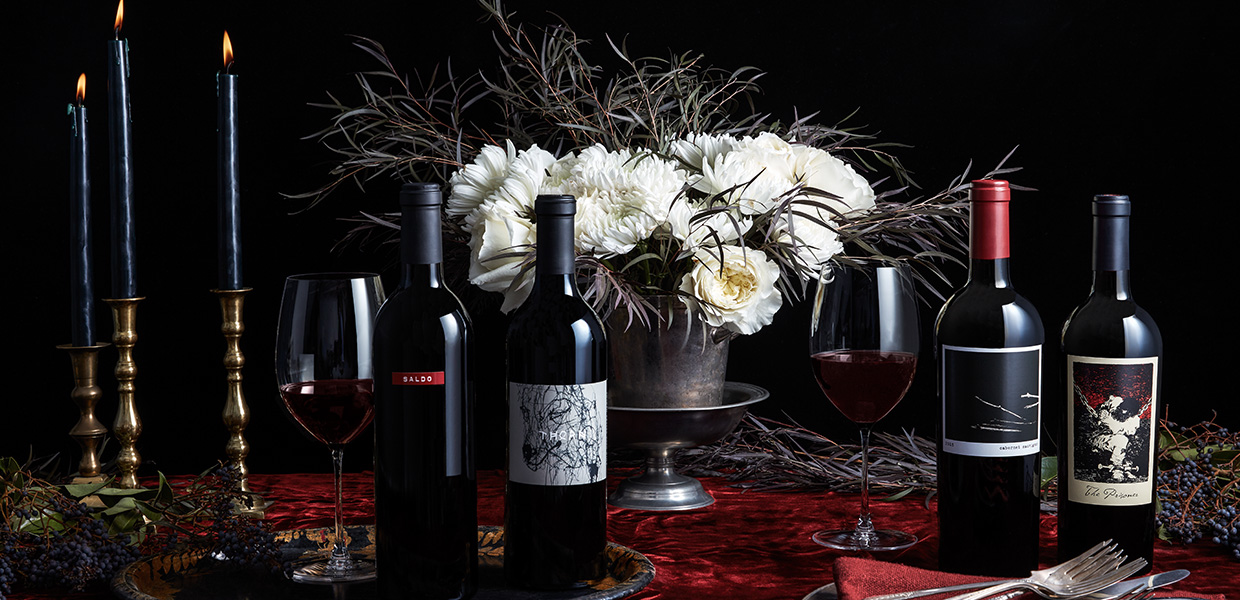
The Prisoner Wine Company provides a tasting experience that challenges tradition
By Matt Larson
Tourists come from far and wide to Napa Valley with the sole objective of experiencing as many different wines as they can get their senses on. Hundreds upon hundreds of Napa’s wineries are actively serving up these guests every single day, and the region is world famous for satisfying any wine connoisseur (… wineoisseur?). Napa is home to some of the best winemakers the world has ever seen, and amidst this immense competition comes The Prisoner Wine Company, an established wine organization that, after a nomadic 20 years, will be finally opening its own doors for the very first time, possibly, as soon as you’re reading this article. So what sets it apart?
“The Prisoner Wine Company is about defying expectations in every way—from the blend of grapes to the artwork on the label to what a tasting room should look like and what the guest experience should be like,” Property Director Brigid Harris said. “It’s the details that make The Prisoner Wine Company one-of-a-kind.”
Prisoner is no stranger to wine enthusiasts nationwide; in fact, they’ve been developing a fiercely loyal following throughout the past 20 years at occasional pop-up events all around the country. The Prisoner Wine Company now has a brick-and-mortar home of their own; and of all the regions in Napa Valley to choose from, greater St. Helena is now their home. “Fans have had no way to experience this brand in person, in the place where the wines are made—the new property provides this,” Harris said. “We are very excited to be able to welcome longtime supporters and new fans!”
Inspired by the “mixed blacks” made by the very Italian immigrants who originally settled in Napa Valley during the early 1800s, Prisoner has some of the boldest, most intriguing wines you’ve ever laid your taste buds on. Their signature blend, The Prisoner, was first produced by founder Dave Phinney, and it was quickly recognized by consumers and critics alike as one of the most innovative Napa Valley wines on the market, leading the resurgence of California red blends and earning cult wine status. So start with The Prisoner, then let your conscience be your guide. They blend classic and unexpected varieties from California’s best wine regions to make wines that are approachable, yet thought-provoking. They also incorporate their own grapes, grown onsite.
Today, their director of winemaking is Chrissy Wittmann. With a background in Ecology and Systematic Biology at Cal Poly, San Luis Obispo, she found her love for wine while analyzing soil. She worked as a laboratory enologist and later achieved her master’s degree in Agriculture. With more than a decade of professional experience in the business, her expertise in vineyard partnerships comes in to play on a daily basis.
“Chrissy and her team collaborate with over 100 grape growers, visiting each vineyard site throughout the year to carefully assess the style and quality of each lot to make the best possible wine from each vintage,” Harris explained. “The majority of our grower partners are ‘mom & pop’ producers who have worked their land for generations. In many ways, our work with these growers contributes to the preservation of California winemaking history—we’re looking for vineyards of character and tradition, not just commercial viability.”
Following commercial norms is really the antithesis to what Prisoner is all about, as you’ll see when you visit them they are all about personality. “The design and décor of the building is unlike anything seen in wine country before,” Harris said. “We worked with renowned San Francisco architect Matt Hollis and Napa-based interior designer Richard Von Saal to create the aesthetic of the property, which reflects the out-of-the-box approach that the wine labels take.” Not to mention their unique wines themselves. As their mantra states, upon arrival: Expect the unexpected.
If you’re not one for spoilers, maybe you should skip this paragraph, but one of those very unexpected things you’ll encounter when visiting The Prisoner Wine Company is The Makery. It began in 2016 as The Makery Experience, a series of pop-up gatherings in cultural communities across the country. Now as part of Prisoner, The Makery celebrates artisans, designers, and creators who share the same raw spirit of innovation and craftsmanship that you’ll find in their wines. At The Makery, you’ll encounter an ongoing carousel of makers from varied fields to ensure that every visit is perfectly unique.
The Makery is a private tasting space comprised of four studios, with each studio containing one of Prisoner’s featured Makers. These Makers will collaborate with The Prisoner Wine Company and, inspired by the wines, will be creating unique items only available at the winery. As a guest you can choose from two private experiences: The Journey and The Makery. Each will elevate traditional wine and food pairings via the discovery of the makers’ art.
Prisoner’s first makers in residence will be Sabrina and Emma Mann of Soap Cauldron in Sonoma. Home of the Three Sisters Apothecary’s line of artisan soaps and skincare, they are also the creators of Soapy Tails, an all-natural canine bath and coat care line. You can also meet with Chef Joshua Felciano of Bayview Pasta in San Francisco and learn about his passion for producing hand-milled flour; coupled with his direct-to-farm sourced grain he crafts pasta, pizza, and breads. They’ve also announced Mercedes Stahlberger of Wine Lover’s Jelly, potter and former Hollywood fashion designer Amanda Wright … suffice it to say, a visit to The Prisoner Wine Company will involve much more than tasting wine, though wine will play a role in your visit every step of the way.
“We are thrilled to offer wine tastings elevated by food prepared by Winery Chef Brett Young, ranging from small bites to extensive and innovative wine and food experiences,” Harris said. Young enrolled at the Culinary Institute of America (CIA) in Hyde Park, New York City, and his studies there included an externship at the Ritz-Carlton Millennia in Singapore which shaped his thinking about all things food, wine and hospitality. He later went to Las Vegas to work as Master Cook at Alain Ducasse’s Mix at Mandalay Bay, and joined COPIA in 2008 … his list of culinary accomplishments goes on, but look forward to his fresh and seasonal dishes tailored to complement the wines you’ll be tasting at Prisoner.
A unique wine company warrants a unique name, and “Prisoner” was the perfect fit. Founder Dave Phinney was looking to create a label for his award-winning wine and named it The Prisoner, inspired from an etching by Spanish artist Francisco Jose de Goya titled: La Petite Prisonier. The piece was given to Phinney by his parents when he was just 12 years old. Goya is often referred to as both the last of the Old Masters and the first of the moderns, transcending generations and innovating the concept of style—quite similar to how The Prisoner Wine Company is changing the tasting game in Napa.
On the winery’s website you can get to know many of the growers who contribute to Prisoner’s wines. While their family of growers has evolved over the years, they’re proud to say they still work with most of the growers hand-picked by Phinney, growers who contributed to the first wines he ever made. “We continue to seek out top-tier fruit from new producers to welcome into our family,” Harris said. “In buying unexpected, less-typical grapes (from Napa Valley and Sonoma County) like Charbono and Viognier, we have helped provide a kind of ‘second life’ to these producers who may not otherwise be able to continue to grow these rare and exceptional grapes.”
The Prisoner Wine Company is happy to make any customizations necessary for each guest. An average visit can cost anywhere from $45-300 per person, depending on what you’re looking for. They are located at 1178 Galleron Road on Highway 29, just south of St. Helena. For additional information, call them at (866) 255-7401 or visit theprisonerwinecompany.com. They are just now releasing their first ever sparkling wine and Pinot Noir, so schedule your visit as soon as you can! Come in for a drop-in wine tasting or a special by-appointment experience, but let it be known that reservations are highly recommended, as the moment they open their doors, The Prisoner Wine Company will be in high demand.
Chef Sample Dishes & Pairings
Vegetables/Fruit
Stone Fruit Salad
Goat Cheese Fondue, Hazelnut Dukkah, Lemon Verbena Vinaigrette
ERASED (sparkling – Blanc de Blanc)
Grilled Brentwood Corn
White Miso, Pickled Lime, Thai basil
No. 39007 (Chenin Blanc)
Meat
Grilled Lamb Shoulder
Farro Piccolo, Fermented Mustard Greens, Ras El Hanout-Orange Vinaigrette
Thorn
Jamaican Jerk Quail
Roasted Sweet Potato, Mizuna, Pickled Kumquat
Blindfold
Fish
Applewood Smoked Black Cod
Summer Succotash, Tomatillo, Lemon Balm
The Snitch
King Salmon
Sake Kasu, Summer Squash, Tomato-Dashi
The Prisoner
Pasta
Garlic Scape Bucatini
English Pea, Morrel Mushroom, Pecorino Romano
Syndrome (Rose)
Fromage Blanc Agnolotti
Corn Pudding, Tomato Confit, Fermented Summer Truffle Vinaigrette
Headlock (Charbono)
Spice
Za’atar—Citrusy, smoky, herbal. It is used on gluten-free crackers with smoked eggplant dip.
South African Spice, Ras El Hanout—floral, complex blend of spices used in Northern Africa cuisine similar to a curry. Used in vinaigrettes and dry rubs with lamb
- FREEZE DRY—Name a few items you are excited about freezing with your new fancy machine—what’s it called again? This machine gives dishes another texture. Instead of heating foods, it freeze dries them at negative 50 degrees Fahrenheit. You get a crunchy texture versus a leathery texture (like dried fruit).
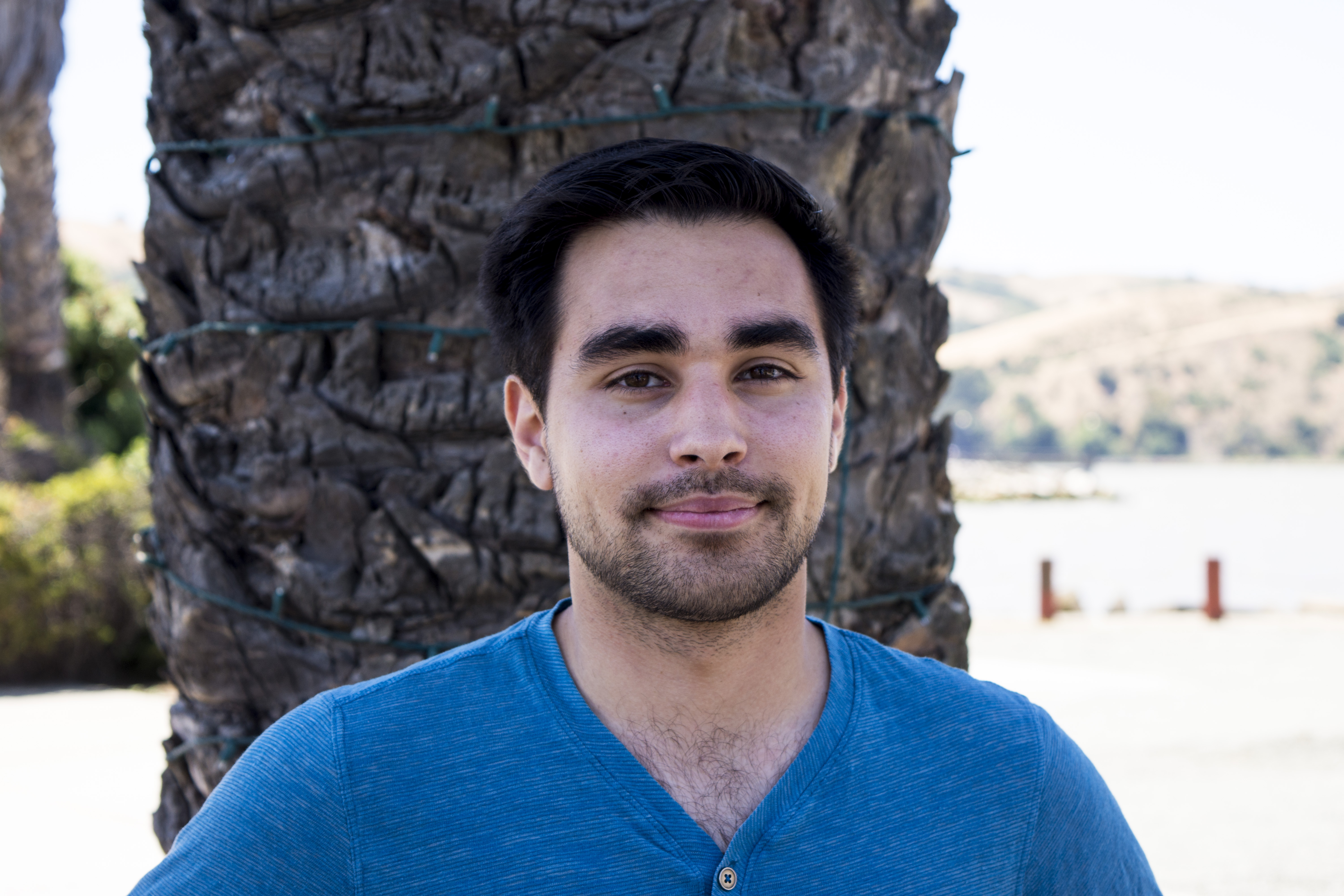
 Matt Larson is an actor/comedian/director from Vallejo who lives a double life between the Bay and LA. When he’s not writing for Local Happenings Magazine he could be editing a short film or working on his next rap album—who knows!
Keep up with all things Larson at: www.MarsLegstrong.com.
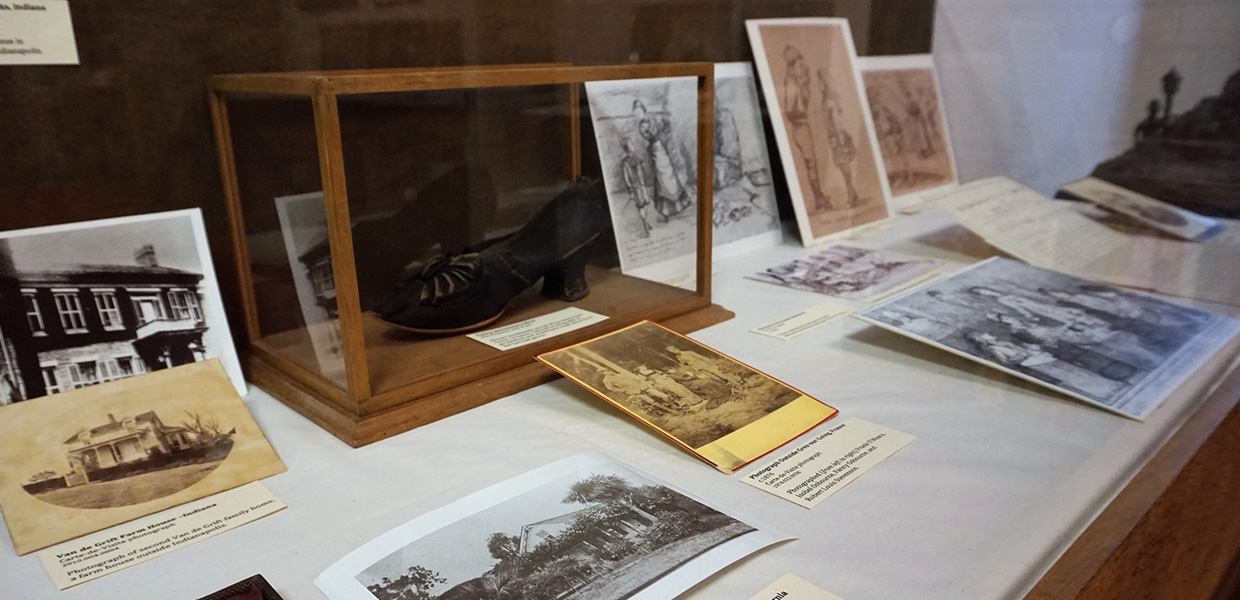
The Robert Louis Stevenson Museum
By Nate Gartrell
The iconic author Robert Louis Stevenson will forever be linked with images of waves crashing onto the cliffs of Scotland, or swashbuckling pirates on the high seas. What’s not as well known is that toward the end of his brief but legendary life, Stevenson found himself in California, married his wife in the Bay Area, and settled down in the Napa Valley. He made his home near modern-day Calistoga in the 1880s, years before the area became a popular tourist attraction.
In 1969, 75 years after Stevenson died, a San Francisco ad executive named Norman Strouse, along with his wife Charlotte, found out about Stevenson’s connection to the area. They were passionate fans of his work and decided to form a museum to preserve his legacy and educate folks about his ties to Northern California. The museum started with a private collection of around 500 artifacts but since then has grown into one of the best resources of Stevenson’s body of work. And next year, the Robert Louis Stevenson Museum in St. Helena turns 50.
“The Robert Louis Stevenson Museum is really a treasure in the Valley and in the world. We have over 11,000 pieces in our collection and as such, it is the largest Stevenson collection available to the public,” museum Executive Director Barrett Dahl said. “In addition to a museum, we are also an academic archive for scholars, authors, reporters, or people just interested in learning more about RLS.”
Although the museum has grown since its start nearly 50 years ago, one thing about it has stayed the same: it is free to the public, and so are most of the special events hosted there.
“The Strouse’s were adamant that this collection always be free and
available for everyone’s enjoyment,” Dahl said.
Stevenson only lived 44 years, yet the body of work he produced during that time could go up against any contemporary author. Simply put, he remains one of the most skilled ever to put ink to paper. His fictional works, most notably Treasure Island and Kidnapped, are hair-raising, spine-tingling thrillers that haven’t fallen out of style. His most famous book, Strange Case of Dr. Jekyll and Mr. Hyde—has become universally recognizable and even integrated its way into our everyday language. Not everyone has read Dr. Jekyll and Mr. Hyde, but nearly everyone understands that phrase to be a reference to a person displaying extreme opposite sides of his or her personality. Dahl said it is common for visitors to be familiar with his work, even if they don’t know his name.
“Personally, I think what makes Stevenson’s work and influence so persistent and prevalent in today’s world is that while he did write memorable and fantastical stories, he primarily wrote about people and the way in which they react to others and situations forced upon them … if you read Stevenson enough you can find humanity and real depth in every one of his characters, from Jim Hawkins all the way to Dr. Henry Jekyll,” Dahl said.
Stevenson was a passionate and enthusiastic person who was also prone to moments of frustration. His family was known for establishing lighthouses in Scotland and England, but Stevenson wanted to make his mark in a different way. He traveled the world but was inhibited by health problems throughout his life.
“From international travel, having an affair, suffering from a lifelong illness, and writing some of the most beloved stories in the world,” Dahl said, “his life was very full and is a story in and of itself.”
Dahl likes to point out to youngsters unfamiliar with Stevenson that if it wasn’t for Treasure Island—the tale of an adventurous cabin boy named Jim Hawkins who crosses paths with an infamous one-legged pirate named Long John Silver during a treasure hunt—the movie Pirates of the Caribbean would not exist. That’s true for more than one reason; not only was Silver an influence behind the character Jack Sparrow, but the plot of Pirates of the Caribbean is actually just recycled from a decades-old sequel to Treasure Island, which Disney produced after selecting Treasure Island to be the company’s first-ever, live action film.
“I wouldn’t say that [Treasure Island] ‘overshadows’ his other works, but acts as a catalyst of inspiration to read his other works—sort of a ‘gateway book’ if you will,” Dahl said. “Like with many authors if you find one book that you love you want to read other works. I think that because Treasure Island is accessible to younger audiences it gives readers a greater breadth of time in which to become acquainted with Stevenson’s works, not just his novels, but his articles, poems, and letters as well.”
Stevenson also changed Napa Valley history in a way he could never have predicted: he coined the phrase that called wine “poetry in a bottle,” a saying that gets tossed around Wine Country like a frisbee on a college campus. The quote comes from Stevenson’s autobiographical book The Silverado Squatters, in which he talks about his introduction to California.
“Stevenson was deeply impressed, though critically observant of the Napa Valley and its early viticultural inhabitants; admiring the stubborn persistence in which they sought to cultivate the land and make it into a reputable wine valley,” Dahl said. “Stevenson was a great observer of humanity and people. He found inspiration in most everyone he met and would use them as inspirations for characteristics of people in his stories.”
Stevenson first visited the Napa Valley in the summer of 1880 after marrying his wife, Fanny. She had been married with two children and was 10 years older than Stevenson but the two fell in love after meeting in France. They first moved to San Francisco but health concerns forced them out.
“The cold weather did not agree with Stevenson and he suffered his first lung aspirations, prompting them to find a warmer climate,” Dahl said. “Hence the move to Napa.”
In November, the museum will team up with the St. Helena Public Library to put on a week’s worth of events for “Stevenson Week,” an annual tradition in honor of the great author. While details haven’t been announced, past years have featured poetry readings, movie screenings, treasure hunts, and even the occasional visit from a pirate.
Because its founders have pledged to keep the museum free to everyone, it relies on donations and volunteers in order to stay afloat. Dahl said anyone interested in lending a helping hand should contact the museum directly through phone or email.
“We are always interested in having people share in our passion for Robert Louis Stevenson and are eager to continue to keep him accessible to future generations,” she said.
The Robert Louis Stevenson Museum is free to the public and open from Tuesday to Saturday from 12 p.m. to 4 p.m. or by appointment. It is located at 1490 Library Lane in St. Helena. For additional information, call or email them at (707) 963-3757 or office@stevensonmuseum.org. They can also be found on Facebook by visiting www.facebook.com/RLSMuseum.
 Nate Gartrell grew up in Benicia, studied journalism in college, and has written for a handful of media outlets since age 15. He aspires to visit all 30 Major League Baseball stadiums and to hit the trifecta at the horse track.

STA is here for all your Solano County transportation needs
By Matt Larson
Commuting in the Bay Area is getting more and more difficult with every year, but hey, that’s the price we pay for living in such an amazing place! At least for us here in Solano County, traffic doesn’t get too bad, but it does seem there’s been a bit of an influx. At first, that may sound like bad news, but the reason we’re noticing more and more traffic here in Solano County is actually for a great reason! For the most part, it’s because our economy is doing well.
However, whether you’re gridlocked on SR-37 or you’re stuck in the middle of I-80 and find yourself wondering if there’s ever going to be a solution to some of this traffic congestion, rest assured—there’s a team of people over at the Solano Transportation Authority (STA) who are constantly working toward improving the quality of life for all of our county’s commuters: they’ve implemented the High Occupancy Vehicle (HOV) lanes on I-80 in Fairfield with more to come; they’re facilitating all the work being done at the I-80/I-680/SR-12 interchange, which is a multi-year, multi-phase project; thinking long term, they’ve partnered with Napa, Sonoma, and Marin counties to come up with a game plan for what to do with that SR-37 congestion … they’ve got a lot going on over there.
“Our main function is to set priorities for the county in terms of transportation—highways, regional streets, bike paths, transit, rail, ferry—any mode of transportation,” said STA’s Executive Director Daryl K. Halls. “We do a lot of extensive public outreach, we welcome public comments, and we do take them seriously. A lot of what we do is facilitate things to happen; sometimes we actually do it, or sometimes we bring the parties together so that we can make sure that it gets done.”
All seven Solano County mayors, plus Solano County Supervisor Jim Spering, make up STA’s board of directors. The board has had pretty good stability over the years, but mayors do come and go, so the board adapts accordingly. “Getting new ideas is a good thing, but there’s also a lot to learn,” Halls explained. Board members must work together, and no project goes forward without a consensus so it is truly a team effort.
“Our board members work really well together,” he added. “They understand that our goal is to get more money into the county for Solano and that they’re all part of an overall transportation system that doesn’t end at any individual city.” Of course, that doesn’t stop them from campaigning on behalf of their own city’s issues, and Halls laughed as he told us that if you ask all seven mayors, they’ll tell you why their city’s the best! The county as a whole, however, is the focus here for everyone.
STA must carefully plan how they’ll be developing the county’s connectedness as we’re getting more and more popular every day. “We have a robust Bay Area economy, and we have a county which is a nice place to live and is very affordable, but we don’t have enough jobs to employ all the people that live here,” Halls said. He explained that we have about 110,000 residents commuting out of the county every day, about 60,000 commute into the county, and 50,000 or so have a commute that remains within the county. “So we’re exporting a lot of people,” he said. “We’re trying to improve mobility, not just to help people get to work outside the county, we’re also looking at projects that benefit this county so that we can bring more jobs here.”
Years ago, STA funded a project at Vacaville’s Leisure Town Road. “That interchange opened up that area for some employment expansion in Vacaville,” Halls said. “It improved mobility for people getting to work, to shop, and it makes it more accessible for jobs.” For similar reasons they completed some work on the Green Valley Road interchange that built a new connector from westbound I-80 to westbound SR-12, braided with a new onramp from Green Valley Road to westbound I-80 (which was Package 1 of their I-80/I-680/SR-12 Interchange project). They’re also looking at improvements to the SR-37 interchange at the Solano County Fairgrounds near Six Flags Discovery Kingdom.
Money, of course, is the main thing to consider with all of this. STA relies heavily on federal, state, regional, and local dollars, and with Prop 6 coming up on the ballot this November, some of that funding could be in jeopardy. “Last year, Senate Bill 1 passed which dedicated gas tax and other funds to transportation,” Halls said. “Prop 6 is intended to repeal that … whether it passes or doesn’t pass it’s going to make a big difference on available state transportation funds in the future.” For example, if Prop 6 passes and it repeals SB 1, their I-80/I-680/SR-12 Interchange project either gets delayed or canceled, Solano County cities would collectively lose $14 million in road money every year, and funding for maintaining and improving our highways will also decrease dramatically … so make sure to vote this November.
STA has been putting its funds to some great use and is actively promoting some very interesting programs that are all designed to help people get to where they’re going in a variety of ways. STA’s Safe Routes to School program encourages students to walk or bike to school, collaborating with local schools, police, public health staff, city traffic engineers and other community members to ensure a safe path for kids to get to school on their own. All of Solano County’s school districts are involved with this program. “It’s a very collaborative process and we’re making great progress,” Halls said. “It’s taken a long time to get here, but we have a lot of people working together to promote safety, walking and being healthier.”
They’ve also had a countywide bike plan for more than 20 years. Initially, STA’s focus was on connecting cities with bike paths between Vacaville and Dixon, or between Vallejo and Fairfield. “Our focus right now is making it easier to walk and bike to high-activity centers like shopping and employment areas,” Halls said. “As we plan for some of these facilities to grow we’re trying to make sure it’s also easy to walk there, bike there, and get your car there.” STA is constantly working with every city in Solano County to make sure that mobility is of utmost consideration for every major economic development.
For any hiking and biking enthusiasts, head to STA’s website to see their interactive map for the Top Ten Bike Rides in Solano County, organized by difficulty level. “We’ve got a really good bike network so we thought we should promote it!” Halls exclaimed. “We did that a few years ago, and this past year we did our Top Ten Walks & Hikes.” So for anyone looking to get some exercise and do some local exploring click the “biking and walking” tab at sta.ca.gov.
Solano Mobility is a program that Halls highly recommends the public take more advantage of. “There are a lot of different transportation options that people aren’t aware of,” he said. “So what we tried to do with Solano Mobility is help let people know what’s out there. We’re helping commuters, but also seniors, people with disabilities, families—trying to promote to them that there are different ways you could actually get to where you’re going without having to drive your car if you don’t want to.”
STA’s website is a pretty awesome resource for all things mobility throughout Solano County. It’s very extensive and has information on all of their current projects, be it a board agenda, information on their clean air programs or road developments, details on budgets and comprehensive plans—there’s plenty to see there and even more to learn. Head to sta.ca.gov to see for yourself, and if you have any questions about how to better get around Solano County you can reach their Mobility Call Center at (800) 535-6883; their main phone number is (707) 424-6075, and their address is One Harbor Center, Suite 130, Suisun City 94585.
Also as of July 1st of this year, you can find a new and improved SolanoExpress bus service, coupled with changes happening at SolTrans you can get from Sacramento to Pleasant Hill BART or El Cerrito BART to Suisun City without a car. So again, check their website. If you have any ideas or want to get involved in any way give them a call or an email (info@sta.ca.gov) and they’ll let you know how to make your voice heard.
Larson is an actor/comedian/director from Vallejo who lives a double life between the Bay and LA. When he’s not writing for Local Happenings Magazine he could be editing a short film or working on his next rap album—who knows!
Keep up with all things Larson at: www.MarsLegstrong.com.

Physician Assistants (PAs) like myself are frequently question asked, “Are you the doctor?” After all, we’re wearing a white coat, carrying a stethoscope, and taking care of people. We are not doctors, but we are medical professionals who diagnose illness, develop and manage treatment plans, prescribe medications, and often serve as a patient’s principal healthcare provider. With thousands of hours of medical training, PAs are versatile and collaborative. PAs practice in every state and in every medical setting and specialty, improving healthcare access and quality. We always introduce ourselves as PAs, but when you’re at your medical appointment, you don’t always pay attention to the title of the person; you just know that they are going to take care of you.
You may have seen a PA in the past or a PA could currently serve as one of your providers. However, there are still not a lot of us. In 2017, there were about 123,000 PAs in the country according to the American Academy of PAs. There are more than twice that many nurses in the state of California alone.
Last year marked the 50th anniversary of the PA profession. The first PA program built itself from the fast-track training that medical doctors received during World War II. Historically, there have been two models to PA education. The Duke model is built on inpatient care, and the MEDEX model emphasizes service in community clinics. But as the profession has grown, these regional differences have diminished.
PAs are educated on a medical model and have the flexibility to provide many of the same services that doctors do, only with the support of a supervising physician. They also have the professional flexibility to shift between medical fields.
Perhaps the next time you ask, “Are you the doctor?”, you’ll hear, “No, I’m the PA and I am going to take care of you today.
For more information about the PA Profession: https://www.aapa.org/
 Grace Landel, PA-C, MEd
Director of the Joint MSPAS/MPH Program at Touro University California
By Chef K. Marie Paulk
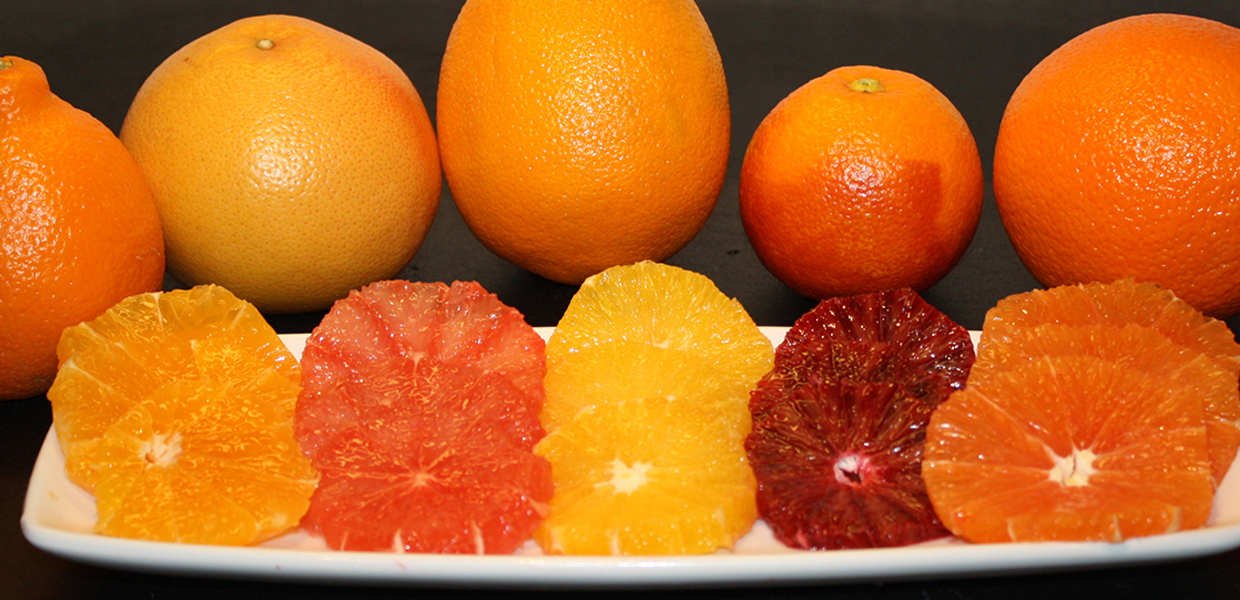
Well, they’re here, the weather has turned and as I type this there are Christmas trees sprouting up at our local Costco, right next to the Halloween costumes. I’m not sure what happened to the turkeys, but I’m sure we will see them soon too. I’m sure that many of you do not think about oranges when thinking about or planning your holiday festivities, but their season is really part of ‘the season.’ I still remember getting a Christmas stocking filled with oranges or tangerines, nuts for cracking and hard candy, it was a tradition. Oranges and tangerines are really abundant this time of year and the star in many winter fruit bowls.
All citrus fruits are native to a region stretching from East Asia southwards to Australia. Collectively, they are the third most important group of fruits, only apples, pears, and bananas surpass them in quantity produced and consumed. It has been calculated by botanists that the history of the citrus trees goes back 20 million years.
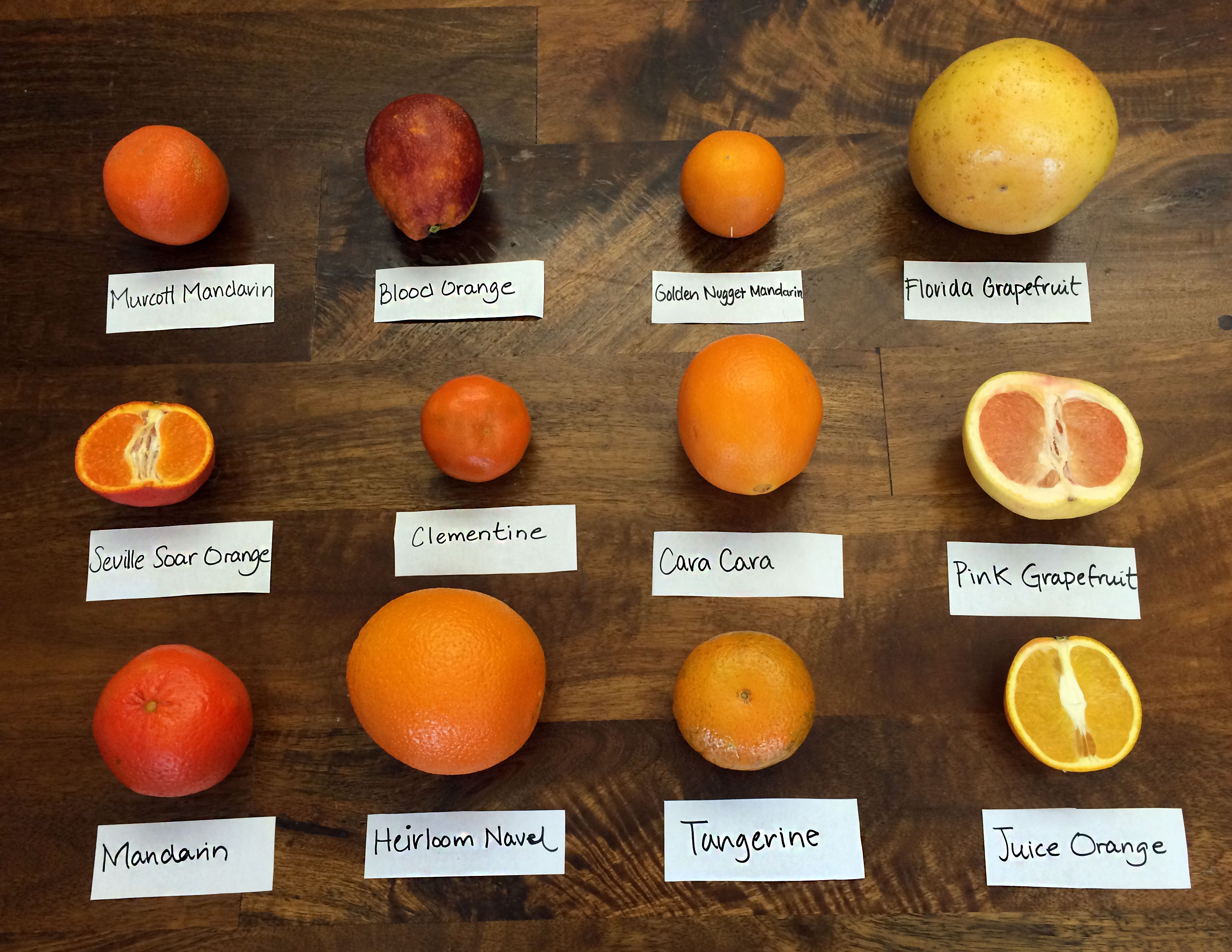
Valencia’s are originally from Spain, they are the most popular thanks to their thin skin and abundant juice. Their season is early summer to October and they are officially known as the summer orange.
Navel oranges are the classic eating oranges. They are easy to peel, seedless, sweet and juicy. Cara Cara are sometimes labeled as navel’s, but they have a darker, pinker flesh and a sweeter flavor. Look for them from November through May. Navel oranges are originally from Brazil; they get their name from a second, smaller orange that develops at the base. This undeveloped twin looks a little like a belly button. They are a little less juicy than a Valencia, but they are virtually interchangeable when it comes to cooking and baking.
Blood oranges are harder to peel, but they are very juicy and sweeter than the navel or Valencia. The Moro blood orange is not as sweet, smaller, and their flesh is lighter. Their season normally runs from December to May. I always keep a sharp eye out for the blood oranges, as I consider them a special treat when I can find them.
Seville oranges are very fragrant, but dry and sour. They are high in pectin making them perfect for making marmalade.
Temple oranges are tangors, a cross between tangerines and oranges. They are juicy and almost tart. Their season is January through March.
Clementine’s (my favorite) have a better flavor than other tangerines, very sweet. They are seedless and easy to peel. They were first grown by Father Clement Rodier in Algeria. Their season runs November through April, but we are lucky to find these in the markets a lot of times throughout the year due to gapping. Some Chilean varieties pop up in the summer.
Satsuma tangerines have a mildly sweet flavor, juicy and also seedless. I am told they are normally the first to be found in the markets starting in mid-October through December.
Honey tangerines are very aromatic with their own distinctive flavor. Their skin is very thin, but they are very sweet and juicy. They are usually not found in stores until the first of the year.
Pummelo is the largest. It has a thick skin which peels off easily to reveal its sweet flesh. The grapefruit, which originated in the West Indies in the 18th century, is the offspring of the pummelo and a sweet orange.
Indio Mandarinquat is the smallest and I’ve read that they are the love child of the mandarin and the kumquat. Its flavor is acidic and full of seeds, but it candies beautifully.
Oranges and tangerines are a great snack, but their juice is also great for cooking and baking, making marmalades and candies. Slices of blood oranges used on fruit tarts can look spectacular. Using oranges in salads is also a winner, but knowing how to segment an orange is a necessary skill for this. I could explain how to do this, but it is best learned visually. I am sure there is a YouTube video out there you can watch.
We are lucky for where we live, we can find some of these varietals of oranges in the market year round, but they are at their best and least expensive in the fall and winter. Some of these fruits cannot be found at your local market and may require a trip to a specialty grocer or an Asian market, but I think it is worth the hunt. Oranges contain little starch and that is why they do not continue to ripen once they are picked. Remember, a heavy ripe orange will indicate its juiciness. A loose peel on a tangerine is normal, but if it is puffy it normally means it has passed its prime. You should refrigerate oranges when you get them home; which will help them last longer and taste better.
Happy snacking and baking for the holidays!

Thank you for voting and nominating your favorites! Award winners will be announced in our February/March 2019 edition.
It is always with a touch of melancholy that we greet this issue and time of year. We are well into summer now, and there are but five months left in 2018. The days are long and hot, but they are growing ever shorter; as each day passes, there is just a little less sunlight to enjoy. That being said, we still have plenty of 2018 to enjoy, so our spirits remain lifted! Plus, the kids will be going back to school soon, and Robert is always a fan of returning to a more regular schedule. Baseball is still in full swing (pun intended) and while we enjoy the boys of summer, the men of the gridiron prepare for their return as well. We are now in the prime season for outdoor festivals and events for all of us to enjoy regardless of your passions. Music, wine, beer, art, jazz, crafts, and more will all be fully represented in a variety of festivals in the coming months. Make sure to keep your eyes peeled for your favorites.
In addition to our busy festival and sports season, now is the time to give thought to your favorite business, festival, activity and non-profit as we gear up for voting in our annual Local’s Choice Awards. Voting will open up in September, as it always does, and please read more in the following pages to get all of the details so that you can nominate your favorites for next year’s winners.
In addition to our Local’s Choice Awards and our calendar, there are a few more stories in this issue of events and organizations around us to help you discover more of your community. Enjoy and if you have an idea or two for a story you would like to see in our pages, please let us know. We are always looking for those interesting stories from the communities around us.
We would like to offer some birthday wishes to some of our readers and faithful friends: Robert Briseño, one of the magazine’s creators, and his wife, Regina, are celebrating not only another revolution around our solar system’s sun, but also their 13th wedding anniversary (which has a theme of “lace”, hmmm…) too! Other birthday shout-outs go to our sisters Karen, Barbara and Clara, and to our nephew Christopher. There are a few more of course to recognize as well: John, Kenny, Joe, Catherine, Krystle, Jeff, Bob, Pippen, Yvonne, Michael, Duane, Christine, Wendy, Lou, Emily, Debbie, Dora, Therese, Freda, Cindy, Patty, Tricia, Harry, Joanne, Patrick, Cindy, Don, Mel, Derrick, Rich, Diane, Dan, Roberta, Holly, JoEllen, Jim, Eric, Caroline, Bea, Shannon, and everyone else whom we know and love who are celebrating in August, September, and early October!
To our loyal readers: Enjoy the rest of your summer, and remember to use this magazine (and our website!) to help you discover all that you could be doing tonight, tomorrow, and later this month.
Cheers!
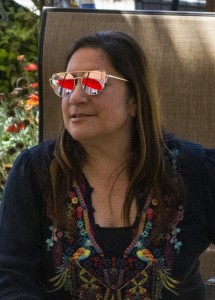
Robert Briseño & Deanna Troupe
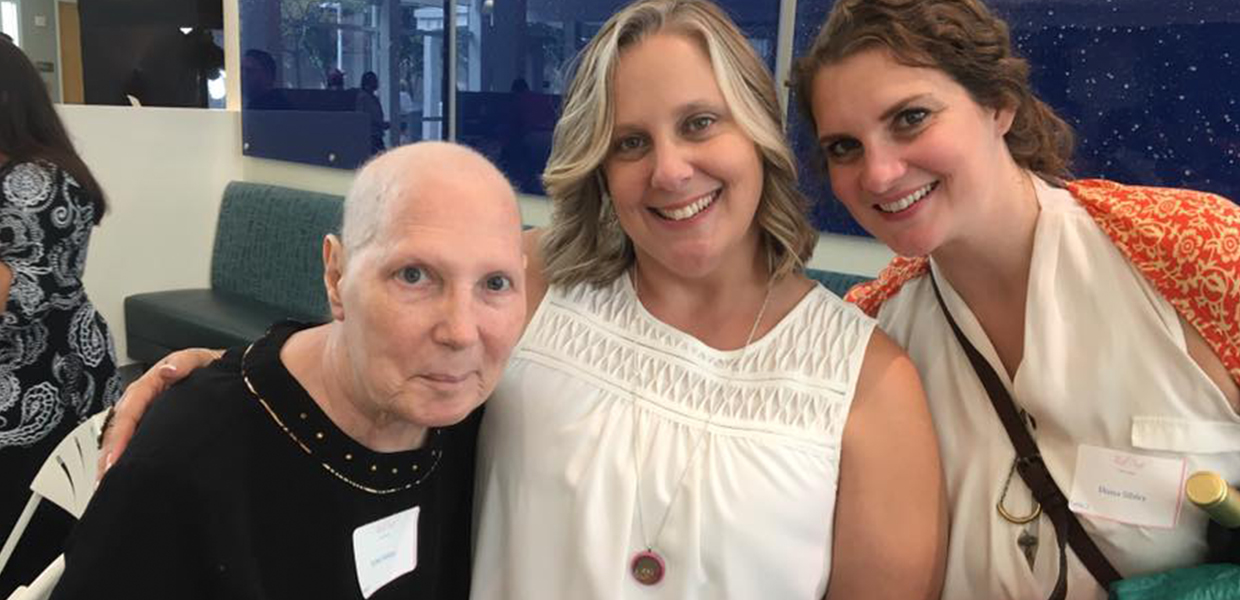
Cancer doesn’t discriminate, and neither does Pink Lemonade.
By James Quinn
People with cancer of course need extra help, though when it comes to such a horrible disease, we may not always know how to help. Here in our local community, however, support for people with cancer exists. With the motto “fighting cancer together,” Pink Lemonade is a 501(c)(3) qualified non-profit organization in Vacaville that is “committed to serving cancer patients and their families while they battle through agonizing cancer therapies.” Their mission is at the essence of humanity: “to offer love, hope, faith and strength to cancer patients during their journey by providing meals, lawn service, and support.”
Founded in March 2012, Pink Lemonade is a team of volunteers that have provided meal preparation and delivery, yard maintenance, and emotional support to cancer patients for slightly over six years now. It all started when founder Donna Quintero survived breast cancer and wanted to help others after noticing the huge lack of support for cancer patients. “I’m a breast cancer survivor. And I lost my mom when I was seven due to breast cancer complications,” Quintero said. “When I was diagnosed and we were going through it, we had people bringing us meals whether it was our church, family, or friends. When I got healthy, my husband and I said, ‘What can we do to give back? We’re not doctors; we can’t save lives, but we can be there for cancer patients, and we can help them.’” Prior to her organization with Pink Lemonade, a legitimate organization that brings cooked meals and helps household tasks did not really exist.
To a healthy person, we may not realize how much help it is to have someone there for us—to actually listen. Most adults are used to being independent with a routine; with independence, there oftentimes comes the pride that renders shame when asking for help. Because Quintero herself has gone through cancer, she brings that personal perspective and empathy to the foundation, where she can relate through her own experience. “We didn’t even want to ask our own family members,” Quintero said. “You don’t want to be a burden to anybody, especially to your family and friends. So it’s hard to say, ‘Hey, can you come mow my lawn?’ or ‘Hey, can you come bring us food while I’m down?’ Nobody wants to ask for that, but we figure that doing this as a business—that’s our job—they’ll be more likely to ask for help.” Cancer is nothing to be ashamed about, and Pink Lemonade, Quintero and her husband Jason Quintero, are empathetic to better understanding where others and their families are coming from—to not make them feel incapable, but rather motivate them to get through it as a team.
The saying “it takes a village” is certainly true when tackling cancer, and the Pink Lemonade team takes their job seriously in helping both cancer patients and their families. “For us to say things like, ‘We’re there for you; feel free to ask us; we don’t judge you,’ really helps. If we can do whatever we can for you, we will,” Quintero said. It really helps to be able to have that extra help and support system that is reliable, and the team is committed. Jason Quintero added, “The response from our volunteers has been great. When we say we’re going to do something, it gets done. Our volunteers are following through, so our clients know it’s going to get done. They’re not getting left with empty promises.” While ensuring their patients’ comfort, of course, volunteers professionally keep all their clients’ information confidential.
The foundation understands that someone who is going through cancer currently has their life compounded—where their families are also impacted and their routines are broken. As such, Pink Lemonade provides cancer patients with a lot of emotional support, with a perspective that is outside of their family while still relating to having gone through cancer and surviving. Pink Lemonade is there to provide for all regardless of their situation, whether their family is having a hard time coping or their family is not helping out at all, or enough. People may not even be aware that Pink Lemonade exists—but you should now help spread the word!
Moreover, another big service that Pink Lemonade does is meal preparation and delivery, and for a family who is going through cancer, it can be a major relief. For instance, a cancer patient going through chemotherapy treatments will have less strength and likely lower motivation to cook, especially for a family. “Bringing you a meal takes the burden off of you so you don’t have to worry about that, especially on the days of your treatments,” Quintero said. “You can expect meals on these days so you can focus on other things that are more important: you getting healthy and spending time with your loved ones. We want to be able to be there for those clients so they don’t need to worry about what’s for dinner, like if you’re feeling too tired but your family still needs to eat.”
Because Pink Lemonade actively helps bring positivity to a negative situation, it makes sense why their name comes from the proverbial phrase: “When life gives you lemons, make lemonade.” The color pink is to commemorate Quintero overcoming breast cancer, though she emphasizes, “We called it Pink Lemonade in honor of my journey, but we help all cancer patients. Cancer doesn’t discriminate, and neither do we. Life gave us lemons, and we’re doing what we can to give back and make lemonade out of it.” Pink Lemonade exudes optimism by bringing communities of volunteers together to give back and connect with cancer patients who need help.
Pink Lemonade functions best with its big-hearted volunteers, though that is actually one of the organization’s key needs at the moment: having enough volunteers. Quintero said, “We help all of Solano County, so we need enough volunteers to help everywhere. If we need to bring a meal to Vallejo, one in Dixon, and one in another city [for example], it’s not easy. We can’t get to all of those if it’s just us.” Of course, they cannot be at more than one place at once and do everything alone—so this could be a great opportunity for you or someone you know to be a part of a difference that you can feel very proud about. Their Facebook page states, “Looking for volunteers with a compassionate heart willing to commit to providing and delivering a meal to patients during their chemo/radiation therapy treatments.”
To volunteer, the best and easiest way to start is going online and signing up on their website pinklemonadefight.org. Since they are indeed a 501(c)(3) qualified non-profit organization, you may be eligible for a tax break to deduct certain expenses come tax time.
In addition to volunteering, other great ways to get involved are to donate to a 501(c)(3) nonprofit (e.g. on their website, Facebook page, in person, at events, etc.). Also, you can attend their fundraiser events, such as their annual Afternoon Tea with Pink Lemonade in May, PinkFest in October, and/or Quartermania in November (to name a few). You can view and keep up to date on Pink Lemonade by visiting their website at pinklemonadefight.org, liking their Facebook page to follow them @PinkLemonadeOrganization, and signing up on their website to get email news updates. For questions and/or to schedule a phone consultation, visit their website or email them at contact@pinklemonadefight.org. Visit them in person inside the Vacaville Chamber of Commerce building at 300 Main St. Suite B, Vacaville, CA. 95688.
If you or someone you know is a cancer patient who would benefit from Pink Lemonade’s services, email or call (707) 901-PINK.
 James Quinn lives in Benicia and teaches at Elmer Cave Language Academy in Vallejo. A UC Davis alumnus in English, he now studies education as part of Touro University’s Master’s in Education program. Along with teaching, he tutors and writes often. He is working on a novel that takes place in Benicia. See his website at mrquinnj.weebly.com.





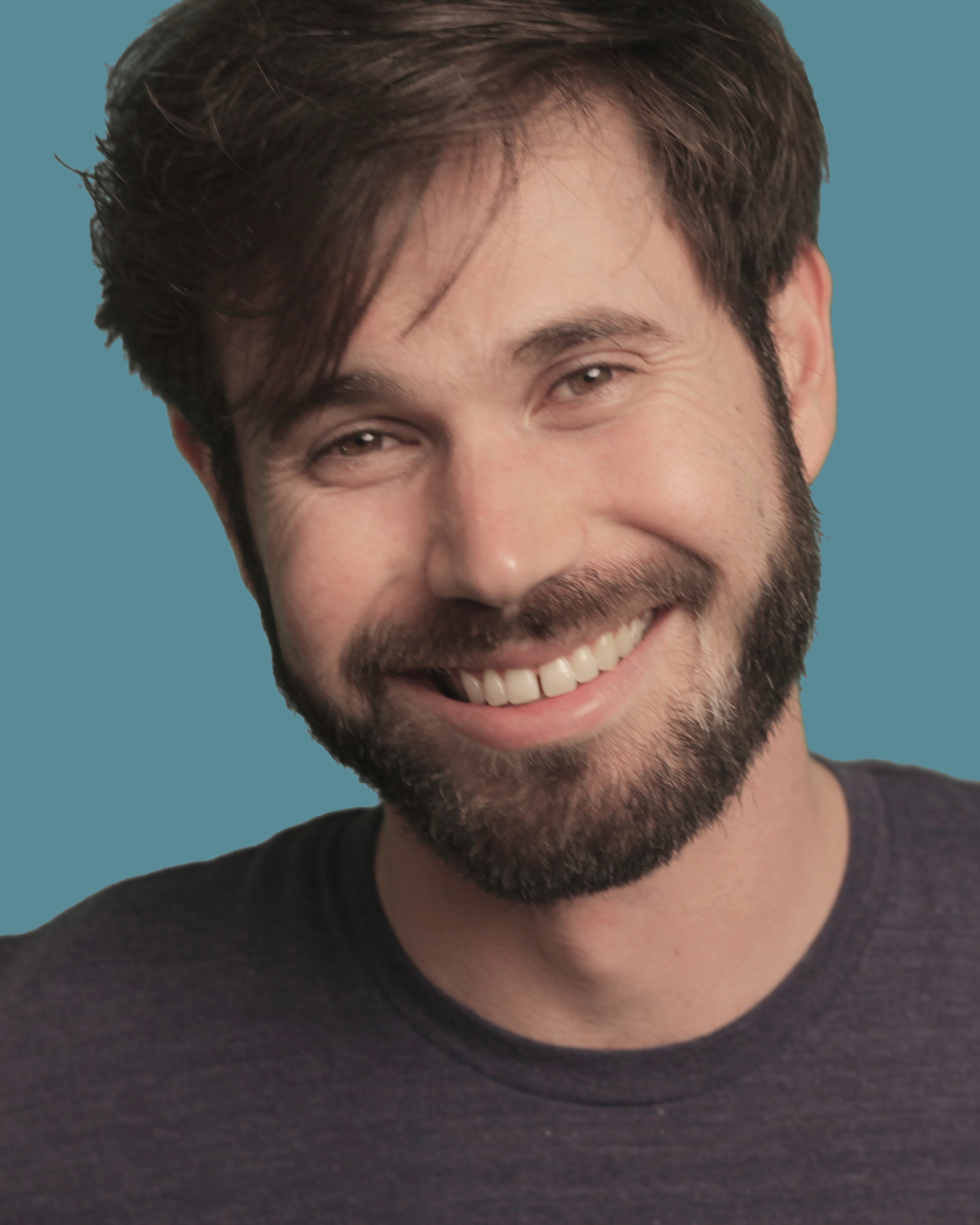 Matt Larson is an actor/comedian/director from Vallejo who lives a double life between the Bay and LA. When he’s not writing for Local Happenings Magazine he could be editing a short film or working on his next rap album—who knows!