7th Annual Local’s Choice Awards
Voting for our 7th Annual Local Happenings Local’s Choice Awards is now closed. Thanks to all of you who nominated and voted for your favorites!
Award winners will be announced in our February/March 2018 edition.

Voting for our 7th Annual Local Happenings Local’s Choice Awards is now closed. Thanks to all of you who nominated and voted for your favorites!
Award winners will be announced in our February/March 2018 edition.
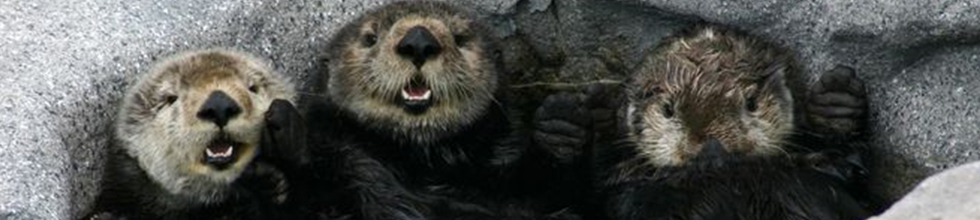
Since I was little, my parents have taken my siblings and I to the Monterey Peninsula to visit Fisherman’s Wharf, as well as Carmel Beach. Walking along the wharf while eating clam chowder and people watching is one of my favorite things to do when I’m in this beautiful seaside community. I’m not a person who normally likes tourist traps, but Monterey/Carmel knows how to make even the busiest area seem quaint.
Over the years, Local Happenings Magazine has made several trips to this area since it is a reader favorite and everyone likes to know where to go, stay, and play. The beauty of the Monterey Peninsula for the Bay Area is that it can be a day trip, weekend, or a full 7-10-day vacation—there is that much to do and see. Everyone has their favorites, so we thought we would point out a couple of our favorites and inspire a trip that follows our footsteps.
Since I think I have written about my favorites in the last few years, I thought I would try to see this area through different eyes. As such, I sent one of our staff, Larry Briseño and his wife Clara, and let them tell me the highlights of this magical and sought-after place.
“Staying at the Hyatt at the old Del Monte Golf Course was just perfect,” Larry began. “Everything you need is right on campus.”
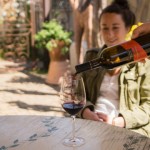
On the first night, Larry and Clara dined at TusCA Ristorante, where they could meet Josh and Julie from Twisted Roots for a wine tasting followed by dinner that was such a great time. The Hyatt’s featured restaurant is a perfect place to relax and enjoy a meal. It has something for every taste. Plus, it’s nice to settle into your hotel room, which is within walking distance to dinner.
Larry made special note of meeting their Special Meet the Farmer: a honey purveyor from Carmel Honey Company, which was started by Jake Reisdorf, a 13-year-old that needed a school project! This is such a special story that it deserves its own story—a future feature article perhaps? If you can’t wait and would like to read about it now, go to their website at carmelhoneycompany.com.
After dinner, you can sit in their open bar area with a wonderful fireplace and enjoy live music (on this night it was jazz).
One of the other perfect reasons to stay at the Hyatt at old Del Monte during your Monterey visit is that you have golf, spa, restaurants, a pool and hot tub, as well as beautifully landscaped grounds to wander in, not to mention the proximity to Monterey’s famous Fisherman’s Wharf and Cannery Row. Right here you have a full weekend, or even a week! Depending on your schedule.
We then have the coup de gras—the Monterey Bay Aquarium. This diamond on the peninsula gets thousands of visitors each week to see and educate themselves about our vast ocean. If you have never been to this showstopper, be sure to schedule at least a full day or two. There is so much to see and learn about—the pictures in this feature only prick the surface of what you will see at the Aquarium.
The exhibits are always updating and changing, so be sure to check out their website to see new features that you might not know about before you decide you don’t need to go (presuming that you’ve been there before).
A rare treat was awaiting Larry and Clara when they were able to attend a private art gallery reception and wine tasting at Patricia Quails Contemporary Art Gallery. Patricia has a unique story; she got started in art as an avenue to get away from the stress of her job as a psychoanalyst (which she now does not practice) and to assist in the education of her son that had a learning disability. To learn more, go to her website at patriciaqualls.com.
If you’re planning a vacation to the Monterey Peninsula, please check to see what else might be happening during your stay. This area has so many festivals, art shows, events, and fundraisers that your trip could take on an entirely different path than what you originally had planned.
Here are some websites to help you plan your trip: (I have also included two inns in Carmel, in case your trip has you exploring past Monterey.)
www.monterey.hyatt.com
www.seemonterey.com
Things to see and do in Monterey and Carmel:
Kayaking
Snorkeling
Paddle boarding
Hiking
Shopping
Art Galleries
Wine Tasting (that rivals Napa!)
Whale Watching
Trolley Rides
Biking along the many trails
Frolicking with the dogs at Ocean Beach in Carmel
You must see and hear the Barking Sea Lions at Coast Guard Pier
17 Mile Drive
Pacific Monterey Monarch Butterfly Sanctuary
National Steinbeck Center


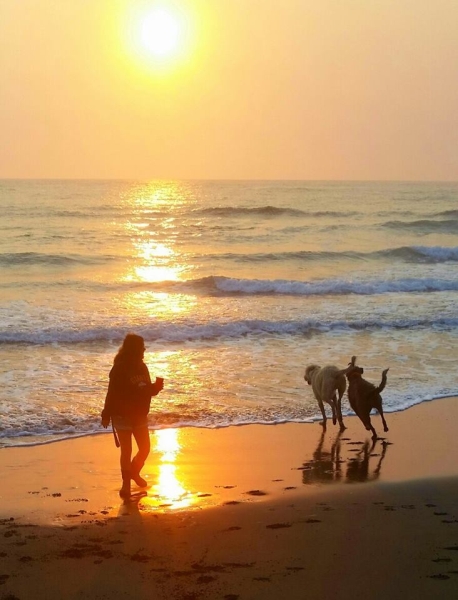
Deanna Troupe and Ben, her Australian Shepherd, love following the road less traveled. Her love of home, family, and friends keeps her grounded and Deanna’s husband, John and their two Irish Wolfhounds, Reagan and Devlin are always by her side.
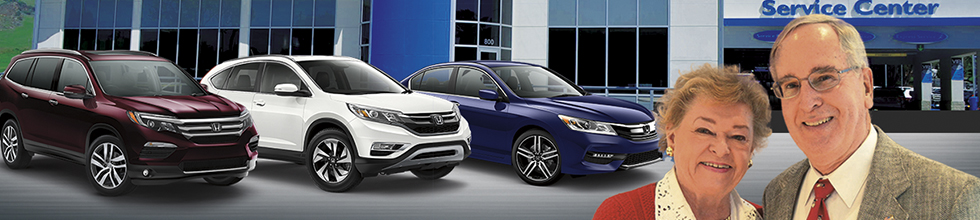
How a young car dealer from Michigan built an empire and moved to Vallejo
He’s got your drivin’ machine! But who is this “he” anyway? If you’ve grown up living in Vallejo, Avery Greene is without a doubt a household name. We see a man with a Honda dealership in Vallejo and may not think much beyond that, but what you see there on Admiral Callaghan Lane is just the tip of the iceberg. Avery Greene worked long and hard to get to where he is today, and his story takes us all the way back to the heartland of the automotive industry: Detroit, Michigan.
“I knew I wanted to get into the car business in one way or another,” thought a young Avery Greene in 1960s Detroit. His idol growing up was his grandfather and namesake, Clarence Avery, who is honored in the Automotive Hall of Fame for designing and building the first moving conveyor belt that started mass production for Henry Ford. Grandpa Clarence also had a workshop in his basement where the two of them would build little model cars with his band saw on Sundays. Greene admits, “I think that definitely had an influence on me.”
In 1961, Greene graduated from Hillsdale College in Michigan with a degree in Business Administration. For his senior project, Greene decided to create a customer satisfaction survey for two different automotive dealerships in Hillsdale. “I put together a questionnaire, mailed it out to their customers, sat down with the dealerships and explained what the customers were saying,” he said. He took this research with him on some job interviews, and before he knew it a local dealer was using a survey that was almost exactly like the one he had created! Yet he remained unemployed. “I’d like to say maybe I was on the ground floor of starting the customer satisfaction survey index,” he said. “Maybe not, but, it’s fun to say.” Regardless, customer satisfaction became Greene’s calling card ever since, which his customers still appreciate to this day.
Everything changed for this college senior when Greene and some buddies hopped in his ’56 Chevy to drive to the Indianapolis 500. They had a fuel-pump problem on the way and had to get service in Marion, Indiana. Turns out the dealership they stopped at was under new ownership, and after exchanging a few words, Greene had a job offer by the time the car was fixed. “That was the best opportunity I was offered … in fact, it was the only one I was offered!” So, after graduation, he packed his bags and went to work as an assistant service manager at a Chevy dealership in Marion. Shortly after, he earned another job as the service manager for a Pontiac-Cadillac dealership in Wabash, Indiana. Everything was great! Except he had to keep driving back to Detroit for a girl he was dating at the time.
“I had my 85-dollar-a-week salary,” Greene recounts. “Gasoline wasn’t very expensive—still, lots of money went to gas. So I bought a used Volkswagen.” No sooner did he park this used VW out front of the Pontiac-Cadillac dealership that he had someone looking to buy it. Greene remembers, “He was an old farmer, overalls and all, and said, ‘who’s funny little foreign car is that?’ I marked it up $300 from what I paid for it a few weeks before.” Once he made that sale, Greene and his dad started looking for more Volkswagens. “He would spot the cars and usually have two or three for me to look at. Every other weekend I’d take the train back up to Detroit, buy two Volkswagens at a time, hook a tow bar onto the second one and tow it back from Detroit to Indiana, with a 36-horsepower Volkswagen! This happened quite a few times.”
Eventually, the DMV caught on and sent Greene a letter that he must get a dealer’s license as he had been buying and selling too many cars. His friend Mike Baker got the same letter. Thus, B & G Used Cars was established in 1962, which was more of a front than anything as nothing else really changed. Greene was still working at Pontiac-Cadillac, and his dad was still searching for used VWs.
In 1963, Greene and his father finally created Greene Motors, Inc. and opened a Volkswagen dealership in Livonia, Michigan. “My folks had to mortgage their house in order to buy some land and build a building,” said Greene. Greene Motors Volkswagen opened for business in 1964 when Greene was about 24 years old, just a couple years out of college. Certainly one of the youngest car dealers in history, Greene was a true prodigy of the automotive industry.
The VW dealership went strong for a good 10 years until his dad had a gut feeling it was time to move on. “We can sell this business and you can move to any area that you choose,” he said. So Greene started asking around, with eyes on California, and a destined chain of events led him to purchasing Fairway Motors at 600 Broadway St. in Vallejo in 1973, which sold Oldsmobile, GMC Trucks, and the newly introduced Honda Civics, as well as about 25 Winnebagos.
Greene made himself known in Vallejo. During the oil embargo of 1973 cars were lined up outside the gas station. Avery would walk up, introduce himself, and clean their windshields as they waited, just to start getting to know the local residents. As his business expanded over the years he moved to his current location in 1979 where things really took off. At the time, Honda was doing very well. “I could see the trend,” he said. “Oldsmobile sales got less and less, Honda sales got more and more. They were building wonderful products, they didn’t break, they ran and ran, got good gas mileage, and expanded their models.”
Today, Avery Greene Honda is practically a Vallejo landmark, with a commercial jingle we’ve all sung at some point. They’ve got a state-of-the-art facility, pride themselves on customer satisfaction, and have quality technicians that get the job done right the first time; you’re also likely to see one of Greene’s 15 classic cars on display. Avery Greene Honda has even acquired some students who’ve gone through the Automotive Technician Program at Solano College. “If anybody would like to come here to the dealership I’d show them around,” said Greene. “I’d be very happy to show what the possibilities are for any young people that are thinking they want to get into this industry.” If there’s anyone to learn from, it’s Avery Greene. Avery Greene! He’s got your drive-in’-machine.
Avery Greene Honda, 800 Admiral Callaghan Lane, Vallejo. Sales: (888) 627-1956, Service: (888) 854-5072, Body Shop: (888) 840-2992, Parts: (888) 846-7152. AveryGreeneHonda.com.
By Matt Larson
Larson is an actor/comedian/director from Vallejo who lives a double life between the Bay and LA. When he’s not writing for Local Happenings Magazine he could be editing a short film or working on his next rap album—who knows!
Keep up with all things Larson at MarsLegstrong.com.
Standing on the shoulders of giants
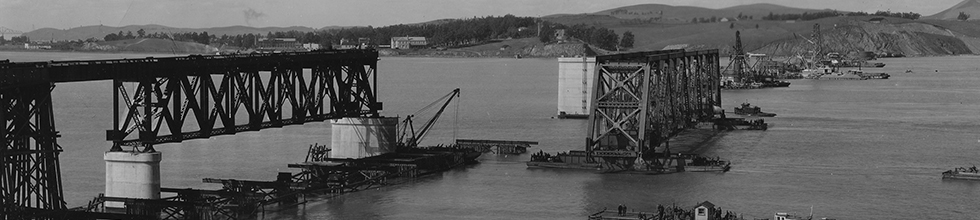
As a Benicia resident for over 15 years and a lover of history, I have taken a strong interest in learning more about my lovely, small city that I am proud to call home. While I have learned a lot about its history over the years, I recently started learning more about the Benicia-Martinez Bridge—which most Benicians simply call the “Benicia Bridge”—but the first thing that everyone should be clear on is that the Benicia-Martinez Bridge actually refers to the three bridges that link Solano and Contra Costa counties together (Benicia and Martinez, respectively) across the Carquinez Strait.
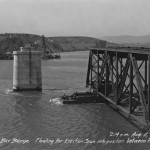
Before I discuss any of the two vehicle bridges, however, I want to give you some history about the oldest of the three bridges: the Union Pacific Railroad Bridge, also called the Benicia-Martinez Rail Drawbridge. Workers started the big cantilever project back in 1928 and finished it in 1930. Workers built this long, 5,620-foot railway bridge using a variety of structural span types—such as trussing, cantilevering, and metal riveting—as a part of the Southern Pacific Railroad (established in 1865). The bridge assisted in not only creating much-needed job opportunities during the wake of the Great Depression, but it also linked the two counties without the need of a train-ferry system.
Before there was a railroad bridge, Benicia had a train ferry called Solano, stationed at the bottom of First Street (the yellow building that is now See’s Candy). Solano would take train cars between Benicia and Port Costa (in service from 1879 to 1930); however, the train bridge’s completion made it much more convenient, as trains no longer had to stop to get on the ferry and experience the whole time-consuming and expensive process of taking the train cars apart.
The Union Pacific Railroad, after merging with the Southern Pacific Railroad in 1996, now owns the Benicia-Martinez Railroad Bridge. Its railway remains as the only train bridge to have tracks cross the bay in California. It is also the second-longest railway on the continent and holds the record for the longest railway bridge west of the Mississippi River.
Today, long freight trains and Amtrak trains frequent the Union Pacific Railroad Bridge (passenger trains include the short-haul Capitol Corridor trains and long-distance trains California Zephyr and Coast Starlight). While Amtrak does not stop in Benicia—something I have always wondered—it passes through, and folks can get an amazing view of the Strait when crossing the bridge this way. Taking a ride on Amtrak is really worth it for this experience alone (I used to really look forward to it while traveling to and from Davis as an undergraduate at UC Davis). Locals can hop on Amtrak at one of its nearby stations, namely in Martinez or Suisun.
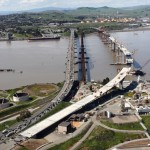
Most know that the train bridge is in the middle of two vehicle bridges that are a part of I-680. The original vehicle bridge (now the I-680 southbound bridge) was built in 1962, formerly named the George Miller Jr. Bridge, and it was not until years later when the new bridge opened in 2007 (the I-680 northbound bridge, formerly named Congressman George Miller Benicia–Martinez Bridge).
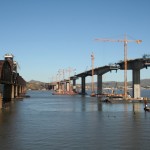
Because, I didn’t know much about the new vehicle bridge’s construction, our very own Robert Briseño (one of the founders of Local Happenings Magazine) pointed me to John V. Robinson, an established author and teacher who wrote the book Building the Benicia-Martinez Bridge (2007), which closely shows his documented construction of the new Benicia-Martinez Bridge (the I-680 northbound bridge) through great images and insights. In addition to Robinson’s book about the new Benicia-Martinez Bridge, he has written a book on the Carquinez Bridge and the Alfred Zampa Memorial Bridge, and was even lucky enough to have met and interviewed the legendary bridge-builder, Alfred Zampa, in 1995.
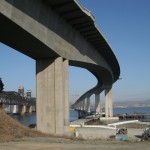
I asked Robinson about the new Benicia vehicle bridge, starting with if he knows why it was constructed with cantilevering underneath the bridge, as opposed to being above it. “The construction of the new Benicia Bridge was very different from the Zampa Bridge or the New Bay Bridge,” he said. “Why Caltrans chose the cast-in-place cantilever design is a good question that I have never heard a good answer for. A suspension bridge, like the Golden Gate or the Zampa Bridge, would have been faster and cheaper, so … who knows what they were thinking?”
Wanting to know more, as one writer to another, I asked Robinson what inspired him to write the book. “Proximity and luck,” he expressed. “They built a bridge here in Crockett, so I started photographing it. Then I met some guys from the Benicia Bridge project and they invited me to photograph that bridge, too. This is in 2003, early on in the construction. After I made my first book, the contractor at Benicia wanted the same for that bridge, so I started researching the bridges around here and produced that book.”
I also asked about Robinson’s views about the new bridge. “The new bridge was expensive and took a long time to complete,” Robinson said, “but the sleek design makes driving across it seem like flying.” If you drive on the new bridge, then you will surely know the feeling.
The California Transportation Journal (2008) elaborates, “The new Interstate 680 crossing of the Carquinez Strait between Contra Costa and Solano counties has numerous advancements over the 1962 version. The incredible complexity of the $1 billion project is hidden in the bridge’s sleek elegance.” The bridge’s sleek road provides a smoother ride with the added benefit of better gas mileage that commuters can especially appreciate. Also, the new bridge has five lanes, all going in one direction—immensely helping traffic flow, while the original vehicle bridge (now I-680 southbound) used to have two-way traffic.
Aside from the $5 bridge toll that remains — which folks can automatically pay with FasTrak to avoid toll lines — the vehicle bridges are great, especially with their new, much-needed 2007 additions that replaced their 1962 predecessors.
One of my favorite additions is the Benicia-Martinez Bridge Vista Point, a little park for picnicking and sightseeing. Vista Point can be easy to miss for newcomers; it’s slightly hidden on hilly terrain within the I-680/I-780 intersection complex on the Benicia side of the Strait (look for the freeway sign). Because of its scenic views of the Benicia-Martinez Bridge, Carquinez Strait, Mothball Fleet (aka the Suisun Bay Reserve Fleet), Mount Diablo, and so forth—Vista Point is definitely worth bringing the family or a date to. Of course, a camera and binoculars are recommended.
However, the best addition, in my opinion, is the pedestrian and bike road—safely fenced to the right of the southbound vehicle bridge—that is accessible off of Park Road in Benicia or Mococo Road in Martinez, though be very careful on Mococo Road because of fast cars, trucks, trains (i.e., bring a friend). I highly recommend experiencing the Benicia-Martinez Bridge outside of a car at least once—which can be included in a long run or bike ride—to really notice the beautiful, panoramic view of Benicia, the Carquinez Bridge, Alfred Memorial Bridge, and the Strait while hearing the soothing train horns that reverberate on the water. As a challenge, try to see if you can spot Port Costa, indicated by the rooftops that are tucked in the green rolling hills that outline Martinez.
To learn more, read John V. Robinson’s Building the Benicia-Martinez Bridge (2007).
Enjoy a ride on Amtrak. Get tickets at amtrak.com.
You can also visit the Caltrans website at dot.ca.gov.



By James Quinn
James Quinn lives in Benicia and teaches at Elmer Cave Language Academy in Vallejo. A UC Davis alumnus in English, he now studies education as part of Touro University’s Master’s in Education program. Along with teaching, he tutors and writes often. He is working on a novel that takes place in Benicia. See his website at mrquinnj.weebly.com.
Drinking in the Good Life.
Domaine Chandon, the world-famous producer of sparkling wine, began in Argentina. However, for nearly 45 years, it has become a pillar in the Napa Valley, attracting hundreds of thousands of visitors to its Yountville tasting center. It was created by two heavyweights in the distilled spirits and champagne industries, respectively: Hennessy and Moët & Chandon, under the leadership of Count Robert-Jean de Vogue. They joined forces to form Domaine Chandon in 1960, opening their first winery in Argentina. Then, the Count met a passionate, up-and-coming businessman named Jon Wright who was looking to make a splash in the California wine industry. He convinced de Vogue to move to the Napa Valley to set up vineyards on Mount Veeder and Carneros. In 1973—more than 200 years after Moët & Chandon was established in Epernay, France—Domaine Chandon officially became the first French-owned sparkling wine producer to set up a venture in the United States. Its owners point out that, “At that time, Napa Valley was relatively unknown as a wine region. The investment of Moët & Chandon captured the world’s attention and changed the course of history for Napa Valley.”
In 1977, four years after its foundation, Domaine Chandon opened up its iconic Yountville tasting center, which offers a pristine view of the Napa Valley. It has remained a powerhouse here since then, and shows no signs of stopping.
“First and foremost, I would say our sparkling wine is really what differentiates us from most wineries in Napa,” Pauline Lhote, Head Winemaker at Chandon said. She later added, “The pioneering spirits of de Vogue and Wright have guided Domaine Chandon through the years.”
Sparkling wines are off the beaten path, even in Napa Valley, but if you’re new to them, don’t fret. Domaine Chandon’s visitor center is tailored to everyone from those new to wine tasting, to the seasoned wine connoisseur.
“Often times, people assume sparkling wine is only to toast to a special occasion, but that’s hardly the case. Chandon pairs brilliantly with a variety of cuisine,” Lhote said. “Take Chandon Rosé, for example. It’s one of my favorite wines to pair with a delicious hamburger.”
The folks at Domaine Chandon make things easy for you. Their website contains an easy-to-use guide with pairing suggestions that allows users to select the food they’re about to eat and receive a recommendation for a varietal of fine wine. There is even a section to enter in your current surroundings—so if you’re in couch potato mode at home, or watching Fourth of July fireworks from a city rooftop, Domaine Chandon has a sparkling wine for you. If you want to give it a shot, go to www.chandon.com/quiz.
They’ve also got cocktail recipes that include Domaine Chandon products, and even recipes for meals that go well with their wines. Like we said, they make it easy for you! Lhote even offered us one of her own pairing secrets.
“Craving something spicy? Try it with Chandon Sweet Star, you won’t be disappointed!” she said.
Lhote, a highly acclaimed winemaker who recently completed her 11th harvest, came to sparkling wine through a background in Champagne. She decided she wanted to be a Champagne producer at a young age, but became a consulting winemaker in 2005, and learned to straddle the fence between the two worlds. In 2006, she signed a three-month contract with Domaine Chandon, came to the Napa Valley, and fell in love with it. She has been here ever since.
The tasting room in Yountville is Domaine Chandon’s only visitor center in the United States, but their sparkling wines are well known worldwide. Including Domaine Chandon California, there are six Domaine Chandon estates around the world: in Argentina, Brazil, India, China, and Australia.
“Each estate combines the French heritage with local character of new world innovations and experiences,” Lhote said. In Domain Chandon California’s case, that “local character” means acres of world-famous vineyards—literally Domaine Chandon’s backyard—which Lhote says gives the winery a big leg up.
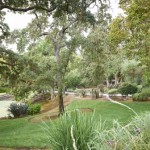
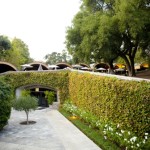
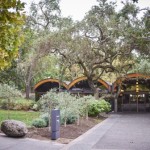
The Yountville location stands out because of its vibrant gardens and its outdoor patio area, which offers a unique and incredible view of the beautiful valley that has become world-renowned for its winemaking.
“We are lucky to be situated right in the heart of the Napa Valley with sprawling lawns for guests to relax and take in the view. Guests can enjoy a tasting, glass or bottle of wine in our tasting room, on our terrace and lawn, or in our lounge and patio,” Lhote said. “We try and create a welcoming environment that encourages people to relax and enjoy our wine.”
The Yountville visiting center offers regular tours of various parts of the winery, and has come up with some other fun experiences as well. They include a so-called “Cocktail 101″ hosted tasting, an amusing and interactive tasting where guests are taught about the history of sparkling wine and cocktails.
In recent years, local winemakers have had to carefully consider how every drop of water on their property is used. Domain Chandon came up with its own conservation program, reducing the use of chemicals, ensuring efficient irrigation, and making it a priority to try and help native species succeed.
Domaine Chandon wines blend the vibrancy of California fruit with the rich winemaking traditions of Moët & Chandon, Lhote said. Its winemakers use techniques that Chandon began developing centuries ago, and age the wines anywhere from one to seven years. The winery offers dozens of varietals that start at around $24 a bottle (or at $7 if you want to purchase a mini bottle), and of course have a range of red, white, and rose still wines as well.
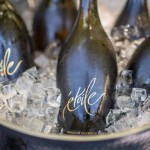
“Our classic tier, accessible on and off premise and at our winery, showcases the freshness and fruitiness of California grapes,” Lhote said. “Our Reserve and vintage tiers, which are exclusive to our winery, use the highest quality fruit and is aged longer for more complexity, reflecting a more traditional style. Our prestige cuvées, such as étoile, personify elegance, finesse and delicacy.”
Domaine Chandon has some great events, and at the time of publication had just wrapped up a summer festival over Memorial Day weekend—Chandon American Summer Fete—that featured local brunch vendors, a live DJ, fun pop-up stations and enough Chandon wine for everyone to taste. They’re currently gearing up for the winery’s annual Lobster & Bubbles event, which is offered for Domaine Chandon club members. Those lucky enough to go will get a first look at the next varietals Chandon has in store for release, Lhote said.
“It’s a fun, family style lobster-feed where we pour some of our latest and favorite releases,” she said.
Anyone who joins Club Chandon will receive six shipments a year at a 20 percent discount. They are sent in February, April, June, August, October and December, and if you order more than three cases, there is a 30 percent discounter. Club members also get access to special areas of the visitor center, a regular Chandon newsletter, and a complimentary glass of still or sparkling wine with every visit. That’s right, if you’re a club member, you and a friend get free wine just for dropping in. What an easy way to make friends!
Club members can choose between a sparkling-plus-still-wine and sparkling wine package. The packages come in 2-3 bottle sizes, and there is only a $5 difference, on average, between the sparkling and sparkling-plus-still packages. The average shipment cost is between $95 and $100. If you want to get wine shipped to your doorstep but don’t want to sign on to Club Chandon, you can order monthly special shipments online. June’s specials include a bottle of Chandon’s 2017 limited edition brut, their vintage 2012 Yountville brut, and their 2012 Vintage Mt. Veeder brut, as well as a 2012 pinot meunier.
Having been here for the better part of a half-century, Domaine Chandon makes sure to set aside money to support local organizations and events in the community each year. If you represent a local nonprofit or have a charity event in mind, email donation requests to donations@chandon.com.
Domaine Chandon California is located at 1 California Drive in Yountville. The tasting room is only closed four times a year: New Year’s Eve, Christmas, Christmas Eve, and Thanksgiving. The rest of the time they are open from 10 a.m. to 5 p.m. daily. Reach them by calling (888) 242-6366 or by emailing clubchandonwine@chandon.com. Like them on Facebook at, facebook.com/chandonusa or follow them on Twitter @ChandonUSA. You can also find Domaine Chandon on Instagram, Pinterest, and Tumblr.


By Nate Gartrell
Nate Gartrell grew up in Benicia, studied journalism in college, and has written for a handful of media outlets since age 15. He aspires to visit all 30 Major League Baseball stadiums and to hit the trifecta at the horse track.

Well, 2017 definitely seems to be chugging along more quickly than 2016 did. Perhaps it’s just because we’re getting older, but doesn’t it seem like time is just zipping by? Maybe the nonstop news cycle of today’s political world is also rushing the year, or maybe the first serious rains for the last few years have made the days seem to slip by more rapidly? However, we do know that the world is not moving any faster, so maybe we just need to slow down and enjoy the days just a bit more so that we can savor them and enjoy them to their fullest. I think we need to schedule more fun breaks so that we can seize the day and not just endure it.
In addition to the world not spinning any faster, we also know that our calendar is filling up even more. We partnered with CitySpark last year to help with redesigning our calendar section and to help bring in more event information from all around the Bay Area and beyond. If you are not using our online calendar, please take the time explore it either at home or on your smartphone so that you can discover all of its features. You can look for an event near you or in a specific city. You can also look for specific types of events near and far from you on a specific day, week, month, or longer period of time. The search feature helps you to find just what you are looking for, faster than before. Of course, we are eager to hear from you, to learn how you like it and how we can make it even better. If you have only used the calendar in our print magazine in the past, you are missing out on thousands of additional events that we do not have the room to print.
It is also the height of the outdoor event season. If you enjoy going outside and seeing a movie, listening to a music concert, shopping at a farmers market or taking in some arts and/or jazz, or attending the Pirate Festival—June and July are your months! Every weekend and many weekday evenings can be filled with one of those endeavors and more if you are so inclined—not to mention things like baseball, the local fairs, or your local 4th of July parades. There is literally too much to do each and every weekend day, and perhaps after a solid two months of events, you might yearn for the slower pace between Halloween and Thanksgiving (or not!). While you may not plan to attend an event every weekend, there is certainly no excuse to not take in a few.
Just a quick plug for our annual Local’s Choice Awards, our voting will be opening up in September, so think about whom you may want to nominate and vote for in each of the categories.
To all of our friends and family that are marking their annual journey around the sun, we say, “Happy birthday!!” Here are but a few of them: our mother, Genevieve, Robert’s daughter Veronica as well as our niece, Danielle, along with Julie, Jim, Lisa, Donna, Christine, Victor, Kyle, Sam, Ken, Maureen, Marc, Faith, Ann, Lynn, Karen, Juan, Jodi, Julie, Gigi, Sherry, Kenny, Jack, Jay, Tom, Matt, Jennifer, Clint, Ken, Phil, Amelia, Tina, Doug, Krystal, Bob, Pippen, and all the rest of our friends, family, and readers—seize your day!
Cheers!
Robert Briseño
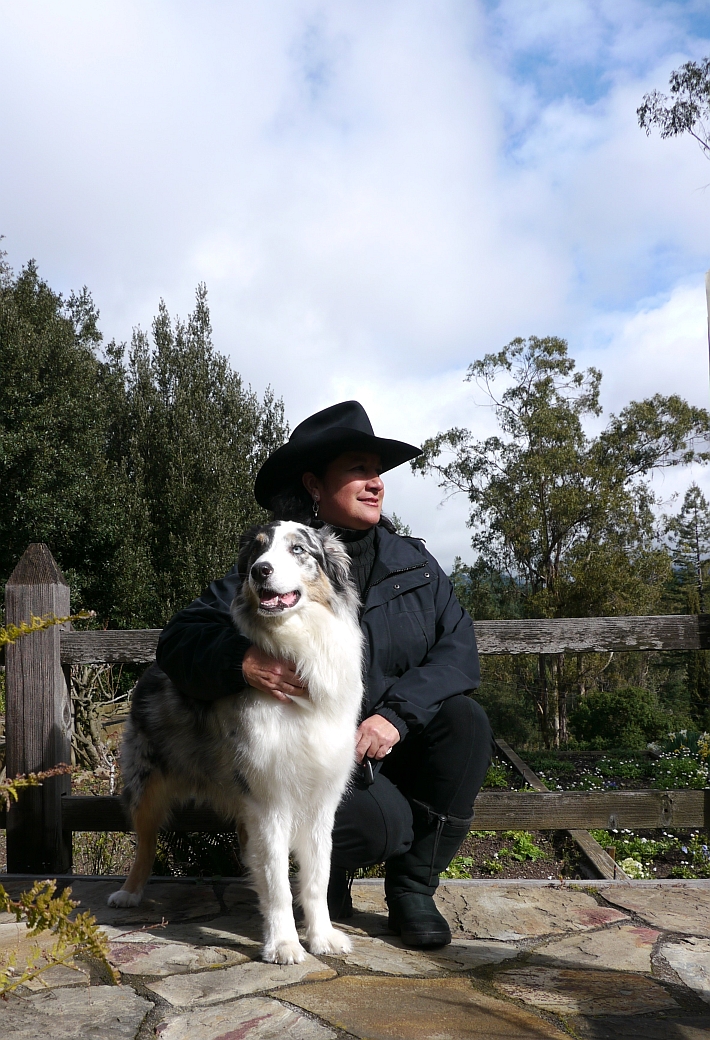
& Deanna Troupe
More than a View
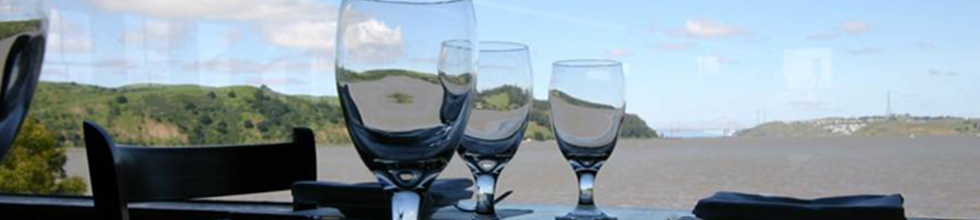
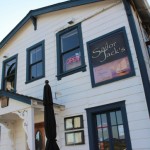
When it comes to dining by the Carquinez Strait, the views don’t get any better than what you can find at Benicia’s Sailor Jack’s restaurant. Sitting inside, guests are almost parallel to the water and can gaze upon the Carquinez Bridge and Alfred Zampa Memorial Bridge out in the distance. While the first floor is closer to the water, Sailor Jack’s’ seating upstairs gives a more panoramic view. Overall, the scenery’s almost enough to distract you from your meal—nothing is quite like it.
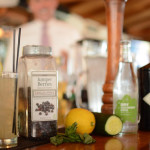
However, even if they shuttered up the windows, Sailor Jack’s would still stay afloat, thanks to its exquisite, ever-evolving offerings. Lead by Head Chef Joel Ramos, Sailor Jack’s features a menu that “is naturally complemented by a carefully curated selection of great wines and signature cocktails also available in our comfortable upstairs bar.” Ramos, a master chef in fresh seafood and many other categories, takes a very hands-on approach. Since joining the team in 2015, Ramos has revamped the interior, added more dining space on the outside, and given the bar a makeover as well. He makes sure Sailor Jack’s’ ingredients are high quality and does the restaurant’s butchering himself. When Local Happenings Magazine visited, Ramos was carefully planning a banquet scheduled on the upstairs dining area that evening.
Sailor Jack’s is located at the end of First Street in Benicia (their address is very easy to remember: 123), in a building that is getting ready to turn 150 next year. Longtime residents may remember Sailor Jack’s predecessor, Captain Blythers, which occupied the building for years. Its original function, fittingly, was the elegant home of a sea captain, and it has worn many hats since then. As Sailor Jack’s owners say, “[Our building] has evolved from a respectable sea captain’s home, to a notorious brothel, to its current use as Sailor Jack’s—a place where scrumptious food, inspired libations, warm, hospitable service, and great times are waiting to be celebrated.”
When the building’s current owners took over they renovated the space to give it a simpler look that helps augment the beautiful waterfront view. Sailor Jack’s also pays tribute to history—not just with its antique furniture and pictures of old scenes at sea—but also with its name: The restaurant is a tribute to Jack London, who was a great American author, adventurer, and sailor.
London, of course, is one of Benicia’s claims to fame. He famously proclaimed: “I would rather be ashes than dust! I would rather than my spark should burn out in a brilliant blaze than it should be stifled by dry-rot … I shall not waste my days in trying to prolong them. I shall use my time.” And he lived his life accordingly, embarking on adventures that made him a legend. He traveled the world, crossed the Pacific Ocean as a sailor, and then again as a war correspondent. He prospected for gold in the Yukon and then pulled from his experiences there to write the timeless novel Call of the Wild, which fittingly is the inspiration behind one of Sailor Jack’s most popular house cocktails (a tequila drink with jalapeño peppers and cucumbers) of the same name. London cheated death many times (almost drowning in the Carquinez Strait), and he once remarked that he was happy that several strokes of luck allowed him to live through his early 20’s, because the next 20 years after that were the best of his life. However, before he achieved fame and glory (writers in his day were akin to rock stars, of course), London’s first taste of adventure came when he decided to briefly become a Benician.
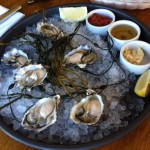
London fell in love with Benicia because of its downtown bar scene and sailed on both sides of the law. He first became an oyster pirate and was then hired on by the California Fish Patrol—ironically—to arrest oyster pirates and illegal fishermen. He recounted embellished versions of these adventures in his collection of short stories, Tales of the Fish Patrol, which centers on Benicia. In it, London describes chasing down illegal fishermen, getting stranded on a sand bar in the waters around the strait, and literally turning the tide on a notorious oyster pirate named “The Centipede.” The book has a special meaning for all locals, and it is an inspiration to the owners of Sailor Jack’s, who note that London introduced himself as “Sailor Jack” when he traveled to Alaska to take part in the Yukon Gold Rush.
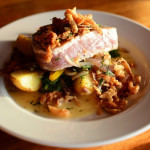
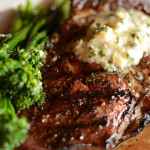
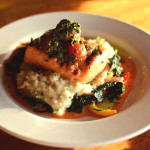
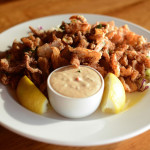
You can’t just visit Sailor Jack’s once to get the full experience. Its menu changes throughout the day and it switches around with the changing seasons as well. However, if you can only go to Sailor Jack’s once, make it on a Saturday or Sunday during the morning, as brunches at Sailor Jack’s are a local favorite. They feature zesty buttermilk pancakes and French toast decorated with berries, both served with warm syrup. For dinner, they have delicious lobster tail, Dungeness crab cake salad, and big Texas (spicy smoked pulled pork topped off with Monterey jack and cheddar cheese and served with crunchy fries). They’ve also got a range of steaks, and a $7 clam chowder. Their garlic fries are first-rate. Sailor Jack’s owners say it’s the: “finest dining experience imaginable amidst the ebb and flow of the tides. As our guest, you are always welcome aboard.”
Sailor Jack’s is located at 123 First Street in Benicia. It is open from 11 a.m. to 9 p.m. on Monday through Thursday, from 9 a.m. to 10 p.m. on Friday and Saturday. On Sunday, it is open from 9 a.m. to 9 p.m.
Brunch and breakfast are served from 9 a.m. to 3 p.m. on weekends, and dinner starts at 5 p.m. seven days a week. Also, Sailor Jack’s has a happy hour that goes from 3 p.m. to 5 p.m., from Monday through Friday.
For additional information, visit them at sailor-jacks.com. Like them on Facebook and get updates on daily specials and deals by visiting: facebook.com/SailorJacks. To schedule a reservation, call (707) 746-8500, or email them at info@sailor-jacks.com or events@sailor-jacks.com.


By Nate Gartrell
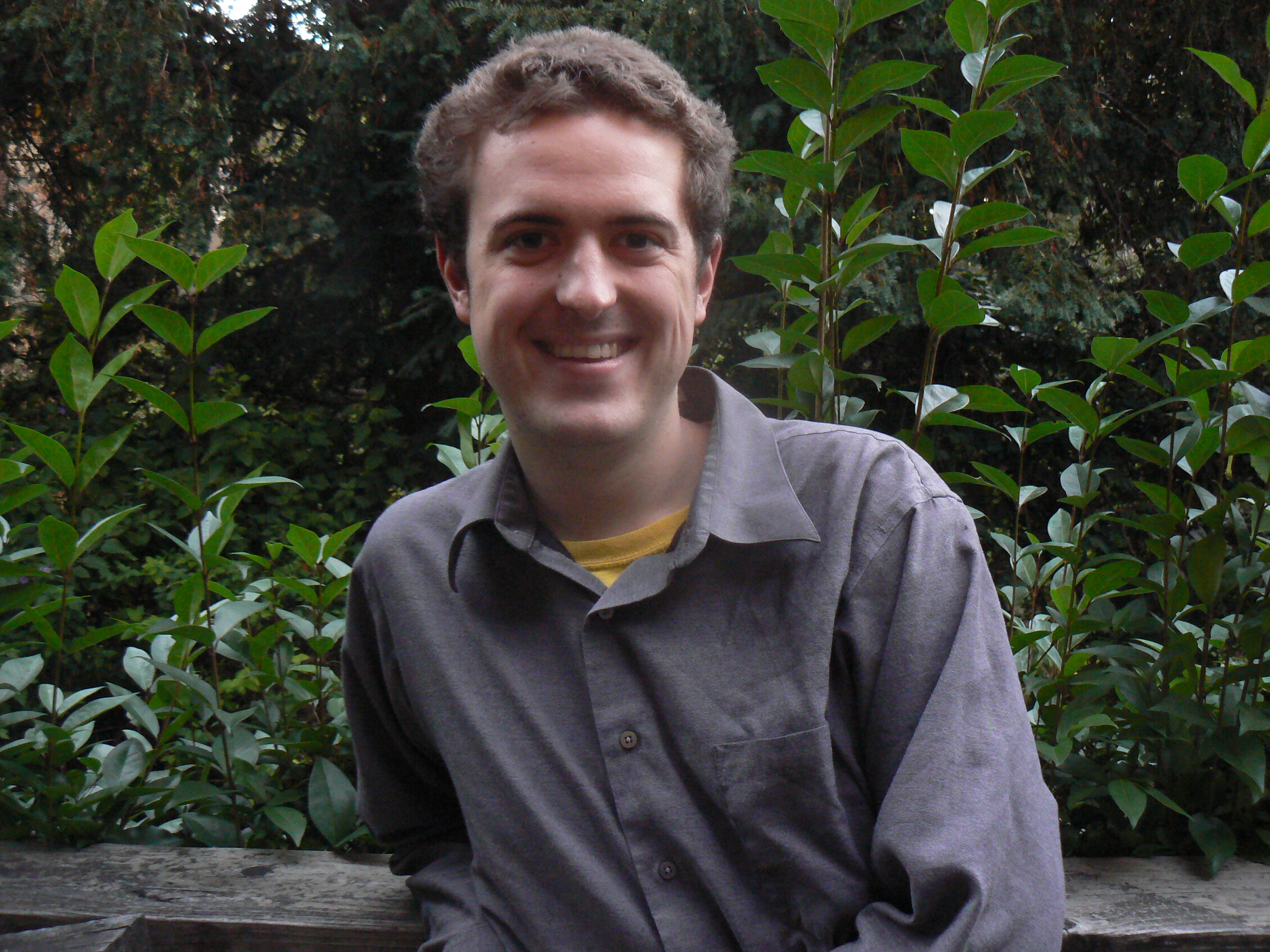
Nate Gartrell grew up in Benicia, studied journalism in college, and has written for a handful of media outlets since age 15. He aspires to visit all 30 Major League Baseball stadiums and to hit the trifecta at the horse track.
A few resources for senior citizens and active individuals over 50
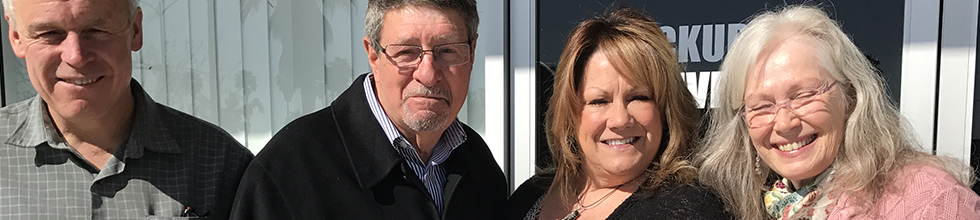
Life is hard. I’m pretty sure we can all agree on that. But it can be even harder if you don’t have the ability to maintain a job or even go to the grocery store because, well, you’re old! Or you’re getting there, anyway, and that’s just how it goes. Fortunately, many of us are lucky enough to have friends and family who can provide care and assistance, but sometimes those needs can be a bit too much; a daily necessity which requires professional help. Here’s a look at some of the unsung heroes in our area who have dedicated themselves to providing assistance for our beloved senior citizens.
Meals on Wheels is a name that rings a bell in every household. They’ve been providing meals in Solano County since 1977 via home delivery or congregate sites. “We provide lunch every day at each city’s senior centers,” said Laurie Hartmann, Executive Director of Meals on Wheels of Solano County. “Those are for our folks that are a little more mobile and can get out and drive. The home delivery is really for the people that can’t drive or cook for themselves.”
Home delivery is what truly sets Meals on Wheels apart from the rest, and it’s exactly what it sounds like—Meals on Wheels will drive to the home of a senior in need, knock on their door, and deliver 1/3 of their daily nutrition with a friendly handoff. For some of these recipients, this moment is the highlight of their day. Hartmann tells us of a veteran who left his driver a voicemail that said, “Every day when you tell me I’ll see you tomorrow, that’s a reason for me to get up, because I know I’m going to see you.” Not every senior citizen has friends or family that they talk to every day. “It’s more than a meal that we’re giving them,” Hartmann adds. “We’re giving them friendship.”
All the meals provided are free, and they have over 100 volunteers in Solano County alone. They do have a staff that handles the administrative side of things—such as intake coordinators who go out to meet with people who want to start up a new service, making sure that they meet the qualifications. These coordinators also touch base with their clients once a quarter, alternating between seeing them in person and talking to them over the phone. They ask if there’s any health changes they should be aware of, if they’re in need of other resources, and just make sure everything’s okay in general.
Another truly wonderful facet of Meals on Wheels is that they provide a sense of security for not just the client, but for the client’s family as well. “They need to answer the door to get the food, so we know they’re okay,” said Hartmann. “If they don’t answer the door our drivers are calling the office immediately and then we’re calling their emergency contact numbers.” They have gone out to find people were deceased, or had fallen and nobody knew, so while the drivers for Meals on Wheels aren’t necessarily here to check up on their clients, they are indeed providing a sense of security by default.
While the meals are certainly free, donations are indeed accepted. “If they want to make a contribution they can, and we have many that do, but it isn’t required. They’ll get it no matter what,” said Hartmann. Funding is always a concern for organizations like Meals on Wheels, which go out of their way to do wonderful things for others simply for the sake of doing it. So if you have the means to donate or volunteer your time, please do. You can call them at (707) 425-0638 or visit their website at mealsonwheelssolano.org.
Occasionally, Meals on Wheels of America has mini grants available, and Meals on Wheels of Solano County just applied for one that would allow them to also provide pet food and medical care for some of their clients’ pets. It’s a small amount, only $2,500, so they’ll only be able to address those that are most in need, but it’s still something they hope to add to their services. “We know that if seniors don’t have money for food, they don’t have money to feed their pets either, or a means to get the food if they can’t get out,” said Hartmann. Still, Meals on Wheels goes every extra mile they can. “I think every driver has dog bones or cat treats in their car,” she adds. “We want to help the seniors more holistically if we can.”
One likeminded organization that utilizes Meals on Wheels is the Florence Douglas Center in Vallejo. It’s, “a positive place to relax, recharge, and reconnect for those 50+.” Meals on Wheels serves lunch here Monday-Friday from 11:45-1:00; keep in mind you must be signed up ahead of time, as it’s not open to just anyone! Seating begins at 11:30 a.m.
The Florence Douglas Center is all about promoting healthy, active living for people over 50 years young. “We are an activity center, not a live-in facility,” said Peter Wilson, Executive Director. “We are the only center for 50+ in Vallejo, and our activities encourage powerful aging.”
Such activities include traveling to Cache Creek Casino on August 8th, attending Santa Cruz Follies on September 15th, and even visiting Yosemite in October! Locally onsite, guests are invited to participate in a multitude of activities. Wednesdays are the big arts and crafts days. Guests are invited to participate in a wide range of classes which include crocheting, embroidery, knitting, quilling, quilting, woodcarving, and, if the time is right, pumpkin carving!
They offer plenty of exercise classes throughout the week as well with prices ranging from $3 per class to $15 per month, depending on what you choose. Such classes include Jazzercise Lite, International Line Dancing, Tai Chi, Yoga, and Zumba Gold. Other fun group activities include a wide variety of games like Canasta, Mahjong, puzzle tables, Nintendo Wii games, and more. You can also pay your dues to join one of their clubs with such niche groupings as Clown Connection, Napa-Solano Audobon Society, the Coin Club, Piecemakers Quilting, and, yes, more.
“Becoming involved in the activities at the center builds a support network as you begin to retire or relocate,” said Wilson. “If a person is close to retiring, is retired, or has lost a spouse, and is looking for a place to go to connect and stay active—the Florence Douglas Center can be that place.” If you know someone who could benefit from such a place, you can gift them a membership, and even go to the Center with them and participate in the activities yourself to help them acclimate to the new environment.
The times, they are a changin’, and the Florence Douglas Center is keeping right up! They offer a computer lab and iPad/iPhone classes to keep their participants current with technology, so if you have an older loved one who has asked you the same tech question maybe one too many times, this could be the solution you’ve been looking for.
Located at 333 Amador Street in Vallejo, if you live close enough to this facility and are someone, or know someone, who should get involved, might as well give it a shot! At such a low expense, you really have nothing to lose. You can call the Florence Douglas Center at (707) 643-1044 or visit their website at florencedouglasseniorcenter.org. If you don’t know how to visit that website, and you’re over 50 years old, please, call them ASAP and schedule a computer lab class!
There’s a smorgasbord of organizations out there that have dedicated themselves to doing good work in the community by offering assistance to our senior citizens. We wish we had space to list them all! Well, we could probably do that, but then you’d know nothing about them! So you know Meals on Wheels and the Florence Douglas Center pretty well by now (if that’s true … thanks for reading!), Faith in Action is another organization to whom we’d like to give an honorable mention.
Faith in Action is comprised of interfaith volunteer caregivers dedicated to providing non-acute, non-medical support services to homebound seniors. They do this either by linking them up with available resources, or matching them with trained volunteers. They’re all about improving quality of life for those individuals in need, and hope to help those receiving their care to remain independent, in their homes, and connected to their community. For more information call them at (707) 425-6164 or visit faithinactionsolano.org. They have offices in both Fairfield and Vacaville.
Meals on Wheels can also be found roaming around the counties of Napa (www.canv.org) and Contra Costa (www.mealsonwheelsofcontracosta.org) as well. Now that you’re perhaps a bit more aware that such senior care programs exist, there may be some pretty amazing resources right next door that could possibly change your life for the better! So look around, reach out to your community, and just get involved, get out there, and live life.
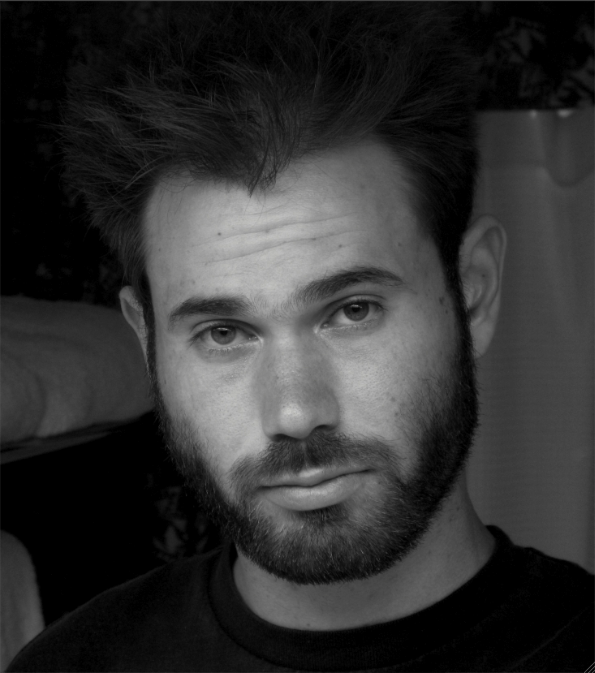
By Matt Larson
Larson is an actor/comedian/director from Vallejo who lives a double life between the Bay and LA. When he’s not writing for Local Happenings Magazine he could be editing a short film or working on his next rap album—who knows! Keep up with all things Larson at
www.MarsLegstrong.com.