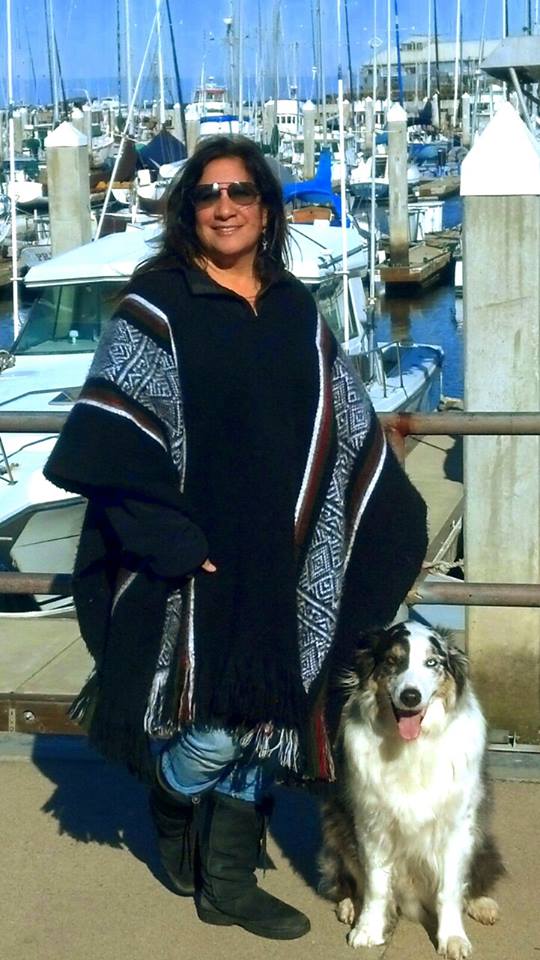
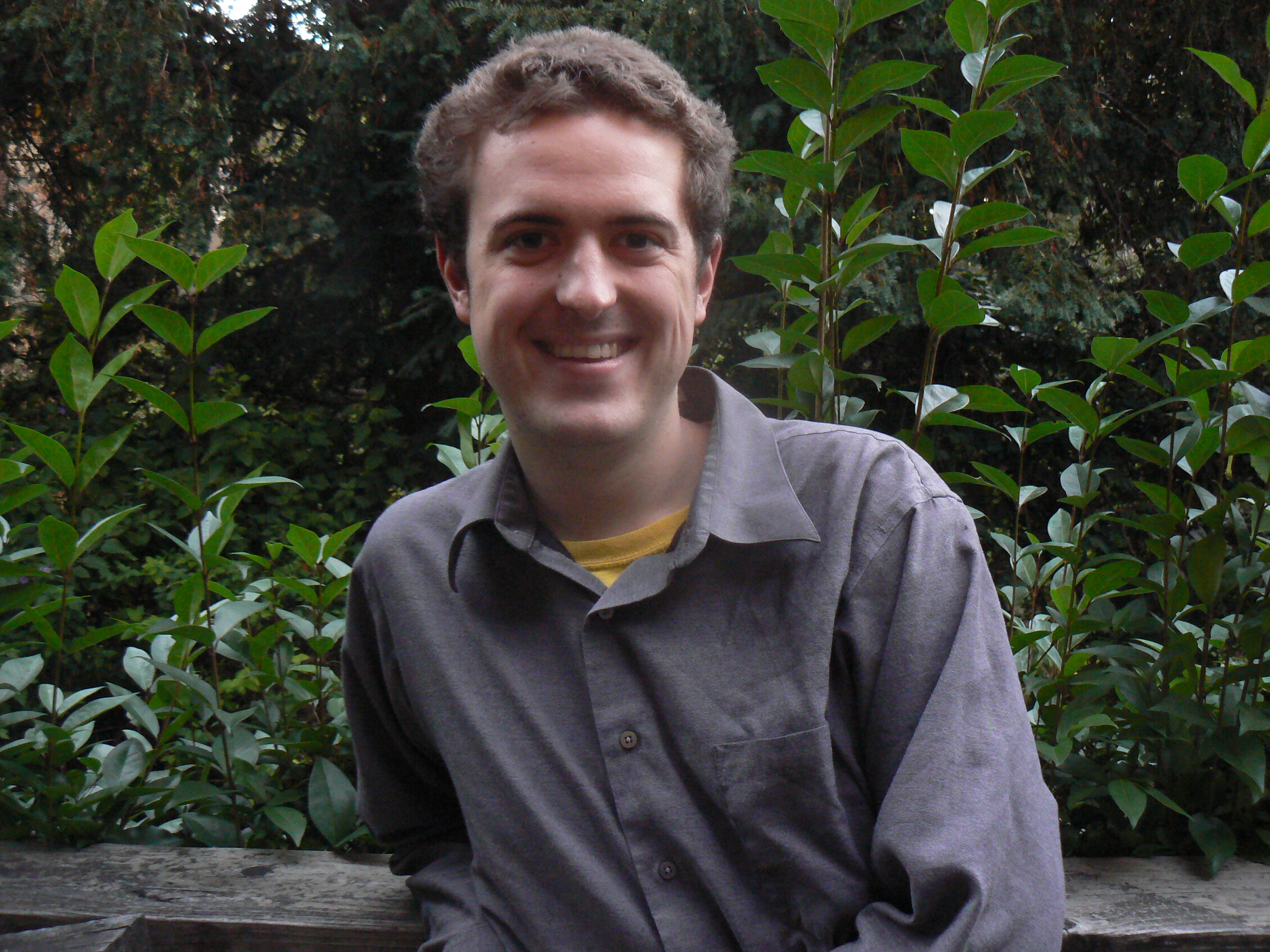
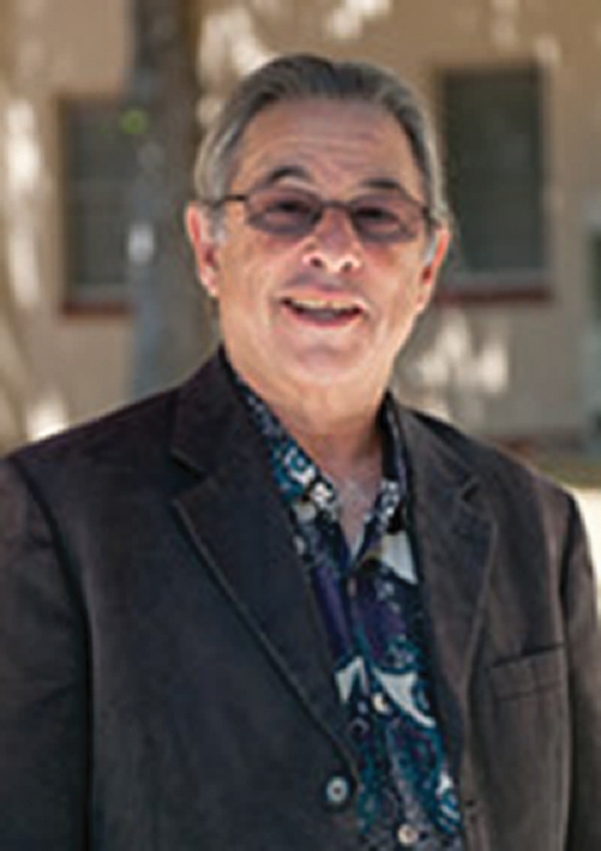
Delve into the philosophy and expertise of Farmers Insurance Agent Samuel L. Thompson
Insurance is a powerful thing. It can, quite literally, save your life, and without it you could lose everything. The scariest part of all of it, though, is a good 99% of us have no idea what it is, how it works, and how much of what kind of it we need for this, that and those other things.
“Every day I run across people that don’t understand it,” said Samuel L. Thompson, California License #0502825 and owner of Farmers Insurance: Samuel Thompson in Benicia. “It’s very seldom I meet people that are accurately insured.” Once he came across a couple who lived in a $2 million home and had a liability policy that only covered $100-300k. “Could you imagine if you backed into somebody and hurt somebody and were underinsured $1.7 million?” Thompson asked them. “You need an umbrella policy to protect your $2 million investment!”
At 40 years in the game, having gotten his insurance license in 1975, Thompson has quite literally seen it all, and he’s had enough experience to be an expert on most all of it as well including insurance policies for homeowners, auto, life, business, campers, trailers, motorcycle, renters, the whole gamut, really.
So, with so many things to consider, what’s the most commonly overlooked insurance policy? According to Thompson, it’s renter’s insurance. Most arguments against it, naturally, are that it’s expensive. “Great answer!” would be Thompson’s reply. Then he’ll ask you: “How do you define expensive?” For most of us, any price at all would suffice as “too expensive” as we’re worried enough as is just covering our month-to-month. Thompson explains that if someone called you right now and said your apartment’s on fire, Red Cross might put you up in a hotel for maybe 3 nights, or maybe even a week … probably not much more than that. Then you’ll have to pay for a hotel out of pocket for who knows how long costing close to a thousand bucks a week…
“It’s not expensive at all once you understand,” he says, and advises: “Loss of Use is the most important feature on a renter’s or homeowner’s policy—yes your personal things are important, yes liability’s important, but where are you going to live if you have a major fire or water damage to your property and you can’t live there? Your landlord can’t charge you for a place you can’t occupy, but—you’re homeless.”
This is just one example of Thompson’s expertise. Everyone has their own personalized set of insurance needs, which is why Thompson makes a point to meet with his clients and really get to know them on a personal level. “I don’t tell people I’m in the insurance business,” Thompson boasts. “I tell them I’m in the people business, because it’s not about the insurance, it’s not about the real estate or whatever—you’re dealing with people.”
Thompson has consistently focused on his local community throughout his entire career. He started as an insurance agent in 1975, then went on to become a loan agent for most every major bank in San Francisco and the East Bay, and also became the coordinator for the City of Hayward’s first-time homebuyer program. Over the years he’s become involved with numerous nonprofit organizations and community groups, and throughout all of it he’s made sure that insurance was part of the conversation.
“There was always an interest to make sure people’s values are protected,” said Thompson. Especially as a coordinator for first-time homeowners when he’d conduct workshops and presentations all over the Bay Area. “Although I wasn’t doing it as far as an actual licensed agent (despite being one anyway) I still made sure people understood it, and brought agents in to make sure they did get their proper limits when they became homeowners; I never really left the industry at all,” he said. And that’s because of his concerns for the people. “I want people who work for something to be able to keep it. I find people that have policies and don’t understand what they have, or they have it but they’re underinsured, and that’s scary.”
Ultimately destined to be where he is today, Thompson has owned his Farmers Insurance branch in Benicia for the last five and a half years. Having grown up in San Francisco and now a Vallejo resident, with his business in Benicia, Thompson is involved with the Solano Black Chamber, the Vallejo Chamber, is a minister at the Cavalry Baptist Church and Fairfield, and is also part of a meet-up group called The Best of Solano County – Go Getters! “We meet every Monday morning in Benicia,” he said. “We have about 35-40 people on average; business owners come in there and I help them grow their business.” Really, it’s all about giving back to the community.
When deciding where to go for insurance, it’s not the company you should look at, but the agent. “There’s not a bad insurance company out there, it’s about the agent that’s serving you,” he said. So what sets him apart? “I’ll come to you. I’ll meet you at Starbucks, Jamba Juice, at your home or office, up to 8 o’ clock at night on any given day of the week—we build a personal relationship. That’s the difference.” It also helps to be passionate. “I love what I do,” he said. “It’s not work, it’s a joy. It’s a joy to serve and give back.”
Your home, your car, your life, your business—everything needs insurance and in most cases it’s required by law. But what if nothing happens and you spent all that money for nothing? Well, it wasn’t for nothing. Rest easy knowing that you’re protected if something does happen, and choose to believe that your payments are possibly going toward helping someone else who is unexpectedly in need. Think of it as a communal means of security, yay?
If you have any questions at all about your current insurance setup, Thompson is happy to offer a free consultation. He hardly advertises as 99% of his business is referral based, but he supports us here at Local Happenings Magazine, so we’re happy to support him just the same. Call him directly at (707) 853-5800 or (707) 751-3800, email at sthompson1@farmersagent.com or visit www.farmersagent.com/sthompson1.
 Matt Larson is a writer/actor/comedian native to Vallejo who travels back and forth from Los Angeles way too much. He’s desperate for attention and urges you to follow him on all social medias @MarsLegstrong. He lives for likes, please keep him healthy.
Merry Christmas, Happy Holidays, Happy Hanukkah or however you feel most comfortable expressing a greeting during this time of year. How you bid someone well is not as important as simply doing so. We think that that is the spirit of the season, regardless of how you observe it, and that it is more important than ever to remember the season. There has been so much unrest in the world and in the country that many of us are unsure how safe it is to venture forth from our front doors. We would encourage you all to go out and enjoy the season because, in our opinion, that is the best way to defeat terrorists and any terror organizations both here and abroad. Terrorists want us to stop doing what we are doing and we must resist that urge to close ourselves off from our communities and our traditions. Now is the time to go out and not let them dictate how we are going to act or think. Enjoy the season, however that may be for you, the people and the things that make it special for you. We hope that we can help connect you with some of those “happenings” and to help you discover new traditions to enjoy.
The issue starts and stops two things for us. Our voting for the 2016 Local’s Choice Awards has concluded and now we will begin the arduous task of tallying all of your votes so that we can discover our new winners! Stay tuned for the winners in our February/March edition. This issue also kicks off our 7th year in production. We are grateful for the opportunity to bring you this publication/website and we hope that it has helped you discover more things in your backyard as it has for us. The only sadness it has brought to our lives has been the realization that, “yes, there is not enough time in our days to do all that we want to!” It is our sincerest hope that you also feel the same way when you turn the pages of our magazine each issue.
This issue will also usher us into 2016—shouldn’t we have flying cars by now? After all, the movie Blade Runner was set in the not-too-distant 2019 (yes, you read that correctly)! Well, even though we don’t have flying cars or robots like they do in the movies we are still excited about what the New Year will hold for us. We are sure that there will still be lots of great things to do all around us and we will be working as hard as ever to discover new ones that have not crossed our path yet. Our pages here, as well as our website (which has oodles more to see), are full of events for you to learn about and explore.
As always we wish to extend birthday greetings to our family and friends. We will open with our brother-in-law Ken as well as Steven M., Marla, Rod, Joanne, Tony, Jill Rob, Michael, Jose, Bobby, Rosemarie, Vrej, Vijay, Pancho, Margaret, Stacey, Gary, Momma Hand, Monique, Connie, Lucy, Kathleen, Leslie, Jim, Elissa, Ginger, Bonnie, Linda, Bobbie, Gregory B., Sid, John, Rick, Stephanie, Roman, John, Adrianna, Peggy, Samantha, and Steve, and to any and all who we might have missed, we are thinking of you as well!
Cheers to the Holidays and to the New Year!
 Robert Briseño
 & Deanna Baillie
The year’s end is here again and the holidays are upon us once more. Christmas, Hanukkah and Kwanzaa are but a few celebrations in the month but December is also the winter solstice. Man has been marking the first day of winter (the point when the days’ start getting longer, not shorter) long before the birth of Jesus and even before the events that led to the Festival of Lights in the Jewish religion. Many other events have sprung up as well such as Newtonmas (for Atheists) and Festivus (for the rest of us) so that everyone, regardless of religion, can celebrate something this month, which is not a bad thing! Whatever you happen to celebrate, it is great that you are celebrating and spending time with your family and/or friends. We think it’s an excellent time to raise your glass in cheer and to savor why we are alive—something that we should do throughout the year as well.
Christmas, as we know it today, marks the day of Jesus’ birth, but the rest of the reasons for the traditions of the holiday have been lost by many. Christmas trees, for example, were a German tradition that didn’t really make its way to our shores until the 1830’s. I think many would be surprised to learn that the early Puritans in New England thought of things like Christmas carols and decorated trees as a mockery of a very sacred event. People were fined for even hanging decorations at that time. It wasn’t until the mid- to late-19th century when the practice of decorated trees even gained popular acceptance here, not even 200 years ago.
The term Yuletide, or Yule, is more Germanic or Norse in origin, and it’s actually more closely related to paganism than Christianity. While there was, in fact, a Saint Nicholas, a Greek Christian bishop from Myra who famously gave presents, many of us would not recognize him as the Santa Clause we know today. The Santa we know is seemingly closely tied to Germanic Yule traditions and legends than Christianity. The figure we recognize today was more a figment of the advertising staff of the Coca-Cola Company in the 1930’s, and then from traditional texts and legends. Mistletoe was used by Druid priests for what they felt was its magical properties, in their winter celebrations hundreds of years before the birth of Christ as well. Poinsettias are actually native to Mexico and South America and their red ‘flowers’ are really leaves of the plant. Its association with Christmas began in the 16th century with a story of a young girl too poor to bring a Christmas offering to church. Candy canes and Christmas cards also did not appear until the mid-19th century.
Hanukkah is a much older celebration which marks the successful Jewish (second century B.C.) Maccabean revolt for religious freedom and their rededication of their Holy temple afterwards. The Festival of Lights, as it is also known, begins on the 25th day of Kislev (which is the ninth month on the Hebrew calendar) and that date may fall from late November to Late December on our Gregorian calendar. The celebration last for 8 days because after the original revolt they could only find one small jug of oil that was uncontaminated, expected to be only enough to light their sacred lamp of the temple for one day. Miraculously, the oil sustained the lamp for 8 days, until more could be secured. The menorah and the festival today represent those 8 days the lamp burned.
Kwanzaa, which is celebrated from December 26 to January 1, is a California creation from the mid 1960’s. Maulana Karenga, a professor at Cal State Long Beach at the time, is credited with its creation to celebrate and remember the African-American culture. It is also marked with gift giving and a traditional feast much as Christmas is. While originally created as an alternative to Christmas, many now celebrate both.
Sir Isaac Newton’s birthday is on December 25th as well, albeit on the Julian Calendar. Atheists invoke this man of science’s name when they created Newtonmas (also celebrated on December 25) to give them an alternate to Christmas. We think they just wanted to get in on party without feeling they were supportive of religion.
Those fans of Seinfeld will also recognize Festivus: “A Festivus for the rest of us!” This was a tradition created by the family of one of the show’s writers, and entered popular culture via the show. It has now caught on more as a parody of the commercialism of Christmas but how can you not like an event that features both feats of strength AND the airing of grievances?!
Many other nationalities and religions celebrate holy days and festivals during the month of December. We would encourage you to do the same. Embrace the traditions of your family or friends or create new ones to celebrate. We at Local Happenings are big fans of both family and friends and they play a significant part in our lives. We would hope that all of you have someone, or a group of someone’s, consisting of family and friends that you gather together with to celebrate … something. The point of this little story is not to tell you what to celebrate but to show you that men and women have been celebrating for thousands of years in the month we now know as December, and those celebrations and traditions have changed over time to be what they are today. Enjoy the month with your celebration of choice. Cheers!
 Robert Briseño – Likes to celebrate Christmas and all the holidays with his wife, his three wonderful children and as many of his family & friends as possible and hopes that he will be able to do so for decades to come.
A Journey in Flavor at the Jelly Belly Factory
When a team of top-secret jellybean technicians came up with the idea for Jelly Belly’s “Dirt” flavor, it was intended mostly as a gimmick; just another quirky taste to go with the company’s Bertie Bott’s Every Flavour Beans line, inspired by the Harry Potter series. But the company soon learned that the flavor managed to attract a cult following within a specific group of people: wine connoisseurs.
“They say it will give you that earthy taste that can help bring out some of the mineral or earthy flavors in a wine,” said Jelly Belly’s Vice President of Retail Operations John Jamison. “Not necessarily that it pairs well; it’s more about learning about wine and learning how to taste wine.”
But lately, Jelly Belly has started offering a little more for wine enthusiasts at their Fairfield factory, located just off of Interstate 80. The company has recently unveiled a wine and chocolate experience, available everyday from 11 a.m. to 4 p.m. The wine and chocolate experience features pairings of in-house chocolate made by Jelly Belly, along with local Suisun Valley wines. Jelly Belly’s Fairfield factory was constructed 30 years ago, and the company reportedly wanted to remind folks that Napa residents aren’t the only masters of winemaking in the region.
“We have seen that we get a lot of our guests visiting the region because of Napa,” Jamison said. “We thought it was a great opportunity to take some of the delicious chocolates that we make and pair them up with some of the great wine in our area. We love the opportunity to promote local.”
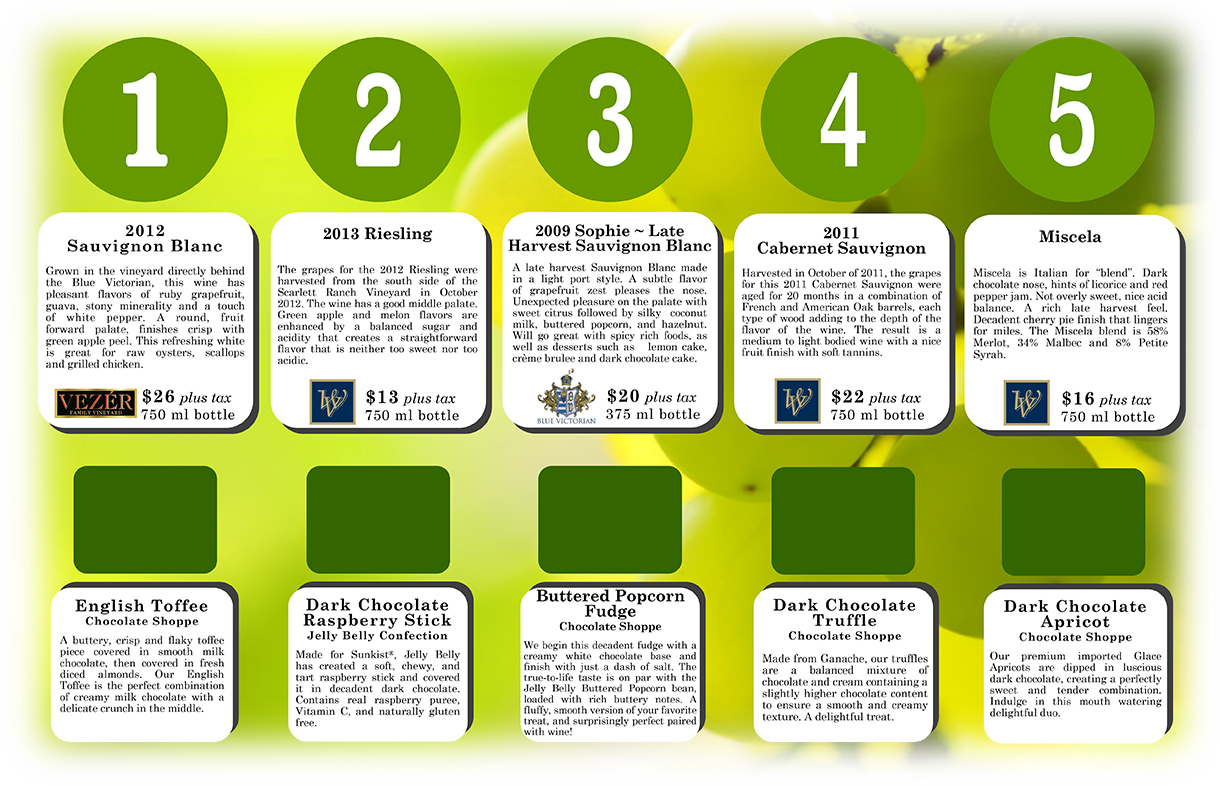
Anyone who signs up for this experience gets to taste five pairings of one-ounce wine tastings and chocolates, along with a Jelly Belly logo wine glass, all for $15. The decision to use chocolate was made because, interestingly enough, jellybeans tend to not go together as well with wine.
In order to learn more about what’s currently being featured in the wine and chocolate experience, visit Jelly Belly’s website where you can also find a list of pairings with a brief synopsis of each variety of wine and line of chocolate, which includes pairing suggestions (see bottom of this article for a link). Since the wine and chocolate experience was opened up to the public, Jamison said the response has far exceeded expectations.
“Obviously, people may want to try it more around the holiday times, and we sell bottles of wine for people to buy as gifts, but this is an everyday thing; we’re doing it year-round,” Jamison said.
But Jelly Belly does have some events that are just special to the holiday season. First off, on the heels of the publication of this magazine was the company’s 16th annual tree lighting and holiday parade, which featured live music, floats and, of course, a gigantic Christmas tree. The folks at Jelly Belly also hold an annual Chanukah celebration, as this year’s was on Dec. 9.
After that, starting on Dec. 12, the company is offering anyone the chance to come by and have their photo taken with Santa Claus, every day through Christmas Eve.
“We certainly like to give back to the community, and you’ve got to have fun at a candy store, right?” Jamison said. “Having these events is just a small way for us to give back to the community. We do events throughout the course of the year, whether it’s celebrating the holiday season, or our Easter events, or our Candy Palooza celebration in September.”
There are no New Year’s events planned at the factory (which is closed on Christmas and New Years), but the company has recently released a champagne-flavor jellybean in time for the New Year. Jelly Belly also has a draft beer flavor available and just so there’s no confusion, both are completely non-alcoholic.
“What a great way to celebrate the New Year, with some champagne-flavor Jelly Belly beans,” Jamison said.
The company’s wine and chocolate experience might be new, but its visitor center has been around for decades, and continues to offer factory tours, a café with jelly bean-shaped hamburgers and pizza, and a sample bar seven days a week.
The company’s factory tours, which are totally free of charge, offer an in-depth look into the creation of jellybeans, all the way down to when they’re packaged up and shipped off. The tours are roughly 45 minutes long, and in order to take one you simply have to walk into Jelly Belly’s Fairfield visitor center and get in the tour line. Along the way, you’ll probably notice a bunch of art pieces that are unique to the factory: the Jelly Belly mosaics.
The mosaics on display are mostly portraits of famous Americans depicted on a wide range of huge canvases featuring vibrant colors constructed entirely by an assortment of Jelly Belly jellybeans. As you can imagine, the creative process for these is a painstaking task, but the end result is quite impressive. Some notable creations include an original portrait of Elvis Presley, among the first jellybean mosaics in history, and a portrait of President Ronald Reagan, who popularized Jelly Belly beans during his tenure as governor of California (in response, the company invented the blueberry flavor with Reagan in mind, in order to hand out jars of red, white, and blue jelly beans during his inauguration).
In a typical tour, you’ll follow your guide through a raised hallway above the manufacturing areas of the Jelly Belly factory, giving you a bird’s eye view of the various stages of the process. Along the way, your guide will show various videos about the factory’s history and explain how Jelly Belly jelly beans are made.
Each stage of the tour varies in its intensity. In the early stages, you might see some cool looking robots that pick up bunches of packaged jellybeans and dump them in boxes, or rainbows of various jellybean colors being funneled down a ramp into a bagging machine right beneath your feet.
When you get to the flavoring stage where the flavor is applied to the beans en masse, that’s when the real experience begins. You’ll know when you get to that room, because your senses will be instantly consumed by whatever flavor the folks at Jelly Belly happen to be making that day. Nine times out of ten, this will be a sweet smell of some sort and it will engulf you to the point that you’ll almost be able to taste it.
At the end of the tour, you get a sample bag of jellybeans to take home, and they don’t short you at all. It’s an ample size, bigger than fun-size candy, and much more substantial than you’d expect from a free sample. They also let you sample jellybeans at their various stages of creation, before the entire process is finished, to give you a sense of how many layers of flavors goes into each bean.
Local Happenings recently got a chance to tour the factory in Fairfield, and when we did, we got lucky. The flavor of the day was “juicy pear,” not one of the Bertie Bott’s-esque flavors like “skunk spray” or “rotten eggs” or “stinky socks.”
And why, might you ask, would a company produce flavors like “stinky socks” or “canned dog food”? Well, it’s because Jelly Belly has released a game, called Bean Boozled, which is basically a version of two-person Russian roulette applied to jellybeans. How it works is simple: Bean Boozled is essentially a box of jellybeans containing pairs of identical-looking Jelly Belly beans. Each of the identical pairs contains one normal flavor, like “berry blue,” or “peach,” and one off-base flavor, like “barf,” or “toothpaste,” or “moldy cheese.” Each player must select a bean, stick in their mouth, bite down and hope for the best.
With Jelly Belly’s (very) diverse range of flavors, what’s next for the company that doesn’t seem to have any limits? We grilled Jamison on that subject, but he wasn’t talkin’.
“You know, those are very well-guarded secrets,” Jamison said. “We’ll have to hold off until we’re ready to release them, and until that point, we’re going to try and keep it under lock and key. But in the meantime, we hope folks keep coming back and checking out what we’ve got to offer them.”
The Jelly Belly factory and visitor center is located at 1 Jelly Belly Lane in Fairfield, CA, just off of Interstate 80, and not too far from the Budweiser factory, which also offers tours. For more information on Jelly Belly’s various experiences and events, visit www.jellybelly.com or call 1-800-953-5592.
Also, for a list of wine and chocolate pairings, go to: www.jellybelly.com/resources/images/visit-us/wine_pairing_dec_2014.jpg
 Nate Gartrell grew up in Benicia, studied journalism in college, and has written for a handful of media outlets since age 15. He aspires to visit all 30 Major League Baseball stadiums and to hit the trifecta at the horse track.
The Land Trust of Napa County has been protecting local lands for nearly 40 years
Ah, the great outdoors. They sure look nice from a distance. In fact, that’s how most of us enjoy the outdoors—from afar, usually while driving, especially in these cold winter months. But the Land Trust of Napa County, a community-based nonprofit organization, offers outdoor excursions all throughout the year, including right now! Sure it’s a little colder out, but it’s not unbearable. As long as jackets exist, you should make sure to get out of the house and into the nature regardless of the season.
If you’re not sure where to go, as the Land Trust is currently protecting 55,000 acres of land (which is quite literally 10% of Napa County) the Archer Taylor Preserve is probably the best first impression for both the novice and expert hiker. It’s a permanently protected, 380-acre wildlife habitat containing a century-old redwood forest and over 240 recorded species of native plants. You may also encounter foxes, mountain lion, red-tailed hawks, pygmy owls, bugs probably, bears possibly but unlikely, friends and family if they came with you, and a whole lot more.
Archer Taylor Preserve offers something for everyone, from someone who wants to take a leisurely stroll with an amazing view to someone who wants to go on a strenuous hike with an equally amazing view. You’ll find that almost all of the hikes offered by the Land Trust has both relaxing and physically demanding hiking options.
There are numerous field trips and hikes scheduled throughout December, January and February. Registration is required but you’ll find the admission prices to be quite affordable. Certain events are for members only, which you can become yourself for a small fee of $40 per year. Every Saturday you can register to attend Archer Taylor Preserve Work Days, offering opportunities to volunteer in helping to work on new and existing trails, invasive plants, road maintenance, ya know, all that good stuff. Tools and gloves are provided and then when it concludes at noon:30 you’re invited to hike in the afternoon! Just one of many, many options.
Other trips include a journey to the headwaters of Conn Creek through shady forests and over streams to encounter the beautiful waterfall at Linda Falls; a strenuous 14.5-mile hike up 3,000 ft. in elevation to arrive at the summit of Berryessa Peak, overlooking Lake Berryessa and beyond; an easy 4-mile jaunt through vineyards, old-growth trees and meadows on Henry Road … there’s a lot to choose from. Some of these events are already sold out so plan ahead if you’d like to encounter Napa Valley just like so many generations before us have done, as these lands have been preserved by the Land Trust for nearly 40 years.
“We are permanently protecting the character of Napa by keeping it beautiful,” said Kimberly Barrett, Development Manager for the Land Trust of Napa County. “We’re protecting agricultural lands, scenic views, watershed and biodiversity—we protect the Bell Canyon watershed which provides all of the drinking water for St. Helena, the beautiful drive up and down Highway 29 when tourists or residents can see all of those mountainous regions on either side that are undeveloped—that’s the work that we do.” By simply being within the limits of Napa Valley and looking around, you’re impacted by the generous work of the Land Trust.
Of course the Land Trust isn’t in this alone, as it works with private landowners, state and public agencies to protect the land, but they’re the ones coordinating everything and making sure all goes according to the preservation plan. The 55,000 acres they protect are a result of nearly 200 projects including 136 conservation agreements donated by more than 90 property owners, 18 properties transferred to resource agencies, 24 properties protected through ownership of the Land Trust—in other words, there’s a lot going on here behind the scenes to ensure this land remains as pristine as can be.
“We’re a small and mighty staff,” said Barrett. And they’re also very ambitious. Of the 1,700 land trusts across the nation the Land Trust of Napa County is one of about 300 or so that have been accredited by the Land Trust Accreditation Commission. “We have a really fantastic and dynamic board that wanted to support us in going after accreditation,” she adds. “It gives an extra layer of confidence to our donors and to the public that we are operating at our highest capacity. That was important to us.”
The Land Trust Accreditation Commission only awards accreditation to land trusts that “meet national standards for excellence, uphold the public trust and ensure that conservation efforts are permanent,” according to their website, that is. It’s also worth noting that accreditation is not a one-time decree but fosters continuous improvement as it must be renewed every 5 years.
New projects are consistently in the works with the Land Trust of Napa County and there have been many accomplishments even this year as we come to the end of 2015. In March 2015 they acquired 80 acres of land at the southern end of Lake Berryessa overlooking Capell Cove; the area, referred to as a “doughnut hole” because it was surrounded by previously protected land, is now included within a 700-acre lot that is under the protection of the Land Trust. In August the Land Trust’s CEO was quoted saying that they have about 20 land-preserving projects in the works which he believed was more than they’ve ever had going on before. Barrett confirms, “We do have a number of projects in the pipeline.”
Partnering with the public, the Land Trust protects land through the following initiatives: Natural Lands, Parks for People, Working Lands, Land & Water and Permanent Preserve Network. As Barrett mentioned, this includes agricultural lands, scenic views, watersheds and biodiversity, among anything else they can find to protect, of course. They acknowledge that there are few places left that “maintain the promise of a wild Napa,” so much of their land is dedicated wilderness area, including 216 acres of open space in the Carneros District, 570 acres along Jameson Canyon Road and much, much, much more.
Thanks to the Land Trust of Napa County you have enough recreational options to hike a new trail you’ve never been on before for years on end, depending on how often you go, but options really are seemingly endless thanks to a rich history of hard work. A notable hike to explore is the Palisades Trail, known as one of the best hikes in wine country and also known as Calistoga’s Stairway To Heaven. The Calistoga Palisades offer the experience of epic vistas, unusual rock formations, solitude … about what you’d expect in the mountainous Robert Louis Stevenson State Park. The Palisades Trail is so remote that it can only be accessed by hiking either the Table Rock or Oat Hill Mine trails, or both. Parking a car at the Oat Hill Mine Trailhead at Hwy 29 and Silverado Trail, then getting a ride to the Table Rock Trailhead and hiking back to your car is one way to go about it, but do your research online to ensure your preparedness as parts of the hike can be pretty strenuous.
There’s so much to see and do that it’s really up to you to choose your own adventure while exploring Napa County. “We have some remarkable properties,” said Barrett. As well as some remarkable field trips and hikes. “Sometimes we have outings where we have kayaking on the Napa River, we have photography hikes, birding outings…” she recommends keeping up to date on their website for a variety of awesome exploration opportunities.
If you’d like to get involved with the Land Trust you could attend one of the aforementioned volunteer work days and donate your time, or head online and donate your money. And especially, if you happen to have a few dozen acres of land in Napa County that needs preserving, you could donate that as well! You can also become a member to get access to some exclusive events.
We are lucky to have organizations like the Land Trust of Napa County that put things like environmental preservation at the forefront. With so much expansion and growing population, especially in a place like California with Napa Valley being one of its top tourist destinations, gentrification is a very easy option. But there’s more to our region than the culture and the commercialism, there’s, well, the region itself! As it’s always been. Preserved as our parents, grandparents and ancestors have seen it, generally, just like today.
If you’ve enjoyed the views of Napa County from wheels and have yet to explore them on foot, the time is now! Contact the Land Trust if you have any questions on how to proceed and to get guidance on the best way to go about it. Sure, the land’s not going anywhere. But we are! So enjoy it while you can.
Call the Land Trust of Napa County at (707) 252-3270 or visit www.napalandtrust.org.
 Matt Larson is a writer/actor/comedian native to Vallejo who travels back and forth from Los Angeles way too much. He’s desperate for attention and urges you to follow him on all social medias@MarsLegstrong. He lives for likes, please keep him healthy.
He is modest, soft-spoken and shy. Hardly the man you would expect to be in a new movie. He is also one of the world’s experts on sugar. He has been studying sugar and its impacts on the human body for more than three decades. He is Professor Jean-Marc Schwarz of Touro University in Vallejo. The new movie is called “Sugar-Coated: How the Food Industry Seduced the World, One Spoonful at a Time.”
Professor Schwarz’s research is propelling a new understanding of the harms of sugar. For forty years dietary fat has been blamed for diabetes and heart attacks, but thanks to Professor Schwarz’s research and that of others, what is becoming clear is that the real culprit is sugar, not fat. By sugar I mean sugar in all of its forms, white table sugar (sucrose), high fructose corn syrup, maple syrup, corn syrup, and even agave nectar.
This is a scientific revolution!
Professor Schwarz has shown that consuming sugary drinks leads to a fatty liver. The fatty liver becomes insensitive to the hormone insulin. Insulin is a key hormone in fat and carbohydrate metabolism and the body cannot do without it. When we are deficient in insulin, we develop diabetes. The pancreas is the organ charged with making insulin. When sugar-sweetened beverages cause a liver to fatten and become insulin insensitive, the pancreas goes into overdrive to produce excess insulin to stimulate the insensitive liver. Eventually, the overworked pancreas poops out. That’s where the diabetes comes from. And when you think of diabetes you worry about amputations, kidney dialysis, and loss of vision.
But, no need to despair. Professor Schwarz has also shown that an overweight person with a fatty liver can reverse the process by abstaining from sugar. It may take some doing, but it can be done without suffering hunger pangs.
Sugar is now in many processed foods. We now each consume more than one hundred pounds of sugar each year. At the time of the Declaration of Independence we each only consumed four pounds per year. Our livers were simply never meant to deal with such a high sugar diet.
The worst culprit in our diet is sugar-sweetened beverages because a very large dose of sugar gets immediately absorbed and sent to the liver where much of it gets converted to unhealthy fats. That leads to obesity and fatty liver disease and as explained, ultimately diabetes. The unhealthy fats also clog up our arteries leading to heart attacks and strokes. Heart attacks, strokes, diabetes and fatty liver disease are all due in part to excess sugar. We can protect ourselves, and our families by avoiding as much of the sweet stuff as we can.
The easiest dietary substitution to make is tap water or spa water for sugar-sweetened drinks. Spa water is a mix of tap water and fresh fruits and/or vegetables and spices to add flavor. Another rule of thumb is to eat your fruits, not to juice them. Juicing just concentrates the natural sugar and eliminates the healthy fiber.
This may not be the news you were hoping to read this post-holiday season. Perhaps you loaded up on sweet desserts and sugar sweetened beverages during and after your holiday meals. No need to panic, remember Professor Schwarz’s research shows that the wheel can spin both ways. Excess sugar intake fattens the liver and predisposes us to diabetes and heart attacks. Removing the sugar from our diets decreases the liver fat and makes us less prone to diabetes and heart attacks. This may be just the right time to update your New Year’s Resolution to begin foregoing the sweet desserts and especially the sugar-sweetened beverages.
Our planet earth is unique in that it is covered with water. Without water, there is no life. This amazing liquid is truly the life-blood of the planet. We are mostly made up of water. For 150,000 years, we humans have satisfied our thirst with water. It’s what our bodies expect. Do the right thing for your health. Satisfy your thirst with water. It is nature’s beverage of choice.
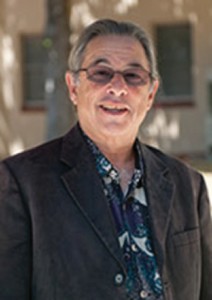 Dr. Jeff Ritterman, M.D., Assistant Clinical Coordinator, Joint MSPAS/MPH, Touro University
Richmond Art Center
For as long as many Bay Area residents can remember, Richmond has had a reputation as one of our region’s roughest cities. But in the past few years, the city has softened its image considerably thanks to a declining crime rate, an improved school system and a number of programs designed to engage the community.
Even during times of hardship, Richmond’s artistic community has always thrived. The city is home to some of the East Bay’s best arts organizations like the East Bay Center for the Performing Arts, which has taught music and dance to thousands of students, or the NIAD Art Center, which focuses on bringing the arts to people with developmental disabilities.
And then there’s the Richmond Art Center, a highly respected art organization that draws adults and kids from all over the Bay Area to its many classes. The center’s founder, Hazel Salmi, was a local artist who was known for walking around town giving away art supplies to anyone who wanted them during the Great Depression era, and the center was founded in that same vein: to teach art and art appreciation to anyone in the community who wants to learn. And it was during the same era, 1936, that the center was founded with the stated purpose of bringing art and art appreciation to the people of Richmond, even during troubled times.
“We really genuinely want to make art, be involved with creating art and help people bring their creative vision to life,” said the Richmond Art Center’s Communications Director Jessica Parker. “We’ll do whatever we can to make sure that happens for each individual who comes to us.”
The Richmond Art Center is best known for its classes, which are offered to all ages for a wide variety of media. But if you drive through town, you’re likely to see a few pieces of public art that the center is responsible for. Earlier this year, for instance, the center helped lead an effort to rebuild John F. Kennedy park in town with a new garden, equipment, and a large circular mural that depicted a phoenix rising, Parker said. This was a collaborative effort between hundreds of students and almost 400 volunteers who worked together for the biggest park rebuild in city history.
“The work is outstanding. All the kids and adults are so talented and really have a passion for making things that matter, giving a lasting impression through artwork,” Parker said of the Kennedy Park mural. “It’s amazing to see.”
The Richmond Art Center is divided into three main functions: First, there’s its in-studio art education program, which teaches roughly 1,800 kids per year, as well as many adults.
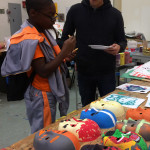
Second, the center has an Art in Communities program to help facilitate things like the recent phoenix mural, or a project earlier this year in which students from all over the community were invited to design and build their own floats for Cinco de Mayo. The idea for that project didn’t come from inside the center, Parker said, but from folks in the community working with the center.
“The linchpin of success for any community organization is being responsive to the community,” Parker said. “It’s not about us coming from the outside, we look at what folks’ creative sensibility are.”
Third, the Richmond Art Center runs an Exhibition Program, giving local gallery artists the opportunity to showcase their work. Its most recently gallery, which ran from September through mid-November, explored the ways fashion has evolved over the years, noting that in recent years, more and more people have begun “upcycling,” using “castoff or reused elements and materials,” in their clothing, according to the exhibition’s notes.
From January through March, the center will feature a gallery that explores the way families have evolved over the years, using artistic family portraits as the medium. That show will explore how, “Our families themselves are mixed groupings crossing generations and gender, geography and even genus,” and a reception for that exhibition is scheduled for Saturday, Feb. 6 at 2-5 p.m., at the center.
“Art is a universal language. It’s informative and it’s community-building,” Parker said. “Regardless of who you are or where you come from, if you make art you’re speaking a universal language and it can break down cultural barriers, language barriers, religious barriers and more. We see it happen all the time.”
In fact, the center has even worked with some of the community’s underground street artists, which, Parker said, is an example of how you can find creativity in every type of medium.
“We work with local communities and schools and we’ll also have volunteers from the graffiti art community,” she said. “We don’t condone or encourage destruction of property or illegal graffiti, obviously, but there are all sorts of creative ways you can express yourself through all sorts of media, including spray cans.”
And like any nonprofit, the center is definitely accepting donations on a continuing basis. They’re also actively looking for volunteers, which the center relies on heavily to fill a breadth of roles. Some of their volunteers have been coming to the center for a decade or longer, helping the center to tap into the community even more. If anyone is interested in becoming a volunteer, they can call Nicole Robinson, the center’s Volunteer Program Coordinator, at 510-620-6778, or email her at nrobinson@richmondartcenter.org
“It’s important to do community outreach, to know who they are as they change and to be able to speak to them as well,” said Parker. “We try to do that. We’ve got maybe 100 regular volunteers here, and lots and lots of people who come and help out. Often through our powerful core group of volunteers we’re able to connect to other individuals.”
On Dec. 5, just days before the publication of this magazine, the center had its biggest fundraising event of the year, its Holiday Arts Festival and live auction, which this year focused mostly on ceramics. On display each year at the Holiday Arts Festival, which has been held for 53 years and counting, is beautiful, vibrant work created by participants in some of the center’s programs.
“The Holiday Arts Festival gives the instructors in our studio program—as well as students in our ceramics studio—the opportunity to present their wares,” said Studio Education Director Erin Wheeler in a statement. “And through their work, you can see demonstrated first hand what the Art Center’s studio education program makes possible.”
If you missed this year’s festival and are feeling bummed out, don’t worry. Since the festival was founded in 1936, it will be celebrating its 80th birthday next year, and so you can bet that the center will put its best foot forward in the many celebrations and gallery viewings that are sure to come.
For Parker, and her colleagues, the job satisfaction is twofold; they love spreading the “universal language” of artistic appreciation, but they also strive to make life better in Richmond, where many of the center’s employees also reside.
“Most of us who work here are from Richmond or have a strong connection to Richmond. We all want this place to be successful,” Parker said. “I’ve lived in Albany and Oakland but I love living in Richmond the most, it’s fantastic. If you actually come here, it’s nothing like a lot of the bad press you read. The people here are nice and polite and they work together. It’s one of the best places to live.”
The Richmond Art Center is located at 2540 Barrett Avenue in Richmond. Its gallery is open Tuesday through Saturday from 10 a.m. to 5 p.m. and on Sunday from noon to 5 p.m. It is closed during major holidays, and on Mondays. For more information, visit www.richmondartcenter.org or call 510-620-6772.
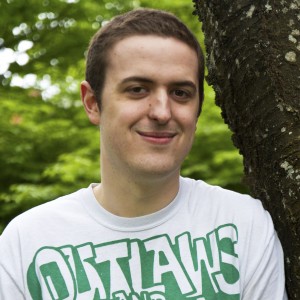
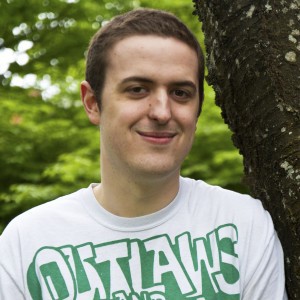 Nate Gartrell grew up in Benicia, studied journalism in college, and has written for a handful of media outlets since age 15. He aspires to visit all 30 Major League Baseball stadiums and to hit the trifecta at the horse track.
Flour Power
Bread, pastries, cakes and cookies = all the things I love to make and eat. If I had not been blessed with such a sweet tooth, I would be a lot thinner. My only saving grace is that I am pretty good at not sampling everything I bake. I lose my appetite after spending hours on my feet trying to create. Let’s talk about the main ingredient to all of these wonderful things: flour.
I’m sure everyone has regular flour in his or her pantry but if you are going to bake a flaky scone or a crusty baguette, or simple al dente pasta, it will depend a great deal on the type of flour you use. Believe it or not, simple All Purpose flour may not be enough. You need a lot of highly developed gluten in dough to produce sturdy bread. A dough or batter with little gluten makes tender baked goods. Unfortunately you cannot judge flour by its appearance, knowing its protein content is the key to how it will perform in baking. Baking, unlike cooking, is more of a science and there are many factors that affect the outcome of your baking endeavor. Choosing the correct flour can be a task in itself.
We can thank the Spanish for bringing wheat to the Americas in 1519. And from wheat comes the kernels that are separated from the hulls. Then the hulls are milled. The wheat kernel is made up of 83% endosperm, 14% bran and 3% germ. It is crushed and sifted, removing the germ and the end result is flour. Many types of flour can be bleached. Freshly milled flour makes sticky dough and poor quality baked goods. As flour is exposed to the air, oxygen combines with yellowish pigments and bleaches the flour. Unbleached flour hasn’t been treated to remove color, but may contain oxidizers. It is usually higher in protein than bleached flour. Typically there is no real nutritional difference between bleached and unbleached flour. Unbleached flour is more expensive because it takes longer (about 2 weeks) to mature. U.S. law requires that all flours not containing wheat germ must have niacin, riboflavin, thiamin and iron added, and then the flour is labeled enriched.
The big question now is, what flour to use? High protein flour that makes a lot of gluten can be an advantage or a disadvantage, depending on what you are making. You want gluten in yeast breads and any dough that needs strength, like pasta. You don’t want gluten when your dough is leavened with baking powder or baking soda, or you want a tender piecrust. As yeast in dough ferments, it releases carbon-dioxide gas into the bubbles and gently inflates them. Gluten holds these bubbles in, so without enough gluten, these bubbles would pop and your bread would be dense and heavy.
Chemical leavens need just the opposite kind of dough. Heavy elastic networks of gluten hold down chemical leavens and make them less effective.
Steam leavened products like puff pastry are solely dependent on hundreds of paper thin layers of dough that will puff and separate when steam is created during baking. These layers must be strong enough to hold the steam. Strudel dough is also extremely thin and delicate when baked, but that is only because it has enough elastic gluten so the dough can be stretched until it’s as thin as tissue.
There are many choices of flours on the market, millers blend flours from different streams of wheat to make flour for specific uses.
Whole Wheat flour contains germ and bran and it makes heavier bread. Often it is combined with high protein white flour for a lighter loaf.
Durum wheat flour, which is also called semolina, is moderately high protein. It has a very hard kernel that has its starch encased in protein. This keeps product like pasta from becoming a starchy mess when overcooked.
Cake flour is low in protein and high in starch and very finely ground to make tender fine textured cakes. Like all white flours, it is bleached with chlorine gas to make it white and also makes it slightly acidic. The acidity makes cakes set faster and have a finer texture. The flour is much whiter because it contains less of the gluten producing proteins. Pastry flour is also low protein flour, but it is not chlorinated.
All-purpose flour can be almost anything; the millers can blend flour with any protein content they want and call it all-purpose. Southern mills traditionally process low-protein, soft, winter wheat. Northern mills process high-protein, hard, spring wheat. Self-rising is a moderate-to-low-protein flour that includes chemical leavens such as baking powder.
Bread flour is high-protein flour and, of course, is ideal for yeast dough. You can also select Artisan bread flour, in which the protein can be even higher, so you will most likely need to add more liquid. Otherwise, the flour will absorb more water due to the higher protein.
That should get you started on the right path of what type of flour you should consider using to make your next creation. Experiment a bit to arrive at a taste that you enjoy the most and remember most of all to have fun!
By Chef K. Marie Paulk
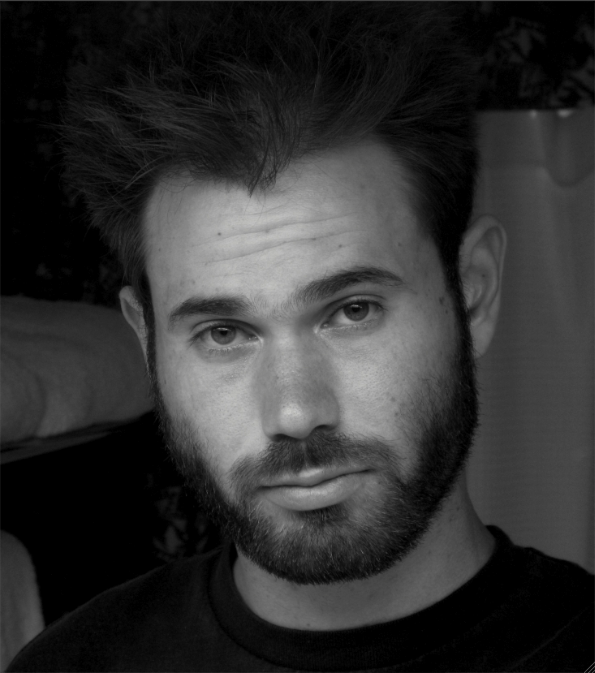 Matt Larson is a writer/actor/comedian native to Vallejo who travels back and forth from Los Angeles way too much. He’s desperate for attention and urges you to follow him on all social medias @MarsLegstrong. He lives for likes, please keep him healthy.