I only went out for a walk, and finally concluded to stay out till sundown, for going out, I found, was really going in. – John Muir
The Visions of the Wild Festival will celebrate the 50th Anniversary of the Wilderness Act from September 3-6 in Vallejo with the theme, “Connecting nature, culture, and community.” Organizers want urban residents to experience the wildness of nature around them. Festival sponsors include the U.S. Forest Service, the Vallejo Community Arts Foundation and a myriad of agencies and organizations. The Ranger Station at 419 Georgia Street will serve as the festival headquarters.
Expected to be the largest single Bay Area event celebrating the Wilderness Act, the festival will feature art shows, speakers, films, music and field trips. The event will offer a mix of free and fee events, all open to the general public.
Festival events will take place at seven different venues in historic downtown Vallejo – a city with cultural diversity, a waterfront setting and an active arts community. Locations include: the landmark Beaux Arts style Empress Theatre, “The Hub” (www.thehubvallejo.com), and the Vallejo Naval and Historical Museum.
Coordinating the event is Heather Davis, Student Conservation Association member and U.S. Forest Service Intern. Davis says, “We’re putting together a unique and varied menu of activities that will appeal to people of all ages and walks of life. There will be something for everyone. The festival will be a ‘one stop shop’ for wilderness information for residents across the Bay Area.”
Forest Service spokesman Steven Dunsky says: “Our regional headquarters for California and Pacific Islands has been in Vallejo for fifteen years, but we have not done anything like this in the community. Our regional office employees are helping with the project; several of our wilderness rangers will be coming down to the Bay Area as well. They will offer tips on how to visit the wilderness.”
On the importance of wilderness areas, Dunsky says, “First, these areas are places where we have chosen not to build roads and structures. So much of our land has been developed; some would say overdeveloped. Second, I think that people want to have the opportunity to experience wildness, even if it is sometimes just an illusion of wildness. Third, wilderness has scientific value. It can be a good place to understand ecological processes.”
The idea that wilderness offers solace to city residents was noted by naturalist, author, and preservationist John Muir when he said, “Thousands of tired, nerve-shaken, over-civilized people are beginning to find out that going to the mountains is going home; that wildness is a necessity; and that mountain parks and reservations are useful not only as fountains of timber and irrigating rivers, but as fountains of life.”
Near Vallejo, walkers can enjoy miles of easy trails with water views at the Benicia State Recreation Area. Or for an adventure in the hills, hikers, mountain bike riders and horseback riders can explore Solano Land Trust’s Lynch Canyon Open Space Park. Lynch Canyon offers nearly 10 miles of trails, including fantastic views atop Prairie Ridge Trail.
The San Pablo Bay Wildlife Refuge is within Vallejo itself. Another place to experience wetlands is Solano Land Trust’s Rush Ranch. The property spans 2,070 acres of marsh and rolling grassland on the northeast edge of Suisun Marsh, with historical buildings and five miles of walking trails. For directions, visit solanolandtrust.org.
In terms of federal wilderness areas located in Northern California, the closest is at Point Reyes National Seashore within the Philip Burton Wilderness. Managed by the National Park Service, it’s only about an hour’s drive from Vallejo. The closest national forest wilderness areas are Snow Mountain Wilderness in the Mendocino National Forest and the Desolation Wilderness near Lake Tahoe in the Eldorado National Forest. The East Bay Regional Parks system also has areas that are designated as regional wildernesses areas including Ohlone, Las Trampas, and Sunol.
Most of the wilderness areas in the Central Sierra Nevada, Desolation, Mokelumne, Emigrant and Yosemite are all a half-day’s drive from Vallejo and the surrounding counties. Also, to the south of the Bay Area we have the Ventana and Silver Peak Wilderness areas in the Monterey district of the Los Padres NF. One of the smallest wilderness areas in the National Wilderness Preservation System (NWPS) is the Farallon Islands.
Here is a link to a map and where one can see the NWPS and the proximity of areas to the Bay Area:
www.wilderness.net/map. The website, www.wilderness.net, is a resource to learn more about wilderness. The central website for information on 50th anniversary activities happening throughout the year and around the country is: www.wilderness50th.org.
Some wilderness areas are far busier than others. Dunsky offers this advice to wilderness visitors: “It is best to check with the local forest or park staff to see about any permits or restrictions. The agencies do manage the number of visitors in the more popular areas. We want people to have a wilderness experience, which includes some level of solitude.” Dunsky suggests that those interested in reading more about the benefits of wilderness, both direct and indirect, visit this webpage: www.wilderness.net/NWPS/values.
Organizers are posting specifics times, dates, and location of festival events on the Visions of the Wild website, www.visionsofthewild.org, and its Facebook page.
Coordinator Heather Davis can be reached at hdavis@thesca.org.
Visions of the Wild Speakers
No word yet on whether Robert Redford or Al Gore will make guest appearances; the final program was not available when the print edition of Local Happenings Magazine went to press. The invited speakers include three authors.
Audrey Peterman
The author of the travel guide Our True Nature, Audrey Peterman and her husband Frank are dedicated to bringing information about the wilderness to communities of color and the urban public and well as physically challenged individuals. On a 20,000-mile road trip around the country visiting National Parks, the Petermans experienced “the glorious legacy of the National Park System” and “less than a handful of Americans of African, Asian, Hispanic or Native descent in the parks.” They’re determined to connect a more diverse mix of Americans to wilderness areas.
Mark Harvey
Mark Harvey is the author of Wilderness Forever: Howard Zahniser and the Path to the Wilderness Act. A book he edited, The Wilderness Writings of Howard Zahniser, was published by the University of Washington Press in the early summer of 2014, in time to help commemorate the 50th anniversary of the Wilderness Act. Dr. Harvey tells the story of Howard Zahniser, the person most responsible for getting the Wilderness Act through Congress.
Jon Mooallem
Jon Mooallem is a contributing writer for the New York Times Magazine and author of Wild Ones: A Sometimes Dismaying, Weirdly Reassuring Story About Looking at People Looking at Animals in America. Mooallem’s book examines the environmental movement and the sometimes-eccentric cultural history of people and wild animals in America.
Among other topics, he explores public fascination with webcams that stream bald eagle family reality shows into our living rooms. Mooallem writes, “Maybe it just feels good to know they’re still out there, in some safe-seeming corner of the wilderness. And maybe that’s why we’ve pointed a bunch of webcams at them: so we can check in whenever we want and keep watch.”
Juried Art Exhibition
The Visions of the Wild juried art exhibition will feature wilderness-related paintings, photography, sculpture and mixed media, and run from September 3 through November 8. The art show will be at the Temple Arts Lofts, which is next door to the Empress Theatre. On September 5, an opening reception will honor artists and works selected for the juried art exhibit. The Vallejo Community Arts Foundation is sponsoring the exhibit. Art selected for the show will explore the event’s theme in any of the following ways:
1. What wilderness means in a diverse cultural context.
2. How wilderness is expressed through art.
3. What urban wilderness looks like.
4. How we re-wild our humanized landscapes.
5. How our understandings of wilderness and wilderness conservation paradigms will change in an era of global environmental change.
Principles of Leave-No-Trace
Wilderness visitors are often advised to follow the recommendations of the “Leave-No-Trace” movement. Advocates of Leave-No-Trace use the motto
“Take nothing but pictures.
Leave nothing but footprints.”
Many groups and individuals promote this approach to outdoor recreation, including the Boy Scouts of America. The Leave-No-Trace movement recommends seven principles:
1. Plan ahead and prepare.
2. Travel and camp on durable surfaces.
3. Dispose of waste properly (Pack It In, Pack It Out).
4. Leave what you find.
5. Minimize campfire impact.
6. Respect wildlife. Minimize impact on wildlife and ecosystems.
7. Be considerate of other visitors.
Kristine Mietzner is a writer who lives in northern California.
By Chef K. Marie Paulk
I am currently studying to take the ServSafe test that every three years the chefs and leadership are required to take in order to be current. I am going to begin by telling you the easiest way to remember the five deadliest food-borne illnesses – H.E.N.S.S., which stands for: Hepatitis A, E Coli, Norovirus, Salmonella, Shigella. I always have a hard time believing that Listeria (another bacterium) does not make the top-five list based on what we all see and read about on cruise ships. Don’t worry, I’m not going to freak you out with all the facts about food-borne illness, but this got me to thinking about all the other fun facts I use daily like temperatures, cooking math, shelf life, cooking equivalents and, one of my favorites, substitutions.
Now you may think I am being silly, but a lot of this information is actually quite useful. I remember when I was just starting culinary school and my chef instructor said always just remember 125° for rare, and then add another 15° for each step of “doneness” that you desire, 140° for med rare, and so on. Just remember your food continues to cook once you remove it from the heat (carry over cooking), which means remove the meat from the heat 5 to 10° below what you desire so it will have time to rest and finish its carry over cooking. Also, if you want to work using Celsius you would subtract 32 from 125°, multiply by 5, and divide by 9, which means a medium rare steak would be 52° celsius (round up).
Now chicken and pork is a different story. Chicken should be cooked to 165°, and 170° if your bird is stuffed. They should both be temped at the thickest part of the thigh. Pork I cook only to 140°, and let it carry over to 145° by resting, otherwise you get a very dry piece of meat, and applesauce can only hide so much.
Anyone that works in a kitchen should know 1 pound equals 16 ozs, which equals 453.6 grams and 1 kilogram equals 2.2 pounds, you never know when you are going to stumble on a great recipe all in the metric system. So, to convert liters to cups, multiply the number of liters by 4.22675. 1 liter = about 4 1/4 cups. To convert cups to liters, multiply the number of cups by 0.2368. Grams to ounces and pounds, divide grams by 28.35 and for ounces divide grams by 453.6 for pounds, and to covert to ounces multiply by 28.35, and pounds by 453.6.
The calculations I just mentioned are for weight for volume (liquids), just remember:
L > fluid oz 1000 ml = 1 L = 33.8 fluid oz.
Believe me you are going to want to save this information.
The following are my all-time favorites which I use daily:
1 tablespoon = 3 teaspoons = 1/2 fluid oz. = 14.8 milliliters
1/4 cup = 4 tablespoons = 2 fluid ozs. = 59.2 milliliters
1/2 cup = 8 tablespoons = 4 fluid ozs. = 118.4 milliliters
1 cup = 16 tablespoons = 8 fluid ozs. = 236.8 milliliters
1 pint = 2 cups = 16 fluid ozs. = 473.6 milliliters
1 quart = 2 pints (4cups) = 32 fluid ozs. = 947.2 milliliters
1 gallon = 4 quarts = 128 fluid ozs. = 3.79 liters
(8 pints, 16 cups)
I don’t know why, but I just love knowing this. I guess because it makes recipe reading and converting so easy.
Another pretty important thing to remember is how long will these items be refrigerated, fresh or frozen:
Refrigerated Frozen
Beef, Pork, Lamb, and Veal 3 to 5 days 4 to 6 months
Chicken/ Turkey 2 days 6 months
Ground Meat 1 to 2 days 3 to 4 months
Bacon 1 week 2 months
Fish 1 to 2 days 3 months
So with all this cooking and or baking you’re liable to run out of things or you just forget to purchase them, I absolutely hate when I have to make a quick run to the market. So here are some items you can use as substitutions:
Ground Allspice use 2 parts ground cinnamon plus 1 part ground cloves.
Capers use Chopped Green olives
Bittersweet Chocolate use Semisweet Chocolate
1 oz. Unsweetened Baking Chocolate use 3 tablespoons cocoa powder plus 1 Tablespoon melted butter
Brown Sugar – light & dark are interchangeable, but you can make your own: 1 cup white sugar with 3 or 4 tablespoons molasses placed in a food processor and pulse (yields 1 cup)
Fresh Vanilla bean 2” piece use 1 teaspoon pure vanilla extract
Fresh Herbs use 1 teaspoon dry for each tablespoon chopped fresh
Tomatoes (1#) use 14 oz whole peeled tomatoes with juice
Buttermilk (1 cup) 1 cup plain yogurt or 1 cup minus 1 tablespoon milk, plus 1 tablespoon lemon juice or white vinegar
Heavy Cream use 3/4 cup milk, plus 1/4 cup butter (Not for whipping)
Sour Cream use Plain Yogurt
I could go on and on with information like this, but I only have so much room. I will leave you with this—just remember a recipe is nothing more than a suggestion, so do not be afraid of trying new things!
Whenever a family in Solano, Contra Costa, or Alameda counties stumbles upon an animal in need—say an injured baby raccoon, or a sparrow with a broken wing—the phrase “Let’s take it to Lindsay” is bound to come up.
Located on the Briones Regional Park side of Walnut Creek, the Lindsay Wildlife Center has been an icon in the Bay Area for generations, well known for having a hospital that accepts injured or abandoned native California wild animals and covers 100% of the medical costs. Anyone who’s grown up within 30 miles of the center has probably stopped by at least once or twice for either a birthday party or a field trip.
The Lindsay Museum has been around for more than half a century. It began in the mid-1950s as an elementary school that emphasized well-rounded, hands-on, nature education, and wasn’t fully established as a museum until 1962. To many Bay Area residents, especially young people, the Lindsay Museum has always been here. But it was actually our nation’s first wildlife rehabilitation center. Norma Bishop, Lindsay Wildlife Museums recently appointed Executive Director, says it is a staple, unique to Northern California.
“We create magical encounters between people and wildlife,” says Bishop. “Whether that’s an injured animal that our volunteer staff will treat and hopefully release into their environment, or children who come into our museum and are inspired by that eye-to-eye contact they get to experience with our animals.”
The Lindsay Museum is all about California—its hospital and museum are dedicated to healing and showcasing species that are native to this state. Visit the museum and you’re sure to encounter all sorts of living critters, including eagles, turkey vultures and other birds of prey that normally appear about as big as an inch against a blue-sky backdrop from afar.
You’ll also probably bump into a recreated wildlife setting using stuffed, deceased animals, like bears or mountain lions (things you probably wouldn’t want to meet face-to-face—while it was living, anyway), but the Lindsay Museum makes a point of never using critters that were hunted—if it’s there on display, it either died of natural causes, by an accident, or it was an animal that the hospital wasn’t able to save.
All in all, there are more than 50 different species of live, non-releasable, California animals being exhibited by the Lindsay Museum, from foxes to tarantulas, with a large emphasis on live birds. Guests can even witness surgical procedures taking place firsthand through a glass window, depending on the schedule during a particular visit. For many of the thousands of children that visit Lindsay each year, this provides first-time opportunities to see wildlife up close and personal.
“We see children absolutely stop still when they encounter that animal—they’re actually within arm’s reach of these magnificent birds, which they can only see floating in the clouds above Mt. Diablo, ordinarily,” Bishop says. “It’s a great experience for families with young children who don’t have pets and want to show their kids what it’s like to care for an animal.”
The difficulties associated with animal care are something that’s never lost on the staff at the Lindsay Museum. In addition to accepting visits from thousands of kids, the center provides medical care to thousands of animals each year, too. In fact, they have more than 1,000 animals in care at the moment, which can range from smaller animals, like hummingbirds, to larger ones like raptors, possums and foxes—orphaned or injured. For that reason, they have to rely not only on their pro staff of about 35, but also one a volunteer core of more than 500 Bay Area residents, who are so dedicated they sometimes have to go extreme lengths to ensure that the critters under their care stay safe and healthy.
“Some of our people take home baby hummingbirds that have to be fed every 20 minutes. Can you imagine?” Bishop says. “We’re very grateful to [volunteers], and to the folks who donate animal food.”
Bishop added that, oftentimes, food that’s not up to standards for human consumption is perfectly fine for animals to eat and can be repackaged for those purposes. So they actively accept donations of old food (or animal food) and even partner with local food banks. It’s a great way to ensure that expired food doesn’t go to waste, so if you have food that can’t be donated to the food bank but isn’t rotten or moldy, consider taking it on down to Lindsay Museum. As mentioned before, Lindsay’s hospital covers all of the medical costs associated with caring for the animals that come through their facilities, which, as you probably can imagine, requires a large pool of donors and volunteers as well.
“It takes an enormous amount of funding to do this work, and this is a great place to invest—it’s an investment in the future in the best possible way,” Bishop says.
On the educational front, in addition to providing face time between guests and animals, and showing scenes of animals in their natural habitat, the Lindsay Museum takes care to teach their guests (and the general public) about animal safety for when they encounter any of the vast array of different wild species that roam California. Mostly, especially with dangerous predators, its best for everyone if contact is limited to visual contact from a distance. It’s important for people to remember that, when they’re visiting California wildlife, they’re the visitors, and can often do more harm to the animal than the other way around.
“Most often, even for animals we consider dangerous, encounters with humans are much more dangerous for them than they are for us,” Bishop says.
Bishop joined up with the organization in January, moving here from Wyoming specifically to do this kind of work. Her initial impressions of the facility have been great, and she sees working with children and animals as a means of providing a better, more empathetic future.
“I’m thrilled to be here—this is an organization that not only serves animals, but people,” Bishop says. “I believe our lives are made richer by our connections with animals and nature. It creates a better life for all of us, especially children. If we can create that connection with them, those children will grow up into the kind of adults that not only care about nature and the environment, but they become more compassionate people.”
The Lindsay Wildlife Museum is located on 1931 First Ave. in Walnut Creek. Admission is $8.50 for adults, $6.50 for kids and $7.50 for seniors. Their hours vary, but they’ll be open Wed-Fri from noon-5pm until June 15, and 10 a.m. to 5 p.m. on weekends. From June 18-Labor Day, they’ll be open Wed-Sunday 10 a.m. to 5 p.m.
They can be reached by telephone at (925) 935-1978 or online at www.wildlife-museum.org.
 Nate Gartrell grew up in Benicia, studied journalism in college, and has written for a handful of media outlets since age 15. He aspires to visit all 30 Major League Baseball stadiums and to hit the trifecta at the horse track.
Solano County is comprised of many bustling communities, full of economic development that will keep business thriving here for generations to come. It is also home to some of the most majestic landscapes in the Greater San Francisco Bay Area and the Solano Land Trust aims to keep it that way.
Since 1986 the Solano Land Trust has been actively protecting and preserving Solano County’s farmland, ranch land and open space. Changing its name from Solano County Farmlands and Open Space Foundation in 2004, the Solano Land Trust has permanently protected 22,161 acres of natural areas and agricultural lands over its nearly 30-year career.
Just last year, the Land Trust Accreditation Commission finally awarded its national accreditation to the Solano Land Trust. “We’re really proud of being in that group of land trusts across the nation that is meeting and exceeding the best management practices,” says Nicole Byrd, Executive Director of the Solano Land Trust. “We promise to do things forever—to care for these lands forever, to be the stewards of these conservation agreements forever—so we’re always striving to meet really high standards to make sure that we sustain ourselves and can do what we said we’re going to do.”
The Solano Land Trust is in charge of Jepson Prairie, King-Swett Ranches, Lynch Canyon, Rockville Trails Preserve and Rush Ranch. Their most recent undertaking is the Rockville Trails Preserve, which turned out to be a pretty popular endeavor. “It had substantially more community involvement than any other project we’ve worked on,” says Byrd. “The majority of funds came from grants, but about $650,000 came in from individual donors. That has never happened before.”
Additionally, they had an unprecedented amount of volunteers come in to help with the fundraising and acquisition of the Rockville Trails Preserve, and the Solano Land Trust has continued to work with them. “Since we bought Rockville they have continued to volunteer and kind of shape what the natural park will look like in the future,” says Byrd. “The next thing is getting Rockville open to the public.”
In order to develop Rockville Trails the Solano Land Trust is currently working through the process of the California Environmental Quality Act (CEQA). “They require that if you are changing the environment you’ve got to look at the impacts and provide opportunity for the public to comment,” Byrd explains. “We’re currently raising funds to build an entrance and a parking lot, a staging area, trails, bathrooms—things to turn it into a natural park.” They’ve already had help from a team of community volunteers to envision the future of Rockville Trails, offering a lot of input and design. They’ll offer the public an opportunity to comment again as part of that process as production continues.
Now, if you’re reading this thinking, “Wait a tick … I’ve already been to Rockville Park!” remain calm. You have. Rockville Trails Preserve is located right across the street from the currently operational Rockville Hills Regional Park in Green Valley. “The development was called Rockville Trails Estate, we just shortened it to Rockville Trails and that’s what we’ve been calling it, but we do need a new name,” said Byrd. “That’s another project on my radar to engage the community in helping us find a new name for Rockville Trails.”
The Solano Land Trust is also responsible for one of the most exciting events in Solano County: The Lynch Canyon Trail Run. The 7th annual event takes (or took) place on June 7th of this year. “More and more people have started to come from all over the Bay Area, Sacramento, they fly in from out of state … it’s really popular,” says Byrd. The weather tends to change from year to year so veteran runners always have plenty to talk about. “There are a lot of stories about the year you came when it was really hot, or the year you came when there was a monsoon in June.” Monsoon? “Yeah. I was there,” says Byrd. “It was pouring. Just crazy weather, rain and wind … it seemed like a monsoon to me. And people were having a great time!” The Lynch Canyon Trail Run has become known as one of the most challenging runs in our region, and one of the most beautiful as well. “It’s gorgeous,” says Byrd. “Sometimes, if it’s really clear, you can see the Golden Gate Bridge, the Bay Bridge, the marsh, the Napa River, a little into Napa Valley … it’s another way that I think we’ve really raised the perception of Solano County, how we’re more than just I-80. We have some really beautiful, special places.”
For Solano Land Trust’s second annual fundraiser, mark your calendars for August 16 to attend their fourth annual Aim for Ag & Open Space Sporting Clay Shoot. Held at Birds Landing, this clay shoot event is a nice homage to the hunters who have helped keep this land sacred over the years. “The Suisun Marsh was protected by hunters in the first place,” says Byrd. “They’ve definitely left their mark in terms of conservation here in Solano County and are partners in taking care of preserving the land out there in the marsh.” In addition to the clay shoot, expect a fantastic BBQ lunch provided by your neighborhood farmers. “We always feature local food,” says Byrd. “We’ll partner with a local rancher and the meat we’ll serve will come from right here in Solano County. We always try and bring that aspect into our events.” You may even have the opportunity to meet the farmer who grows your food.
It is quite an undertaking to manage all of these land areas, especially with a team of just 12 people. “Solano County doesn’t have a parks district, so the Land Trust is trying to fill that role,” says Byrd. “We have a lot of partners in doing that, lots of volunteer organizations and Solano County Parks, but it’s really expensive to maintain big natural parks for the community to enjoy; so that is a challenge.” Be sure to attend their two big fundraisers every year if you can, or at least spread the word. Also, though not a fundraising event, the Lynch Canyon Kite Festival is something else to look forward to next year. If nothing else, try and offer your efforts as a volunteer.
“We have over 400 people that volunteer at different capacities,” says Byrd. “We’re able to be a big presence and really be a huge community asset because we’ve got all these volunteers supporting what we do. It’s pretty amazing actually.”
Aside from maintaining these lands, the Solano Land Trust is heavily involved with the schools, youth organizations and colleges in the area. “We make sure we understand the curriculum for a specific grade so we can help bring their kids out on a field trip and meet some of the standards that the students require at the same time,” says Byrd. There’s also numerous scientific research studies being conducted on a regular basis.
“In terms of taking care of our lands, we partner with the UC Davis Natural Reserve System out at Jepsen Prairie,” says Byrd. “They’ve got long-term research going on related to vernal pools and adaptation to drought response.” At Rush Ranch they partner with the San Francisco Bay National Estuarine Research Reserve (SF Bay NERR) who are part of NOAA, the National Oceanic and Atmospheric Administration. “Rush Ranch has been identified as a key property serving as a window into the health of the marsh, so the SF Bay NERR researchers are performing intricate research projects on all aspects of the marsh and the Bay out at Rush Ranch, looking at data from high and low tide, salinity, how much matter is moving around the marsh, which tells us how parts of the marsh are getting shallower or deeper; they call it ‘mud on the move’.” The Solano Land Trust is constantly working with graduate students and professors and they have some really interesting projects going on that are worth inquiring about, especially if you’re an agricultural aficionado.
As if there are any skeptics, let it be known that the Solano Land Trust is here to help. “There are places to build and there are places to protect,” Byrd explains. “The Land Trust is not about stopping development. We are focused on protecting the places that make our community unique.” And the support from that community only strengthens their efforts. “People in Solano County really appreciate and value the way that our community looks and the quality of life that we have—a lot of that is based on having all this working agriculture here and having all these beautiful hills. We want to be able to pass that on to the next generation.”
For more information on the Solano Land Trust, to research which properties of theirs to visit, to donate your services, to attend their events—to get involved—please call (707) 432-0150 or visit www.solanolandtrust.org.
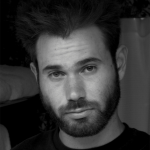 Native to Vallejo, Matt Larson is living in Greater LA to pursue all that is good in the entertainment world. Support his career and follow him on Twitter @mattnstuff.
The Allium family is not a family any of us necessarily grew up next to, but rather, it’s something we all keep in our kitchens. Onions and Garlic are part of the allium family (their botanical name) and they have a surprisingly significant nutritional worth that I really never thought about, but always have in my kitchen. These kitchen staples: onions, garlic, shallots, leeks, scallions and chives, do not get much attention, but they are all an exceptionally rich source of daily sulfide, a phytochemical that may reduce the risk of stomach and colon cancer. They provide moderate amounts of fiber, potassium and vitamins B and C. The other good news about this family is that they offer a low calorie way to bring depth to dishes. Roasted, baked, grilled or caramelized, and they all take on nutty overtones. They enhance the flavor of whatever you’re making or by themselves. Slices of raw onion lose their bitter edge, but not flavor, when soaked in water so you can use them in sandwiches or when making vinaigrette.
The white, yellow and red onions are probably the most daily used onions. I know at work, we go through 3 or 4 fifty-pound bags of both yellow and red onions per week. The fact is it really is hard to make a savory dish without an onion or garlic. I’ve been told white onions are sweeter than yellow onions, but I rarely use white onions. I find them too strong and I prefer the flavor of the yellow onion. Spanish onions are very large type-yellow onions and have the similar flavor to their smaller cousin. Red onions, or as they are also called, Bermuda onions (don’t ask me why they don’t come from Bermuda), are sweeter and milder and I would use them when a recipe is calling for a raw onion. I know many people who would not eat a cheeseburger without a slice of red onion to go with it. The main concern with onions is slicing; I am a contact lens wearer so I normally do not have any issues with tears, you just need to be sure your knife is sharp. Nothing is worse than slicing an onion with a dull knife. I have also read if you chill the onion before you slice it that will lessen the volatility of the substance, which can cause the eyes to tear up. Also, remember to keep your onions in dry storage, out of light and to NOT store you potatoes with your onions. The two combined shorten the life of both.
Shallots are my “go to” a lot of times when cooking. They are not as overbearing as a regular onion and they are almost a little sweet. Unfortunately, the sweeter the onion, the less beneficial they are. The stronger onions are the ones that give us the most health benefit by helping with blood clotting and lowering your heart rate. Shallots are perennials and normally they have more than one bulb. They are a big flavor element in a beef stew combined with red wine or you can use them in pan sauces, which are going to add flavor to whatever you’re reducing.
Leeks are the best, in my opinion; they are always on my shopping list for the holidays. Adding leeks to your stuffing is a GREAT way to add flavor. Cleaning the leaks is very important since they are grown with soil piled around them, so grit and dirt can accumulate between the layers. To clean leeks you need to trim the root, cut the green top. Slit the leek lengthwise without cutting all the way through, open it like a book and hold it under cold running water or just fill a bowl with water and let it soak for a few minutes to make sure all the dirt and sediments comes loose from the center of the leek. This is a great time of year to make the classic vichyssoise; nothing is better than a nice cold soup with a green salad on a hot summer night.
This family would not be complete without a mother, and in my opinion that is garlic. Garlic farmers cultivate two kinds: hardneck and softneck. Hardneck grows in northern regions with harsh winters. The cloves have a brownish skin with varying amounts of purple. The skins are thick and easy to peel. They grow until the ground freezes and then rest until the mild weather returns. If you like strong garlic the Spanish Roja is for you—it contains high amounts of allicin. This is the compound believed to be an immune system booster. Softneck garlic grows year round and in climates where the winters are mild. Elephant garlic isn’t really a garlic at all, but part of the leek family; it’s best roasted and makes a great soup. Garlic also needs to be stored in a cool dry place; a ventilated ceramic container or garlic keeper is perfect. Never store it in a plastic bag or the fridge.
Last, but not least is the baby of the family, which would be your chives, green onions or spring onions. Chives add a discreet onion flavor without being overpowering. They would be a perfect complement to the aforementioned vichyssoise, cut on the bias as a garnish or in a homemade summer salad dressing. Adding a grilled green onion or spring onion to your summer BBQ would also add great flavor to whatever you’re grilling.
So, have a great summer and just don’t forget to bring the Allium’s to your home for dinner.
K. Marie Paulk
A leafy canopy of tree branches arching over California Drive in Yountville provides a magical and memorable tunnel-like entrance to the Veterans Home of California in the summertime. The trees lining the entryway originally shaded visitors attending the Golden Gate Exhibition on San Francisco’s Treasure Island from 1939 to 1940. The other tall trees on the grounds comprise the largest collection of exotic trees in northern California. Many of these trees were gifts from friends of Colonel Nelson Holderman, a World War I hero and an early administrator of the home.
The Home is nestled on the slopes of the Napa Valley. A thousand men and women veterans and some non-veteran spouses call the grand campus their home. Started in 1884 by the Society of Mexican War Veterans and the Grand Army of the Republic, the Home was taken over by the State of California in 1897 after a period of financial struggles.
At that time, the Home had 55 steam-heated buildings with electric lighting, running water and a sewer system. The grounds also had a successful dairy, hog farm and chicken ranch, and were home to 800 veterans of the Mexican, Civil, and Indian wars.
Today the Veterans Home receives support from the California general fund, federal reimbursements, medical insurance, MediCal and MediCare, fees from residents and donations that are used for the Morale, Welfare and Recreation of the residents. The home’s current administrator is Donald Veverka, who took over the position in 2014.
Veterans share their input and recommendations with the administrator through the Veterans’ Home Allied Council, an official advisory body that is currently chaired by home resident Don Moore. The history of the Veterans’ Home of California at Yountville was the subject of a DVD produced in 2013 by Moore titled “Pearl of the Valley.”
Places to visit on the grounds include the Napa Valley Museum and the Lincoln Theater, a world-class venue that features performances by musicians and stage actors throughout the year. The theater is home to Symphony Napa Valley. The museum and theater offer educational programs for the residents of the home and others.
Winding one’s way along the north side of the home one will find the swimming pool. This pool is operated by the Town of Yountville and is open to the residents of the home and the public in the summer.
Beyond the pool is the Cleve Borman Baseball Field. California’s American Legion baseball finals are played here each year. The field has been described as one of the ten coolest high school baseball venues in the United States by MaxPreps sports website writer Leland Gordon, who says, “We know cool when we see it.”
Legend has it that more than a dozen major league athletes played baseball here in their youth, including Dusty Baker, the one-time manager of the San Francisco Giants. Veterans are given front row seats.
On July 4th, the public is invited to celebrate Independence Day at the Home. Musicians entertain through a full day of activities. Residents and staff host booths in front of the administration building—food and other items are for sale. When darkness falls, fireworks light up the sky.
Every day of the year the chapel is open for visitors. Protestant, Catholic and Jewish services are held weekly. Guests may also attend the monthly services honoring the men and women who died at the Home the previous month. The chapel has large, brilliantly stained glass windows at the front and sides. A small stained-glass window above the entryway depicts four chaplains who, following a torpedo attacked on a transport ship during World War II, died arm-in-arm on the sinking vessel so that others could board lifeboats.
The gravesites of more than 5,500 veterans and non-veteran spouses who once lived at the home are maintained at the Veterans Home Cemetery on the grounds. Annually, a patriotic Memorial Day service is held at the cemetery that honors deceased veterans. Donated flowers are taken to the gravesites and placed as far as they will go. Among the remains at the cemetery are those of 2,308 Civil War soldiers.
Members of service clubs and veterans organizations from throughout the state volunteer their funds and time at the Home including, but not limited to, members of AMVETS, Veterans of Foreign Wars, Disabled American Veterans, and the American Legion.
A variety of opportunities are available for groups and individuals who wish to get involved with the home. Anyone interested in giving of his or her time may contact the Volunteer Office.
Leaving the Veterans Home, when the summer breeze rustles through the trees stretching over California Drive, the wind seems to whisper a reminder to remember those who served our country.
The Napa Valley Performing Arts Center at the Lincoln Theater and the Napa Valley Museum are located right on the grounds of the Veterans Home of California at Yountville. Here are some highlights of the events offered at these cultural institutions this summer.
The Napa Valley Performing Arts Center
The Napa Valley Performing Arts Center at the Lincoln Theater hosts “BottleRock Napa Valley” starting at noon on June 1st. The three-day event features over 60 bands on four stages. On June 9th, the Lincoln Theater hosts a reading by Garrison Keillor, the “Prairie Home Companion” host and humorist at 7 p.m. The New York Times bestselling author will read from his new book, “The Keillor Reader.”
The Lincoln Theater is the venue for Napa Valley Jazz Getaway featuring “Jazz Legends Night” starting at 7 p.m. on June 12th with performances by Dave Grusin, Lee Ritenour, Earl Klugh, plus special guests Eric Marienthal and David Benoit. The Jazz Getaway continues on the evening of June 13th with “Friday Night Funk Night.” The entertainment begins with a silent auction benefitting the GRAMMY Foundation and complimentary wine tasting for all attendees. The auction will be followed with performances by The Ohio Players and special guest comedian Keenen Ivory Wayans from the popular show In Living Color.
Country artist and part-time Napa resident Jerry Jeff Walker appears at the Lincoln Theater at 7 p.m. on August 16th. Walker brings his band and music to the stage including hits like Mr. Bojangles for his second annual “Napa Summer Camp” show.
The Napa Valley Museum
The Napa Valley Museum will hold an opening reception from 6 to 8 p.m. on Thursday, June 5th, for the exhibit “Walter H. Everett: American Illustrator.” Everett worked with Norman Rockwell and N.C. Wyeth and completed works for The Saturday Evening Post, Ladies Home Journal and Colliers. His work will be on display at the museum all summer.
The museum’s opening reception for “Wayne Thiebaud: Works on Paper” takes place on Saturday, June 28th, with a members-only preview from 4 to 5 p.m. and a reception for the general public from 5 to 7 p.m. The show features more than 100 of Thiebaud’s work and is on loan from the University Library Gallery at California State University, Sacramento. It will be on display from June 29th through September 14th.
On July 12th from 2 to 4 p.m., the museum hosts the “Free Family Fun Day: Painting like Thiebaud.” Artist Deborah Donahower will lead families in creating ice-cream cone acrylic paintings. She’ll show parents and children how to experiment with paint strokes, form, light and shadow. On July 19th from 10 a.m. to 12 p.m. the museum hosts the Cake Plate Painting Workshop with ceramicist Amy Elliot. Attendees may paint their own Thiebaud-inspired dessert plates. The fee is $25.00 for members and $35.00 for non-members. Also at the Napa Valley Museum from 10 a.m. to 12:30 p.m. on August 2nd, renowned artist Nancy Willis will teach the art of relief and monotype printing. The fee is $30.00 for museum members and $40.00 for non-members.
The museum’s Free Family Fun Day: Extreme Cupcake Decorating takes place from 2 to 4 p.m. on August 9th. To launch the Wayne Thiebaud exhibit in August, a members-only tour and reception will be held at 4 p.m. on August 16th. Director of the Library Gallery at California State University, Sacramento will lead the exhibition tour. The museum will show the film, “Kings of Pastry” on August 21st from 7 to 9 p.m. The showing is free for members and $10.00 for non-members.
Kristine Mietzner worked for the Veterans Home of California at Yountville in 2013 and is currently an analyst with the California Department of Veterans Affairs in Sacramento.
The world seems infatuated with fly-by-night pop stars that rise from the phenomenon of viral YouTube videos, iTunes plays, and reality television shows like American Idol, where rising stars are on a short list for fame and fortune, but not necessarily for sustainable success. A large majority of modern-day music acts often take 2-5 year hiatuses between releasing new albums and touring, while often failing to meet or beat expectations by fans and record companies. Few music acts dedicate attention towards constantly touring. Even fewer artists are given the recognition and distinction of being “Legendary.”
At present, only one American music act has beaten all odds, and withstood the tests of time, by constantly touring for more than 40 years. A rock band that has survived the untimely deaths of not one, but two band members. A rock band that has cast some of the highest-ranking guitarists of all time, according to Rolling Stone Magazine. A rock band that beat its demons. A rock band that has written the script on sustaining long-term success and relevance and led by one of rock ’n’ roll’s biggest and brightest star. And a star who has clocked in 45 years with his primary band, in addition to 41 years with his solo band that ultimately yields him a legendary status in music history. However, it’s not the amount of time that makes an act legendary but more so – how the time is used.
Back where it all begins…nearly 50 years ago, Gregg Allman graduates Valedictorian of his high school class and focuses toward a career in dentistry. Duane Allman, Gregg’s older brother/supernatural guitarist, ends up changing the course of Gregg’s life by asking him to become a full-time musician alongside himself and leave dentistry on the back burner. A young Gregg Allman decides to give music his undivided attention and the two brothers set forth to perform in different bands that take them from Daytona to Los Angeles to Muscle Shoals and back to where it all begins – Florida, namely Jacksonville, Florida where in 1969 the two brothers try their hands on somewhat of an experimental band with songs written and influenced by Southern musicians’ lifestyles, while heavily laced with blues of the 3 Kings: Freddy King, Albert King and B.B. King. The new band is formed and led by brothers Gregg and Duane Allman who aptly names the band “The Allman Brothers Band.”
Duane Allman’s vision, drive, connections and work ethic quickly brings vast success to The Allman Brothers Band, and as the fame and fortune arrives, the misfortunes follow. Duane Allman dies in a tragic motorcycle accident in 1971. A year later, bass player Berry Oakley also dies in a motorcycle accident, putting the band at a crossroads of crossroads toward their future. Gregg Allman resorts to chemical dependencies to cope with his brother’s death and loses focus. By 1972, The Allman Brothers Band releases its 3rd album, Eat a Peach, which becomes a Platinum Record. Guitarist Dickey Betts begins to lead the band back on track and in 1973 a new album entitled Brothers and Sisters is released with a country inspired song called “Ramblin’ Man.” Written and sung by Dickey Betts, “Ramblin’ Man” reaches #2 on the Billboard Hot 100 and the album quickly becomes an accredited Platinum Record, giving Gregg Allman and The Allman Brothers Band inspiration to remain the course and sustain Duane’s vision.
More than 40 years pass since the release of “Ramblin’ Man” and in the interim, between the past to present, Gregg Allman is credited with releasing more than 12 studio albums with the Allman Brothers Band, 11 solo albums, 7 live albums and numerous compilation and retrospective albums. An impressive number of albums reach platinum (3) and gold (3), and a total of 4 albums visit the US Top 10 Album Pop Charts with Brothers and Sisters reaching #1 in 1973. As Gregg evolves to adopt Duane’s vision as his own, he focuses to heavily tour when the band is collectively healthy to do so. By 1995, The Allman Brothers Band is inducted into the Rock And Roll Hall of Fame. With the passing of each year comes another album release, another award being earned, some changes in the guitarist line up are tweaked, refined or corrected by Gregg Allman; by 2012 Gregg’s autobiography is released and in 2013 Hollywood opts to invest in a motion film featuring Gregg Allman’s life.
Now, it is May 2014 and The Gregg Allman Band is playing at Napa’s Uptown Theater. My limo pulls up to the box office where fans are flocking into the small, intimate theatre that seats only 800 people. “VIP Guest List?” asks an Uptown Theatre attendant. “Media,” I reply while providing my name. Immediately my will-call package is procured. My date and I walk into the lobby where common discussions among the circles of fans are heard toward the reality that Gregg Allman is retiring from The Allman Brothers Band, perhaps even touring all together. “This could really be the last time we get a chance to see Gregg Allman perform in Northern California,” says a fan wearing a San Jose Sharks jersey. Settling into the lobby, the merchandising booth has a line larger than the concession stand where another fan was enjoying a beer and stating facts, dates, and stats of the best live performances that he has seen or heard of The Allman Brothers Band.
Exiting the lobby and into the seating area, the architecture and design of Napa’s Uptown Theatre furnish an ornate, vintage setting with tranquil overtones that set an inviting and intimate energy throughout the theatre. As the houselights fade, a local opening act takes the stage, performing an acoustic set list. As the trio of acoustic musicians finish their set and exit (stage right) the audience begins to chant “GREGG ALLMAN! GREGG ALLMAN! GREGG ALLMAN!…” the stage is dark until shadows begin to move within the darkness, the decibel level skyrockets as a familiar voice says “Hey Napa – How Y’all Doin Tonight?” The incendiary reaction from the crowd cues the guitar, drums and bass to fire off the trademarked rudiments and riffs of “Statesboro Blues.”
Amazingly the stage is still dark until a solitary, blue-hued spotlight breaches across the theatre to shine on 66-year-old Gregg Allman as he sings the first words to the song with “….Wake up momma…Turn your lamp down low.” The crowd stands up and applauds, nearly in sync. A three-piece brass section is first seen, back and center stage on an elevated platform led by horns player, Jay Collins. Fellow Allman Brother Marc Quinones (percussion) graces the stage along with an additional keys player, Ben Stivers, who is set up extreme right of the stage and directly opposite (extreme left) is Gregg Allman who plays a B-3 Hammond Organ. Center stage there is only one guitarist, Scott Sharrard, and bass player Ron Johnson. The 9th member of the band is drummer, Steve Potts. The Gregg Allman Band has a 40-year history and often rotates musicians. A short and best description of the GAB is a simplified, refined and lighter Allman Brothers Band that is designed to appease smaller audiences and venues versus arena or amphitheater concerts. The band executes their first song tightly with a hollow-body lead guitar (the guitar of choice for all 3 Kings) providing a saucy blues tone.
The natural acoustics within the Napa Theatre are paired with an excellent sound tech crew yielding the highest quality in concert audio sound that is meticulously balanced. Gregg Allman sounds stronger than ever and the crowd reacts with louder applause one song after the next as the Gregg Allman Band covers classics such as: “Melissa,” “Ain’t Wasting Time No More,” “Midnight Rider” as well as more complex and rare songs such as: “Dreams,” “Please Call Home” and “Les Bres in A Minor.” Any speculation that Gregg Allman’s health might be a reason for retirement is now hearsay. Two hours fly by in twenty minutes. The music stops and the crowd is restless. The energy shifts from awestruck to disbelief as the synergy among fans are sensing that this might be a final farewell and so the encore applause grows louder than a Super Bowl stadium as the audience chants: “GREG ALLMAN! GREGG ALLMAN! GREGG ALLMAN!” until once again the music starts. Allman finishes the show with “One Way Out” and I too catch the denial virus from the crowd and somewhat fade out in deep thought telling myself this cannot be the last time I’ll see a live Gregg Allman show. My date breaks my trance as she says, “I just can’t believe this is the last time we’ll see Greg Allman.” I glance at her and think how surreal the moment is and tune my attention back onto the stage where Allman caps off the final song with vocals that seem carbon copy to the studio version. “…It just might just happen to be your man….Well it just might be your man. Mmmm, mmmm, mmmm, mmmm, mmmm. Oh it just might be your man….Oh baby I just – – – – don’t – – – – know.” The band executes a sultry outro as the entire audience rises for a standing ovation. The performance exceeds expectations.
Exiting the theatre toward the box office we enter into our limo and engage in the topic of coming to terms regarding Gregg Allman’s retirement from touring. My phone rings as I’m expecting a call from one of Napa’s most historical vineyards, Mayacamas (since 1889) who have agreed to answer a question: “If Gregg Allman could be compared to one of Mayacamas’s vintage wines, which one would it be and why?” Pleasantries are exchanged and I provide a recap of highlights of the concert as I interview Mayacamas Vineyard’s Braiden Albrecht who is well versed in vintage wines and is also an Allman Brothers Band fan.
“This question is so interesting,” says Braiden. “If Gregg Allman could be compared to one of our wines, we must factor an aging process and evaluate rarity. In doing so, the wine of choice is a vintage Mayacamas 1972 Cabernet Sauvignon, which coincidentally is also the same year that Eat a Peach was released. The 1972 vintage Mayacamas Cab offers rugged, mountain tannins and high acidity that gives it a strong, full bodied, earthy, dark chocolate, black cherry, tobacco impression on the palate. Due to its short supply, and ultra-extreme rarity, the 1972 Mayacamas Cabernet Sauvignon is not for sale and has been reserved in our private library.”
“Fascinating how Mayacamas opts to privately reserve its stock of vintage 1972 Cabernet Sauvignon,” I reply. “And in doing so preserves it in time because it is such an extraordinary production.” The night concludes by respecting Gregg Allman’s decision to retire from touring after 45 years, at a time where 700+ reviews on TicketMaster.com have given him 4.5 stars out of 5 stars, at a time when his voice sounds more epic and stronger than ever before, at a time where his autobiography has had worldwide critical acclaim, at a time where Hollywood has invested in a Gregg Allman motion film, at a time when a Midnight Rider themed GEICO Insurance commercial frequents primetime television, at a time where he is healthy, at a time where Gregg Allman and both his bands are still relevant and in great demand … At a time where the legend and legacy of Gregg Allman – similar to a vintage Mayacamas 1972 Cabernet Sauvignon—has aged … to perfection.
Local Happenings at Uptown Music Theatre: www.UptownTheatreNapa.com
Local Happenings with The Allman Step Brothers Band: www.AllmanStepBrothers.Com
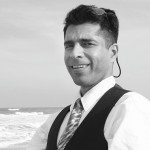 Moe Montana is a Private Equities Asset Manager by day and features freelancer in his spare time having written features on Luxury Lifestyles, Arts/Entertainment and Investment Finance topics.
Some of Moe’s favorite clips of Gregg and the band Past & Present
We trust that this issue finds you well. This time of year is always bittersweet, as it marks both the height of the outdoor events and midpoint of the year . . . which means, sadly, that the days will begin to shorten. So make sure to get out there and enjoy yourself at some of these great events over the next couple of months. Also, make sure to check out our online calendar frequently as we are constantly updating it with new information as we receive it from event promoters. Also, make sure to let us know if we are missing events as well. Yes, as strange as it may seem after almost 5 years covering these great events, not everyone knows that they can post them on our site for free. So help us help the community by letting us know what we are missing, please. We always love to hear from our readers and we always want to know how we can be better.
We would also like to remind all of our readers that our voting for our 2015 Local’s Choice Awards open up in just a few months time on September 1st. Be sure to check out our winners for this year on our website at: www.localhappeningsmagazine.com/the-locals-choice-awards-for-2014/
If your favorites did not win, make sure to both nominate and vote for them so that they can be featured in our February-March 2015 edition. Some of our winners pulled out a victory with a margin of just a few votes, so EVERY vote counts!! Remember, too, that you can vote once a day for your favorites.
To all you fathers and fathers to be: Happy Father’s Day!! We hope all of you have the opportunity to spend that day with your loved ones. There are some great events on that weekend to take your father to. Robert always loves to go out the Vallejo Pirate Festival that is held each Father’s Day weekend, which is always a fun excuse to dress like a pirate, drink some beer and say Argggggg, matey!! If that is not your cup of rum you can always use our calendar to find something that is!
As always we have a bunch of Birthday wishes to extend to both family and friends. The biggest, of course, is for our mother, Genevieve, who is marking her 80th year!! We love you Mom and we are so grateful to be able to have the opportunity to share yet another wonderful birthday with you!! Also, coming up is our niece Danielle and Robert’s daughter Veronica in June and July, respectively. Our other friends coming up in June and July are LeGuan, Maureen, Faith, Sandy, Ann, Paige, Lynn, Karen, Jodi, Julie, Sherry, Kenny, Jack, Jay, Tom, Clint, K.C., Phil, Tina, Martin, Doug, Renee, Monica, Donna O., Lisa G., Kyle T. Julie J. and of course our very own Marc and Matt. Happy Birthday to all of you and to all of you that we did not have room to list. We hope that it will be a great year for all of you!! Cheers to the rest of you as well. Enjoy the summer solstice and make sure to get out and experience some, if not all, of these great local events!!!
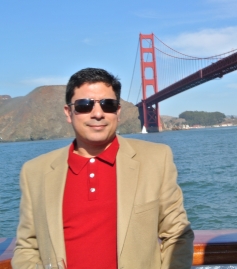 Robert Briseño
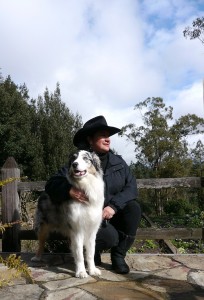 & Deanna Baillie

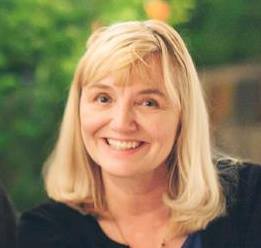 Kristine Mietzner is a writer who lives in northern California.