Did you ever realize that the bottle of extra virgin olive oil currently resting on your kitchen counter can fill much more than your bread-dipping platter or your vial of salad dressing?
Just ask three neighborhood innovators of the olive-oil art who have joined other nearby visionaries to help create a whole new, rich, agricultural tradition and industry standing proudly next to our already world-renowned yearly grape bounty and whose product can rival the best that even Europe can offer.
Ann Sievers, co-owner of Fairfield’s Il Fiorello Olive Oil Company, has discovered some delicious pairings with her 15 farm-grown Italian, Spanish and French varietals, like when she pours some of her resulting pungent Italian frantoio oil onto a sizzling, just-off-the-grill steak. Or her velvety and silky leccino with just an added touch of lemon onto some fresh pasta and baked potatoes.
Ryan MacDonnell-Bracher, on the other hand, who runs Rutherford’s Round Pond Estates, which features not only wines but locally grown foods and their very vital olive oil company, has found many other unique applications for their own olive oils. According to Ryan, she enjoys using the Italian estate blend on spicy dishes she prepares, her Spanish blend on her kids’ ice cream, and her blood-orange oil on fresh, wild salmon.
And then there’s Lissa Ross, owner of her own smaller-growing but still backyard-Napa-based Our Three Olives, who produces a spicy blend of her Italian and Greek oils that she markets online and on her Facebook page. She savors drizzling some on mashed potatoes, spinach and for marinating meats.
In all cases these three producers realize the crucial stages that are needed to create their own unique product typical of what is needed to fully enjoy these pairings. That process, used by many with some variations, comprises certain crucial stages needed to render the most succulent result.
It all begins with a successful harvest, which minimizes as much as possible the time from tree to the milling and storing steps, hopefully within several hours at most. The shorter the period the more that freshness is preserved. Climatological variations will also affect the condition of the fruit yielded.
Also crucial is the stage of maturation at which these olives are gathered from their source.
“If the olive is young you get a very beautiful robust powerful oil,” explains Sievers. “This is when Italian olives are usually picked. The Spanish ones are often collected later and you usually get a much richer, buttery result.”
She adds: “I’m often asked how to grow green or black varieties. People don’t realize that they’re from the same source. The olive is green when it is picked in its early stages and just turns black as it ripens.”
(Both Ann and Ryan feature both varieties while Lissa Ross utilizes an olive that is often two-toned, signifying its mid-season nature.)
While Lissa collects her backyard bounty with family, friends and a few hired workers during the October through December harvest times, and then sends them out to be processed elsewhere, the more formidable operations have much larger scaled onsite activities.
Next usually follows an intense washing of the crop just brought in, particularly to make sure that leaves and other surrounding debris are removed, and then the olives move on to their source of crushing: either a stone or hammer mill.
The former, used since antiquity, would see two huge one-ton stones rotating against each other and smashing the fruits into a mushy paste. The latter device is formed more like a container with knives inside that actually cut, rather than smash, the olives into pieces creating a different result.
”The stone mill tends to be gentle and those oils will have a more buttery taste, while the hammer mill will result in a more spicy, peppery outcome,” says MacDonnell-Bracher. She will go with either one depending on which flavor she is seeking.
What happens next is a kneading stage, where the substance is now sent to a malaxator, a tank unit with big mixing arms which churns for close to an hour, during which time the enzymes within the crushed substance will cause the oil to separate and rise to the top.
After this separation, modern technology is brought in to speed up the extraction as a large centrifuge is used to spin the paste extremely rapidly, separating the waste material left, (often to be used as compost), and set the oil onto its own path. Then a second, even more rapid one, (up to 7000 rpm in Il Fiorello’s case) is employed which removes any remaining water and residue.
“And after all that, what comes out,” says MacDonnell-Bracher, ”Is our liquid gold.”
At completion, it is time to store this precious reserve until purchases are desired and the bottling can occur. To that end, large stainless steel tanks are used where the oil is kept free from degradation by the removal of oxygen while maintaining it at a comfortable temperature between 55 and 60 degrees.
When the desire is to create a special blend, different methods can also be employed; some at the start or at the end of the entire sequence.
As for examples of new flavors stemming from the beginning stage, Il Fiorello reports using different varieties of indigenous olives for their new French blend, while Round Pond will regularly mix in the peels of their blood oranges and of Meyer lemons with olives to achieve each particular oil.
And as for creating their very special Italian and Spanish blends, these are accomplished at the end of the entire production cycle when separate varietals are mixed and sampled in-house to determine which best flavor is created for that new post-harvest rendering.
In all cases these outstanding Napa and Suisun Valley homegrown creations bear the name “extra virgin.” Such a prestigious label does not come easily as the process to achieve that name is a demanding one. Those wishing to pass that rigorous test must submit their product to a tough chemical-screening lab test, which includes degree of acidity, as well as to a sensory panel to determine among other factors its degree of bitterness, pungency and fruitiness.
(For more information check out the websites of these outstanding operations to discover not only the richness of their olive-based products springing from our very own native soil but also the richness of their many other offerings. Round Pond Estates (www.roundpond.com) includes many of their unique olive oil products and info about their regular tours and special olive oil days. Il Fiorello (www.ilfiorello.com) also describes in-depth tours while highlighting many of their oils as well as descriptions of their Kitchen In the Grove cooking classes, their Custom milling service and Community Milling Day. Finally, Our Three Olives, (www.ourthreeolives.com) provides history of the company and their oils and dipping seasonings that can be ordered online).
It’s all right here at your doorstep so enjoy, sample and savor!
 Les Honig is a features freelancer and former journalism teacher from back East who relocated to the OC before landing in Benicia to savor the joys of Northern California living.
The day-to-day lifestyle that most Americans have adopted consists of constant focus and attention to their jobs, their family and their happiness. The rhythm of life can get robotic at times, mundane even, but we rarely realize how fortunate we truly are until something gets in the way that is out of our control. For some busy bodies it may seem impossible, but after a cancer diagnosis, the journey of life can become much more complex.
Fortunately for residents of Solano and Contra Costa counties, Mount Diablo Solano Oncology Group (MDSO) is right around the corner. With 3 satellite offices and two main treatment centers between the two counties—one of their main treatment centers being in Vallejo at the Sutter Solano Cancer Center—MDSO is well equipped to support their patients by offering chemotherapy, biologic therapy, growth factors and molecularly-targeted agents.
MDSO was formed in 1992, and became a part of the Vallejo community in 2002. “Since the foundation of what we’ve been doing, patients who live in Vallejo, Benicia, American Canyon—all of Solano County—now have an option in Vallejo,” says Beau DeFehr, Administrator for Mount Diablo Solano Oncology Group. For care, “they don’t have to go to Stanford, they don’t have to go to UC Davis, they don’t have to go to UC San Francisco to get top-notch cancer care, they can actually get top-notch cancer care right here in Vallejo.”
The success of MDSO is truly thanks to the organization’s Senior Partner and Founder, Dr. Elizabeth A. Odumakinde. “Back in the beginning, early 2000’s, when Sutter Health wanted to bring in additional cancer services and develop the cancer center here in Vallejo, they reached out to several physicians,” explains DeFehr. “Dr. Odumakinde chose to partner with Sutter Health to bring cancer services to the area due to her strong desire to support the people in Vallejo.” He adds, “Dr. Odumakinde personally felt that this community was underserved. She was eager to come out and partner with Sutter, when Sutter asked her, and ever since then we’ve continued to grow.”
MDSO has been very successful in becoming the go-to cancer treatment center for patients in Solano County, but are now noticing something is missing. “Now we’re seeing that gap where we have tremendous treatment options and tremendous care for our patients, but there’s that missing piece of the community resource to offer along with it,” says Gina Bowen, Healthcare Marketing Consultant for Mount Diablo Solano Oncology Group. In efforts to bring more resources to town, they’ve partnered with the local nonprofit organization Cancer Support Community (CSC) to bring something amazing to Vallejo—Wings of Hope: Butterfly Release.
CSC has done this event before in other areas. “It’s just a beautiful event, different from anything we’ve seen,” says Bowen. “You can really feel the intensity when you’re there.” Celebrating and honoring the lives of those living or passed who have been touched by cancer, Wings of Hope is a heartwarming event that includes family-friendly activities and a ceremonial butterfly release. All proceeds will benefit CSC in efforts to bring in support, education and hope to Vallejo, free of charge, for anyone affected by cancer. The first Vallejo Wings of Hope event was a success last year and MDSO hopes for an even greater turnout this May.
“We just need to get the word out and educate people in the area of what it is and what we are trying to do for the Vallejo community,” says Bowen. “We’re committed to make this a long-lasting event and the more money we raise, the more services we can bring to Vallejo.” Corporate sponsorships are available and everyone is invited to attend and sponsor a butterfly. MDSO is the presenting sponsor of the event, with the 2nd Annual Wings of Hope: Butterfly Release event being held on May 10th at Dan Foley Park in Vallejo.
“There haven’t been a lot of local events to raise cancer support services,” says DeFehr. “This event is geared to bring cancer resources directly to people in Vallejo. This year we’re hoping to raise community awareness, hopefully gain more sponsorship from businesses and organizations in the area to participate in this and help fund these cancer support services for the people living in Vallejo.”
CSC provides free support services for cancer patients and their families, providing comprehensive care—including counseling, support groups, nutrition, exercise and education—for cancer patients and their loved ones. “We’re not really seeing anything in our Vallejo area that’s offering such services,” Bowen says. “[Wings of Hope] could raise funds so that Cancer Support Community could bring different workshops into the Vallejo area for patients and their families. This event is only supporting that.”
Wings of Hope is quite a spectacle to be a part of and there is certainly power in numbers when it comes to creating a good vibe and positive energy. “People can come out free of charge to enjoy the event,” Bowen explains. “But if they would like to release a butterfly in honor or in memory of someone who has been touched by cancer, we ask for a $25 donation.”
Overall, Wings Of Hope is aiming to further the care that MDSO is already providing here in Vallejo. With more locally available cancer support services, patients will experience the most fully rounded, comprehensive cancer treatment possible. “We have a team of highly trained physicians,” says DeFehr. “They are highly skilled in their craft and have the ability to give the greatest care and treatment to our patients.” And, best of all, “We support all patients and accept most insurance plans, including state Medicaid programs,” DeFehr boasts. “We employ financial counselors to assist patients with obtaining financial assistance, help with co-pays and other similar programs to aid those patients with financial needs.”
MDSO partners with other local groups such as the American Cancer Society on a number of their events, including Relay For Life, as well as the Sister’s Network in Solano County. And they’ve been educating the community with presentations as well. “Last year we presented to Rotary, Kiwanis and Lion’s Club,” says Bowen. “Doctors came out with us and gave discussions on preventative care for cancer and how to take care of your body to do whatever you can to prevent it from coming on.”
If you or someone you know has encountered the need for cancer treatment, MDSO has you covered. “We treat all types of adult cancers,” says DeFehr. “We’re the largest oncology group in Vallejo, we are private practice, and the only all-female private practice oncology group in the Bay Area.” These physicians have been dedicated to providing excellent care for nearly 40 years, and counting.
Support what MDSO is doing for the community by attending the Wings of Hope: Butterfly Release event on May 10th. To sponsor a butterfly contact Alex Rubin, arubin@cancersupport.net; (925) 933-0107. For more information on the event visit http://cancersupport.net/events/wings-of-hope-butterfly-release; find MDSO’s website at www.mdsogroup.com.
Wings of Hope: Butterfly Release
May 10th at Dan Foley Park in Vallejo.
10 a.m.-noon. Butterfly release at about 11 a.m.
$25 to sponsor and release a butterfly; Corporate sponsorships available.
 Native to Vallejo, Matt Larson is living in Greater LA to pursue all that is good in the entertainment world. Support his career and follow him on Twitter @mattnstuff.
Today this suburban Contra Costa hub of 65,000+ citizens, which is on the eve of its second hundred years, hustles and bustles as never before with a vibrancy and color that the very best Bay Area cities now typify. Yet, it’s hard to believe that this leading and ever-improving San Francisco bedroom community nestled in the foothills of Mount Diablo, once upon a long time ago found mainly settlers on horseback doing their trading on dirt roads where bountiful boulevards now thrive.
Indeed this area has come so far since early Spanish settlers referred to a central waterway as Arroyo de Las Nueces (Stream of the Nuts) because of its abundant bordering walnut trees.
Later 19th century residents were to call the town The Corners as its center, now located at Mt. Diablo Blvd and North Main Street, was the actual intersection of trails linking Pacheco to Livermore and Oakland to Antioch. Needing a more unique reference point to open their first post office in 1862, the name Walnut Creek was then formally adopted for the town. Fifty-two years after, on October 21, 1914, in order to legally collect taxes needed to launch an ambitious project paving Main Street, Walnut Creek was incorporated as an actual city.
And that’s where people like prominent WC citizens and current centennial steering committee heads Mackenzie and Steve Lesher now enter stage left to commemorate in the grandest fashion this very vital anniversary.
According to Mackenzie, the city council first approached them hoping they’d help create a special year-long commemoration which was community-based and led, involving both businesses and non-profits alike. Given some seed money to start, the amount was bolstered by numerous donations from hometown backers including a special $50,000 gift from their Sponsor of the Century, locally-based Mechanics Bank.
The result has been a super ambitious set of activities that is already highlighting what is special about this city and which promises to bring fun, education, and awareness to the doorstep of the many excited and engaged residents currently taking part.
Evidence of this high profile presence and widespread support can already be seen as banners announcing the centennial fly on nearly every lamppost on Locust and North Main Streets and at the six entrances to the city bearing the names of those who have “adopted” that flag shown below the large logo.
But for those wishing to find out the true panoramic depth and breadth of it all, you should check out www.walnutcreek100.com and you will find there just how many threads combine to weave the brilliant and intricate tapestry of the year’s numerous civic and personal outreaches.
“It’s really a whole rich array of organizations and people in Walnut Creek, so we think of it like a big patchwork quilt,” explains Gayle Vassar, the city’s communications and outreach manager, completing the previous metaphor.
Vassar then goes on to explain that at the driving heart of the effort is the “100 Ways To Celebrate” concept. On their website’s monthly calendar, you will find examples of this widely based participation, with every nook and corner of the community using their organizations to plan special commemorative events or providing already-recurring ones with some germane centennial theme.
Mentioned, though, by both Vassar and Lesher as particularly involved and especially supportive sponsors are the Lindsay Wildlife Museum, located in Larkey Park and Walnut Creek Historical Society, now headquartered at the Shadelands Ranch Museum, both of which already have made significant and invaluable contributions to the community even before this year’s anniversary.
“We are the oldest wildlife rehab hospital in the area,” reveals Melissa Strongman, Education Director for Lindsay Museum. “And, as such, we take in injured California wildlife and treat them. It’s also a house where animals that cannot be released into the wild live here with us.”
Now for the big 100th year celebration, they will conduct a “10 Ways to Help Wildlife” with every month till November carrying a specific theme and with special and regular presentations coordinated to further that topic.
April will be “10 Ways to Care for Baby Animals This Spring” while May will deal with “10 Ways to Protect Wildlife in the Wetlands.”
According to Strongman the exciting activities will feature behind-the-scenes experiences tied to each month’s special theme. Visitors during April, one of the museum’s busiest times to receive injured animals, will be able to view the actual treating of the youngest squirrels, birds, raccoons and other small creatures, while May will focus on their large family of hawks and other birds who frequent the many wetlands in our Bay Area seeking water.
Very active too is the Walnut Creek Historical Society, which already conducts regular tours at their Shadelands Ranch location. Since moving there, they have taken this time-accurate restored landmark home and used it also as a base for their operation, housing many archival records and historical artifacts. They also serve as the fiscal agent for the entire year-long commemoration.
Along with some presentations at the site this year related to the centennial theme, there will also be expanded tours of the downtown area on the second Saturday morning of each month. The 90-minute walks will highlight many of the city’s historically famous buildings and their architectural features, along with information about important residents, including business and civic leaders.
The Historical Society plans as well to be prominently involved when Mt. Diablo State Park celebrates the 150th anniversary of the national state park system and the mountain itself on April 26th. In addition, they will be conducting a living history day on September 21st at Shadelands.
“Families can spend a day circa 1914; playing games, having tours of the house and grounds and learning what it was like to live on a ranch around the time the city was incorporated,” explains Society co-president Karen Majors.
Finally, they will be the hosts of the third major signature centennial event also planned there, a huge citywide birthday party set for October 18th. Gayle Vassar explains that planning for this culminating celebration is still in the works but it will be, in her words, “a throwback to what you might have seen when we were incorporated a hundred years ago. We’ll have a daytime festival, something family-friendly and free to the public.”
This seminal happening will be the last of this trio of major anniversary fests; with the first already having taken place in January to kick off the new year while remembering past ones too. Dubbed Flappers and Flasks and held at the Lesher Center, it was a joyful recreation of a bygone era with a speakeasy theme, guests dressing up in creative 20’s attire and featuring live music by Channel 7 news anchor and local resident Dan Ashley and his band Push.
The second of the major celebrations, this time honoring Heritage Day, will take place at another historical landmark, Borges Ranch on May 17th. Promising to be a truly sensational bash with picnicking, food trucks and fun for all, it will also feature country singer and American Idol finalist Matt Rogers. Docents will be on hand as well to talk about the history of the town, while conducting tours of the farm itself. Details again can be found on the Walnut Creek 100 website.
In addition to these main events, others are planned to delight and dazzle local residents, including the hosting of an ice cream social by all of the city’s living mayors at the annual July 4th celebration in Civic Park.
And if all that wasn’t enough to give proper recognition to this once–in-your-lifetime commemoration, the thriving arts community will be involved as well. Curator of the Bedford Gallery at the Lesher Center, Carrie Lederer, announces they will be holding a special, nearly two-month-long, exhibit beginning on September 21st, funded by a Lesher Foundation grant, under the title Walnut Creek Turns 100.
“I’m hoping that the community will create a public art portrait of our city, a collage capturing then and now,” says Lederer. “It may be depictions of family, of our wonderful foothills, open spaces or any subject that shows Walnut Creek from the aspect of history, land, commerce or community. Artists 18 and older are encouraged to submit their work and we’re accepting all types of entries including painting, sculpture, drawings, photography, print, video and other digital media. The sky is really the limit.” Specific details can be found at http://bedfordgallery.org/artopportunities/wc100.shtml.
A legacy project is now also being planned, which will see a centennial grove of international and native-based trees planted along the lake at Heather Farms Park, to represent the many diverse places people come from who now reside here. And Walnut Creek’s local vintner, Shadowbrook Winery, has prepared a special Centennial blend with part of the sales proceeds going to help support the century celebration.
“This has been such a great way to bring us together from our businesses to our schools, to our kids and to our families, to literally every corner of our city,” says Mackenzie Lesher, putting it all into perspective. “It’s really a community-building activity that reminds people why Walnut Creek is such a great city to live, work and raise your family in; a truly wonderful, rare and unique place.”
 Les Honig is a features freelancer and former journalism teacher from back East who relocated to the OC before landing in Benicia to savor the joys of Northern California living.
Planning on redoing your house? Want to spruce up a room or two? Maybe you just want to make your home seem a bit uncluttered and more open? Maybe you have been watching the DIY (Do It Yourself) channel and pouring over home design magazines and it is just not coming together? Does it all just seem a bit overwhelming? Are you starting to question if you are in fact a DIY’er or you need a professional to step in?
Who to hire though?
Can you see some of their work in an actual home?
How can you find the time to meet with them all though…especially since you can barely find time to read a designer magazine?
Hard questions and challenging problems faced by many a homeowner who is overwhelmed in trying to find their own style. Well we offer a possible solution to our readers…the 37th Annual San Francisco Decorator Showcase.
Imagine, if you will, 24 interior and 4 exterior designers culled from over 60 of the best design firms the San Francisco Bay Area has to offer, all working to redo one of the most beautiful homes in the Presidio Heights neighborhood. Well, imagine no more because starting on April 26 until May 26th, 2014, you will have the opportunity to experience just that. Each year, the San Francisco Decorator Showcase brings together this home improvement talent to showcase it against some of the most fabulous homes you can imagine. This year will be no different. These 28 design firms will meticulously redefine traditional and modern in a 9,000 sq. ft., 3-story home on the southern border of the Presidio at 3660 Jackson St. By the time they open they would have been working on their designs for almost 3 months and it will be a sight to behold.
The house itself is already a work of art. Originally built in 1907, the year after the great San Francisco earthquake, for local Attorney Alfred Sutro and his wife Rose. The home sits on a 14,091 sq. ft. parcel and its northern view is that of the Presidio and the San Francisco Bay. The designers will not have to work hard to bring out the best of this gem that already features a wood-paneled library, formal wine cellar, open gourmet kitchen and a three-story staircase. That will be their challenge though, to add a modern twist to the traditional space of this grand estate that dates back over a hundred years. Visitors will have the opportunity to immerse themselves in this grand masterpiece of home decor and to discover ideas and designers that they might use in their own home.
The San Francisco Decorator Showcase has been taking place since 1977, so this will be their 37th annual production. It was a bit more challenging this year securing the home that they will be using and, in fact, they did not get the firm commitment until mid-January. This delay in finding the home put the event in jeopardy and they were contemplating not holding it. The challenge in finding a home is that the designers are going to make a great deal of changes it with limited input from the owners. The home is also essentially taken over during this process so the homeowners have to move out if they are currently living there – or face a very cramped lifestyle. Often times the home they use is getting ready to be sold or has been recently purchased – which is the case in this home. The number of homes that could be used for this in San Francisco is a very finite amount to start with. When you consider that home needs to be emptied out for several months for this process to occur one realizes how quickly the number of available homes dwindle. Nevertheless, it is a unique experience to not only spend time in a home like this, but also to see these many designers in one location as well.
Once the house was finally secured, the team scrambled to assemble the cast of designers to participate in this year’s event. Designers compete to participate by first looking at the home then submitting preliminary design sketches for the room(s) they would like to be considered for. Once all those preliminary “bids” have been submitted, the design board reviews them and they then select the best candidates to help bring the overall theme for the home to life – the 2014 theme is Traditional with a twist of Modern. Once selected, the designers start to bring their design ideas to life. Keep in mind that the designs, NOT the homeowners or the San Francisco Decorator Showcase organization, pays for the transformation. In limited cases a sponsor will help to cover the cost of a particular room like the kitchen or the bath or if the homeowner was planning on doing some of the upgrades they might contribute a budget for the designer to work with but for the most part they are on their own. The cost can be enormous and vary wildly depending on the size and type of space. Typically the designer’s cost would be in the 10’s of thousands but it can also be well into the 100’s as well. This event then is a significant investment for them and they spend quite a bit of time and energy, as well as money, in transforming their space for your inspection. With the 24 interior and 4 exterior designers working on this years project not only will you be looking at a multi-million dollar home, but it will include multi-millions of dollars in design work and furnishings as well.
All this work is also a fundraising benefit for the San Francisco University High School scholarship program. The high school is located right down the street from this year’s home at 3065 Jackson St. and the organizers are hoping that they will be able to raise as much, if not more, than they did last year – $620,000 to be exact. In addition to entrance fee charged, the school raises money by holding a silent auction of the numerous items contributed by generous donors. Attendees of the event will be able to bid on all of the items which range in value and interest, such as Giants or 49ers tickets, tennis lessons, furniture or art pieces, so the items are not just for your home. The event kicks off with a party for the sponsors on April 24th and one for the Designers on the 25th at the home. Tickets are available for these exclusive events via their website: http://decoratorshowcase.org/. The home tours will take place Thursday through Sunday beginning on April 26th until May 26th. The home is also available for private parties Monday through Thursday for those wishing to entertain in style. Tickets for the tour are $35 and $30 for Students and Seniors. So, take a day and discover how to design with a multi-million dollar budget and perhaps take away an idea or two on how to make your home look like a million dollars as well.
 Robert Briseño – When he is not busy picking up toys that have been discarded by his three young children he dreams of having a home that looks like it was decorated by a designer.
All my life I have loved sports. Baseball, football, basketball, horseback riding, foursquare, tetherball, volleyball, or even just running, were always a part of my life. In my late teens I was introduced to rowing, and thus began a love affair that was to last for the next 30 years. Whaleboat and crew rowing were fun and exhilarating with all of the exercise that was involved. Because I also loved other recreational activities like horseback riding and golf down the road, it became increasingly harder to stay on a competitive team because of the time commitments. My life was not missing anything, but I’ve always been looking for something new to try and about three years ago a friend talked about teaching me to kayak. The timing was never right and a couple of years passed. Fast forward to spring of 2013 and once again the idea was presented to me when my boyfriend, John Troupe, suggested we go kayaking since he had done a little in the past and wanted to get active again.
As luck would have it we had a trip to Lake Tahoe planned and so that went to the top of our activities list. When we arrived in town we were so excited to head to Zephyr Cove Beach to start our kayak adventure, but alas the water was too choppy and they had shut the beach down by 2 pm. Not to worry, we quickly made plans for the next day and headed to the Heavenly Gondola for a visual treat that you MUST experience! We headed all the way to the top and we quickly got over our frustration at not being able to go kayaking that afternoon.
I had not been to South Shore for quite a while before this trip and if you fall into this category, you should definitely make the time to plan a trip. The area around the gondola was full of new shops and restaurants and we decided to try a new restaurant that looked inviting, Base Camp Pizza. Football and baseball was on every wall and I couldn’t even count the number of TVs that they had installed. They had daily drink specials which we immediately took advantage of and ordered one of their famous pizzas. I would heartily recommend a trip to Base Camp Pizza since it had everything I like: good food, great drinks and a fabulous, casual atmosphere!
We stayed nearby at the Lake Tahoe Resort Hotel and it was perfect! We could walk everywhere, and as we headed back to our room we decided to stop at the pool downstairs and contemplate our kayak schedule for the next morning. We decided to try paddle boarding before our kayak commitment the next day since we had some extra time to kill. What a fun experience! Great workout with a little bit of fear of falling in the ice cold water in the lake – I decided to just go ahead and fall in to get it over with and I found it wasn’t that bad and even a little refreshing. (John does not agree with this and stayed dry the whole time!) South Lake Tahoe Stand Up Paddle gave us a quick lesson and sent us on our way and I must say that even with the rough water that the lake was experiencing we had a blast and we were definitely happy we tried this new sport.
So off to Zephyr Cove to go kayaking! I was so excited, but when we arrived at the beach we were once again told that they had to shut down the beach due to rough water. I was sooo sad and it seemed like we would never get out on a kayak! Zephyr Cove staff was great and invited us back the next morning first thing and I appreciated that they were very safety conscious, especially since this would be my maiden voyage aboard a kayak.
Fast forward: another dip in the pool and jacuzzi, lunch at The Brewery in Lake Tahoe, hiking around Emerald Bay and back to the Lake Tahoe Resort Hotel to get rested and anticipate my kayak holiday that was now set for the next morning.
The alarm went off at 7 am, so we could walk to get our lattes and come back for our breakfast at the hotel, which I have to say is a great perk for staying at the Lake Tahoe Resort Hotel. Eggs, pancakes, oatmeal, toast, fruit and just about anything you could be hungry for is served up for free! So after our hearty breakfast we headed back to Zephyr Cove with a little bit of skepticism about whether we would be able to get out on the lake, since it still seemed rough. When I heard the words, “Are you ready?” I felt a little fear; no backing out now! I wasn’t sure if I was ready to fall into the water today, since it was still early and a little chilly. As the kayaks were getting pulled off the beach, I swallowed hard and decided to suck it up. I sat down quickly and tried to listen to the young man’s instructions to me about where I could paddle and where I should stay away from and headed out. John had taken off like a pro and feeling a little intimidated I quickly followed. Stroke one, stroke two and before the third stroke I felt the familiar feeling of my arm, back and core muscles settling in. There was no turning back, “I liked it! I liked it!”
That morning John and I stayed within the sight of the beach, since there were still some rough water warnings, but we were able to paddle around some rock formations and out into the lake where the water was so blue it looked unreal. There is something to be said for the peace and quiet you feel on the water with such beautiful surroundings. If you have never rowed or kayaked before I believe you can pick it up pretty quickly enough to have a great day on Lake Tahoe. We paddled around for about an hour before it was time to head home from our little holiday. It wasn’t enough! I felt cheated that we had not been able to kayak more than what we did, but I felt an enormous surge of exhilaration to know that we would definitely be back!
When we hit the familiar roads of the Bay Area, John and I talked about the future kayak trips we would like to take. The North Bay is full of possible kayak trips – Benicia straits, Vallejo’s Mare Island Channel, Napa’s riverfront – the list kept growing. In South Lake Tahoe we had kayaked in single kayaks, now we thought it would be fun to try out a tandem kayak so we could experience our kayak trips a little closer together.
Next stop: McCovey Cove in San Francisco. Since John and I are avid SF Giants fans, we decided that we had to make a pilgrimage to the most popular Kayak spot in the Bay Area. What a blast! We rented a tandem kayak from City Kayak on the waterfront for 3 hours and they gave us a little map of where to go and what to see on our voyage. We started early and headed away from the Cove, first along the waterfront and we were able to see the piers as we have never seen them before. I thought I would be a little scared but I wasn’t, it was so much fun and we went under the Bay Bridge and kayaked alongside bigger boats and ships. What a rush! We then headed back towards AT&T Park and through the Marina. When we entered the Cove, we were definitely not alone, other kayakers and boats were positioning themselves for the hope of catching a “splash” ball and the cameras so they could wave at their friends back home. We made friends with our fellow paddlers and sailors and we really lucked out on how beautiful it was on the Bay that day. I think I scared John a little with my adventurous spirit but when we look back on those pictures (yes we took pictures!) we just smile at the fun we had.
On these first two kayak adventures we had rented “sit on top kayaks” or “SOT” kayaks. John, with a little more experience than myself, wanted to try out a “sit inside” kayak. Wasn’t that harder and scarier? I wasn’t sure I was ready for that – I was very skeptical. Did I forget to tell you that John is a great problem solver and researcher? Well, within a few days he had found a kayak company, Blue Waters Kayak in Tomales Bay, which does re-entry lessons for inside kayaks. Now I was worried! We were emailed our confirmation and headed out on a cold and foggy morning. (Weekdays are best for private instruction.) If nothing else the drive from Napa to Tomales Bay is very beautiful, we even stopped a couple of times to admire the views and take some pictures.
When we arrived at Blue Waters Kayak there was a bustle of activity on the beach. Kayaks departing, kayaks arriving. We quickly were introduced to our instructor, she went over our schedule right away and I immediately felt at ease with her casual and competent manner. In retrospect, the hardest part of the whole day was learning all the attire we had to put on. Layers and layers: wetsuit, windbreaker, kayak skirt and water booties; we at least looked the part. We were put in two separate inside kayaks and I felt a little uneasy as I was told that I would have to capsize myself in order to rescue myself. That water never looked so cold. When we started paddling out on the Bay, I started to feel comfortable again as I did the repetitive paddling motion. I tried to remember all of her instruction in the first part of the class and to focus on her words as she schooled me on proper paddling. She had us doing some drills when out of the blue I was heading right into a sailboat, quick: “What do I do?” Capsize! It was perfect I didn’t have to think about it and guess what? It wasn’t cold with all that garb on!
So now I am out on the Bay and I quickly started to do the entire list from our earlier instruction. Things were going well, I even was able to get the kayak turned over quickly, now the coup de gras, to be able to mount the kayak and get my body turned around to sit inside the kayak without capsizing again. That was the hard part, and I have to be honest, with nothing to bounce off of (since I couldn’t touch bottom) I made probably 50 attempts to mount the kayak. My instructor finally had to step in and do a T-rescue where she positions her boat to stabilize mine and I was able to finish my mount. Oh well, I guess I’ll have to keep practicing. John was able to head back to the beach and finish up his instruction and he was able to get certified! Woohoo! One of us made it. If you have never kayaked before and are a little afraid, Blue Waters Kayak is a great resource for you. Lessons, both private and group, are available as well as guided tours. I am so glad that we took this class and we will definitely be back!
Quickly wanting to use his class knowledge, John made a reservation for us in the Monterey Bay to take a tour to see the sea otters. The kayak trips you can plan around the Bay are just endless and, as you can see, are never boring and always fun. John and I headed into Monterey Bay Kayak right on Fisherman’s Wharf in Monterey and once again I was pleased to meet the staff since they seemed knowledgeable and very friendly.
We made our way back to our Hotel in Carmel, The Hofsas House, which is the only place that I will stay. Comfortable and right off of Ocean Ave by a couple blocks, walking distance to the beach and all the best restaurants. Carrie Theis, the owner, and her staff always treat you like a member of the family and, of course, they are pet-friendly so Ben LOVES staying there!
That night as we started our dinner the worst thing imaginable happened, I started to get sick with a kidney stone! Of all things! Long story short, we had to cancel our reservations for the next morning so we were not able to get our kayak tour in. Oh well, we will definitely reschedule that tour.
So now I’m hooked, John and I have done nothing but plan other kayak trips this spring and summer so we will have a few more stories to tell I’m sure!
Things to do while you’re in South Shore Lake Tahoe
MUST have a meal at The Getaway Café (I recommend the burger!)
Take a trip on the Tahoe Queen Boat Cruise
Ride the Heavenly Gondola
Hike around Emerald Bay
Things to do while you’re in Tomales Bay
Eat at Nicks Cove and Cottages
Stop at Hog Island Oyster Co. and eat some oysters and drink some beer
Visit Pt. Reyes Lighthouse
Things to do while you’re in San Francisco
Walk along the Pier and tour the Ferry Building
Walk across the Golden Gate Bridge
Walk to Coit Tower
Things to do while you’re visiting the Monterey Peninsula
Eat at RIO Grill in Carmel!!! The BEST grilled artichokes in the world.
Take daily walks on Ocean Avenue Beach
Take the Wine Walk in downtown Carmel
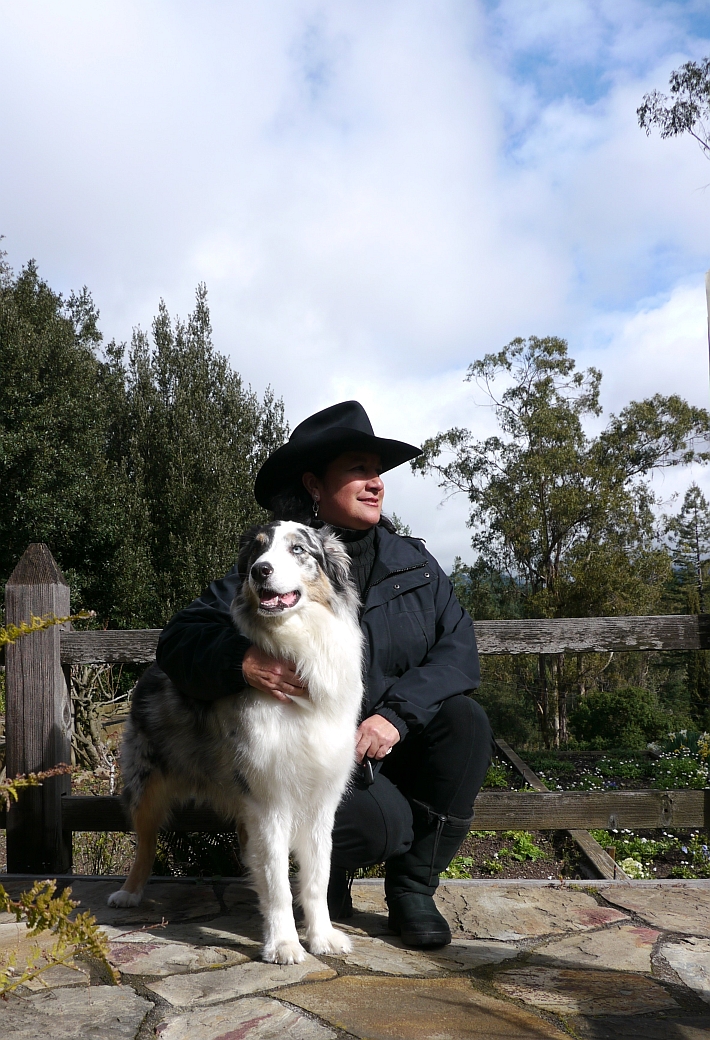
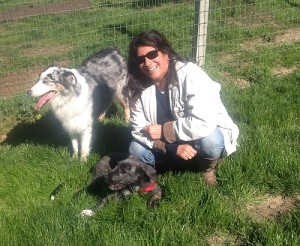 Deanna Baillie is looking forward to many more summer paddling trips with John. Ben, her Australian Shepherd, loves following the road less traveled as well and is looking forward to showing off his new little sister, Reagan, an Irish Wolfhound. “Like” them on the Local Happenings Magazine Facebook Page.
Hmmm the springtime, what a wonderful time of the year. The days are creeping longer and longer as the mercury rises (hopefully it will be as warm as January was) and the kids can come out to the park and play. It is just nice to be able to sit outside and soak in the sunshine with a few friends and family members while enjoying a beverage of your choice. It is also nice to be able to get out to start enjoying the springtime festivals as well. Then, of course, those sporting fans can move away from the indoor sports of basketball and hockey and welcome the return of the boys of summer to the diamonds. (GO GIANTS! Deanna is biased.)
Those with a green thumb or the DIYers can start to spruce up their yards so that they can be ready for the return of summer as well. Just lots to do for everyone, no matter your preference, so check out the calendar and start penciling in your activities for the next few months. We have even made it easier for you to do that, by adding LHMag.com to our web addresses. Now you can access our site from our normal LocalHappeningsMagazine.com or LHMag.com. We thought it might be faster and easier to go with LHMag but please tell us what you think. Either way we still have all the great stuff to help you find your way.
We will also be rolling out a new spin off magazine of Local Happenings called Local Flavors in the coming weeks. The magazine will focus on food, wine, beer, spirits (the liquid kind) and more. All the things that we eat and drink and that adds some “flavor” to our lives. Look for it both on line and at local businesses soon and please let us know what you think. We know that it will help you to discover some new flavors all around you.
Enjoy this spring issue and get out and enjoy yourself before it gets too hot because before you know it visions of sugarplums will be dancing in your head!
As always we would like to give some birthday shout outs…to start that list is our own Deanna Baillie, who will be celebrating her 39th birthday…again. Please wish her another happy year if you see her out and about with Ben the wonder dog and her alter ego. Our Father, not the one who art in heaven but our actual father – Ramon will also be celebrating along with Robert’s son Ramon – who shares a birthday with the big Ramon – which is why they share their name. Also, celebrating in April and May are…Judy, April, Juanita, Donna, Carol, George, JD, Dan, George N., Debbie K., Cathy A., Leah S., John H., Stacy J., Mike, Leonard, Amber, Benny, Steve, Joey, Tom, Kelly, Leslie, Jackson, Leanne L., LeeAnne C., Kathy, Bonnie, Wanda, Jeanne and all the others that we do not have room to list, we hope all of you have a wonderful birthday and a great year! Cheers!
 Robert Briseño
 & Deanna Baillie
Vallejo’s Active 20/30 Service Club’s mission statement embodies the symbiotic relationship that occurs when kids in need receive guidance and assistance from their elders. But, unlike many service clubs, the Active 20/30 is exclusive to folks in early adulthood. Their motto is, “youth to be served, must serve,” and they exist to both provide charitable services to children in the Vallejo community, and to give 20-39-year-olds the opportunity to seek personal fulfillment through helping others. They hold regular meetings and fun events, so it’s also a great way for young people to meet folks their own age, and Derrick Karimian, the Vallejo Club’s Charter President, said he can’t count the number of touching moments he’s experienced over his years of involvement with the club’s charity programs.
“We make sure that the money we’re spending is going to children in need,” Karimian said. “We hand-select every child that benefits from our fundraising programs and a lot of these children are living in motels, going to homeless shelters, living in their cars … It’s definitely going to a good cause.”
Karimian originally joined the 20/30 Club through the Napa chapter, and after some years of success decided to form a Vallejo chapter; he saw a greater need for charitable services in the area. As it turns out, Vallejo’s 20/30 service club has been an avenue for educational programs, food bank drives, “shopping-spree” drives, and other great charitable programs, since it was re-established in 2011. Their main focus is at-risk youth and their mission is to provide a chance for “personal fulfillment” for young adults looking to serve at-risk youth.
The national circuit of service clubs was originally founded in 1922, but a lot of them, including Vallejo’s, disbanded, especially during the 1960s and 70s while the Vietnam War was going on. Membership was originally offered exclusively to 20 and 30-year-olds, but they’ve since expanded the age limit, raising it to 39. This has allowed for an increase in their overall membership and gives members the opportunity to establish long-lasting memberships with the club. Now, 20/30 service clubs are sprawled all over the United States and Canada.
“The club as a whole really started gaining traction in the late 90s, near the turn of the millennium,” Karimian said, adding that Vallejo’s chapter is still going strong, three years in.
In addition to the Napa and Vallejo Chapters, there is also an Active 20/30 Service Club in San Francisco too. In 2010, the San Francisco club was re-chartered as a women-only group, but they switched back to a co-ed club in 2012. They’ve been able to raise thousands of dollars for local charitable programs (100% of the money they raise goes directly to the charity organizations they work with) despite having less than a dozen members, and they’re accepting applications from anyone aged 21-39 who’s interesting in getting involved.
“Unfortunately for people under 40, and particularly under 30, many service clubs tend to attract a little bit older of a population,” Karimian said. “Our club is for young people specifically because there is a lack of service clubs for young people.”
One of the year-round services that 20/30 clubs offer is a series of classes on a range of topics for Vallejo youth. Usually, these classes are done in partnership with a local group or business, and Karimian says they give the 20/30 service club’s members an opportunity for more “hands-on” charitable work. Oftentimes, service members will help facilitate or even teach the classes, and Karimian said it’s a very fulfilling type of work.
“We do a career and life expo with all the 8th graders in town,” Karimian said. “We have a career portion, where young professionals are paired with children one-on-one and they form a career path plan. Then, there’s a life portion, where we talk to the kids in groups.”
During the life portion, they learn important skills that might not be taught in standard classrooms, like CPR, self-defense, and the basics of understanding credit (and avoiding credit debt). The “career” portion of the event also helps 8th graders in Vallejo, since the school district offers “Wall-to-Wall Academies” for that offer career/college preparatory classes.
In addition to their active, hands-on service projects (like the classes), the 20/30 Club generally takes on one or two “big picture” projects to focus on; usually programs that are a little more long term and require donation funding to take place. For example, Karimian pointed out that all of the clubs in the United States and Canada are required to do a shopping spree for kids with low-income backgrounds, and they can choose to schedule their shopping spree for either a “back to school” event or for Christmas. Vallejo’s service club opted for the school shopping spree, said Karimian, starting in 2012.
“With the shopping spree we buy backpacks, school supplies, hygienic items, three to four outfits and two pairs of shoes,” Karimian added. “The idea behind this is to help children who come from a background where their parents might not be able to afford to buy them new clothes and school supplies, so that they can go into the new school year feeling confident and ready to take on the studies at hand.”
To fund this shopping spree, the service club relies heavily on fundraising events, like the one that’s happening this month on April 18th at Blue Rock Springs Golf Course, beginning at 1 p.m. The cost is $125 per person, which includes golfing fees, as well as lunch, dinner and some extra treats. The club members who organize the event take great pains to make sure that everyone is included—both serious golfers and casual players who are just out to have a good time. They do this by doing their best to group serious golfers and causal golfers into separate groups, and to allow the folks who are more serious to go first. So, if you’re not the greatest golfer in the world, it doesn’t matter; you can still come out and have a fun experience, and maybe meet some new people too.
“We’re not big golfers in our club, but we do enjoy the outdoors, and we go out and have a great time,” Karimian said. “We’re more concentrating on the experience—I don’t care if you’re 20 under par, or 50 over par—if you’re having a great time, we’ve done our job.”
The 20/30 Service Club also relies heavily on businesses in the local community too, and not just in ways that you might expect—obviously, they need local sponsors, especially for events like their golf tournament, but they also have established partnerships for educational programs through local businesses too. For example, they’re constantly collaborating with the Greater Vallejo Recreational District on events, and they recently did a self-defense educational training seminar with William Kim’s Tae Kwon Do studio on Springs Rd. in Vallejo.
“We cannot do this without sponsorships from business,” Karimian said. “For every hole sponsor that we get, that’s one more child who will receive school supplies, clothes and a haircut—it literally translates to one child per sponsorship.”
The Napa Club is holding their golf fundraiser in late June, and a poker tournament in May. The San Francisco Charter holds regular events as well.
For anyone between the ages of 20-39, living in the Vallejo area and looking to get involved in the local community, visit www.vallejo2030.com. To get involved with Napa’s charter, go to www.napaactive2030.org. For San Francisco’s, go to www.active2030sf.com. Karimian also invites anyone who’s interested in getting involved with Vallejo 20-30 to contact him through email directly at derrick@krystleproperties.com.
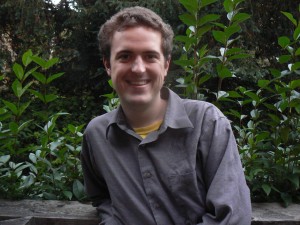 Nate Gartrell grew up in Benicia, studied journalism in college, and has written for a handful of media outlets since age 15. He aspires to visit all 30 Major League Baseball stadiums and to hit the trifecta at the horse track.
I don’t know about you, but I am having a hard time with the fact spring has sprung, daylight savings time is here and we really never had a winter. Wasn’t it just Christmas? Well, this means it is time for spring-cleaning and, more importunately, updating menus. I do it every week at my job, but for a season change, this really means an overhaul. Very soon we will have to shed our warm sweater, which normally means shedding a few pounds. Everyone will be looking for a lighter cuisine, but I don’t care how light you go, you cannot go without something sweet at the end of the meal. Luckily, fresh fruit will start to be available in abundance and I say there is no better time to take advantage and make a fresh berry pie or tart. If you are like me you can also make a savory pie, nothing better than a chicken potpie for the soul.
The pie is believed to have been developed around 2000 B.C. by the Egyptians. The Egyptians, it is thought, passed the pie on around 1400 B.C. and 600 B.C. to the Greeks. Around 100 B.C. the pie traveled from Greece to Rome. The first known recipe for a pie was for a rye-crusted goat cheese and honey pie. Pies first appeared in England around the 12th century and the pies were predominantly meat. The crust was known as “coffin”, and there was more of it than filling and it was not actually even eaten but used only to preserve the moisture and flavor of the filling.
The term “tart” appears in a savory 14th century recipe, “Forme of Cury” which is a cookbook from the period, which means Forms of Cooking. Tourte de moy was a tart of bone marrow that was used in England in the 16th and 17th centuries. A mixture of savory and sweet was common in medieval dishes.
The biggest difference between tarts and pies is their crust. Tarts contain less filling than pies; the flavor of the crust will likely be the key to the success of the final product. The other difference is the shape of the pie versus the tart. The pie is round, of course, whereas a tart can come in many shapes. The tart is closer to the pastry family than a pie. The crust of a tart also tends to be more delicate than a pie. Pies and tarts can both be served with a sweet or savory filling.
Flour for piecrust should not be high or low in gluten like you will find in cake flours. Cake flour does not absorb and retain moisture quickly and this can result in a sticky dough. Using high gluten flour will react in the reverse—it absorbs and retains moisture quickly, which results in a tough crust. Pastry flour that is milled from a soft winter wheat it is best suited for a piecrust. There are 2 types of dough used for pies: flakey or mealy. The only difference between the two is how the fat is incorporated into the dough. There also is the crumb crust that is used mainly for unbaked pies such as a cream pies. With tarts you will find that bakers use a 50/50 combination dough made up of short dough and piecrust dough. This dough would serve better for a fruit pie. The dough used in tarts is pate brisee, a rich shortcrust that is strong enough to support the items in the tart when served. It is also a sweeter dough, which contains eggs and sugar. Puff pastry dough could also be used when making a tart.
Blind baking is the procedure for preparing a prebaked pie or tart shell. The dough is rolled out, fitted into the pan and pierced in several places. The process of piercing the dough is known as docking and it is done to prevent blisters from forming in the dough as it bakes. The dough is covered with parchment paper and an empty pie pan is set on top of the paper, this is known as double panning. The pans are placed upside down in the oven, which prevents the dough from both shrinking and blistering. The dough is baked until it is set and dry but not golden. This procedure for assembly would be defined as an unbaked pie. The pie would be filled with a prepared filling, chilled and served when the filling is set and firm enough to be sliced. A baked pie would be defined as a raw pie shell that is filled and then baked with the filling. The same definition can be used for a baked tart, the dough is unbaked and filled with fresh fruit sprinkled with sugar and then baked.
Seven good pointers to follow when assembling a pie or tart would be:
- Use a metal pie pan. The heat penetrates faster allowing the crust to brown, which means no soggy bottom.
- Use a template to cut your circles or shapes for the dough.
- Alway add a pinch of salt to your fruit fillings. It makes the fruit both fruitier and sweeter.
- Don’t overfill.
- Chill the filled pie for 20 minutes before baking. This allows the butter in the dough to set up and the starch in the thickeners to start to absorb liquid.
- Watch the bubbles to tell when the pie is baked. Once the bubbles slow down this means the juices have thickened, which is an indicator that the pie is done.
- Cool the pie before slicing, this allows the juices to set up.
By Chef K. Marie Paulk

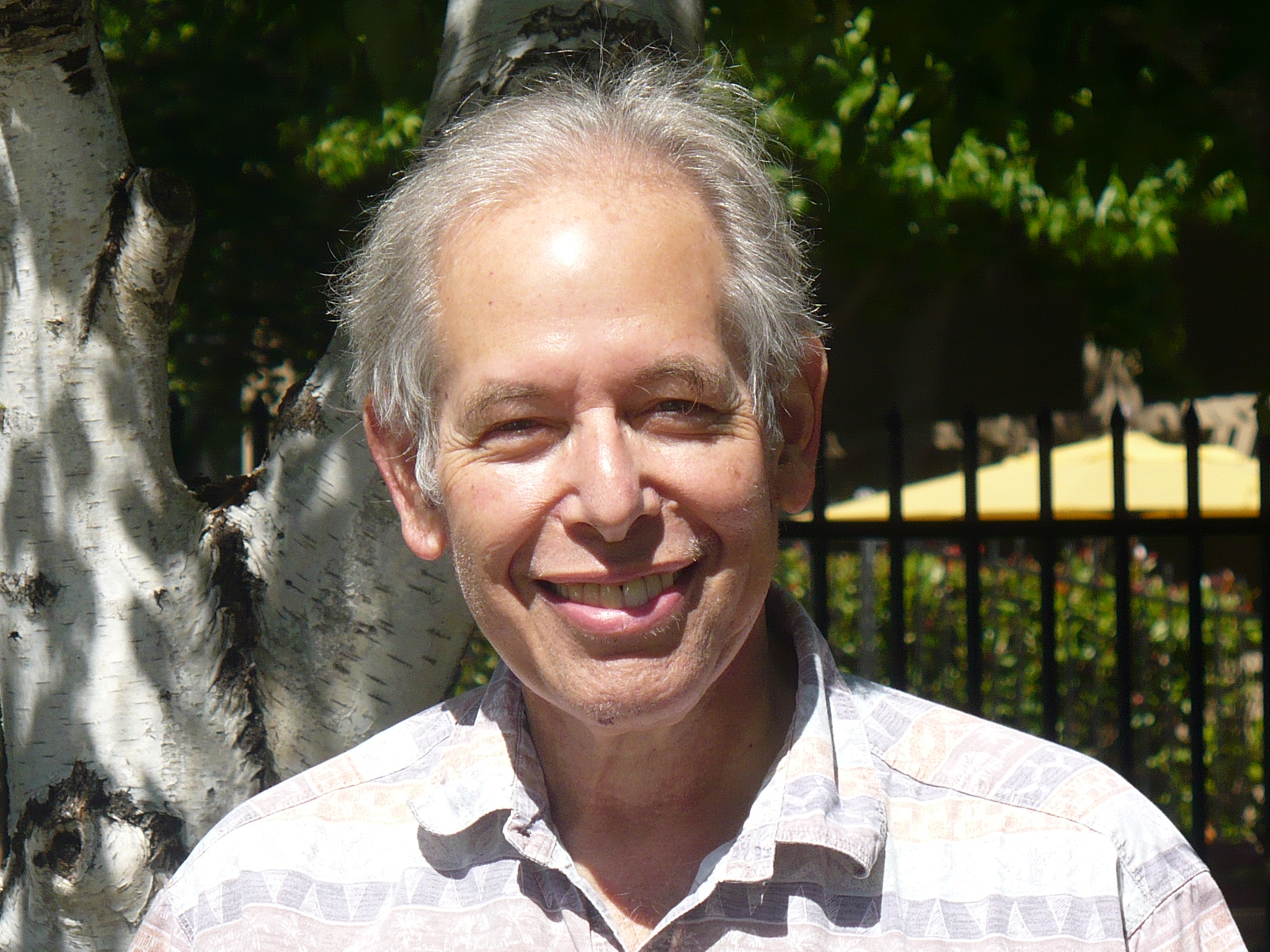 Les Honig is a features freelancer and former journalism teacher from back East who relocated to the OC before landing in Benicia to savor the joys of Northern California living.