Almost Blue . . .
The collection of small towns huddled around the Carquinez Strait have all contributed something of significance to California’s history, and in the process created for themselves an intrigue that continues to attract tourists and passers-by. Port Costa, for instance, has a (still-open) 130-year-old hostel that used to be a hub for sailors seeking ships to embark on expeditions. Vallejo, named after a California general who played a crucial role in the Bear Flag Revolt, has some of the area’s best historical museums, as well as a symphony that’s existed for more than 75 years. Martinez has John Muir’s old home, and Joe Dimaggio’s old yacht. Crockett has the historical C&H factory, The Old Homestead (built only two years after the Civil War) and an abundance of vintage thrift stores.
So that leaves Benicia, a town of with a similar history as other Carquinez-area dwellings: military bases, booming industry, and a couple celebrity appearances here and there (General Grant, who hated it, and Jack London, who liked it but often felt compelled to drink too much when he visited). Benicians are generally proud of their town’s history, and fittingly, there are plenty of historical museums within city limits.
But Benicia has also manifested its historical legacy in another notable way: Through the many antique stores that are nestled all up and down First Street, and have been for decades. Because of this, First St. has developed a reputation amongst the people of Solano and Contra Costa Counties as a place to stroll and search for artifacts from the past. And it may sound silly, but this phenomenon has actually changed the town’s culture and altered the lives of some of its residents.
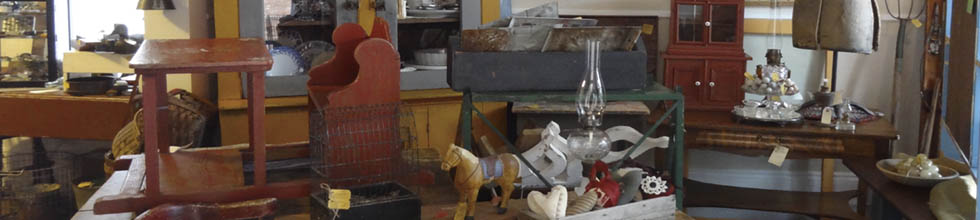
Take Marge Delmas, for example, the owner of Blue Goose Antiques, which Local Happenings’ readership recognized with a Reader’s Choice Award (see last issue). Through her First St. business, and the antique shops where she worked prior to starting Blue Goose, Marge has been able to turn her passion of antique collecting into a long-term profession.
“I like the feel of the furniture and the history behind it,” Marge said. “I like to wonder: ‘Who set up this table? Did they teach their children numbers by kerosene lamps?’ It’s really intriguing to me.”
Marge has been in the antique business for roughly 20 years, which is an impressive feat, but one that’s dwarfed by her (ongoing) 53 years of collecting. Her journey in that field started incidentally, back when she and her husband Dave were newlyweds, and looking to furnish their house.
“We didn’t care for new furniture when we got married, so we started getting older pieces,” Marge said, when asked where her love for primitives began. “It was as simple as that.”
It turns out that primitives are good conversation starters—show anyone from the “Fireside Chat” era an old living room radio, for instance, and they’ll instantly be taken for a ride down memory lane. So not surprisingly, Marge’s reputation as an antique expert has given her opportunities to form many friendships and also to put her hands on primitives from all different times and places. But she’s also done a great deal to sustain the antique shop culture Benicia, which she’s now fully become a part of.
“I’m not going to make all kinds of money out of this, believe me,” Marge said, with a chuckle. “I just enjoy doing it; I love the customers, a lot of us have become friends. Everybody shares their stories and memories, and it’s a lot of fun.”
As far as First St. shops go, Blue Goose Antiques actually stands out by fitting in; as an independent small business, owned and operated by a longtime Benician, located in an old farmhouse built in 1891, selling handcrafted links to the past within a block of the historical capitol building, Blue Goose is the epitome of a Benicia store. And fittingly, Marge says she would love to see more antique stores pop up along First St., as that’s what brought people to Benicia, years before; Marge just wants what’s best for the city.
“When we first moved here, 40 years ago, there were around 20 antique shops in town,” Marge said. “I welcome anyone who wants to set up an antique shops here; the more retail we can get in here, the more it will help Benicia.”
Most of the merchandise at Blue Goose is from the late 1800s and early 1900s. Of that, most of the primitives are brought here from the East Coast, or the Midwest, where the greatest pool of antiques exist. Everything’s real—Marge doesn’t stock any reproductions, and after more than a half-century spent studying antiques, she knows the difference.
“I research everything; you have to educate yourself,” Marge said.
So if you come across a historical item in your attic, or if you have a question regarding a family heirloom, Marge will be happy to try to help you with the history of the item, or tell you how to research it.
Blue Goose Antiques is located at 622 First St., and can be contacted by phone at (707) 745-1715. They’re open Wed.-Sun, 10:30 a.m. to 5:30 p.m. to collectors, newlyweds looking to furnish their house, or anyone else looking to chat history with a woman who truly knows the business, the furniture, and the town.
“I love being here—my husband and I have been living here a long time and we’ve been doing this forever,” Marge said. “I have customers that have become friends and you just meet so many wonderful people. I look forward to coming in every day.”
 Nate Gartrell grew up in Benicia, studied journalism in college, and has written for a handful of media outlets since age 15. He aspires to visit all 30 Major League Baseball stadiums and to hit the trifecta at the horse track.
The collection of small towns huddled around the Carquinez Strait have all contributed something of significance to California’s history, and in the process created for themselves an intrigue that continues to attract tourists and passers-by. Port Costa, for instance, has a (still-open) 130-year-old hostel that used to be a hub for sailors seeking ships to embark on expeditions. Vallejo, named after a California general who played a crucial role in the Bear Flag Revolt, has some of the area’s best historical museums, as well as a symphony that’s existed for more than 75 years. Martinez has John Muir’s old home, and Joe Dimaggio’s old yacht. Crockett has the historical C&H factory, The Old Homestead (built only two years after the Civil War) and an abundance of vintage thrift stores.
So that leaves Benicia, a town of with a similar history as other Carquinez-area dwellings: military bases, booming industry, and a couple celebrity appearances here and there (General Grant, who hated it, and Jack London, who liked it but often felt compelled to drink too much when he visited). Benicians are generally proud of their town’s history, and fittingly, there are plenty of historical museums within city limits.
But Benicia has also manifested its historical legacy in another notable way: Through the many antique stores that are nestled all up and down First Street, and have been for decades. Because of this, First St. has developed a reputation amongst the people of Solano and Contra Costa Counties as a place to stroll and search for artifacts from the past. And it may sound silly, but this phenomenon has actually changed the town’s culture and altered the lives of some of its residents.
Take Marge Delmas, for example, the owner of Blue Goose Antiques, which Local Happenings’ readership recognized with a Reader’s Choice Award (see last issue). Through her First St. business, and the antique shops where she worked prior to starting Blue Goose, Marge has been able to turn her passion of antique collecting into a long-term profession.
“I like the feel of the furniture and the history behind it,” Marge said. “I like to wonder: ‘Who set up this table? Did they teach their children numbers by kerosene lamps?’ It’s really intriguing to me.”
Marge has been in the antique business for roughly 20 years, which is an impressive feat, but one that’s dwarfed by her (ongoing) 53 years of collecting. Her journey in that field started incidentally, back when she and her husband Dave were newlyweds, and looking to furnish their house.
“We didn’t care for new furniture when we got married, so we started getting older pieces,” Marge said, when asked where her love for primitives began. “It was as simple as that.”
It turns out that primitives are good conversation starters—show anyone from the “Fireside Chat” era an old living room radio, for instance, and they’ll instantly be taken for a ride down memory lane. So not surprisingly, Marge’s reputation as an antique expert has given her opportunities to form many friendships and also to put her hands on primitives from all different times and places. But she’s also done a great deal to sustain the antique shop culture Benicia, which she’s now fully become a part of.
“I’m not going to make all kinds of money out of this, believe me,” Marge said, with a chuckle. “I just enjoy doing it; I love the customers, a lot of us have become friends. Everybody shares their stories and memories, and it’s a lot of fun.”
As far as First St. shops go, Blue Goose Antiques actually stands out by fitting in; as an independent small business, owned and operated by a longtime Benician, located in an old farmhouse built in 1891, selling handcrafted links to the past within a block of the historical capitol building, Blue Goose is the epitome of a Benicia store. And fittingly, Marge says she would love to see more antique stores pop up along First St., as that’s what brought people to Benicia, years before; Marge just wants what’s best for the city.
“When we first moved here, 40 years ago, there were around 20 antique shops in town,” Marge said. “I welcome anyone who wants to set up an antique shops here; the more retail we can get in here, the more it will help Benicia.”
Most of the merchandise at Blue Goose is from the late 1800s and early 1900s. Of that, most of the primitives are brought here from the East Coast, or the Midwest, where the greatest pool of antiques exist. Everything’s real—Marge doesn’t stock any reproductions, and after more than a half-century spent studying antiques, she knows the difference.
“I research everything; you have to educate yourself,” Marge said.
So if you come across a historical item in your attic, or if you have a question regarding a family heirloom, Marge will be happy to try to help you with the history of the item, or tell you how to research it.
Blue Goose Antiques is located at 622 First St., and can be contacted by phone at (707) 745-1715. They’re open Wed.-Sun, 10:30 a.m. to 5:30 p.m. to collectors, newlyweds looking to furnish their house, or anyone else looking to chat history with a woman who truly knows the business, the furniture, and the town.
“I love being here—my husband and I have been living here a long time and we’ve been doing this forever,” Marge said. “I have customers that have become friends and you just meet so many wonderful people. I look forward to coming in every day.”
Nate Gartrell grew up in Benicia, studied journalism in college, and has written for a handful of media outlets since age 15. He aspires to visit all 30 Major League Baseball stadiums and to hit the trifecta at the horse track.
Time to Recharge?
Spiritual Retreats in Northern California
Spiritual retreat centers are like hidden treasures waiting for you to discover them. These beautiful, quiet, contemplative places are perhaps known best as destinations for conferences and group retreats. A private getaway is a gift of time away from a busy life.
A less familiar option is the solo stay, and it was by accident that I discovered the idea of taking a solo break at a religious site. While on a church retreat, I attended a lecture on convent stays in the United States.
Previously, I had no idea that Episcopals, like Catholics have religious orders, and may offer hospitality as part of their mission. It dawned on me that I could go to retreat centers on my own, so I vowed to make a regular practice of personal retreats.
Here’s a look at five spiritual retreats in Northern California that open their doors to individuals seeking personal retreats.
San Damiano
San Damiano’s mission-style main building is situated amid 40 oak-covered acres above Danville. The Franciscan retreat center overlooks the San Ramon Valley east of San Francisco.
I thought of my two-night stay as a time to rest, get away from my ordinary life and write for a few days in a beautiful setting. The woman who booked my stay invited me to consider an appointment for spiritual direction.
“What’s that?” I asked.
I was told, “In spiritual direction, you talk with a trained listener about your life’s journey.”
“That’s fine. Yes, I’d like to try it.” I hadn’t heard of spiritual direction, but it seemed like a good idea.
On my first night, I asked the woman across from me at dinner, “What brought you here?”
The woman, a registered nurse, wife and stepmother replied, “My soul needed a rest.”
The next day I sat in a small room with a woman about my age, a spiritual director. As I shared my feelings and ideas, I pondered the possibility that I was already on a spiritual journey.
Spending time at San Damiano brought me considerable serenity and reminded me that my life is full of joy as well as challenges. As I left, I walked through the doors feeling serene and ready to return to regular life with more energy.
710 Highland Dr., Danville, CA 94526
925-837-9141, www.sandamiano.org
The Bishop’s Ranch
In the heart of Sonoma County’s Russian River Valley, Bishop’s Ranch offers retreats for individuals on a space-available basis. The place is named not for an Episcopal bishop, but the name of the family that donated the ranch land on which the retreat is situated (near Healdsburg).
Bishop’s Ranch offers retreat programs that people can attend at various times of the year, such as silent days in Advent and Lent. Also, there are quiet days throughout the year. “These programs have events during the day which make them more like directed retreats,” said Executive Director Sean Swift.
Swift added: “The ranch chaplain, Reverend Pat Moore, can offer spiritual direction if arranged ahead of time. She is an Episcopal priest and a trained spiritual director, though she prefers the term ‘guide’.” Swift noted, “It would be best to arrange a visit at least a week in advance since she has a busy schedule.”
Morning and evening prayer takes place each day in the chapel and participating in these services often becomes part of individual retreats. Swift said, “Other than those two offerings, personal retreats are self-directed.”
5297 Westside Rd., Healdsburg, CA 95448
707-433-2440, www.bishopsranch.org
Santa Sabina Center
The Santa Sabina Center is an ecumenical retreat center on the grounds of Dominican College in San Rafael. Individuals can reserve a private retreat on an “as available” basis. Sister Margaret said, “We usually find the easiest time for such arrangements is the week during which our monthly day of prayer occurs. Other times may permit private retreats, but only if it will not interfere with the groups using the center.”
“There are two of us on staff who can provide spiritual direction if an appointment is made in advance,” added Sister Margaret.
25 Magnolia Ave., San Rafael, California
415-457-7727, www.santasabinacenter.org
Green Gulch Farm
Green Gulch Farm is situated near Muir Beach in Marin County. A branch of the San Francisco Zen Center, it’s a place of communal living for students of Zen.
For a secluded personal retreat, one may book Hope Cottage, a cabin that offers arresting views of the whole Green Gulch Valley and the vast ocean below. You can hear the surf crashing day and night.
You can choose the program called Guest Retreatants Half Schedule for a discounted stay that combines working half-days, engaging in the meditation sessions and private time. There’s a three-night minimum. Stays must be arranged so that one arrives early on Sunday morning to receive instruction in Zen sitting meditation, called zazen, and walking meditation, termed kinhin.
On a working retreat at Green Gulch Farm, I swept floors, wiped tables and cored and juiced apples. The job I enjoyed most was making teriyaki sauce in the kitchen.
One morning I was assigned to cleaning the temple restrooms with a friendly partner who smiled at my apparent dismay and said, “It’s not hard.” It wasn’t.
As we worked and chatted I learned that my workmate was a scientist using her vacation time for a retreat. Meeting intriguing people is part of the retreat experience. Another memorable person I met was a middle-aged father who was touring the world, teaching language classes and visiting retreat centers.
My stay at Green Gulch Farm ended all too soon. The scent of redwoods and eucalyptus drifted through the air as I walked to my car. Images of woods and gardens still linger in my mind and I hope to go back soon.
1601 Shoreline Highway, Muir Beach, CA 94965
415-383-3134, www.sfzc.org/ggf/
The Community of St. Francis
The Community of St. Francis operates St. Francis House, an urban convent in San Francisco. A small group of Episcopal sisters live at St. Francis House in the Mission District. They welcome guests who wish to visit for periods of two weeks or less.
A quiet guest apartment is simply furnished with a kitchen, bathroom, living room and spacious bedroom. The kitchen is equipped with dishes and pans, and stocked with a few basics, including coffee and tea.
The apartment is on the street level with its own side entrance, separate from the rest of the house. It opens onto a flower and vegetable garden.
What if you can’t get away for a retreat? The sisters of the Community of St. Francis make available a set of three booklets on doing a retreat at home, for a suggested donation of $20. The sisters will mail the Home Retreat series to any interested persons.
Every now and then, a break from one’s hectic life is not just desirable—it is exactly what’s needed. There are times when what one requires most is time for renewal in a place intended for quiet contemplation.
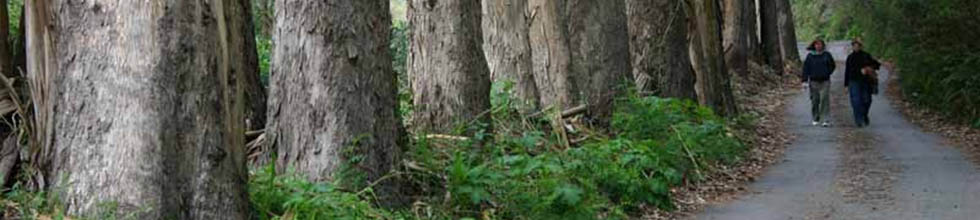
At a spiritual retreat center, peace comes as one roams through gardens and walks along tree-lined paths. Rest is found as one visits courtyards, sits beside fountains, walks labyrinths and hikes in nature. Eating well and falling asleep in a simple room completes the experience.
Most people begin a retreat somewhat world-weary and finish the experience well rested and with a fresh attitude toward life.
3743 Cesar Chavez St., San Francisco CA 94110
415-824-0288, www.communitystfrancis.org
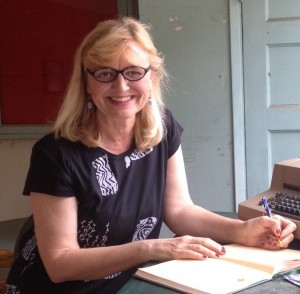 Kristine Mietzner lives in Benicia with her golden retriever Max who has no fashion sense whatsoever. She serves on the board of Benicia Literary Arts and works as a field supervisor for the Touro University Graduate School of Education. Her work has appeared in the Contra Costa Times, the Benicia Herald, and the online travel magazine, Your Life is a Trip. Her previously published work is posted at www.redroom.com/member/kristine-mietzner. She can be reached at kristine2770@yahoo.com.
Spiritual Retreats in Northern California
Spiritual retreat centers are like hidden treasures waiting for you to discover them. These beautiful, quiet, contemplative places are perhaps known best as destinations for conferences and group retreats. A private getaway is a gift of time away from a busy life.
A less familiar option is the solo stay, and it was by accident that I discovered the idea of taking a solo break at a religious site. While on a church retreat, I attended a lecture on convent stays in the United States.
Previously, I had no idea that Episcopals, like Catholics have religious orders, and may offer hospitality as part of their mission. It dawned on me that I could go to retreat centers on my own, so I vowed to make a regular practice of personal retreats.
Here’s a look at five spiritual retreats in Northern California that open their doors to individuals seeking personal retreats.
San Damiano
San Damiano’s mission-style main building is situated amid 40 oak-covered acres above Danville. The Franciscan retreat center overlooks the San Ramon Valley east of San Francisco.
I thought of my two-night stay as a time to rest, get away from my ordinary life and write for a few days in a beautiful setting. The woman who booked my stay invited me to consider an appointment for spiritual direction.
“What’s that?” I asked.
I was told, “In spiritual direction, you talk with a trained listener about your life’s journey.”
“That’s fine. Yes, I’d like to try it.” I hadn’t heard of spiritual direction, but it seemed like a good idea.
On my first night, I asked the woman across from me at dinner, “What brought you here?”
The woman, a registered nurse, wife and stepmother replied, “My soul needed a rest.”
The next day I sat in a small room with a woman about my age, a spiritual director. As I shared my feelings and ideas, I pondered the possibility that I was already on a spiritual journey.
Spending time at San Damiano brought me considerable serenity and reminded me that my life is full of joy as well as challenges. As I left, I walked through the doors feeling serene and ready to return to regular life with more energy.
710 Highland Dr., Danville, CA 94526
925-837-9141, www.sandamiano.org
The Bishop’s Ranch
In the heart of Sonoma County’s Russian River Valley, Bishop’s Ranch offers retreats for individuals on a space-available basis. The place is named not for an Episcopal bishop, but the name of the family that donated the ranch land on which the retreat is situated (near Healdsburg).
Bishop’s Ranch offers retreat programs that people can attend at various times of the year, such as silent days in Advent and Lent. Also, there are quiet days throughout the year. “These programs have events during the day which make them more like directed retreats,” said Executive Director Sean Swift.
Swift added: “The ranch chaplain, Reverend Pat Moore, can offer spiritual direction if arranged ahead of time. She is an Episcopal priest and a trained spiritual director, though she prefers the term ‘guide’.” Swift noted, “It would be best to arrange a visit at least a week in advance since she has a busy schedule.”
Morning and evening prayer takes place each day in the chapel and participating in these services often becomes part of individual retreats. Swift said, “Other than those two offerings, personal retreats are self-directed.”
5297 Westside Rd., Healdsburg, CA 95448
707-433-2440, www.bishopsranch.org
Santa Sabina Center
The Santa Sabina Center is an ecumenical retreat center on the grounds of Dominican College in San Rafael. Individuals can reserve a private retreat on an “as available” basis. Sister Margaret said, “We usually find the easiest time for such arrangements is the week during which our monthly day of prayer occurs. Other times may permit private retreats, but only if it will not interfere with the groups using the center.”
“There are two of us on staff who can provide spiritual direction if an appointment is made in advance,” added Sister Margaret.
25 Magnolia Ave., San Rafael, California
415-457-7727, www.santasabinacenter.org
Green Gulch Farm
Green Gulch Farm is situated near Muir Beach in Marin County. A branch of the San Francisco Zen Center, it’s a place of communal living for students of Zen.
For a secluded personal retreat, one may book Hope Cottage, a cabin that offers arresting views of the whole Green Gulch Valley and the vast ocean below. You can hear the surf crashing day and night.
You can choose the program called Guest Retreatants Half Schedule for a discounted stay that combines working half-days, engaging in the meditation sessions and private time. There’s a three-night minimum. Stays must be arranged so that one arrives early on Sunday morning to receive instruction in Zen sitting meditation, called zazen, and walking meditation, termed kinhin.
On a working retreat at Green Gulch Farm, I swept floors, wiped tables and cored and juiced apples. The job I enjoyed most was making teriyaki sauce in the kitchen.
One morning I was assigned to cleaning the temple restrooms with a friendly partner who smiled at my apparent dismay and said, “It’s not hard.” It wasn’t.
As we worked and chatted I learned that my workmate was a scientist using her vacation time for a retreat. Meeting intriguing people is part of the retreat experience. Another memorable person I met was a middle-aged father who was touring the world, teaching language classes and visiting retreat centers.
My stay at Green Gulch Farm ended all too soon. The scent of redwoods and eucalyptus drifted through the air as I walked to my car. Images of woods and gardens still linger in my mind and I hope to go back soon.
1601 Shoreline Highway, Muir Beach, CA 94965
415-383-3134, www.sfzc.org/ggf/
The Community of St. Francis
The Community of St. Francis operates St. Francis House, an urban convent in San Francisco. A small group of Episcopal sisters live at St. Francis House in the Mission District. They welcome guests who wish to visit for periods of two weeks or less.
A quiet guest apartment is simply furnished with a kitchen, bathroom, living room and spacious bedroom. The kitchen is equipped with dishes and pans, and stocked with a few basics, including coffee and tea.
The apartment is on the street level with its own side entrance, separate from the rest of the house. It opens onto a flower and vegetable garden.
What if you can’t get away for a retreat? The sisters of the Community of St. Francis make available a set of three booklets on doing a retreat at home, for a suggested donation of $20. The sisters will mail the Home Retreat series to any interested persons.
Every now and then, a break from one’s hectic life is not just desirable—it is exactly what’s needed. There are times when what one requires most is time for renewal in a place intended for quiet contemplation.
At a spiritual retreat center, peace comes as one roams through gardens and walks along tree-lined paths. Rest is found as one visits courtyards, sits beside fountains, walks labyrinths and hikes in nature. Eating well and falling asleep in a simple room completes the experience.
Most people begin a retreat somewhat world-weary and finish the experience well rested and with a fresh attitude toward life.
3743 Cesar Chavez St., San Francisco CA 94110
415-824-0288, www.communitystfrancis.org
Kristine Mietzner lives in Benicia with her golden retriever Max who has no fashion sense whatsoever. She serves on the board of Benicia Literary Arts and works as a field supervisor for the Touro University Graduate School of Education. Her work has appeared in the Contra Costa Times, the Benicia Herald, and the online travel magazine, Your Life is a Trip. Her previously published work is posted at www.redroom.com/member/kristine-mietzner. She can be reached at kristine2770@yahoo.com.
I have always been fascinated with the history and architecture of the ages in Europe. I read many stories as a teenager and young adult that would keep my overactive imagination alive with visions and thoughts of what the historic castles looked like or what it would be like to live in one. I always felt that I was alone in my level of fascination. Boy was I wrong.
I remember reading many years ago of Dario Sattui’s dream of building a castle on hillside property in Calistoga. Dario was, of course, famous already for his V. Sattui Winery in St. Helena and this, according to the article, was a passion or obsession of his. He has gone beyond the borders of sanity, some would say, to bring his vision to reality. I, of course, am in love with his passion since I too believe in going to the borders of sanity to live true to one’s self.
As I reread Dario’s quest to bring a little Italy to his beloved Napa Valley I was once again struck by the drive of this man and how he must tackle everything he does in life. He forged ahead with his quest and never looked back at the expense of his personal and business life. So, now because of one man’s unwillingness to compromise, everyone gets a chance to come view a little piece of Europe in the Napa Valley.
Castello di Amorosa or, as it is fondly called, “The Castle”, stands out along the backdrop of the Calistoga hillsides like a jutting fortress from medieval times. Almost twenty years ago when Dario Sattui bought the 127 acre piece of property, there was a stream, a lake, a forest and a Victorian house and not even a dream of what it was to become. When Sattui bought it, he had no intention of putting a winery on it, it was merely going to be his dream home and the thought of planting historic vines wasn’t on his mind. Having already bought ancient property in Italy and after he visited Patriarch Cellars in Burgundy, France, that thought changed. Patriarch Cellars contained over seven acres of underground cellars and rooms and is over 200 years old; Sattui was in heaven!
Over the next several years he traveled extensively in Italy finding masons and builders that could help him realize his dream. He also bought properties that he is currently refurbishing and expanding other passions. After fifteen years of research and, I am sure, some tireless travel and some anguish, Dario was ready to start building his castle.
At this point I would like to mention that Castello di Amorosa was intended originally to be an 8,500 square foot winery; it is 121,000 square feet.
Though Dario almost lost everything, he kept building. Loans from banks and his other winery held everything together until they could finally open on April 7, 2007. Without knowing how the wines or the castle would be received, he, and I am sure his backers, worried. It ended up being needless though since the castle has proven to be quite the success with tourists and residents alike.
The wines of Castello di Amorosa are quite extensive. Red, white, sweet, rose, reserve and even non-alcoholic wines are on the lists. On our tour we decided to try the reserve wines but they have many different tours and packages you can try.
With 14 Tasting Rooms at the castle, I wasn’t sure where I would end up but I was escorted to their Club Room, fondly called Il Passito Reserve Room. Just getting to the Tasting Room is an adventure and you can see that a tour is a must!
We were introduced to our official “Reserve Room” host, Patrick Gallagher, and immediately felt at home when he made sure that Ben had a place at the table. (The Castle is dog-friendly, much to Bens and my surprise.) Patrick made sure that he felt comfortable with what wine I liked and what I would like to taste during my adventure here. I have to admit; sometimes if there is a huge wine menu I get discombobulated with indecision. Since I am not a white wine drinker, I brought a white wine proxy with me. Patrick made sure I felt right at home with my choices, but he did tell me that he was going to have me at least smell the whites.
Pinot Grigio
His first pour was Pinot Grigio, which I normally do not drink. I decided to go outside my comfort zone and try the whites. The Pinot Grigio was light, crisp and oddly refreshing. I haven’t ever consumed Pinot Grigio so I am not sure if I would like other Pinot Grigios, but I would definitely have this one on a hot summer day sitting on a patio.
Official Tasting notes: A crisp, dry white wine made in the Italian style with a fragrance of aromatic herbs and a hint of mineral and earth in the nose.
Chardonnay, Napa Valley
The second pour was a Napa Valley Chardonnay. Once again, I am not a Chardonnay wine drinker so I had my proxy try this wine. Pat’s suggestion that this Chardonnay was lighter than regular ones, not buttery and oaky like other Chardonnays did make me a little curious so once again I jumped in. Their Napa Valley Chardonnay was also more refreshing than I would have thought. Once again I found myself saying that I could see myself having a glass of this on a hot summer day at a BBQ.
Official Tasting notes: This pale, straw-colored wine shows a toasty oak and buttery bouquet opening up to aromas of ripe citrus, pear and grapefruit.
Pinot Bianco
I now found myself getting a little comfortable with the idea and thought that I would be drinking some white wines. I found myself listening to what another group at a larger table was saying about this wine. Everyone seemed impressed with this wine so I jumped right in with my nose first. I really liked the smell of this wine, but this would not be my first choice if I were to change and buy a bottle of white wine. I liked the crispness of the other two wines a lot more.
Official Tasting notes: Medium, straw-yellow color with an aroma of almonds, bananas and apricot.
Gewurztraminer
The description of this wine intrigued me. Spicy and full bodied, in a white wine? Once again I was quite surprised by this wine and would have to say that if offered, I would have a glass of this.
Official Tasting notes: A drier, spicy white wine known for its exotic aromas of cinnamon and cloves, lychee and perfumed rose petals; full-bodied in texture with prominent spicy flavors.
Il Brigante – “The Thief”
The name of this wine made me want to name this my favorite. Since this was my first red wine pour I would have to say that I was definitely biased. I am not sure if it was fair of me to judge this wine at that time since I had been drinking white wine for a good part of the previous hour. I took a small break and came back to the table and had another taste. Yes, I still liked it so thumbs up it was!
Official Tasting notes: Pretty aromas of red currant and black cherry mingle with black fruits with a touch of earthy, cured meat aromas that frame the wild berry flavors and toasty oak on the palate.
Cabernet Sauvignon
The next pour was this red before we dove into the reserve wines. The color was nice and it was a lovely “light” red wine. I prefer my reds bolder and with a much bigger bang. I believe that someone who is not a big red wine drinker would like this.
Official Tasting notes: Intense aromas of black plum, cassis and green olive with a spicy bouquet of cigar box, cinnamon and nutmeg.
Reserve Wines:
Chardonnay, Bien Nacido
I had actually tasted this reserve wine when I tasted the other white wines. I tasted this with gusto since I had had a good experience with the other whites. I am not sure if it was timing (your palate changes throughout the day) or if I was just ready to jump to the reds, but if I had to pick a Chardonnay I would have picked the previous one.
Official Tasting notes: An elegant dry wine, with toasty vanilla and peach aromas and fruity flavors of pear and tropical fruit.
Pinot Noir
My second red pour was this Pinot Noir with the grapes coming from the Anderson Valley. Again, I am usually a big, bold red wine drinker so this Pinot was a little light for me, but I liked the flavor and could see myself drinking this on occasion.
Official Tasting notes: Not available; you must try it for yourself!
La Castellana (The Lady of the Castle) – Super Tuscan Blend
When this wine was poured I loved the color and smell of this wine. I was very impressed with this choice, it had a full bodied taste and I could see myself drinking this with a Filet Mignon dinner.
Official Tasting notes: La Castellana (The Lady of the Castle) is an elegant, complex wine, with good depth, volume and balanced with very velvety tannins providing length and a smooth, lingering texture.
Il Barone Cabernet Sauvignon
After just having tasted the “Lady of the Castle” I was very excited to taste their Reserve Cabernet. I have to say I liked it, but found myself thinking that La Castellana was my top pick for the day. When I told this to Pat, he said he was not surprised since Il Barone will get better with age and La Castellana is great now. I am definitely one of those people who buys for today and not to lay down for tomorrow – so The Lady gets my top vote!
Official Tasting notes: A very flavorful, elegant and structured red wine in the style of high-quality.
Castello di Amorosa combines traditional wine making methods with technologically advanced wine making equipment and techniques. As a result, the wines show intense flavors which are eloquently balanced and similar to the hand-crafted wines produced in central Tuscany and Umbria regions of Italy- the homeland of Dario Sattui, who is fourth-generation Italian.
All of their red grapes are grown in the Napa Valley around the Castle. White grapes are grown in the Carneros district of the Napa Valley or in the Anderson Valley, as both of these cool areas are ideal for white wine grapes. Some grapes are also purchased from select growers.
Brooks Painter, a veteran winemaker of more than 30 years, along with Associate Winemaker, Peter Velleno and famous Italian winemaker, Sebastiano Rosa, presides over all winemaking production. His goal is to make delicious, classically structured, intensely flavored, well-balanced, elegant wines which showcase the terroir of each unique vineyard site.
You can tour the authentically-styled, 13th century, Tuscan castle and winery led by a knowledgeable guide. All tours feature a barrel tasting and include a complimentary tasting of our current releases. Tours are approximately 1-3/4 hours in length. The walking portion of your tour is approximately 60 minutes followed by a 45 minute private tasting of their handcrafted Italian-style wines. Reservations are highly suggested. You may place those reservations by calling (707) 967-6272 or going directly to their website at www.castellodiAmorosa.com.
There are also various wine clubs you can join that customize your wine needs and also meet other castle aficionados at their wine club events.
Castello di Amorosa Winery is located off of HWY CA-29 in the northern part of Napa Valley, between St. Helena and Calistoga. Castello di Amorosa is not visible from the roadway – please look for their sign and for the address 4045 North Saint Helena Highway, Calistoga, CA 94515.
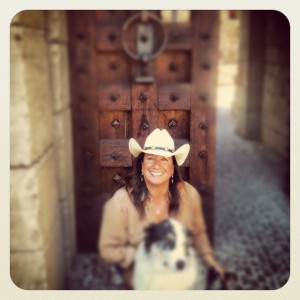 Deanna Baillie and Ben, her Australian Shepherd, love going wine tasting. On their trip to Castello di Amorosa, they made many new friends. They invite you to keep up with them on their blog at localhappeningsmagazine.com.
[weaver_extra_menu menu=’foodMenu’ style=’menu-horizontal’ width=’100%’ css=’menu-horizontal’]
The Fruits of Her Labor
There are times in your life when you make a conscious decision to either like something or not. This is true of foods too. It could be because you dislike the texture and will never eat it again or it may be because the quality that you receive is just not good, so why bother? The latter happened to me with tomatoes. I had sworn off store-bought tomatoes because they had no taste. They were either picked too early or fed too much water. They were bland. I can tell you that no sandwich of mine would have a tomato, either.
Then my husband and I bought a home and built a garden. The garden included 29 tomato plants of different varieties. Robert cared for these plants, and they became part of our daily routine. He would go and tend to them every day to ensure they were growing well and were bug free. If he saw hornworms, white flies or other bugs, they were gone within a day. No one was messing with his plants. He put in place a water drip system and had the watering on schedule. There was no over watering of our tomatoes. Because of all his hard work, I started eating tomatoes again.
The flavors were wonderful. We had so many tomatoes that the neighborhood and senior center fell in love with them as well! However, as we were blessed with children, our time for gardening gradually diminished. Now we are down to one to two plants each year. Those plants are really for the children, so they can get excited about the whole process and growing something to be able to eat the fruits of their labors. We do the same thing with strawberries. They really enjoy watching them grow.
I was given the opportunity to meet an incredible person, Amy Giaquinta, who I have affectionately named the Tomato Lady. The best conversation you can have with someone is one in which the topic is a passion of theirs, and Amy is passionate about tomatoes! They are part of her family and treated as such. She cares for them as she would any individual, with kindness and a watchful eye.
She started growing tomatoes about 15 years ago, when she and her husband purchased a little farmhouse in Yountville and remodeled it. Amy was able to turn a horse pasture into a beautiful garden. She took the time to research vegetables and apothecary herbs that suited her tastes. She started simple, and it didn’t take long to realize that she had a passion for tomatoes. Her friends continued to encourage her and provide tips on how to make this garden into something really special. She started to share her tomatoes with friends. This simple sharing lead to the notoriety of her fruit (which tomatoes are by way – so let your children know they are eating fruit NOT vegetables). Word spread of how fantastic her tomatoes were and that led to her first tomato “tasting.”
Peter and Gwen Jacobson owned the property next to Amy’s. Their property is a certified organic farm and they grow some of their own fantastic vegetables on the property along with fruit trees. It is situated on a few acres that are nestled on the back roads of Yountville. The property is amazing and maintained with tender love and care. They provide vegetables and fruits to restaurants like the French Laundry.
When I think of farming, I visualize the big properties that line I-5 heading toward LA; Those massive farms, which look so organized and plowed. This farm is not a farm like that. When Peter was explaining about the various greens that are grown for the restaurants, he just bent over and picked something and we ate it. When I first walked on the property I thought they were weeds, but no, they were beans and greens to accompany some of the finest food in the United States.
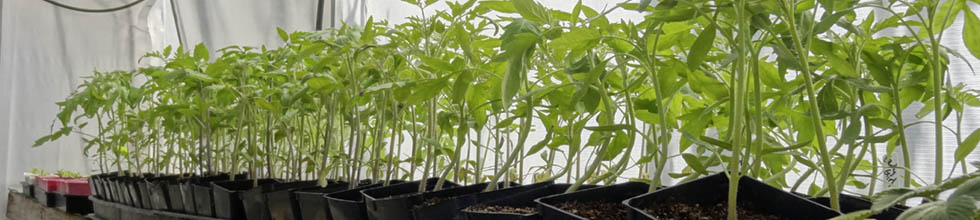
Amy has a portion of this propriety where she grows her own tomatoes. Her greenhouse is set up where she is able to start all the tomatoes from seed. Walking into the green house was exciting. To hear her speak about her tomatoes and then go to see where it actually happens is amazing. The greenhouse was lined with freshly planted flats. All labeled with the different tomato species that the flat held. There were some that just started to sprout and the tiny leaves can be seen popping out of the soil. She will tend to these plants in the greenhouse for the next few months, until they are either planted on the property or sold to others for their garden.
Each night Amy goes into the greenhouse to make sure no snails are raiding her crop. Since the land is 100% certified organic, she will manually get rid of the snails—yes, the old fashion way—evicting them by hand out of the greenhouse and telling them sternly not to return!
During the maturation process, Amy explained that the flowers are only sexual for about 24 hours. During this time, she is able to combine multiple varietals to create a tomato that is both unique and amazing. They will cross-pollinate the flowers and a new tomato is created. She was explaining this as an in vitro fertilization process for tomatoes. All they do is tap the flowers together to allow for the pollens to be joined. This is what will create the new tomato.
Amy said if I liked tomatoes, I should try one of her black heirloom tomatoes. It is a meaty tomato full of flavor. The tomato that bursts with flavor, black tomatoes are most appreciated for their especially bold, complex and earthy taste. “Black” tomatoes are fast becoming the new “Red” tomato. Black tomatoes are not really black but are deeply hued purples, dusky deep browns and smoky dark mahoganies with dark green shoulders, bluish-brown. The depth and darker range of colors seems to be encouraged by a higher acid and mineral content in the soil or higher temperatures. She said, “add some fresh mozzarella or burrata cheese and you will be in heaven!” I’m looking forward to growing and eating these wonderful creations.
Amy is sponsoring a ‘Pop-Out’ event for her tomatoes. I had to ask; “What is a Pop-out event?” It is to bring together local organizations; to host learning stations that participants can sample. What a wonderful idea for the Tomato Lady! She will be able to keep this local and help educate the community on her wonderful tomatoes.
At Amy’s Pop-Out Event, she will be featuring approximately 33 varietals. She chooses some fantastic plants to share with you; luscious tomatoes such as Blue Beauty. This plant is a selection from a cross with Beauty King and a Blue tomato. They provide a great production each year creating a medium to large fruit. The Blue Beauty is a meaty pink beefsteak with a lovely dark blue Anthocyanin top. Things you should consider when choosing a tomato varietal are: can they stay on the vine and are they sunburn and crack resistant? This tomato has all of those traits and they have a wonderful flavor.
Her Berkeley Tie-Dye tomato comes with a warning label: high acid content may cause flashbacks. Who said tomatoes weren’t fun? This tomato blows Amy and a lot of her customers away and it’s a favorite to many of the local chefs. The fruit will appear mid-late to late in the season; about 75-90 days. The fruit is primarily green with yellow and red stripes. Creamy green flesh is infused with various shades of reds and yellows. Each of the colors has a different flavor resulting in a spicy, sweet, tart tomato with good acid all in one.
Amy will be selling her tomato plants at two separate Pop-Outs this spring. The first is at the Oxford Market in Napa on April 13. Amy will be featuring nearly 30 heirloom varieties with the opportunity to purchase some of the rarest of her tomato plants. Don’t worry, these tomatoes will range in size and color so you can choose some unique varietals. In addition, a portion of her proceeds will be donated to local school gardening programs.
The second Pop-Out location is in Yountville during the Yountville Arts “Sip & Savor” event on April 20th from 11-4 PM. This event is located right on the main street. Amy will be located by the ‘square’ sculpture next to Bardessono Inn and near the Community Hall. Amy again will be on hand to personally explain each plant and how to care for them. She wants everyone to be as excited about tomatoes as she is and wants to educate anyone interested on how to care for these wonderful plants.
So, say NO to watery tomatoes! And enjoy them as nature, and Amy, intended you to.
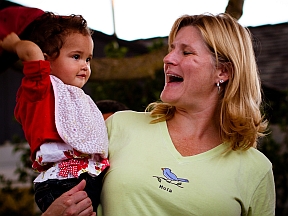 Regina Briseño – Recognized for her work with her family and talent for seeking out good food and wine. She also invites everyone to come and enjoy the adventurous ride with her!
There are times in your life when you make a conscious decision to either like something or not. This is true of foods too. It could be because you dislike the texture and will never eat it again or it may be because the quality that you receive is just not good, so why bother? The latter happened to me with tomatoes. I had sworn off store-bought tomatoes because they had no taste. They were either picked too early or fed too much water. They were bland. I can tell you that no sandwich of mine would have a tomato, either.
Then my husband and I bought a home and built a garden. The garden included 29 tomato plants of different varieties. Robert cared for these plants, and they became part of our daily routine. He would go and tend to them every day to ensure they were growing well and were bug free. If he saw hornworms, white flies or other bugs, they were gone within a day. No one was messing with his plants. He put in place a water drip system and had the watering on schedule. There was no over watering of our tomatoes. Because of all his hard work, I started eating tomatoes again.
The flavors were wonderful. We had so many tomatoes that the neighborhood and senior center fell in love with them as well! However, as we were blessed with children, our time for gardening gradually diminished. Now we are down to one to two plants each year. Those plants are really for the children, so they can get excited about the whole process and growing something to be able to eat the fruits of their labors. We do the same thing with strawberries. They really enjoy watching them grow.
I was given the opportunity to meet an incredible person, Amy Giaquinta, who I have affectionately named the Tomato Lady. The best conversation you can have with someone is one in which the topic is a passion of theirs, and Amy is passionate about tomatoes! They are part of her family and treated as such. She cares for them as she would any individual, with kindness and a watchful eye.
She started growing tomatoes about 15 years ago, when she and her husband purchased a little farmhouse in Yountville and remodeled it. Amy was able to turn a horse pasture into a beautiful garden. She took the time to research vegetables and apothecary herbs that suited her tastes. She started simple, and it didn’t take long to realize that she had a passion for tomatoes. Her friends continued to encourage her and provide tips on how to make this garden into something really special. She started to share her tomatoes with friends. This simple sharing lead to the notoriety of her fruit (which tomatoes are by way – so let your children know they are eating fruit NOT vegetables). Word spread of how fantastic her tomatoes were and that led to her first tomato “tasting.”
Peter and Gwen Jacobson owned the property next to Amy’s. Their property is a certified organic farm and they grow some of their own fantastic vegetables on the property along with fruit trees. It is situated on a few acres that are nestled on the back roads of Yountville. The property is amazing and maintained with tender love and care. They provide vegetables and fruits to restaurants like the French Laundry.
When I think of farming, I visualize the big properties that line I-5 heading toward LA; Those massive farms, which look so organized and plowed. This farm is not a farm like that. When Peter was explaining about the various greens that are grown for the restaurants, he just bent over and picked something and we ate it. When I first walked on the property I thought they were weeds, but no, they were beans and greens to accompany some of the finest food in the United States.
Amy has a portion of this propriety where she grows her own tomatoes. Her greenhouse is set up where she is able to start all the tomatoes from seed. Walking into the green house was exciting. To hear her speak about her tomatoes and then go to see where it actually happens is amazing. The greenhouse was lined with freshly planted flats. All labeled with the different tomato species that the flat held. There were some that just started to sprout and the tiny leaves can be seen popping out of the soil. She will tend to these plants in the greenhouse for the next few months, until they are either planted on the property or sold to others for their garden.
Each night Amy goes into the greenhouse to make sure no snails are raiding her crop. Since the land is 100% certified organic, she will manually get rid of the snails—yes, the old fashion way—evicting them by hand out of the greenhouse and telling them sternly not to return!
During the maturation process, Amy explained that the flowers are only sexual for about 24 hours. During this time, she is able to combine multiple varietals to create a tomato that is both unique and amazing. They will cross-pollinate the flowers and a new tomato is created. She was explaining this as an in vitro fertilization process for tomatoes. All they do is tap the flowers together to allow for the pollens to be joined. This is what will create the new tomato.
Amy said if I liked tomatoes, I should try one of her black heirloom tomatoes. It is a meaty tomato full of flavor. The tomato that bursts with flavor, black tomatoes are most appreciated for their especially bold, complex and earthy taste. “Black” tomatoes are fast becoming the new “Red” tomato. Black tomatoes are not really black but are deeply hued purples, dusky deep browns and smoky dark mahoganies with dark green shoulders, bluish-brown. The depth and darker range of colors seems to be encouraged by a higher acid and mineral content in the soil or higher temperatures. She said, “add some fresh mozzarella or burrata cheese and you will be in heaven!” I’m looking forward to growing and eating these wonderful creations.
Amy is sponsoring a ‘Pop-Out’ event for her tomatoes. I had to ask; “What is a Pop-out event?” It is to bring together local organizations; to host learning stations that participants can sample. What a wonderful idea for the Tomato Lady! She will be able to keep this local and help educate the community on her wonderful tomatoes.
At Amy’s Pop-Out Event, she will be featuring approximately 33 varietals. She chooses some fantastic plants to share with you; luscious tomatoes such as Blue Beauty. This plant is a selection from a cross with Beauty King and a Blue tomato. They provide a great production each year creating a medium to large fruit. The Blue Beauty is a meaty pink beefsteak with a lovely dark blue Anthocyanin top. Things you should consider when choosing a tomato varietal are: can they stay on the vine and are they sunburn and crack resistant? This tomato has all of those traits and they have a wonderful flavor.
Her Berkeley Tie-Dye tomato comes with a warning label: high acid content may cause flashbacks. Who said tomatoes weren’t fun? This tomato blows Amy and a lot of her customers away and it’s a favorite to many of the local chefs. The fruit will appear mid-late to late in the season; about 75-90 days. The fruit is primarily green with yellow and red stripes. Creamy green flesh is infused with various shades of reds and yellows. Each of the colors has a different flavor resulting in a spicy, sweet, tart tomato with good acid all in one.
Amy will be selling her tomato plants at two separate Pop-Outs this spring. The first is at the Oxford Market in Napa on April 13. Amy will be featuring nearly 30 heirloom varieties with the opportunity to purchase some of the rarest of her tomato plants. Don’t worry, these tomatoes will range in size and color so you can choose some unique varietals. In addition, a portion of her proceeds will be donated to local school gardening programs.
The second Pop-Out location is in Yountville during the Yountville Arts “Sip & Savor” event on April 20th from 11-4 PM. This event is located right on the main street. Amy will be located by the ‘square’ sculpture next to Bardessono Inn and near the Community Hall. Amy again will be on hand to personally explain each plant and how to care for them. She wants everyone to be as excited about tomatoes as she is and wants to educate anyone interested on how to care for these wonderful plants.
So, say NO to watery tomatoes! And enjoy them as nature, and Amy, intended you to.
Regina Briseño – Recognized for her work with her family and talent for seeking out good food and wine. She also invites everyone to come and enjoy the adventurous ride with her!
Lake Tahoe
North or South? That is the question that many people find themselves asking when it comes to Northern California’s premier vacation spot, Lake Tahoe. Growing up, my family always went to South Shore since my parents have a fondness for the casinos. As an adult my choice has always been the North Shore since I did not inherit the gambling bug. Whichever you favor, there is no wrong choice, the entire Lake Tahoe area can be described in one word: beautiful.
During my childhood, we would scramble to the beach and spend all day there playing in and out of the water. Canoeing and river rafting were family favorites as well as my personal favorite, horseback riding. Of course in the evening my parents would leave us with a babysitter and head to the other fan favorite: the casinos. The slot machines and dinner shows were always my parents and their adult friends’ choice.
The entire Bay Area, Northern California and most of Nevada uses this destination as an annual, weekly and second home vacation spot. Other visitors come from around the world to see this region that I would definitely describe as “God’s Country”. The lake, mountains and small communities that dot the shoreline all contribute to the entertainment value that Lake Tahoe is known for. Golf, skiing, (water and snow) canoeing, river rafting, kayaking, horseback riding, trail and mountain hiking, biking, fishing and swimming are just some of the outdoor activities that are available for tourists and residents alike.
This time of year (late summer at this writing) the drive to Tahoe is very comfortable. Since I spend most of my time at the North Shore when I go to Lake Tahoe I decided to spend some time at the South Shore and open my mind to new experiences.
The weather has been moderate and it’s perfect for being outdoors and being near water. I love beaches, as attested in last issue’s travel article, whether it is a lake beach or an ocean. One of my favorite things to do is to sit on a beach and relax and just watch the views. I also love to walk on the beach, your legs get the best exercise and the smells of a beach are incredible. Lake Tahoe is no exception but I have to say I am just mesmerized from the moment I come over the mountain range and see the first views of the lake to sitting right on the beach. I can literally sit for hours and be happy.
Avalon Lodge on the South Shore hosted us for late summer vacation and what a wonderful group of people. From the lodge you can walk to the beach in summer or the gondolas in winter, which is why I picked this location. I wanted to come to Tahoe and park and not have to drive everywhere. At the lodge you can sip a drink by the fireplace, ride one of the bikes to the village, or settle in with a great book. Relax in the Jacuzzi, take a dip in the pool, or stroll to the lake and bask in the tranquility as you watch the sunset. I pretty much felt that if I didn’t have to leave the lodge, I could call this trip a success.
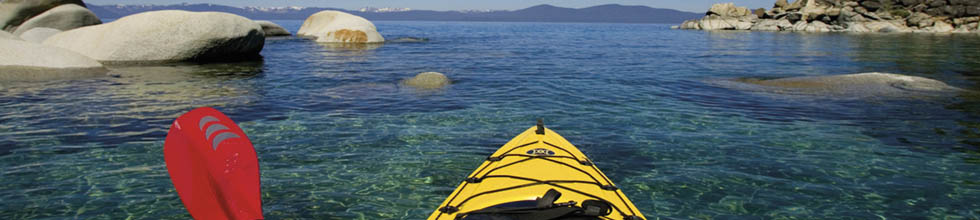
Canoeing, kayaking and river rafting are also favorites of mine. I have crew rowed, so paddling is very comfortable for me. I did my first kayaking and what a blast! I liked that I could go at my own pace and didn’t necessarily need to be in a boat with someone else like you do in canoeing or river rafting. I was told I was a pro after the first hour since I have a strong stroke and now I am trying to figure out how Ben can kayak with me.
I also made some time to look into one of my favorite pastimes, horseback riding since I get asked about riding destinations all the time. The Lodge recommended Zephyr Cove Stables, so I had to check them out. You can take hour rides, half- and all-day rides at this ranch, and they seemed like pros in pairing you with a horse. This is very crucial since the last thing you want is to be paired with a high anxiety and “fresh” horse when you are a novice. I also remind people that want to go horseback riding at vacation destinations, that it is ultimately not about the horse but the vistas and enjoyment you get from the experience.
The website www.tahoesouth.com has a complete list of shows, events and activities for the entire family. Whether you are into the casinos and shows, hiking, bicycling, shopping and spas, local culture, nightlife or water recreation, Lake Tahoe has it all. I had a wonderful time paddling, riding, bicycling and just relaxing enjoying the fabulous views – I am sure you too will have an adventure of a lifetime.
Lake Tahoe is so close to our homes here in the Bay Area that we can enjoy many experiences here throughout the year. So in hindsight, Lake Tahoe cannot be described in one word, it would take quite a few to tell the story of this picturesque lake.
Golf in South Lake Tahoe
Lake Tahoe Golf Course
Located in a mountain meadow surrounded by the High Sierras, this spectacular 18-hole golf course will challenge golfers of all levels. Breakfast and lunch are served daily, or you can enjoy cocktails on the sun deck featuring the best view in town.
2500 Emerald Bay Rd., South Lake Tahoe, CA 96150
(530) 577-0788
www.laketahoegc.com
Tahoe Paradise Golf Course
A top executive course in nearby Meyers along Highway 50.
3021 Hwy. 50, Tahoe Paradise, Meyers, CA 96150
(530) 577-2121
www.tahoeparadisegc.com
Bijou Municipal Golf Course
Bijou is the oldest golf course in South Lake Tahoe. This golf course is perfect for beginners and families with a 9-hole, par 33 layout, and the best bang for your buck. Bijou Golf offers Senior discounts throughout the week and is kid-friendly.
3464 Fairway Ave., Fairway Ave & Johnson Blvd.,
South Lake Tahoe, CA 96150
(530) 542-6097
cityofslt.us/index.aspx?nid=267
Carson Valley Golf Course
Carson Valley Golf has been in the family for more than 40 years. With more trees than any other course in Carson Valley, you get a longer golf season and you play cooler in the summer, especially with the cool rush of the Carson River nearby.
1027 Riverview Drive ,Gardnerville, NV 89460
(775) 265-3181
golf@carsonvalleygolf.com • www.carsonvalleygolf.com
Edgewood Tahoe Golf Course
is considered one of the most breathtaking courses in the country. It boarders Lake Tahoe with manicured fairways. It’s home to the American Century Championship, and also one of Golf Digest’s top 25 public U.S. golf courses.
100 Lake Parkway, P.O. Box 5400, Stateline, NV 89449
(775) 588-3566
Toll-Free (888) 881-8659
edgewood@edgewood-tahoe.com
www.edgewood-tahoe.com
Genoa Lakes Golf Resort
offers two championship golf courses within two miles of each other . You’ll be awestruck by the encompassing views of the Carson Valley and the wide array of wildlife as you make your way around the incredible layout.
1 Genoa Lakes Drive, Genoa, NV 89411
(775) 782-4653
www.genoalakes.com
Family Fun
South Lake Tahoe isn’t just for the young at heart—actual children can have a great time here, too. And if you bring your kids, no one will look at you funny when you start a snowball fight or a game of Marco Polo in the lake.
Or get those kids back to nature. Take ‘em biking by the lake or hiking up the Rubicon trail. Finish the day with s’mores around the campfire and take part in the time-honored tradition of spooking the whole family with swear-they’re-true ghost stories.
Not in the mood to rough it? Head out on the town for dinner at one of South Lake Tahoe’s many family-friendly restaurants.
There’s just as much to do in winter: sledding, snow tubing, ice skating and school (ski school, that is). South Lake Tahoe’s ski resorts have ski instruction for all levels, as well as kids’ camps. There’s even daycare for little ones as young as two months.
Whatever the season, South Lake Tahoe is an unbeatable family destination with gazillions of activities. In fact, your kids are likely to crash early from all the excitement, giving you some hard-earned grown-up time in the evening. How’s that for the gift that keeps giving?
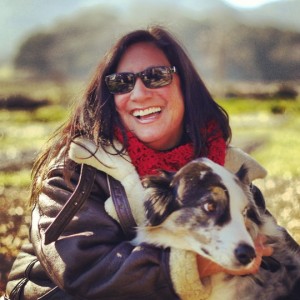 Deanna Baillie and Ben, her Australian Shepherd, are great travel companions. They invite you to keep up with them on their blog at www.localhappeningsmagazine.com.