Improving the lives of children and family for decades

By James Quinn
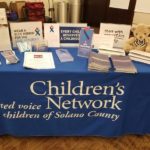
With so many children and families in need every day, we are very fortunate to have the Children’s Network of Solano County (CNSC) in Fairfield, a registered 501(c)3 organization that, in my opinion, goes above and beyond their mission statement of “improving the lives of children in Solano County through education, advocacy, coordination of community services and community-based collaboratives” (childnet.org).
Established in 1982 by the Solano County Board of Supervisors, the Children’s Network started as a fundraising arm for the Children’s Network Council (now called the Solano Children’s Alliance), which is a 20-membered body appointed by said board. “It was originally formed because a local Children’s Shelter had closed, causing a big uproar in the community about who is paying attention to what kids need,” Executive Director Ronda Kogler said. Kogler served as CNSC’s director of operations for 22 years until recently starting as executive director on July 1st (after Alan Kerzin retired with six years of service).
CNSC has since branched out and expanded—where they do so much to serve their community—as a nonprofit that stands up for child rights by dedicating their organization to protecting them and making their lives better. Their website highlights just some of what they do: “The Children’s Network promotes programs that support families, secures funding for children’s services and programs, influences policy at the local and state level, helps families access services, and collects and publishes data on the health, safety, and well-being of Solano County children” (childnet.org).
Kogler was able to elaborate on this list when she told me that the organization stays active in a lot of projects that encourages civic engagement. “We’ve run the Parent-Leadership Training Institute (teaching parents how to advocate for their kids),” Kogler said. “We staff Solano Youth Voices, which is a council of youth that have developed a public policy platform.” In other words, the organization values not only keeping the youth involved in their communities but also giving voice to minors as allies in the decision-making, the collaborative process behind the policies that affect them.
Part of what makes CNSC such a strong community staple is not only what it does for it but also how it utilizes networking (living up to its name) to work smarter via collaboration. For instance, in addition to their dedicated staff, volunteers and their Board of Directors, the organization partners with local advocates that comprise: (to only name a few) the Solano Children’s Alliance, who acts as the County’s Child Abuse Prevention Council, and Local Child Care Planning Council. They are also partnered with SparkPoint Solano Progam, Solano Family Resource Center (FRC), Solano Youth Voices, and others—all “to assure there is a strong, united, independent voice for all of our children” (childnet.org).
In order to effectively carry out their mission statement countywide, CNSC takes a systematic approach, where the first step is uncovering the need by asking the right questions, evaluating current processes, identifying gaps and figuring out what areas need the most support (childnet.org). Next, through collaborating and coordinating, Children’s Network forms community networks to address particular needs and how to provide the best services. “That includes direct involvement in coordinating those services and programs, which includes developing funding for programs, training, education and facilities development” (childnet.org). Lastly, to facilitate change and make a greater youth impact, the organization focuses on advocacy. Their website continues, “We make recommendations to local and state leaders and address policy issues that directly affect our community. We inform policymakers on the gaps in services and encourage action to fill those gaps” (childnet.org).
A big community need that CNSC advocates for is helping families—as a nurturing family and home that provides a safe, positive environment go hand-in-hand to a child’s healthy development. “To improve the lives of children, we need to remember that all children are part of families, so really that means we have to pay attention to family needs and family supports,” Kogler said.
One of the main ways CNSC helps families is through childcare, which is not only an urgent, national need but also an expensive one. It is no secret that childcare is usually one of the largest expenses that a family has, yet not all families have the ability to access childcare and the money to afford it (e.g. expensive diapers, food, along with clothes that children quickly grow out of). It may also seem counterintuitive that whereas childcare is so expensive, childcare providers are still poorly paid. CNSC, however, provides programs and services to help with childcare, as well as helping families get access to other basic needs assistance and benefits available to them.
Koger continued, “We need to make sure families have supports in place to help prevent child abuse and ensure they can thrive. This means advocating for kids’ needs both at the local, state, and federal levels, paying attention to and supporting family-friendly legislation.” Some of these supports could even mean helping families who are in urgent need with stressful expenses such as assistance with their rent, utilities, etc.
CNSC collaborates with the government locally (at the county level), which sometimes makes an impact at the state level. “Local changes can have statewide implications. Every voice counts.” Kogler said. For example, the organization recently advocated for a bill to change the eligibility rules for subsidized child care for Solano families. Kogler continued, “Our Local Child Care Planning Council (LPC) went to Jim Frazier, along with other LPC councils, and said that the rules around subsidized child care weren’t working for our families. We advocated for a pilot project [AB-377 Child Care Subsidy Plan that Governor Brown signed in 2017]. That pilot said that we could change some of the rules for our county so that more families can access subsidized childcare. Because we did that work locally, now the state has passed AB-2626 [child care bill passed in 2018], which takes a lot of those provisions and makes them statewide.”
According to their website, another local action that affected the state is when they: “worked successfully with the courts to establish a policy of imposing restitution fines from those convicted of child abuse. The fines are used to support local child abuse prevention work” (childnet.org). This ruling is huge in rendering mandatory restitution to direct victims of child abuse. CNSC clearly makes a significant impact in our community by taking action to make a difference.
CNSC is a great example of people and government working together to establish much-needed public services that the community wants. Community relationships are fundamental to the organization—something that they have carried with them since their founding.
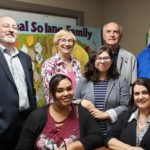
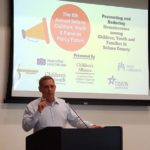
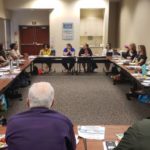
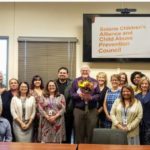
On that note, CNSC staff likes to support monthly public meetings of the Solano Children’s Alliance, which you can attend on the first Wednesday of each month. Their next one is scheduled for August 7th—with the topic of Mental Behavioral Health—at Solano Family and Children’s Services (SFCS): 421 Executive Ct N # A, Fairfield, CA 94534. This meeting would be a great opportunity to learn additional information for free, and Kogler encouraged me and anyone else to attend. See a full schedule of their public meetings on their website’s homepage.
Donate to the nonprofit organization on their website at childnet.org/get-involved, where your contribution can help change the future of a child and their family. Plus, since they are a registered 501(c)3, remember that donations are tax-deductible.
Children’s Network of Solano County is located on 827 Missouri Street, Fairfield. They have a great website, full of information on resources and services such as financial support and volunteering opportunities. Visit them at childnet.org, and be sure to “Like” their Facebook page @TheChildrensNetwork to follow them for convenient updates, event dates, etc. Call Children’s Network of Solano County at (707) 421-7229 or email them at childnet@childnet.org.
For Child Welfare Services, call (707) 784-8791. To report incidents of abuse or neglect, call their 24-hour hotline at 1-800-544-8696.
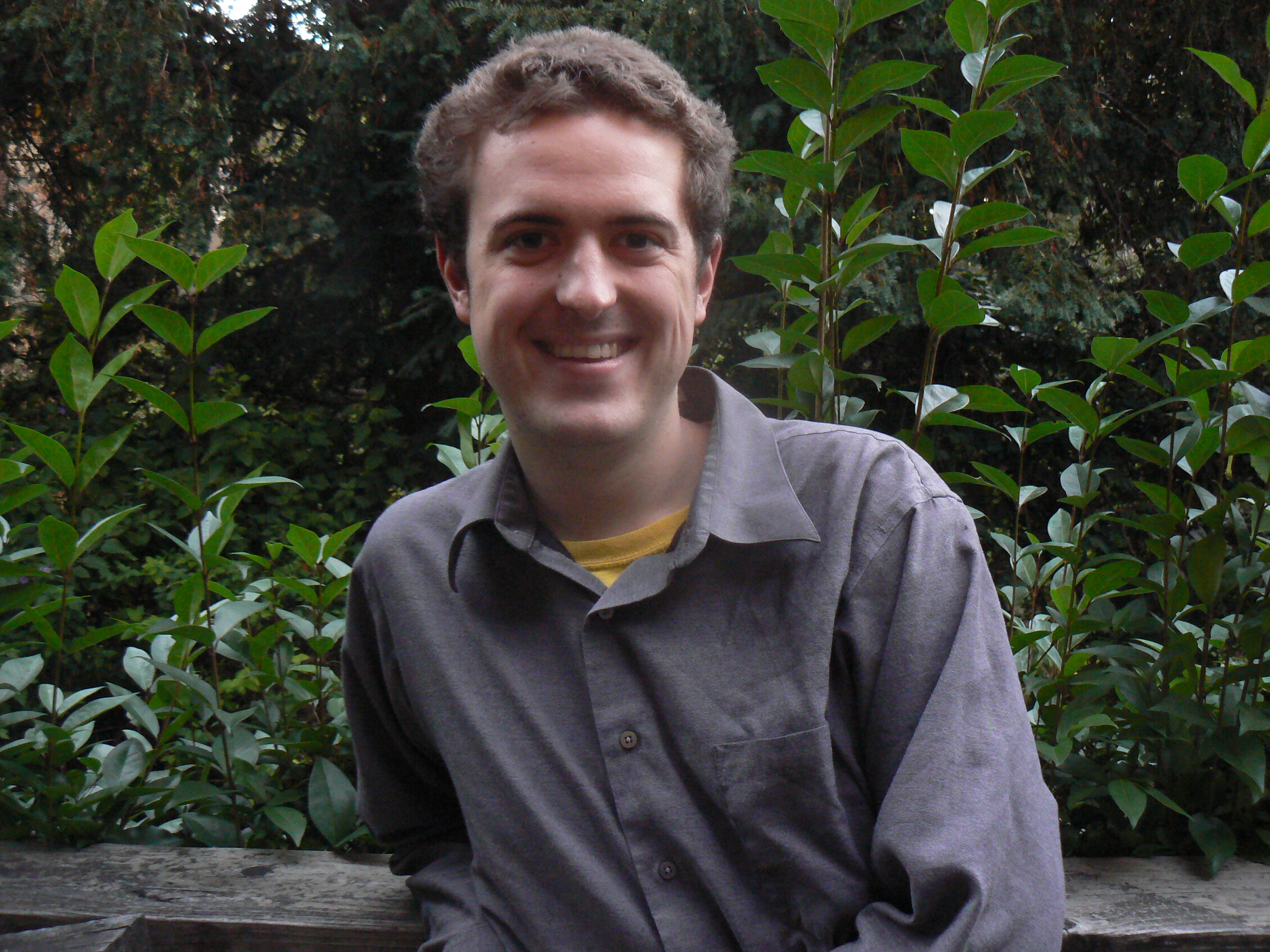
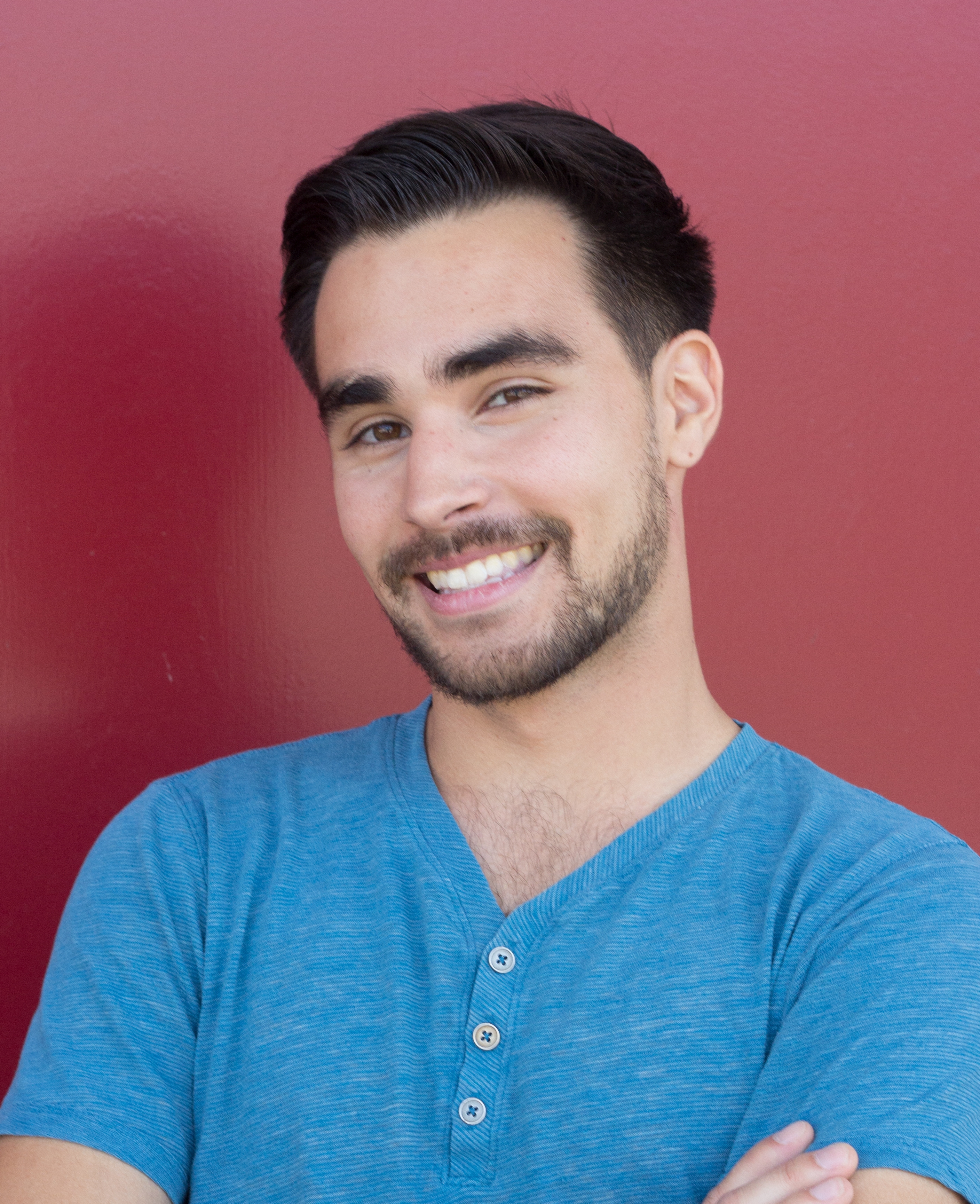
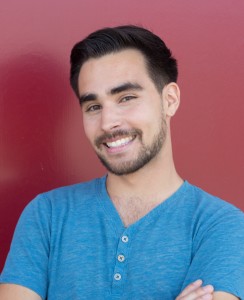 James Quinn lives in Benicia and teaches at Elmer Cave Language Academy in Vallejo. A UC Davis alumnus in English, he now studies education as part of Touro University’s Master’s in Education program. Along with teaching, he tutors and writes often. He is working on a novel that takes place in Benicia. See his website at mrquinnj.weebly.com.
Well, here we are again, at the halfway point of 2019, and before you know it we will be singing jingle bells! Before then, we have summer and all the things that it brings to us every year. Tomatoes from the garden, kids playing at the pool, baseball, apple pie, and of course a TON of events during those long summer days. Since we know that winter is right around the corner, we need to get out now. Don’t wait, for we all know how quickly 2020 will be here! July 4th is a big event and as always there will be lots of fireworks to enjoy. I hope all of us make sure to use any fireworks safely. We have had too many fires over the past few years, and we are hoping that 2019 will not be a repeat of that destruction. As Smokey the Bear says: “Only YOU can prevent wildfires!”
Father’s Day is also coming up in June. As one may recall from our last issue, our father just passed away in February, so this Father’s Day will be our first without him. His whole family misses him greatly, and we would encourage all to share the day with your father, or any father you know and love … before you can’t. fathers… before one can’t. Perhaps, people can be a little more creative this year and forget the socks or a tie. Why not take him out to an event that you can both share? One suggestion: The Pirate Festival, which happens every Father’s Day in Vallejo. It’s an excellent event for you and dad because even if you arrrrrrrrgue, it will still be a great day! That, of course, is your “dad” joke.
This time of year is also big for weddings. With all the wet weather we’ve had late in the year, it should still be nice and green for June, at least. With the kids out of school, the biggest thing about summer is vacation time. Check out the events in our calendar and you can perhaps plan a “staycation” and take in all the sites and sounds in your community, just as the millions of visitors to the area from all over the world do every year. It always amazes us how much there is to do right here and without the hassle of getting on a plane.
Also, a quick reminder for our Annual Local’s Choice Awards: our voting will be opening up in September, so if you want to nominate a person or a business, that is when you’ll be able to start!
Finally, to all our friends and family that are marking their annual journey around the sun, we say Happy Birthday!! Here are but a few of them: our mother, Genevieve, Robert’s daughter, Veronica, as well as our niece, Danielle, along with Julie, Jim, Lisa, Donna, Christine, Victor, Kyle, Sam, Ken, Maureen, Marc, Faith, Ann, Lynn, Karen, Juan, Jodi, Gigi, Sherry, Kenny, Jack, Jay, Tom, Matt, Jennifer, Clint, Ken, Phil, Amelia, Tina, Doug, Krystal, Bob, Pippen and to all who are adding a year to their bio—we are celebrating with you!
Until next issue, Cheers!
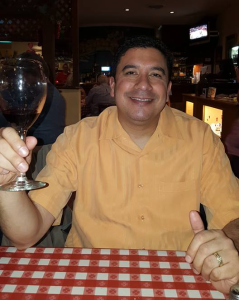
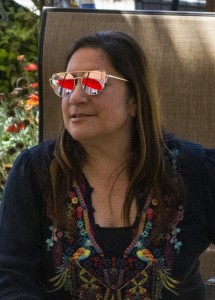
Robert Briseño & Deanna Troupe
By Chef K. Marie Paulk
Well, here we are again, summer. Personally, I cannot believe half the year is gone, but the days are longer, vacations are in the air, and I am sure people are ready to fire up the grill, either in the backyard (my favorite place with my pups), at a park, or campground with friends and family. However, rather than talking about everyone’s favorite summer meal, I’m going to tell you about what must go with it—the beverage.
Water, while very important to our health, is not my “go-to” drink for my summer dinner parties. I was thinking about something a bit more robust … either an alcoholic or non-alcoholic drink that pairs well. White and red wine are at the top of my list, but I read somewhere: “With a glass of wine, you have a drink … but with a pitcher, you have a party.”
During the summer, my personal go-to drink is a gin and tonic. I love the flavor, but believe it or not it has been served to me without a lime, an ingredient which I feel makes the drink; if you don’t have a lime in the drink, it is not complete, plus it needs to be served in a tall glass with lots of ice (presentation in drinks is important). It could be, for example, a simple squeeze of a lime to finish the drink. Normally, I would only drink one of these before dinner, which makes this drink, for me, an aperitif (aperitif from the Latin word aperire, meaning to open). Aperitif is a pre-dinner drink often served with an appetizer to stimulate the appetite, and it can be a glass of wine or again, like me, a very dirty gin martini. In Greece, they go for ouzo; in Italy, cocktails are made with bitters; and in France, anise-flavored drinks are found.
Sangria is a very popular summer drink. I like the drink because it is not too heavy and because it has a lot of infused fruit. I have read that Sangria may not be from Spain. The first English language reference to sangria comes from the 1730s when the drink was more often called sanaree. Popular in London, not Spain, it was actually a gin punch, but they used wine instead to avoid the high taxes placed on gin. Some believe the sangaree come from West Africa word sangara, or from an Urdu word sakkari, which means sugared wine.
You can discuss its origins over a glass. I like to follow these simple rules when making sangria:
- Pick a wine that you enjoy, but use an inexpensive bottle.
- Pair the wine with fresh fruit, letting the fruit steep for at least 2 hours before you serve. Just note that if using citrus, the white pith will add a bitter taste, so do not steep more than 1 day ahead.
- Add sweetness with a liqueur.
- Balance the sangria with the right amount of sweet and sour. If it is too sweet, add citrus juice, and if it is too acidic, add sweetener. Make it simple by using simple syrup, honey, agave nectar, or more liqueur. Simple syrup is liquid gold: stir together 1 ½ cups of sugar and 1 ½ cups of water over medium heat until sugar dissolves. Let cool, then strain, cover, and chill. It will keep for two
- Never put ice in your pitcher: when it melts, it will water down sangria. Chill the sangria in the refrigerator and serve over ice.
- Top the sangria with a bit of sparkle, like soda water, ginger ale or a sparkling water.
Another summer drink I like is a Michelada, which is nothing more than a simple mixture of beer and hot sauce. When I lived in West Texas, we drank these in place of margaritas. You will never find it made the same way.
A simple recipe is:
- 1 lime wedge
- Seasoning like Chilimon
- Ice
- Dash of hot pepper sauce
- Dash of Worcestershire sauce
- One 12 oz. beer (my personal preference is Pacifico)
Just run the lime around the rim of the glass to moisten, put the seasoning onto a small plate and dip the rim of the glass. Fill the glass with ice, and add lime juice, hot pepper sauce, and Worcestershire into the glass. Add the beer, then sprinkle with more seasoning and serve.
I could go on and on with summer drinks, so I’m sure by now you might be thinking I have a problem. Not to worry, I am just a social drinker, although one drink I really want to try this summer is the Jalisco Flower, a recipe that caught my eye because it is made with fresh ruby red grapefruit juice. Nothing better than fresh squeezed grapefruit, and the recipe is simple:
- ¼ cup of ruby red grapefruit juice
- 3 tbs. of St. Germain elderflower liqueur
- 2 tbs. Blanco tequila
- Ice
- Brut champagne
Combine the first three ingredients in a cocktail shaker and fill with ice. Cover and shake at least 20 times and strain into two flutes. Top each with champagne and garnish with grapefruit twists.
Flavored waters might be a way to go, especially if you are entertaining with underage folks attending. Nothing better on a hot summer day than watermelon basil water, blackberry sage water, or cucumber mint water. All pretty simple to make, plus they will not be loaded with a lot of sugar or artificial sweeteners and dyes.
Enjoy the long summer days, and stay hydrated!
SolTrans makes systemwide changes
Change is in the air, and Solano County Transit (SolTrans), the public transit agency serving Vallejo and Benicia, is making significant changes to its routes. Over the past two years, SolTrans has worked with the public to reimagine public transit in the region. The goal was to make the system more accessible and convenient to the riding public so that they could better connect locally and with other transit agencies in the Bay Area. Starting July 1st, 2019 those changes will take effect.
Routes 80 and 85, which serve Fairfield to the North, and Del Norte BART to the South, will combine into the Red Line. In addition to a new name, it will also have new stops. To the North, SolTrans will now connect with the Amtrak Capitol Corridor train service in Suisun City. This system will allow for riders in the region to connect not only to Sacramento but also to other destinations that Amtrak serves. A new stop will be added in North Vallejo, along Highway 37, which will not only help connect local riders to the San Francisco Ferry service, but it will also serve Six Flags Discovery Kingdom. This change means that visitors from San Francisco, Fairfield, and Suisun City will now be able to use the bus to visit one of Vallejo’s largest regional attractions while saving them the cost and hassle of parking. Another new stop will serve Solano Community College in Fairfield at Suisun Valley Rd. and Kaiser Dr. Finally, riders from Suisun City and Fairfield will now be able to connect with the Del Norte Bart Station without changing buses. That change will save SolTrans riders time and offer even more convenience for their daily commute to work.
Their plans for the local service will yield higher frequency and longer operational times each day. They accomplished this by focusing their routes along the high-use corridors of the community to maximize the number of people that are using their services. The increase of the frequency and duration will allow for more access for the public by making it both more convenient and more practical for them to make use of public transit.
On many routes, the frequency will increase to 30 minutes, allowing transit riders to get back and forth more quickly to work, medical appointments, or shopping. Riders will also now be able to ride the bus later. Buses will run until 9 p.m. on local routes, which will allow for those getting off work later to be able to use public transit as opposed to having to wait for a taxi or for friends/family to pick them up.
To be able to offer the use of buses more frequently and at later times, service on routes that were vastly underutilized had to be eliminated. To accommodate those riders, SolTrans has entered into an agreement with Lyft to provide subsidized service in Benicia and some parts of Vallejo to help replace some of that lost service. A nominal rate increase was also put in place to help fund the increased service and to account for inflationary cost rises that SolTrans faced.
Public transit becomes more viable the more people use it. In order to create a larger system, there has to be the ridership to support it. SolTrans hopes to create a public transit system that is more practical and serves the most people so that they can meet the needs of the community while encouraging greater ridership through better convenience. For more information about SolTrans and their upcoming changes please visit http://www.soltransride.com/planning/coa/
As another academic year comes to a close, a new generation of healthcare professionals enters the workforce striving to improve the health of their communities. Each new graduate earns their degree after being seasoned by both a wealth of knowledge in the classroom and clinical experience while on rotation. One new pharmacist, Helen Berhane, Pharm.D., graduated from the Touro University California (TUC) College of Pharmacy on May 19th. Were it not for the experiences she had during rotation, she says that she wouldn’t have considered her upcoming residency at Stanford’s Lucile Packard Children’s Hospital.
While rotating throughout California, Dr. Berhane saw up close the innocence of children who face difficult diseases. Being in a position to help those so young and small fighting something fully out of their control inspired her to do all that she could, she says.
“I saw children who despite having severe illnesses still smiled and enjoyed life,” reflected Dr. Berhane. “That made it even more motivating to chart their daily progress and optimize their antibiotics, pain regimens, and overall care.”
As a pharmacist, knowing not only what is going wrong in the body but how on a molecular level the medications compensate for the damage that is happening is a skill that Dr. Berhane finds essential not only for providing care but also in easing the fears that patients have about their treatment.
“People will often have a fear of drugs or Western medication, especially if they come from underserved communities,” she stressed. “When you understand what is going on at a molecular level, it can help to deliver the message of just how it will help them.”
A first-generation American whose parents emigrated from Eritrea, Dr. Berhane is the first of her family to go to college and pursue a doctoral degree. At home, she has used her knowledge to ease her mother’s concerns about the insulin she takes.
On a different clinical rotation, Dr. Berhane strove to arrange long-term treatment plans for refugees on expiring visas who would soon be returning home. In some cases, the diseases carry cultural stigmas, such as HIV, and she would try to help patients find ways to continue treatment even as they were afraid to store the medication in their own homes.
Looking back on her four years as a graduate student at TUC, Dr. Berhane is spirited by the experience.
“The university and the greater Vallejo area was the perfect environment for my graduate study,” she stated. “It is so easy to be involved. Not just with extracurricular activities and in the community, but by getting to know the faculty and the dean.”
It was a community that came to support her during the university’s annual Mosaic Diversity Scholarship Fundraiser Celebration, an event that happens every April, where donors and sponsors from throughout Solano County come together to support students just like Dr. Berhane in their academic climb.
“It really helped me be less concerned about financial burdens and focus more on what I wanted to accomplish, both in terms of research and community service,” Dr. Berhane remembered. “It really helped me in that regard. And it felt great to be part of a celebration of diversity inclusion. That’s something that I really stand for.”
Free, weekly, family-friendly entertainment
By Matt Larson
In 2008, a small group of musicians and music lovers came together to put on a show. They found some of the best bands in the Bay Area and had one goal in mind: to provide free family entertainment for the greater Napa community. It was a grand success and soon after they began a partnership with the city of Napa’s Parks and Rec department to give these free and family-friendly concerts at the Veterans Memorial Park in Downtown Napa. They called it Napa City Nights.
This summer, Napa City Nights will be held every Friday night from June 7th through August 23rd. “In the beginning, we didn’t have any money at all,” said Event Director and Co-Founder Chris Chesbrough. “We basically pooled equipment together, contacted a bunch of bands that we knew, volunteered to set up the show, and put on 3 acts every Friday night.”
Before too long, they were able to lock down some sponsorships to start paying the bands and buy better equipment. “And that’s kind of our story every year,” Chris said. “We get supported by the local merchants, we all volunteer, and we formed a 501(c)(3) nonprofit so that everything’s tax deductible for our sponsors.”
“It’s gotten bigger and better every year,” he continued. Now in its 12th season, Napa City Nights attracts an average of 1,000 attendees per Friday night. They’re even planning to start live streaming the event as a bit of an experiment. However, it’s not just the Napa community that’s taken note of the event, as bands throughout the entire Bay Area are hopping in line to perform.
“We had over 250 acts, from all over the place, that contacted us to play,” Chris said. “It was one of our largest turnouts of bands submitting.” There is no submission fee for the bands—which is a tremendous service in and of itself—and every single band that submits has a fair shot to perform.
“We look at every single band that comes through via email and just kind of weed through to see what’s appropriate for our venue,” Chris explained. “We also might reach out to certain bands that we like to see if they’re available for certain dates. “It’s a bit of a process, all done by committee; we wish that we could have everybody play but that’s just not doable. But we do get 36 acts out there doing their thing!”
Providing an amazing experience for three dozen musical acts throughout the Bay Area, who also get paid for the performance, is a tremendous gift for the music, and music-lover, communities alike. Napa City Nights also offers internships for those interested in event production, which is not something they’ve started because of their success, but something they’ve been doing since the beginning.
“From working with the bands to sound and lighting, to merchandise, security, cleanup—we try to teach all aspects of concert production,” Chris explained. They’ve had at least three or four interns join their group of about 15 volunteers every year, a fairly small team considering the undertaking, so an intern would get a very full experience working with Napa City Nights. And the best thing is—anyone can apply.
“It’s usually people who’ve just got a love of music,” Chris told us. “That’s one of the things that I really like about the event; it’s very grassroots. And we teach old-school production.” With a much more analog approach (as opposed to digital, which they have begun to integrate), interns at Napa City Nights get to know the fundamental basics of putting on a live concert.
Open to anyone and everyone, Napa City Nights’ concerts enforce no age restrictions whatsoever. “It’s free to anybody who wants to come and check it out! Which we love … because if they don’t like the music they can always try to get a refund on their ticket,” Chris joked.
You can always just walk around downtown Napa if you’re not a fan of the current act and come back for the headliner, but these performers are carefully selected. In fact, most people do just the opposite of walking away—they show up hours in advance to set up camp in anticipation of this iconic event that remains consistently awesome, week after week, year after year.
Keeping with the family-friendly theme, no alcohol is available for sale at Napa City Nights, but it is allowed! “We don’t serve alcohol, but we do have a permit that allows people to bring it in the park,” Chris said. And there’s no corking fee or anything like that either, sticking to that “free” theme.
As with most events in Napa, if there isn’t wine or alcohol for sale, you can often bet on some eclectic food options, but you won’t find that at Napa City Nights. “We really want to support the local downtown merchants and restaurants,” Chris said. “We’ve got three vendors that do concert food and that’s it—hot dogs, ice cream, and pizza. We get inundated with people who want to set up a table but we just don’t do it.”
Everyone is encouraged to bring a blanket, a picnic, and dancing shoes! “We’ve got a huge dance floor,” Chris beamed. As far as the musical selections, it can vary quite a bit. “From world beat-type music to high energy rock ’n’ roll—soul, funk, some country—we like to mix it up. But you won’t get rap and you won’t get death metal at our show.”
So why should you attend? Simply, “It’s the most fun you could have on a Friday night,” Chris asserted. “It really is a blast, everybody has a great time. And it is truly keeping live music happening! We don’t do backtracks, we don’t do ‘disco’—it’s live music by people who actually learned how to play an instrument.”
But of course, it takes a village, and without the support from their sponsors, local merchants, and especially the volunteers, there’s no way Napa City Nights would have made it these past 12 years. “We can’t do it without our crew,” Chris said. “It’s an amazing group of people, and we work for food! It’s all about the people, our crew, and the artists. It’s been a pleasure to do it all these years.”
Look for Chris performing with his band Road Eleven. Opening night you can catch Purple Haze, one of the season’s few tribute acts. If you’d like to submit your own musical act for the 2020 season you can head to their website at napacitynights.com, or email your press kit to napacitynights@gmail.com. If you’d like to attend, head to the Veterans Memorial Park Amphitheater in Downtown Napa at the corner of Third & Main streets every Friday night this summer between the hours of 6:30-10 p.m. June 7th through August 23rd, 2019.
“Our mission, and our vision, is just to try to keep that family-friendly vibe going,” Chris said. “Everybody’s a part of the show. There’s no ‘us’ and ‘them’, it’s just everybody having a good time.” And, arguably, the best way to tell if it’s a great event or not is to ask how the bands enjoy playing the venue, and Chris has had a pretty consistent response from the performers over the years. “Every band that has played Napa City Nights always wants to come back, because they just love the venue, and they love the vibe.”=
Same goes for their regular attendees who come early every week to pick out their favorite spot to enjoy the show. So head downtown to get an early dinner in time to walk over to the park for some quality, live, entertainment.
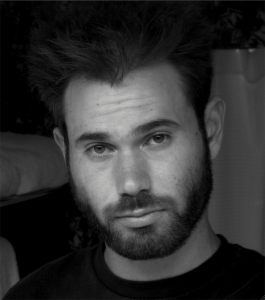
Larson is an actor/comedian/director from Vallejo who lives a double life between the Bay and LA. When he’s not writing for Local Happenings Magazine he could be editing a short film or working on his next rap album—who knows!
Keep up with all things Larson at www.MarsLegstrong.com.”
By Nate Gartrell
The bright red and white lights that display the words “C and H Pure Cane Sugar” to hundreds of thousands of passersby on the Carquinez Bridge each day have become one of the most iconic sites in the Bay Area. They might be powered by modern, energy-saving LEDs, but they give off a feeling of nostalgia, a throwback to an era where red brick factories and warehouses lined the shores of the Carquinez Strait from Crockett to Martinez, when industry, fishing, and transportation by rail and ferry were the driving forces behind the local economy. The California and Hawaiian Sugar Factory was founded in 1906, though parts of the building that have made up its home are even older than that, harkening back to the late 19th century. Nearly everything about the area has changed since then—even the sugar factory’s linkage with Hawaiian cane fields—but through it all, the sugar factory has endured.
When it started, the factory employed around 500 people and produced around 67,000 tons of refined sugar per year. It now employs around 450 and produces about 10 times its 1906 levels—millions of pounds per day—accounting for roughly 14 percent of all the sugar throughout the United States.
“Today C&H produces cane sugar and molasses for a vast US market,” the factory’s website says. “The Crockett refinery processes over 700 thousand tons of cane sugar annually—more than 70 types, grades and package sizes, including packaged consumer sugars as well as packaged, liquid, and bulk granulated, industrial-use cane sugars.”
The history of the sugar factory goes back to the Gold Rush era when a man named Abraham Starr came to the Bay Area in search of fortune, at the young age of 18. While he didn’t strike it rich with a gold pan, Starr started a flour mill in Vallejo. Then, in the second half of the 19th century, he crossed the Carquinez Strait and opening a mill called Wheatport in Crockett, where C&H now stands. Before the mill could go into heavy production, the bank scare of 1893 forced Starr to sell to a businessman named G.W. McNear, who envisioned a beet sugar factory on the site. He converted the mill into just that—but as anyone at C&H will tell you—beet sugar is considered inferior to pure cane sugar. Soon, a Hawaiian ownership group took over the site and began a tradition that would hold for the next 111 years: Shipping raw sugar canes from Hawaii to Crockett, where the factory would refine it into the granulated sugar we all know and love. Crockett’s location had it all—access to the Pacific Ocean, railroad, and the highway, as well as a pre-made sugar refining plant. As another big plus to Crockett, it gave access to fresh water via the Delta (i.e., fresh water is a necessary element in the process of refining sugar), and for decades, sugar would be shipped down the Delta via the Carquinez Strait by C&H barges.
The factory has been working basically around the clock ever since 1906. After celebrating its 100th anniversary in 2006, it was bought by its current owners, the Florida-based American Sugar Refining, Inc., which runs similar factories and cane fields throughout the country.
“We ship anywhere from 90 to 100 packaged trucks every day, over 25,000 a year,” Jake Peterson, a warehouse manager, said in a video series that C&H put out in 2017. “The Crockett facility is a great Bay Area location. We actually got train tracks that run right through the facility, so we have the ability to load packaged cars and bulk rail cars if the demand is out there.”
Two years ago marked the end of an era for the sugar factory, when the last of its Hawaiian sugar plants, in Maui, shut down. In an event that would garner media attention around Northern California, the factory commemorated the arrival of the cargo ship Moku Pahu when it carried what would be the final Hawaiian shipment—30,000 tons in total—into the Crockett harbor in January 2017. That’s a typical shipment, and factory workers say the factory receives 25-30 of those annually.
“Normally in the sugar industry, sugar is stored in raw sugar sheds. But unique to Crockett, we have nine raw sugar silos. Each silo can store around 12,000 tons of raw sugar, which is 24 million pounds,” Hitesh Sharma, an engineering manager, said in one of the factory’s 2017 videos. “So with nine silos we have the capacity to store 110,000 tons of raw sugar at a time.”
The end of the Hawaiian connection was part of a nationwide decline of domestic sugar production. In keeping with its nostalgic spirit, C&H maintained its name and logo, but now its cane comes from foreign production sites in Mexico, Brazil, Australia, or Vietnam, to name a few.
“While Hawaii no longer produces raw sugar, C&H Sugar is still made with pure cane sugar, and we are very proud of our Hawaiian heritage, which is why we display the hibiscus flower on our logo,” a C&H spokesperson told Local Happenings magazine. Because the sugar factory has become a mainstay in Crockett for the bulk of the town’s history (and even though many of its employees live out of town), Crockett has become known by the nickname “Sugartown.” And every year for the past 11 years, the town’s Chamber of Commerce has commemorated the special relationship between C&H and Crockett with the Sugartown Festival, an outdoor music and street fair. It is held on the third Sunday of July, which this year falls on July 21, from 11 a.m. to 6 p.m.
“It is a great outdoor music festival and street fair,” the festival’s website says. “It is family friendly, has great arts and crafts, food, beer, wine, and live entertainment. Stroll through a shady street, enjoying the food and wine, shopping, the great arts and craft vendors while enjoying wonderful music, with two stages to choose from.”
For this year, Lagunitas Brewing Co. will host a beer garden for the festival, and the organizers say margarita fans will also be pleased. The festival will feature nine local bands, each bringing a unique flavor to the table. In chronological order, from morning to afternoon, there will be: The Rhythm Doctors (blues band), Mama Foxxy (bluegrass/folk group), the Whiskey Gipsy Rebels, the Concord “rockabilly” group Mitch Polzak, the Royal Deuces (reggae band), Planting Seeds (also based in Concord), Van Goat (Oakland-based, punk, swing, ragtime, and southern jazz band), Crockett’s own jazz orchestra called Steve Snyder’s Big Band, Louisiana BlackCat Zydeco band, the Billy Martini Show (playing ‘70s and ‘80s dance music), and the VibraSÓN Latin Band (bringing “some of the greatest musical talent the Bay Area has to offer,” its website says).
The Sugartown Festival is free to enter and will be held rain or shine! For additional information on the C&H Factory, including recipes specially made for C&H sugar, visit chsugar.com or facebook.com/CandHSugar. View a series of short videos produced by the factory, giving the public a rare look inside, at vimeo.com/chsugarcrockett.
For additional information on the Sugartown Festival, including a list of vendors and musical acts with biographies, visit sugartownfestival.com. You can also get information, or sign up to volunteer at the festival, by emailing crockettchamber@aol.com or by visiting the Crockett Chamber’s website: crockettcalifornia.com. The chamber is located at 1214 A Pomona Street in Crockett, and its mailing address is P.O. Box 191 in Crockett, CA, 94525.
-

-

-

-

-

-
Sewing Sugar Bags
-

-
Sugar Cube Station
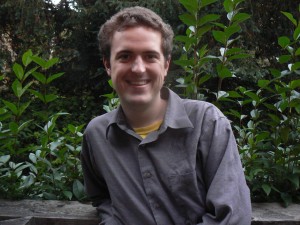
Nate Gartrell grew up in Benicia, studied journalism in college, and has written for a handful of media outlets since age 15. He aspires to visit all 30 Major League Baseball stadiums and to hit the trifecta at the horse track.
The field of Automotive Technology provides for a niche career
By James Quinn
Solano Community College (SCC) has further expanded into Vallejo with its Auto Technology Facility at 1695 Ascot Parkway (at the corner of Ascot and Turner parkways). This beautiful campus opened up just last year, fall semester of 2017, with a grand opening ceremony. More importantly, this Solano Community College Auto Technology Facility paints an exciting picture for the future of Vallejo and our local community, as we move further into the technological age.
With their new facility, SCC promotes the trades in a college setting by giving students the opportunity to major in the field of automotive technology (the study of practical automotive knowledge, hands-on experience, with that of technology). One of the Auto Technology Department’s main goals is to prepare students for working in the field, both during and after the Automotive Technology Program. As their website describes, “This program is designed to prepare graduates for entry-level employment in the automotive industry as apprentice technicians, parts specialists, service consultants, or specialists in one of the many areas in the automotive service and repair industry.” The department is already rated very high online, namely due to their strong faculty of professors who ready students for a respectable career, both during and after the program.
Helping them get there, the program has highly experienced instructors in the automotive technology field: Professor Paul Hidy, Professor Rick Marshall, and Professor Andrew McGee. The instructors have more than just office hours, as they give valuable one-on-one, hands-on training in the campus’ automotive bay shops and classrooms while incorporating technology that goes from basic to cutting-edge. They foster students’ understanding of how things work, organizational skills, oral and written communication skills, problem-solving, innovation, teamwork, and technology skills (to only name a few). “Students who complete the program will be technically proficient in entry-level skills as defined by the National Automotive Technicians Education Foundation,” their website states.
At the time of this article’s writing, the program has a big class close to graduating, according to Professor McGee—and from one educator to another, I could tell he, just as the other professors, is clearly passionate about teaching students and their success in working in the field. “We have several students who are currently working in the automotive field as technicians, service advisors, parts people, etc … at various locations, whether it be at dealerships or independent shops around Solano County and beyond,” Professor McGee said. “Right now, it’s toward the end of our spring semester, so we have several students who are graduating with their Associate’s Degree and/or certificates.”
By attending classes through SCC’s Automotive Technician Program, people can earn various degrees and certificates to get out into the field in only about two years, depending on the specific requirements—which is a lot faster than a four-year college, as well as other programs that often turn into five years or more—and their graduation rate keeps going up. “We have a significant number of students who are completing our program. That number has been increasing since we started,” Professor McGee said.
Some of the degrees and certificates that the Automotive Technology Department offers include, Associate in Science Degree, Certificate of Achievement in Automotive Automatic Transmissions & Transaxles, Certificate of Achievement in Automotive Electrical & Body Systems, and Certificate of Achievement in Automotive Maintenance & Light Repair. They also offer a smog check training for the California Smog Check Inspector licensing exam. Be sure to visit their online catalog for the specific requirements by degree or certificate, conveniently accessed here: solano.edu/catalog.
Fortunately, greater amounts of people in our community recognize this trade of automotive technology as a career choice. While trades are at a national low, efforts by publication, word of mouth, and SCC’s involvement in the community have made a positive difference. “The public is more and more aware that our program exists,” Professor McGee said. “We’ve been taking extensive measures to go out to the high schools and do outreach, and also in our community to help let the public know, ‘Hey, you can get an education that leads to a job and great career in the automotive industry.’” It is indeed a lucrative career choice, as a quick Google search will show for an automotive technician (that position is just one example, depending on the degree and/or certificates earned from the program).
Moreover, we are in the age of educating people to use technology for jobs that do not even exist yet by giving them pertinent skills that can transfer from related fields. Because cars can do so much more than ever before with technology—as seen with electric cars, Internet-connected vehicles, and autonomous cars—and because consumers are more tech-focused, it is especially important to know why pursuing automotive technology is wise in the 21st century. Autonomous cars, for instance, while a trending topic for multiple reasons, they are now far less of an idea than a reality. More people accept that they are here to stay, expedited with technological advancements that ensure greater safety.
The Solano Community College Auto Technology Facility stays up to date with the latest technology to teach students this trade that puts them in a comfortable position. Because most people outside of the automotive industry will not know how to work on cars (vehicles are bound for repairs throughout their driving life); those who do, clearly have the advantage. However, those with automotive technology training and certification from the program have an even better niche since many will not know how to work on cars with particular technology, especially if it just came out.
When weighing out choices for significant life-decisions, SCC’s automotive program is a great investment. Not only is SCC conveniently located in our community—which will not require much of a commute for most—but they also offer more affordable college units (especially as a California resident) than the vast majority of four-year colleges while putting you directly into the field in less amount of time. Another money saver is that since the program teaches how to work on cars of the future, students can independently do more while taking pride in a field that will not require them to constantly hire expensive mechanics down the road, no pun intended. This industry will clearly not die out anytime soon: a career in automotive technology means strong job security, as it will remain at the forefront of society, just as cars and technology are in their own right.
For additional information on the Solano Community College Auto Technology Facility, their Automotive Technology Department, and program visit solano.edu/business/1718/AutoTechflyer2017.pdf; for enrollment information, go to solano.edu/future_students or call Admissions & Records at (707) 864-7171. The new state-of-the-art campus is located on 1695 Ascot Pkwy, Vallejo.

James Quinn lives in Benicia and teaches at Elmer Cave Language Academy in Vallejo. A UC Davis alumnus in English, he now studies education as part of Touro University’s Master’s in Education program. Along with teaching, he tutors and writes often. He is working on a novel that takes place in Benicia. See his website at mrquinnj.weebly.com.


 James Quinn lives in Benicia and teaches at Elmer Cave Language Academy in Vallejo. A UC Davis alumnus in English, he now studies education as part of Touro University’s Master’s in Education program. Along with teaching, he tutors and writes often. He is working on a novel that takes place in Benicia. See his website at mrquinnj.weebly.com.