Chestnuts roasting on an open fire. Jack Frost nipping at your nose. Yuletide Carols being sung by a choir and folks dressed up like Eskimos. I always think of the Nat King Cole version of that song each holiday season, and while it is a quintessential holiday favorite, we can’t help but think that we are so glad that we don’t live where it snows. Robert’s wife Regina (who is from New Jersey and grew up with snowy winters) differs in that opinion, but we would venture to say that many of our readers and fellow Bay Area residents have a similar feeling. We like the cool air and the touch of fog that will float in which allows us to wear our warm winter coats for a day or two, but for the most part we enjoy being able to get out of the house as well. There is always Tahoe or Mt. Shasta if you need your wintery fix of snow & ice.
While we’re all getting ready for the holidays, we are sure that you, like us, are wondering where the year has gone to once again. It just seems to rush by in a blur and I am sure we will be saying that again next year, in what will feel like three months from now. Lots and lots to do before year end with family & work. Those of you with little ones, like Robert, will have just that much more … and much more fun watching them enjoy this magical time. There is much to do in the community as well … and not just the office parties that many of you will be having. Speaking of office parties, Local Happenings Magazine and Team Superstores will once again be teaming up for the holiday party and business mixer in partnership with the Vallejo Chamber of Commerce. It will be on Thursday December 13th at Team Superstores at 301 Auto Mall Parkway in Vallejo from 5:30 until 7:30. Come on out and say hi, we would love to see you. The price of admission is an unwrapped toy or canned good. It should be a wonderful time with some great food for all to enjoy. The calendar is once again packed with all kinds of good things for you to enjoy over the holidays and into the New Year. Please remember that what you see in these pages is just a small sampling of events and you need to visit our website to see them all. The website is smart-phone-friendly as well, so you can check it out as you are running around wondering what to do.
With the end of the year comes the end of the voting for our 2nd annual Local’s Choice Awards. December 10th marks the end of voting for our future winners. Those winners will be announced in our February/ March issue, so be sure to check back to see who they are. I know there will be lots of interest based on the number of people who have voted.
Also, we’ve recently partnered with Rainbow Rewards to offer a discount program with local and national businesses. All you have to do is register your credit cards with them on our website, and all qualifying purchases are discounted automatically when you buy products that you normally buy. No new passwords to remember or loyalty cards to put in your wallet or even coupons to clip and present. Just register and pay as you normally would and the rest is taken care of. Go on to our site today and check it out and let us know what you think. Rainbow Rewards and Local Happenings will be working on adding new retailers to help you save even more money … so that you can enjoy more Local Happenings!!!
Enjoy the holidays, be safe and we will see you in the New Year – or sooner if you come out to our holiday party.
Happy Birthday to Ken P, Steve M, Kim J, Rod C, Marla M, Stephanie G, Peggy D and our brother, Greg!
Cheers to all of you until next time . . .
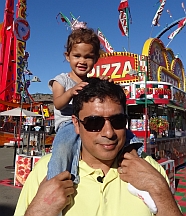 Robert
& Deanna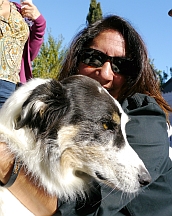

Fairfield as a culinary destination? You better know it! Fairfield offers an array of restaurants, from coffee shops, to delis and fine dining establishments, to brew pubs, bakeries and popular franchise restaurants that satisfy any taste and appetite. Culinary delights served up by restaurants, cafés and delis include fall-off-the-bone barbecued ribs, four-napkin hamburgers, authentic Mexican tacos, gourmet pizza and Suisun Valley wine country cuisine.
International and domestic specialties include Mexican, Italian, Indian, Mediterranean, Chinese, Japanese, Thai, American, Cajun, Creole and Southern-style Cuisine. You’ll find restaurants with menus featuring locally grown seasonal produce, fresh ‘catch-of-the-day’ seafood, plus award-winning vintages produced by wineries dotting the Suisun Valley landscape.
Here’s a sampling of the many dining options that illustrate the culinary diversity of Fairfield…
Downtown Fairfield
Alejandro’s Taqueria,
936 Texas Street, (707) 429-2155. Open for breakfast, lunch and dinner. Alejandro’s serves traditional Mexican favorites such as chicken, beef, pork or fish tacos, burritos, enchiladas, carnitas and chili rellenos.
Evelyn’s Big Italian Pizzeria & Ristorante, 704 Texas Street,
(707) 421-9000,
www.BigItalianPizza.com. Piero and Evelyn Tropeano welcome guests to their establishment, which serves classic Southern Italian fare with a little New York twist and attitude. Menu favorites include gourmet pizza, by the slice or up to a 32-incher, calzone, stromboli, spaghetti and baked lasagna.
Joe’s Buffet, 834 Texas Street,
(707) 425-2317. Open since 1949, Joe’s Buffet is known for their hot, fresh and hearty sandwiches piled high with meat plus some tasty sides. Give the French dip or roasted turkey sandwich a try along with a side of homemade mashed potatoes, potato salad, macaroni and cheese, cucumber salad, or cole slaw.
Mediterranean Food Center,
823 Texas Street, (707) 438-0911. The combination deli, grocery store and meat counter serves up authentic Mediterranean food made and cooked fresh daily. The Center is known for its chicken, lamb or beef shawarma wraps, falafel, beef gyros, hummus and baklava.
Around Town
Ahi’s Seafood & Chops Restaurant, 2200 Gateway Court, (707) 426-6900. Savor award-winning Pacific Rim cuisine in the Hilton Garden Inn’s lobby restaurant. Ahi’s renowned culinary team serves up a hearty breakfast buffet, salads, hearty sandwiches and fresh seafood creations at lunch, while dinner entrees range from seafood flown in fresh every Thursday, Friday, and Saturday to mouthwatering steak and prime rib.
Blue Frog Grog & Grill, 1750 Travis Boulevard,
(707) 429-BEER, www.BigBlueFrog.com.
The popular northern California microbrewery offers more than your typical pub fare. Their extensive menu features wood-fired pizzas, soups and salads, burgers, steaks and chops, seafood and pasta. Oh yeah, the Blue Frog also serves their award-winning handcrafted brews on tap and in bottles to go.
Monsoon Burgers, 321 Texas Street, (707) 429-9888,
www.MonsoonBurgers.com. Craving a gourmet burger? Check out Monsoon Burgers and see what the fuss is all about. When in doubt, try their signature flame broiled Monsoon Burger, an 8 ounce cheeseburger topped with mushrooms, bacon and homemade guacamole.
Texas Roadhouse, 3333 North Texas Street, (707) 422-7623, www.TexasRoadhouse.com. Comfort food, Texas style. Popular menu items include freshly prepared hand-cut steaks, slow-cooked fall-off-the-bone ribs, made-from-scratch Texas Red Chili and fresh, baked bread. Complimentary peanuts, too!
In the Valley
Mankas Tapas Bar & Steakhouse, 2522 Mankas Corner Road, (707) 425-3207, www.MankasSteakhouse.com. Locally grown fresh ingredients are a mainstay of the menu for the area’s newest fine dining restaurant. The dinner menu features salads, fresh seafood, pasta and the finest aged steaks, chops and ribs. Wines from both Suisun and Green valleys are featured.
Rockville Grill, 4163 Suisun Valley Road, (707) 864-4325, www.RockvilleGrill.com. Located in historic Rockville, the Grill is open for lunch and dinner and offers burgers, sandwiches, salads, seafood, grilled steaks and specialties such as Rockville Chicken Fried Steak topped with shrimp, smoked ham and mushroom.
The Valley Café, 4171 Suisun Valley Road, (707) 864-2507. Open for breakfast and lunch, The Valley Café serves country-style breakfasts, soups, salads, sandwiches and hand-packed burgers. Be sure to try their fresh baked pastries and the best breakfast potatoes around.
Made in Fairfield
Need some gift ideas for that certain person on your holiday shopping list? A gift card or certificate for a Fairfield restaurant might fit the bill. Or how about a unique ‘Made in Fairfield’ food product? Here are a few ideas to consider:
Cal Yee Farm (www.CalYeeFarm.com, 1-800-225-9337), located in the heart of the Suisun Valley, this local farm has been producing dried fruits for more than 40 years. Cal Yee gift baskets of assorted dried fruits, nuts, seeds, candy and trail mix make wonderful holiday gifts. All of their products are Kosher Certified.
Erickson Ranch (www.EricksonRanch.com, (707) 864-0557) is open from late June to late November, offering customers a colorful variety of fruits and vegetables that are grown on site. But did you know that Erickson Ranch also makes more than 20 kinds of homemade jams and jellies? Fruit is picked at peak ripeness, which makes for a more ‘fruity’ jam requiring less sugar. You can find Erickson Ranch jams for sale at the Il Fiorello Olive Oil Company gift shop and at winter events at local Suisun Valley wineries, or you can email Erickson Ranch at info@ericksonranch.com with your request.
The Suisun Valley’s Il Fiorello Olive Oil Company
(www.IlFiorello.com, (707) 864-1529) grows and mills the finest quality artisan olive oil from their own groves. The retail shop in their new visitor center at 2625 Mankas Corner Road sells bottles of their handcrafted extra-virgin olive oils made from Frantoio, Leccino and Pendolino varieties of olives. You’ll also find specialty items such as blackberry balsamic vinegar reduction.
Candy is a huge part of the holiday season and when you’re talking candy, you can’t help but think about Jelly Belly. The Jelly Belly Candy Company
(www.JellyBelly.com, 1-800-953-5592) at One Jelly Belly Lane in Fairfield is the place to be for jelly beans (and other kinds of candy, too). Jelly Belly produces several specialty candies for the holidays, including Reindeer Corn and Sugar Plums, which are available at their Visitor Center while supplies last. While there, be sure to take the guided 40-minute walking tour of the Jelly Belly factory that produces more than 150 different sweet treats. If you’re hungry after your tour, stop by the Jelly Belly Café for a bite to eat, including a Jelly Belly-shaped hamburger or pizza.
For a truly decadent and tasty gift for the holidays, drop by Truffle Berries (www.TruffleBerries.com, (707) 673-4321) at 731 Texas Street in downtown Fairfield. As you might have guessed, the signature treat at Truffle Berries are delicious and sweet strawberries dipped in their smooth and creamy truffle recipe and then dipped in premium Guittard chocolate. Other tasty things you’ll find at Truffle Berries include chocolate and strawberry éclairs, Cheesecake Berries, Champagne cupcakes along with a variety of other cupcakes and cookies.
Holiday Celebration
Nothing goes better with gourmet food than a nice glass of wine. And at the Suisun Valley AVA Anniversary Celebration on Wednesday, December 26 from 1 p.m. to 5 p.m., visitors will be able to enjoy food and wine pairings at local wineries commemorating the 30th anniversary of the Suisun Valley being recognized as an AVA (American Viticultural Area). For $5, visitors will receive a commemorative logo glass along with delicious foods and award-winning wines from each winery. Other highlights include barrel tastings, vertical wine tastings and live music. For more details visit www.SuisunValley.com.
Whether you’re looking for a place for breakfast, lunch or dinner, or maybe an edible gift, satisfy your appetite with a culinary escape to Fairfield. Bon Appetit!
Anand Patel is the President/CEO of the Fairfield Conference & Visitors Bureau. The Fairfield Conference & Visitors Bureau is a destination marketing organization that was created by a Business Improvement District (BID) to market and promote tourism to the area, including overnight stays. The independent non-profit 501(c)(6) organization is funded by 18 lodging properties in Fairfield.
Fred Sater is the principal of Fred Sater Communications, a Sacramento-based public relations practice specializing in California tourism accounts, including the Fairfield Conference & Visitors Bureau. Prior to opening his PR practice, Sater served as the Director of Communications for the California Division of Tourism.
Beer is one of the oldest beverages produced by mankind. It is the worlds’ most widely consumed alcoholic beverage and is behind only water and tea as the most consumed beverage overall (it would probably be first if younger people drank it as well). Archeologists have determined the first record of ale being produced was about 7,000 years ago in Iran. Even the Code of Hammurabi, the Babylonian Law Code, include laws that regulated beer and beer parlors. This code, which scales punishment by ‘an eye for an eye, a tooth for a tooth’ also included a ‘beer for a beer’???! Let’s hope so.
Beer may have been known in the Neolithic Europe as far back as 3000 BC. By the 7th AD beer was also being produced and sold by European monasteries as opposed to simple home brewing or small scale local breweries. The industrial revolution changed the way beer was made and by the end of the 19th century the addition of hydrometers and thermometers changed brewing by allowing the brewer more control of the process and greater knowledge of the results. The strength of beer is usually around 4% to 6% alcohol by volume.
When Robert asked me to tour the Anheuser-Busch brewery in Fairfield I was excited. This would give me an inside opportunity to see how the King of Beers was made. I was able to take the Beermaster tour with Chelsea and Jennivive from Anheuser-Busch to explore this fantastic brewery. It was a unique learning experience that made me want to enjoy beer more often!
We started the tour by learning about the history of Anheuser-Busch. Alolphus Busch migrated from Germany for the United States in 1857 and settled in St. Louis, Missouri. He started his own brewing supply house. While there, he met and married Lilly Anheuser. Her father, Eberhard Anheuser, owned a small brewery that made a lager-style beer. In 1864, Busch partnered with his father-in-law to form what would eventually become Anheuser-Busch Company. Like most companies, it has evolved and is now a wholly owned subsidiary of Anheuser-Busch InBev, the leading brewer and one of the world’s top five consumer products companies. There are eleven such Anheuser-Busch facilities, and the one in Fairfield is relatively small. They brew beer to order, which I thought was very interesting. The brewery will receive orders a few months in advance and then they are scheduled to production. Budweiser, their flagship brand, is brewed using the same recipe since 1876 – as the old saying goes, if it’s not broke – don’t fix it! They have formulated what they feel is the perfect balance of flavor and refreshment. Bud Light, one of my personal favorites, is the best selling beer in the US. This is a light American lager characterized by a crisp, refreshing taste. One thing I didn’t realize was how many beers Anheuser-Busch actually produced. Budweiser and Bud light, while very popular, are just 2 of many. They produce a wide variety of beer styles and flavors. They also produce Bud Light Lime, Bud Light Platinum and Shock Top to name but a few. I want to focus on the Shock Top beer because it was new to me. I had seen it in the stores, but I never had the opportunity to try it.
Shock Top is Belgian-style wheat ale created in 2006. They started this brand originally as a seasonal beer. However, its popularity grew and it was winning gold and bronze prizes in the Belgian White category at the North American Beer Awards, so Anheuser-Busch decided to produce it year-round, and that is how Shock Top was born. The beer that really surprised me was their Shock Top Pumpkin Wheat seasonal beer. Now, I must confess to you that I’m not a fan of sweet/flavored beers. However, this pumpkin beer only had just a hint of flavor and it was really quite tasty and interesting. The Shock Top Label also produces a Raspberry Wheat, a Wheat IPA, and a Lemon Shandy a sweeter wheat beer with, you guessed it: lemon.
Their Michelob brand is another of their popular beers and it was first brewed in 1896. Since then, they’ve expanded and evolved the brand’s styles to now include Michelob Light, AmberBock, Honey Lager and ULTRA (a low carb beer). They also have a handful of seasonal brews as well. I had never tasted Michelob AmberBock until the tour, and it might be one of my favorite beers now. While the look of the beer is ‘amber’ in color (which to me means heavier), the taste is both light and refreshing. It is wonderful and I would strongly suggest picking some up and tasting it for yourself if you have the opportunity.
The Beermaster Tour allowed me to explore the entire facility. The Fairfield brewery first started operation in 1976 and sits on 170 acres of land. The facility itself on has 16 acres under a roof – one can certainly get a workout here to burn off any added calories. We started in their gift shop, which is definitely worth mentioning if you like beer. They have a range of items there from t-shirts to bathing suits. What was interesting to me was that they also had barbecuing items that included steak sauces/marinades all made from beer. If you were looking for a Clydesdale horse doll – they have it there for you too.
Next, we started towards where the hops (which is the ‘spice’ of beer) are delivered and stored at the brewing facility. The materials used to make the beers are brought in by both train and trucks and in staggering quantities. The Fairfield facility is focused on saving energy and they recycle 99% of all the materials they use and re-use much of it. Amazingly, this brewery produces little waste. The brewery has the landmark windmill, which my children always look and point out at the brewery every time we drive by, that produces 20% of their electricity. The windmill, which stands 320 feet tall, was assembled in late 2011. Anheuser-Busch has really dedicated a lot of resources to ensure their facility is environmentally friendly.
Then we entered the Brew House. The brew house is made up of several sections and some very large kettles/cookers. This is where they start the process of brewing the beer. The grains are dried and stored in a cool place. When ready, the grains will be milled then enter into the masher, which is a huge stainless steel kettle, and combined with hot water. Once cooked and strained, the resulting liquid is now called ‘wort’. Then the brew master will boil the wort and add hops in the brewkettle. After boiling comes fermentation. The wort is cooled, strained and filtered. Then placed into another huge stainless steel container and let the fermentation begin.
Anheuser-Busch does what is known as a double fermentation. The first (which lasts 6 days) will allow the start and creation of alcohol in the beer and the second (21 more days) refines the beer further. During the second fermentation, the beer is lagered with Beechwood chips in the aging vessel and krausened – naturally carbonated. The beechwood is treated to remove any flavor that it might give to the beer. The beechwood’s main purpose in the process is to catch the yeast during this second fermentation. Once the beechwood aging is complete, and the chips are deemed no longer useable, the Fairfield facility with make them into a mulch and they donate them to the city of Fairfield. Again, they are using all their waste to benefit the environment, I love this company!
After fermentation, the beer is filtered, ‘chillproofed’ and pasteurized before it is ready for bottling. Once the beer is ready for bottling, it is transported to the ‘bottling line’. They recently had the bottling line renovated, bringing in the most innovated technology to accommodate the various bottles and cans. Since this technology is so advanced, they can package their products faster than they can brew and, as a result, they do not have to run the packaging lines constantly. This also cuts down on the amount of energy used, creating a greener environment.
This facility produces beer all week, including on weekends. But don’t worry, there is downtime every other weekend for cleaning and maintenance. Their beer productions supply beer to wholesalers in Northern California, Northern Nevada, Oregon, Washington, Hawaii and Alaska. In Fairfield, they produce up to approximately 4.4 million barrels of beer – so get your pretzels ready!
Anheuser-Busch is an amazing company that cares for not only the products they produce, but for the environment and community they are brewing. You can take a beer class at their new ‘Beer School’ or one of their Beermaster Tours. In addition, they have a wonderful event called ‘First Fridays @ Room 3103’. Every first Friday of the month they host and invite local bands and artists to showcase their talents. There is a $3.00 admission that benefits Families Helping Families. The admission includes fresh samples, door prizes and cool Bud gear. You can go to www.FairfieldBreweryTour@BudweiserTours.com to get more information. So pop on in and enjoy a cold one and let them know you read about it in Local Happenings!!
 Regina Briseño –
Recognized for her work with her family and talent for seeking out good food and wine. She also invites everyone to come and enjoy the adventurous ride with her!

Napa Valley, internationally famous for grape fermentation, is filled to the brim with wineries, making it far easier for the wine connoisseur to find quality wines than it is for the winemakers to separate themselves from the pack. But those who travel up St. Helena’s Spring Mountain to a small, family-owned winery called Charbay, are greeted by something that can’t be found elsewhere in the Napa Valley.
Charbay is home to Napa Valley’s sole winery/distillery, meaning they’re the only Napa area winery that uses self-produced brandies in their fortified wines. These brandies are hand distilled, and visitors to Charbay can come get a firsthand look at how they’re produced. Most impressive, though, is the family behind Charbay—the Karakasevics—and the scope of their legacy in the world of spirits. Miles Karakasevic, who founded Charbay in 1983 with his wife Susan, didn’t exactly stumble into the wine business. He’s a 12th generation winemaker and distiller, and his family has been producers of alcohol for centuries. Miles has been around stills and wineries for as long as he can remember, and he speaks of fermenting and distilling with the passion of an artist. Though Charbay has become a success, Miles says the money aspect of the winery and distillery has always been secondary to him.
“This is not a business. This is a way of expressing ourselves and making a living the way we’ve done for more than 300 years,” Miles said. “If I was a shoemaker, I would be making custom shoes for your feet. I don’t; I make custom spirits for you to drink.”
There are two different sets of federal laws regarding the production of wine and distilled spirits respectively, and similarly, Charbay is split into two locations: first there’s the Domaine Charbay distillery located in Ukiah where most of Charbay’s products, including their vodka, rum and whisky, are produced. Then there’s their winery in St. Helena, equipped with a smaller alembic pot still that’s used only to distill wine into brandy, which is then used in the production of ports, aperitifs and dessert wines. The St. Helena winery and distillery, affectionately known by the Karakasevic family as the Still on the Hill, is one of very few wineries that has its own still for fortified wines. Most other wineries have to buy their brandy from an outside source, and this gives Charbay’s products a leg up on quality.
Not that they needed the help. The Karakasevic family legacy as winemakers and distillers stretches back to before the signing of the US Constitution, and they’ve been refining their techniques since then. Most recently, in 2009, Miles’ son Marko was given the title of Master Distiller, after a 26-year apprenticeship, which began when Marko was 10.
“I was small enough to fit inside the still and be able to clean it. That’s where I started,” Marko said of his beginnings in the family business. “I would go to the distillery after school and work with my dad.”
In the Karakasevic family, one earns the title of Master Distiller by proving they can produce spirits that are equal to or better in quality than those of their mentor. By doing that, Marko has ensured that the Karakasevic legacy will extend for at least 13 generations of winemakers and distillers. It also serves as a symbol of Charbay’s footing in the Napa Valley—Marko is the first Karakasevic whose apprenticeship began and ended in the United States.
“In Europe, in the old days, you stuck with your profession,” Miles said. “I’m the first person to leave the village where I was born and where 11 of my grandfathers are buried.”
Miles, a former citizen of then-Yugoslavia, came to North America in 1962, first arriving in Canada and eventually making his way to Northern California. There he worked for various wineries in the area and also did some consulting work in the Mendocino area where Charbay would later establish a distillery. The whole time he kept the goal of starting his own winery and distillery in the back of his mind.
“When I came here, I realized I’d have to learn to think the way Americans do if I’m going to survive,” Miles said. “It took me 10 years to achieve that. It’s hard to comprehend the differences in culture, coming from one society to another.”
Thanks to those efforts Charbay is now an established success, and it hasn’t been difficult for the Karakasevic family to maintain their legacy as alcohol producers. Marko’s upbringing in fermentation and distilling was a seemingly natural process; an indication that the cultural differences Miles referred to weren’t enough to discontinue the Karakasevic family’s tenure.
“As soon as Marko was crawling and walking, he was in the winery. So there is nothing new,” said Miles, whose own upbringing was similar. “The location, and the size—those things have obviously changed. But fundamentally, nothing has changed.”
Now, Marko and his wife, Jenni, will have a chance to raise their own son in the midst of the Still on the Hill. In 2011, they welcomed a baby boy to the world, naming him Miles (he’s often referred to as Little Miles). Big Miles isn’t going to force his own lifestyle upon his grandson, but the odds seem to be in the Karakasevic’s favor to add a 14th generation of winemakers and distillers into their already extensive genealogical line.
“Little Miles has been bred; he has that fermentation and distillation in his genes and in his blood,” Miles said. “I believe that he will continue, but I won’t be here to see that. That will be up to himself and his father to decide what they want to do in their lives.”
Since its establishment, Charbay has worked to diversify its products. Miles describes himself as an impatient man, which at face value doesn’t seem like a good quality for someone who makes something that often needs to be aged for many years—sometimes even a decade or more. But Miles’ self-proclaimed impatience has actually helped Charbay’s expansion.
“If I was making only cabernet or sauvignon it would drive me nuts, no matter how great that wine is going to be,” Miles said. “Our power is difference in the repertoire. What is important is that Charbay products have that clean, long finish. But we go out of our way to create difference from one release to another.”
Between Charbay’s two locations, the winery & distillery now makes more than 25 different products, comprised of wines, ports and distilled spirits, each with a unique taste and different components. They produce differently flavored vodkas, including green tea, and they’ve even released a clear whiskey. All this allows the Karakasevic family to be creative and keep things exciting.
“This is a brutal business, regulated and dominated by gigantic corporations. If you’re going to continue a family-size business, then you have no choice but to make the best quality possible,” Marko said. “And I’m totally happy with that. It’s super rewarding when people taste products and they freak out and go, ‘Oh my God, this is fantastic!’ That’s what it’s all about.”
 Nate Gartrell grew up in Benicia, studied journalism in college, and has written for a handful of media outlets since age 15. He aspires to visit all 30 Major League Baseball stadiums and to hit the trifecta at the horse track.
They say Home is where the Hearth is (or something like that). And the hearth, in one form or another, has been the center of the household since Man’s earliest use of fire. A fire evokes a feeling of comfort and a seemingly unending fascination, as well as providing warmth.
In these digital days, there is indeed something soothing about watching a fire. But most of us count on soul-less and efficient contrivances for heat. And yet, sitting around the campfire is something that holds a fond place in most people’s memory; somehow speaking of a simpler time, watching flames and embers play.
The ‘ol wood burner has a long history in America, with the first known wood stove having been constructed of cast iron plates at a foundry in Lynn, Massachusetts in 1642. Even founding father and prolific inventor Benjamin Franklin is known for having developed his own cast iron stove in 1744. Having noted the inefficiency of the fireplaces of the time, which lost most of their generated heat up the chimney, Franklin was motivated to develop the Franklin Stove, a cast iron insert which moved the fire forward and used a baffle to extract more heat from combustion and radiate it into the room before venting the fumes out the chimney. Variations of Franklin’s invention are still used to this day.
The intervening years since Benjamin Franklin’s time have seen the rise of coal, oil, natural gas, propane and electric forms of heating, but the oil crisis of the 70’s spurred a renewed interest in wood burning stoves. And in the 80’s, stricter environmental regulation forced innovations that have resulted in the much more efficient designs we see today.
And there is no equal to cooking over a wood fire either with the smoke seasoning the food—the most basic of spices for flavoring a meal.
But of course, one might think that open fires and burning wood on a regular basis are largely a thing of the past, and that air quality concerns have placed the traditional fireplace on the list of simple pleasures headed that won’t be known to coming generations. Right? Actually, no, as I learned during a visit to the Buck Factory Outlet.
Guy Fasanaro and his wife Sharon have been in the stove and fireplace business since 1979. They sell and install wood, pellet and gas burning fireplaces and stoves as well as a wide selection of barbecue ranges from their factory showroom at 4860 East 2nd Street in Benicia, California. Almost all their fireplaces (they carry only one “decorative” model) are designed to be highly efficient and clean heating devices. “All our stoves are EPA certified,” explained proprietor Guy Fasanaro.
Modern wood and pellet fireplaces and stoves re-burn the gasses given off during the initial combustion, resulting in a significant decrease in the level of particulate emissions. They are also highly efficient in producing heat; “furnace rated” is the term applied to these efficient burners. “I’ve never had a customer come back to me who didn’t see a savings in their heating bill,” says Fasonaro, who continues to explain that the efficiency of a modern wood or pellet burner is, “comparable or better than a furnace,” The heat is radiated directly so there is not the loss one sees in central type heating as air travels through venting, or the considerably higher expense of electric heating. And while there are spare the air or “no burn” days as Guy calls them, the overall usefulness of a wood stove should not be underestimated, not to mention the beauty and enjoyment to be had.
The business, started by Guy’s father was originally an exclusive distributor for Buck Stoves of North Carolina (it gets cold up in there in the winter) and grew to an operation employing 45 workers with branches all over California. Today, in addition to Buck products, Fasonaro sells a wide range of brands including Hearth Stone from Vermont, a number of brands from Canada such as Napoleon, Regency, Montigo and others from chilly regions such as Minnesota and Norway. They also carry a full range of high-end barbecue grills and accessories. The current operation has five employees and is focused on personal attention and service rather than distribution. Fasonaro, who has held a contractor’s license since 1984, personally oversees every stove or fireplace installation. When I ask Sharon Fasonaro how many stoves or fireplaces they have at home she replies: two. “We live on twenty acres with lots of trees, so there’s lots of wood,” says Guy, with Sharon adding, “We do have an electric furnace, but we never use it.” Now that’s a testimonial!
Site evaluations for stove or fireplace installation are free at Buck, with Guy generally coming out to evaluate the site himself. Prices, including installation, run on average $2,700 to $44,00 for fireplace inserts, $2700 at the low end to $20,000 or more for a really big and extravagant fireplace and between $3,500 and $6,000 for a wood-burning stove. Not cheap, but not absurd at all considering the years of use one gets in addition to the potential for savings and a possible hedge against the instability of the fossil fuel market.
And while the Buck Factory Outlet provides a wide range of traditional wood, pellet and gas stoves and fireplaces, there are more modern-styled options available. One of the recent trends in gas-fired units is the use of a lot of glass, a linear flame layout and even mirrored fireplace inserts with colored glass bits rather than logs. My first reaction upon seeing one of these units was to announce, “Vegas baby, Vegas!” which the Fasonaros seemed to find mildly amusing. Oh, and all the gas units come with remote controls, which sort of seems like cheating, but then again, there is something to be said about convenience. Yup. Whether you’re a traditionalist or a hip and swingin’ groovemeister, there is probably a fireplace fit for your pad at Buck. I wonder what Ben Franklin would go for if he dropped in on us today—I bet he would like the ultra-modern stuff and the remote! We all know Ben was a bit of a wild swinger for his day, not to mention a nudist (naturist in the vernacular) who took daily naked “air baths” … I guess nudity is, after all, the mother of (fireplace) invention! Shocking! If you do visit the Buck Factory outlet, I suggest keeping your shirt on.
If you already have a stove or fireplace, Buck also has an extensive range of accessories such as fireplace tools, screens, andirons and nifty stove top humidifiers in the form of critters which you fill with water and put on the stove to add moisture to the air. The dragon model is neat because he puffs steam out of his nostrils! Repairs are also welcome.
If you do crave a little flame and heat in your life, drop in on Guy and Sharon Fasonaro. They are easy to talk to, no high pressure pitch and over 30 years of experience. Add to that the emphasis on personal service in a family run business, and it’s clearly an excellent choice. I’m pretty confident you won’t get burned!
The Buck Factory outlet is open Tuesday through Friday from 10-5 and Saturday 11-4. They can be reached by phone at (707) 745-5933 or visit online: www.calcomfort.com.
 Marc Garman – is a videographer, writer and tinkerer who lives in Vallejo, CA and can’t get enough outdoor fun.
[weaver_extra_menu menu=’diningMenu’ style=’menu-horizontal’ width=’100%’ css=’menu-horizontal’]
 Tales from the Kitchen: Needs More Salt
By Chef K. Marie Paulk
I could not even start to count how many times I have heard the phrase “needs more salt,” from chefs, restaurant owners, wait staff, peers, customers, known foodies and, most importantly, family. I was never a heavy salter until I attended culinary school. When I started my first year at culinary school, my dishes were graded poorly due to one factor, salt. The chef would simple say, “Needs more salt,” and I understood. It just took a few times (I caught on very quickly). Salting your food is simple, but learning to do in it stages while preparing your dish is the trick. When making a sauce, salt the onions and garlic in your oil. After adding your main ingredient, like tomatoes, add a little more. Then at the end, taste it and add more if needed to pull the flavor together. Remember, do not add just before serving or your sauce will just taste salty; you need to give it time to work into your sauce.
Salt, i.e. sodium chloride (NAC1) is said to be essential to life. What is essential is the sodium. Salt has three uses to us: it seasons our food, preserves food and provides sodium and chlorine which are nutrients we need to balance our fluids, muscle and nerve activity. Now I know what you’re thinking – we all consume too much of the recommend daily allowance of 2,300 mg which equals about 1 teaspoon of salt. So, part of the trick is to reduce the amount of processed, prepared and restaurant food, just by simply cooking more at home with fresh ingredients. In the Old Testament you will read that salt was so precious that the Roman soldiers were given salt as an allowance. The English word salary is derived from the Latin salarium, or “salt money”.
Kosher salt is my salt of choice. I was told time and time again it was the choice of most chefs, since it was the most consistent. Kosher salt contributes less salt to a dish than table salt simply due to its bulk. The large flakes take up more volume. In using kosher salt in baking I have learned to convent the salt by multiplying by 1¼ times to 1 ½ times, depending on the size of the crystals. You also should store your salt in a dry place so it will prevent it from solidifying or caking. Do not store your salt in silver salt shakers because the chlorine in the salt will react causing a green discoloration. I found a great salt vessel at the Meyers annual sale they hold every December. It has two spaces, one for salt and one for coarse pepper, plus a great cover that twists over for easy access. I also have a small salt container on the dinner table for those who require more salt. Just remember – salt is a rock and, unlike black pepper, it isn’t made up of essential oils, which means the flavor does not deteriorate. So you can make your perfectly salted sauce salty, but salt is a highly personal taste based on the salt content of a person’s saliva.
You should always salt proteins right before you cook. The real problem with salting too far ahead is that it causes moisture to bead up on the surface of the food, which could inhibit browning.
Salt is also used when brining, which adds succulence and juiciness to the protein of your choice. You can either use a salt water brine or a dry brine both of which require salt. In a water mixture the proteins will unravel, allowing some of the salty water to be absorbed. With a dry brine, the salt is rubbed directly onto the meat and allowed to sit overnight. The salt draws moisture out to the skin where the salt dissolves into a mild brine. Regardless of which brine you chose, each one will add the same benefits, a heightening of flavor and moisture.
There are numerous types of salt and about half of all salt production comes from the sea and the other half is mined. To name a few: iodized salt, table salt, flake salt, Kosher salt, sea salt, fleur de sel, and flavored and colored salts.
Also important points to remember
• Salt added to raw ingredients will draw out moisture.
• A small amount of salt can be used to enhance sweetness, i.e. salt on watermelon (yum)
• Salt added to a liquid which will be reduced will have a stronger effect after the reduction (so be careful not to over salt).
• Take into consideration what other condiments you’re using that may have a salty effect, (soy sauce and capers come to mind I cook with both of them frequently).
So let’s face it – salt is like no other substance we eat. Sodium chloride is a simple, inorganic mineral: it comes not from plants or animal or microbes, but from the oceans and from the rocks that erode into them. A very simple pleasure. Just be careful not to over salt.

What is the first thing that comes to mind when someone says “plastic surgery”? For me I always seem to think of Dolly Parton and Burt Reynolds, and not in a positive way. We’ve all seen the photos of procedures that have gone wrong or of people that have gone a little too far with their “enhancements.” Is that all there is to plastic surgery though—enhancements, liposuction, sculpting and tummy tucks? I sat down with Dr. Barbara Persons of Lafayette to find out and to learn a little bit about the art, science and history of plastic surgery. I am always curious about the path one takes to reach a certain point in life, and I found Dr. Persons’ journey of particular interest. Her journey also sheds light on why she became a plastic surgeon as opposed to any other type of doctor.
Originally from the Lamorinda area of Contra Costa County, Persons originally set her sights on a career in medicine from the tender age of 5 when she thought she wanted to be a nurse. In high school her father had taken ill with a rare form of leukemia, thankfully he was successfully treated, and that experience cemented the idea in her that she wanted to be a doctor and help others. She went to UC San Diego and Dartmouth (where she was a cheerleader) for her undergraduate degree and then on to Medical School at the University of Vermont. If not for a fateful snowy day in Vermont, her life and medical career would have probably been much different as compared to where it is now. That day did happen, though, and her life changed dramatically.
She was 24 years old, a second-year medical student and a passenger in a car driving to meet up with some fellow classmates. They had just finished up their finals prior to the Christmas break, when their car was struck head-on by a semi-truck that was being driven recklessly. To say that she was injured in the crash would be a vast understatement. Her entire face was smashed in and every bone had been broken. Her shoulder blade and collarbone was shattered and her breastbone was broken down the middle. She had to take a year off from school to allow her body to heal and endure 16 surgeries to rebuild her body and face. She was (and is now) a beautiful young woman who was transformed in an instant to what many would call grotesque.
Barbara had the opportunity to learn first-hand how people are treated when they have this type of physical injury or deformity. The world views them completely differently. This had a profound effect on her and the path that she would follow in medicine. Up to that point she had been leaning toward a career as a gynecologist/obstetrician but having her own face reconstructed and the serious effect that it had provided her with the direction that she needed. After medical school she completed her internship at UC Davis and a Public Health Service commitment at a Navajo reservation in Arizona.
In Arizona she started to question if 10 more years of training was something she wanted to do. She was already a doctor and felt that she could still do plenty of good things to help people. While working there she had gone on a Grand Canyon trip and was asked to be the trips medical doctor. While at the bottom of the Canyon one of her fellow travelers received a serious facial wound and she was forced to treat him there on the floor of the canyon far away from any hospital or assistance. She felt that this was yet another sign to keep her on her course.
After her time in Arizona was complete she did her training in general surgery at the University of Nevada Las Vegas and worked there 5 years as a general surgeon. Happenstance would lead her next to the University of Mississippi first as the Chief Resident in General Surgery and then as Chief Resident in Plastic Surgery. She also spent time there training and working in both hand and reconstructive breast surgery.
Three years ago, she was planning to move back to the San Francisco Bay Area already when her mother developed breast cancer, and she felt she wanted to move home to Lafayette, so she did. She opened up a small office, which again through happenstance moved into a larger office with an onsite surgery center in Lafayette.
Dr. Persons performs both cosmetic and reconstructive surgeries and feels strongly about the effect both have on people’s lives. While excessive plastic surgery has become fodder for entertainment news and reality television most people today have some legitimate concern with their physical appearance. Dr. Persons has experienced first-hand the impression that physical beauty, or the lack thereof, has on people and how they treat each other. I myself grew up with a boy that had been horribly burned over his entire body and saw the challenges that he faced integrating back into the mainstream from elementary school on and how very traumatic it was for him. Currently on the popular HBO series Boardwalk Empire the character of Richard Harrow deals with a facial disfigurement from an injury suffered in World War I. It is interesting to watch his interaction with others and how he places himself outside of the mainstream due to his disfigurement. Most of us have also seen the television commercials asking for donations to help children suffering from cleft palates in third world countries and I am sure have wondered, as I have, what that must be like. October was just Breast Cancer Awareness Month and reconstructive surgery plays a major role in helping those survivors move forward with their lives and in regaining normalcy as well. These emotional challenges are the issues that Dr. Persons and her colleagues must deal with daily in their profession.
I had has asked her to share her thoughts on what she would say to someone that has not had plastic surgery but is contemplating it. Dr. Persons replied, “God has made us each beautiful but man has gained the knowledge to repair, correct and improve many things and that if something is truly concerning someone to the point that it is effecting their life or causing them to think about it daily they should sit down with a surgeon to see what can be done for them.” She stresses, though, that surgery is not a weight loss tool and should be used to deal with problem areas after the weight loss had occurred and a healthy diet and lifestyle is being maintained.
I was also curious as to what type of surgery seems to give the most satisfaction to the recipients. It was interesting for me to learn that breast reduction surgery seemed to provide the greatest level of satisfaction to her patients. She felt without exception that all the patients she had performed the procedure on had been happy about the outcome.
Always a fan of history, I did a bit of research to discover the origins of Plastic surgery as well. Plastic, as Dr. Persons noted, is from the Greek word Plastikos, which means “To Mold”. The birthplace reconstructive surgery though has been attributed to ancient India. Ancient texts have indicated that reconstructive surgery had been performed there as early as 600 to 800 BC. Often times the procedures were done to repair or replace ears and noses lost due to war or as punishment for crimes. Ancient Egyptians performed many types of surgeries that can correlate with modern plastic surgeries on their dead to prepare and preserve the body for the afterlife. Ancient Romans performed the earliest types of cosmetic plastic surgeries to remove scars and also to repair injuries from the gladiatorial games. Italians in the 16th century, most notably Gasparo Tagliacozzi, improved on many of these ancient procedures and are credited with many advancements in the field. It seems to me that there was a great call for the repairing and replacing of noses and ears in the ancient world and thus even then people placed a tremendous amount of stock in one’s physical appearance. Keep in mind as well that other than opiates they did not enjoy local or general anesthetics during these times. So, to have a “cosmetic” procedure done in ancient times with healthy skin and flesh being removed and reattached must have been quite an ordeal and one must have had incredible desire to have the work done. This then indicates to me that the desire for physical beauty is not a modern one at all and that man has strived for it throughout time. War has provided the largest patient pool and impetus for advancement in the field.
Our own modern engagements in Afghanistan and Iraq has resulted in far more soldiers who survive catastrophic injuries from the battlefield. Compared to the U.S. Civil War 150 years ago, and even Vietnam 40 years ago, the survival rates of battlefield injuries have risen dramatically. Those injuries, though, oftentimes result in loss of limbs and severe disfigurement for the survivors. This gives rise to opportunities for further advancements as the unfortunate patient pool rises. Doctors such as Dr. Persons must help these tragically injured veterans, just like the character of Richard Darrow from Boardwalk Empire, to return to the civilian world with some degree of normalcy to their lives. Keep all of these things in mind next time you consider the role of a “Plastic Surgeon” in our modern society and how these “cosmetic” procedures are helping to heal far more than a person’s body but their soul as well.
If you would like to learn more about how Dr. Persons might be of help to you please call her office at 800-BEAUTY-6. You would be surprised how much more there is than just tummy tucks.
 Robert Briseño – Is a father of three little ones who finds constant joy when they dance & sing but not so much when they bump their little heads…hopefully they will not need any reconstructive surgery.

Ben enjoying the fire at The Harvest Inn
So, I haven’t been feeling well all week, but I have to snap out of it since today starts the holiday season for Ben and I. The magazine hits the street today and there are literally parties every night until Christmas to attend. Ben and I are going to be choosy since we want to really enjoy this year’s Christmas season.
Last night we began up in Yountville by attending the town’s big Christmas tree lighting and Chamber Mixer. Then we attended a VERY nice holiday get together at The Harvest Inn in St. Helena. There was a large company party being held there and they were from all different parts of the Unites States. They were so great and Ben was the center of attention since they were all missing their dogs, what a great night with great friends!
Let’s start the season; stretches and meditation; feed and walk Ben and off we go. . .

Ben taking his first Christmas picture of the season