The Robert Louis Stevenson Museum
By Nate Gartrell
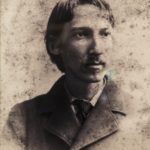
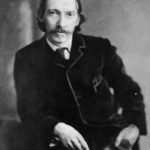
The iconic author Robert Louis Stevenson will forever be linked with images of waves crashing onto the cliffs of Scotland, or swashbuckling pirates on the high seas. What’s not as well known is that toward the end of his brief but legendary life, Stevenson found himself in California, married his wife in the Bay Area, and settled down in the Napa Valley. He made his home near modern-day Calistoga in the 1880s, years before the area became a popular tourist attraction.
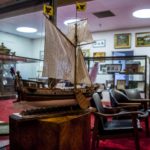
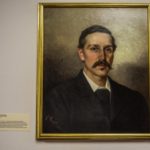
In 1969, 75 years after Stevenson died, a San Francisco ad executive named Norman Strouse, along with his wife Charlotte, found out about Stevenson’s connection to the area. They were passionate fans of his work and decided to form a museum to preserve his legacy and educate folks about his ties to Northern California. The museum started with a private collection of around 500 artifacts but since then has grown into one of the best resources of Stevenson’s body of work. And next year, the Robert Louis Stevenson Museum in St. Helena turns 50.
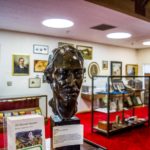
“The Robert Louis Stevenson Museum is really a treasure in the Valley and in the world. We have over 11,000 pieces in our collection and as such, it is the largest Stevenson collection available to the public,” museum Executive Director Barrett Dahl said. “In addition to a museum, we are also an academic archive for scholars, authors, reporters, or people just interested in learning more about RLS.”
Although the museum has grown since its start nearly 50 years ago, one thing about it has stayed the same: it is free to the public, and so are most of the special events hosted there.
“The Strouse’s were adamant that this collection always be free and
available for everyone’s enjoyment,” Dahl said.
Stevenson only lived 44 years, yet the body of work he produced during that time could go up against any contemporary author. Simply put, he remains one of the most skilled ever to put ink to paper. His fictional works, most notably Treasure Island and Kidnapped, are hair-raising, spine-tingling thrillers that haven’t fallen out of style. His most famous book, Strange Case of Dr. Jekyll and Mr. Hyde—has become universally recognizable and even integrated its way into our everyday language. Not everyone has read Dr. Jekyll and Mr. Hyde, but nearly everyone understands that phrase to be a reference to a person displaying extreme opposite sides of his or her personality. Dahl said it is common for visitors to be familiar with his work, even if they don’t know his name.
“Personally, I think what makes Stevenson’s work and influence so persistent and prevalent in today’s world is that while he did write memorable and fantastical stories, he primarily wrote about people and the way in which they react to others and situations forced upon them … if you read Stevenson enough you can find humanity and real depth in every one of his characters, from Jim Hawkins all the way to Dr. Henry Jekyll,” Dahl said.
Stevenson was a passionate and enthusiastic person who was also prone to moments of frustration. His family was known for establishing lighthouses in Scotland and England, but Stevenson wanted to make his mark in a different way. He traveled the world but was inhibited by health problems throughout his life.
“From international travel, having an affair, suffering from a lifelong illness, and writing some of the most beloved stories in the world,” Dahl said, “his life was very full and is a story in and of itself.”
Dahl likes to point out to youngsters unfamiliar with Stevenson that if it wasn’t for Treasure Island—the tale of an adventurous cabin boy named Jim Hawkins who crosses paths with an infamous one-legged pirate named Long John Silver during a treasure hunt—the movie Pirates of the Caribbean would not exist. That’s true for more than one reason; not only was Silver an influence behind the character Jack Sparrow, but the plot of Pirates of the Caribbean is actually just recycled from a decades-old sequel to Treasure Island, which Disney produced after selecting Treasure Island to be the company’s first-ever, live action film.
“I wouldn’t say that [Treasure Island] ‘overshadows’ his other works, but acts as a catalyst of inspiration to read his other works—sort of a ‘gateway book’ if you will,” Dahl said. “Like with many authors if you find one book that you love you want to read other works. I think that because Treasure Island is accessible to younger audiences it gives readers a greater breadth of time in which to become acquainted with Stevenson’s works, not just his novels, but his articles, poems, and letters as well.”
Stevenson also changed Napa Valley history in a way he could never have predicted: he coined the phrase that called wine “poetry in a bottle,” a saying that gets tossed around Wine Country like a frisbee on a college campus. The quote comes from Stevenson’s autobiographical book The Silverado Squatters, in which he talks about his introduction to California.
“Stevenson was deeply impressed, though critically observant of the Napa Valley and its early viticultural inhabitants; admiring the stubborn persistence in which they sought to cultivate the land and make it into a reputable wine valley,” Dahl said. “Stevenson was a great observer of humanity and people. He found inspiration in most everyone he met and would use them as inspirations for characteristics of people in his stories.”
Stevenson first visited the Napa Valley in the summer of 1880 after marrying his wife, Fanny. She had been married with two children and was 10 years older than Stevenson but the two fell in love after meeting in France. They first moved to San Francisco but health concerns forced them out.
“The cold weather did not agree with Stevenson and he suffered his first lung aspirations, prompting them to find a warmer climate,” Dahl said. “Hence the move to Napa.”
In November, the museum will team up with the St. Helena Public Library to put on a week’s worth of events for “Stevenson Week,” an annual tradition in honor of the great author. While details haven’t been announced, past years have featured poetry readings, movie screenings, treasure hunts, and even the occasional visit from a pirate.
Because its founders have pledged to keep the museum free to everyone, it relies on donations and volunteers in order to stay afloat. Dahl said anyone interested in lending a helping hand should contact the museum directly through phone or email.
“We are always interested in having people share in our passion for Robert Louis Stevenson and are eager to continue to keep him accessible to future generations,” she said.
The Robert Louis Stevenson Museum is free to the public and open from Tuesday to Saturday from 12 p.m. to 4 p.m. or by appointment. It is located at 1490 Library Lane in St. Helena. For additional information, call or email them at (707) 963-3757 or office@stevensonmuseum.org. They can also be found on Facebook by visiting www.facebook.com/RLSMuseum.
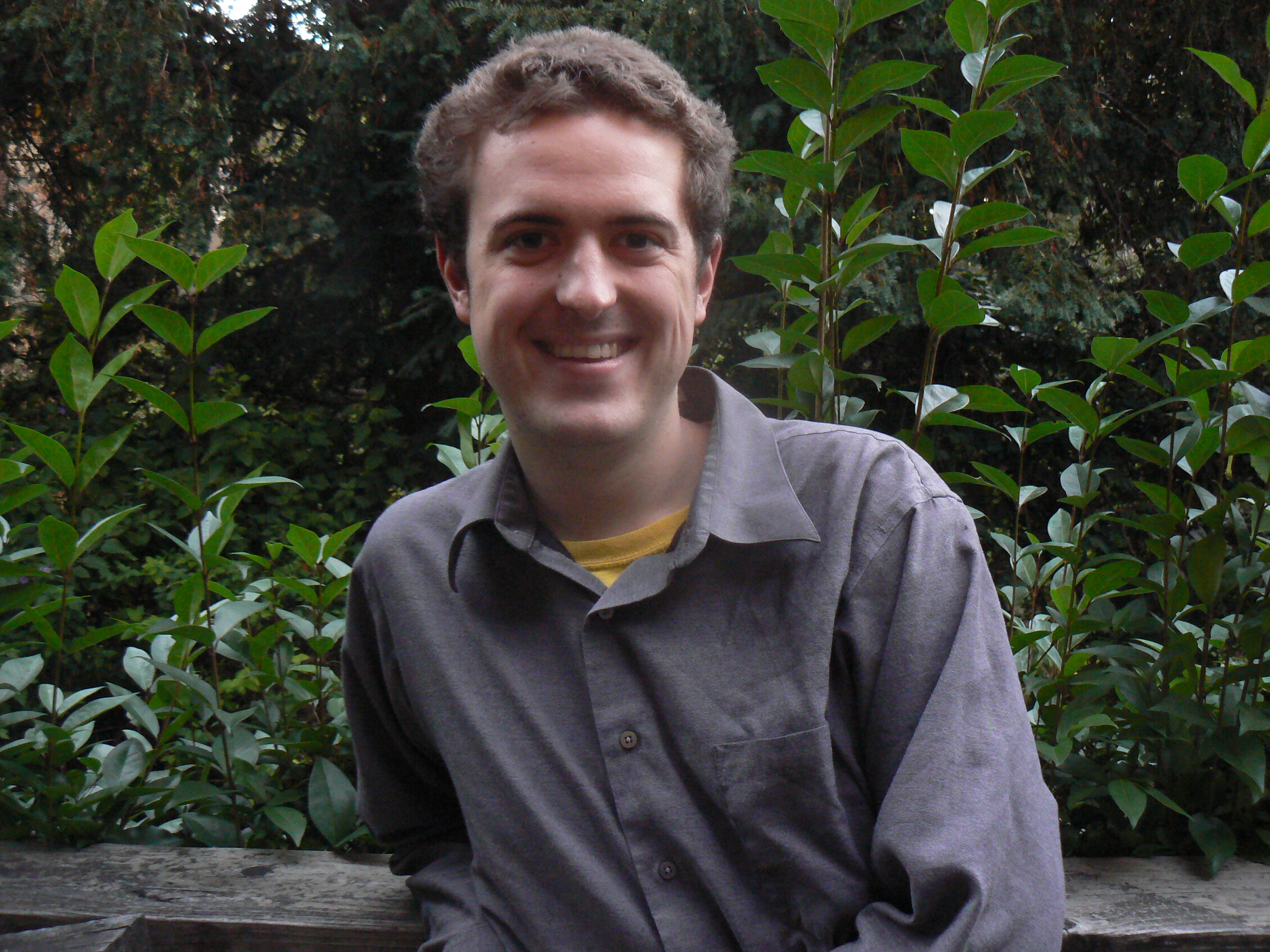 Nate Gartrell grew up in Benicia, studied journalism in college, and has written for a handful of media outlets since age 15. He aspires to visit all 30 Major League Baseball stadiums and to hit the trifecta at the horse track.