[weaver_extra_menu menu=’featuresMenu’ style=’menu-horizontal’ width=’100%’ css=’menu-horizontal’]
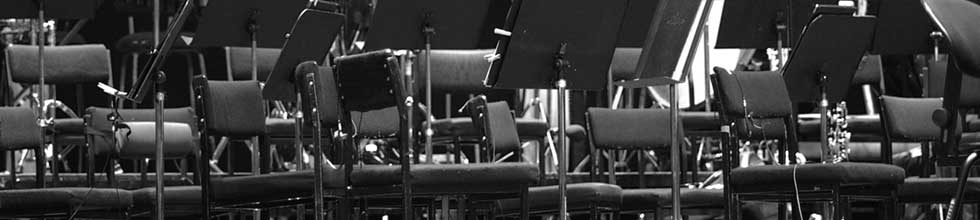 Ears Without Music. The End of the Napa Valley Symphony
The face of Napa culture irrevocably changed forever when local resident David Carr died in an automobile accident in August of 2011. Napa Valley’s Symphony Orchestra depended on the generosity of the patron for more than 40 percent of its budget much of the past decade. Now, with a hole that it is unable to mend, the performing group is heading into bankruptcy court to liquidate hundreds of thousands of dollars of debt.
There are still orchestras in and around the county. The Napa Valley Youth Symphony performs in the area nine to ten months a year—and even toured Europe in June. Otherwise, community music lovers will have to travel to Santa Rosa, Vallejo, Marin, Berkeley or San Francisco to get their fill of classical music. These are not terrible options, but it is not the same as having a reliable, local symphony.
Communities much larger and much wealthier are suffering similar fates. The Philadelphia Orchestra filed for bankruptcy in the spring of 2011. The Honolulu Symphony did the same in 2009. “I, of course, hate to see this happen to any of the local arts,” says Debbie Hayward, President of the Solano County Symphony. “It’s definitely tough times for a lot of us.”
“It’s always unfortunate when a fellow orchestra falters,” says Alan Silow, Executive Director of the Santa Rosa Symphony. “A lot of musicians in the area play with many groups, so it’s hard to have one less place for them to go and make their living.”
While classical music is not as influential as it was even a few decades ago, the average person rarely goes without hearing music performed by a symphony at least once a day. For instance: How many people cannot whistle the theme song from The Simpsons from memory? Would Jaws, Star Wars, 2001: A Space Odyssey, Apocalypse Now, or even the Harry Potter series be as powerful without a stirring orchestral score?
While classical music has been relegated to a supporting role these days, there is still nothing quite like hearing music performed live and in person. “I think people are finding that they need some enjoyment that is more than just background noise,” says Hayward. “So it’s important that the community has places to go where they don’t have to cross bridges and pay for expensive parking to have a good time.”
Unfortunately, Napa residents are now without the opportunity of hearing talented local musicians play songs that have long been inseparable from those certain times of the year when traditional classical pieces fill the senses. There will be one less chance to hear “The Nutcracker” performed during the Christmas holiday season. The Fourth of July will be without Souza’s best marches. And what Valentine’s Day would be complete without the swelling melodies of those great romantic movements from Liszt or Schubert.
Classical orchestrations were the first truly global genre in music. From Russia to South Africa to Los Angeles, there are few places in the world that do not have at least one composer to tout as one of their own.
The most famous notes in the history of music come from Beethoven’s Fifth Symphony, which was written in the first decade of the 1800s. Is there a parent in this country who has never put his or her child to sleep with Brahms’ Lullaby? One has a difficult time struggling to not cry when listening to Chopin, who has been dead for 160 years. And there are few people who have ever gone without citing the multiple scientific studies that have shown that listening to classical music can make individuals smarter (albeit only temporarily).
At the time this article was written, the Napa Valley Symphony was in the midst of determining whether it should enter bankruptcy through Chapter 7 or 11. The local musicians’ union prefers the latter option as it will allow the company to resume performing again—eventually. This route, however, would be more expensive and require the reorganized symphony to repay its debts to creditors via future earnings. If the group should elect to enter Chapter 7 (which its Board of Directors wanted to pursue) it would be liquidated and all its assets would be sold off to repay creditors—meaning the facilities (and possibly even instruments) would have to be auctioned off to cover past losses.
The Lincoln Theater in Yountville, the Symphony’s primary venue, has also suffered from Carr’s departure from Earth. In December of 2011, the theater closed its doors to undergo restoration that it is still struggling to fund. It has managed to open for special events, like the Festival del Sole, but regular performances are no longer the norm.
The theater was not the ideal setting for the Symphony, but it was welcoming to appreciators of the arts nonetheless. It had the capacity to turn a profit with 1,200 seats, nearly three times the seating as the orchestra’s old home at the Napa Opera House’s 440. Unfortunately, ticket receipts rarely equaled the supply as the symphony averaged $1.1 million in revenues from 2007 through 2010, versus more than $3.5 in expenses.
Some of the local orchestras are thriving, including the Santa Rosa Symphony. “We are the resident orchestra at the new Green Music Center,” says Silow, referring to the newly constructed venue on the campus of Sonoma State University in Rohnert Park (opening on September 29th, 2012), which is already attracting some of the best musicians performing in the world, including Yo-Yo Ma, and Alison Krauss. “We will end this year in the black (in revenue) for the ninth year in a row. And we plan to continue our success.”
In Solano, local orchestras are also treading above their margins. “We’ve been around for 25 years, certainly not as long as the Napa Valley Symphony, but we’re still hanging in there,” says Hayward. “We’re the county’s best kept secret—even though we don’t want to be.”
In the spring of 2012, Suisun City saw the grand opening of the newly constructed Kroc Community Center, featuring a state of the art theater. “We’ve got a few things coming for our 26th season,” says Hayward. “We will definitely be playing the Kroc this fall.”
In July, Napa Valley’s premier classical music event will be without its own symphony orchestra. The Festival del Sole depended on performers from outside of the County—and outside of the United States.
The symphony’s website is down and the phone at its office has been disconnected. The same is true as well of the non-profit fundraising organizations that have helped to keep the orchestra alive, the Friends of the Napa Valley Symphony and Friends of the Lincoln Theater.
The symphony will unfortunately not make it into its 80th anniversary. Even though it was founded during the Great Depression in 1933, it seems that the Great Recession of 2008 was more than enough to end the legacy. “We’re all looking to help each other,” says Hayward. “But no one’s found a new solution to the problem yet.”
Perhaps it was too much of a stretch to commit to a full-time, profession orchestra. The Napa Valley Symphony thrived for most of its existence as a part-time staffed orchestra. It was only in 2007 that the symphony converted to being fully professional.
There are many more options in the Valley that locals and tourists can depend on to entertain them. With so many impressive restaurants, wine bars, and local clubs, it is no wonder that some of those who might have ventured out to the Lincoln Theater have frequently decided to invest their time and money elsewhere.
The wine industry is what drives the economy in Napa. Unfortunately, the pleasure of a community orchestra was only one of the results of a thriving region and not an absolute.
 James Hritz grew up in the Wine Country, but has written for various publications across the country. He is happy to be writing and working in his home again.
[weaver_extra_menu menu=’featuresMenu’ style=’menu-horizontal’ width=’100%’ css=’menu-horizontal’]
 First on Fashion
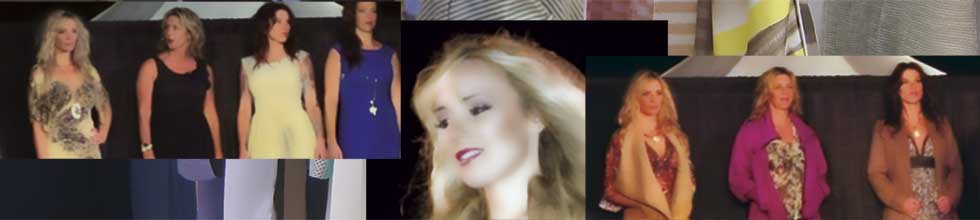
If you’re looking for a hassle-free way to update your closet, consider taking part in Benicia’s Fall Fashion Weekend on October 19, 20 and 21.
In the weeks leading up to the big weekend, many First Street boutiques will host complimentary trunk shows for interested shoppers. What exactly is a trunk show? This kind of event usually takes place inside a specialty store. Customers see a collection of clothing by one or more designers.
Friday night of the Fall Fashion Weekend will feature a runway show at the historic Benicia Arsenal. Fashion mavens will be lining up for the affair at 940 Tyler Street.
Models will show outfits from four of Benicia’s boutiques according to Yvonne Armas, owner of Miguelena, one of the stores that be featured at Benicia’s Fashion Fall Weekend.
Advance tickets will be sold at the participating boutiques: Be Chic, Piccolos, Miquelena’s, and Christina S. Through the month of August the price is $35, tickets sold in September and October and at the door on the night of the show will be $45. The gala will start at 6:30 p.m. with no host cocktails and the show will start at 7:30 pm.
Saturday, October 20 and Sunday, October 21 the stores will be hosting their own sales, trunk shows, open houses and “Shopping from the Runway!” Since each store has its own unique personality, this is a perfect chance to see the clothes from Friday night up close and personal.
Apparel shopping on First Street in Benicia is an experience to remember, one that is much like falling in love. Benicia’s boutiques offer what many seek in matters of the heart. Like individuals searching for life partners, discerning clothing shoppers want a combination of character and chemistry. Benicia’s boutiques each have that rare something their own ways.
Shops on First Street open their doors in the late morning. Just about the time the morning fog on the Carquinez Strait drifts away, the shopping day begins. The streets that run parallel to the water are lettered beginning with A. If you walk from one end of First Street to the other, you’ll find no two shops alike.
Working one’s way up First Street, Piccolo is on the left. Piccolo is located at First and B Streets and shares space with Shiroco’s, an art and design shop.
Piccolo owner Laurie Keys says she carries mainly “everyday” clothes. Standing in her bright airy shop, she is surrounded by apparel of many luscious hues.
“Among the First Street boutique owners,” she says, “I tend to be the color person.”
Piccolo has dresses from $99 to $280; denim jeans run from $90 to $175.
Piccolo also presents evening fashion shows at the Rellik Tavern four times a year. Bombshell Hair and Ink does the hair styling and makeup for the six models. The shows are always Tuesday nights and limited to persons 21 and over.
On this fall’s fashion trends, Keys says, “Scarves are huge for all seasons.” She notes that the uneven hem is still around, “shorter in the front and longer in back and some dresses are coming in with lace and brocade. Pants are wider this fall. Some boots are flat and more like men’s ankle boots.”
In addition to dresses, tops and pants, Piccolo offers two lines of lingerie: Cosabella and My New Secret. Colorful, quirky shoes are another unique feature at Piccolo.
When the October 19th fashion show is over, Keys invites fashion lovers to a party at her shop. Think of a cast party after a stage play. The Piccolo “after party” will be free of charge and open to the public.
Continuing to walk up First Street but on the opposite side of the road, you’ll find Be Chic. Owner Claudia Mahrt notes, “My clothing is more European. The most American [item I carry] are jeans.” She says, “The trend is toward wider legs this fall. 70’s styles are coming back, including mini-skirts. They can be worn with high boots. There are all different kinds of leopard prints. It’s more a sophisticated look.”
“Clothing lines this fall have a lot of a paprika, a beautiful, dark orange color,” says Claudia. “A lot of gray colors are coming back.” When asked about black, her verdict is cautious, “People are going away from black a little bit. A lot of charcoal, grays and brown.”
Claudia is the exclusive carrier in the San Francisco Bay Area for Collection Iris, a French-Canadian brand. She plans trunk shows in the fall with David Kahn’s jeans, Papillon Black, a Canadian clothing line, and Hanky Panky, a United States lingerie brand.
She says her philosophy for the apparel at Be Chic is simplicity, elegance and comfort. “I usually carry more classic styles because my clothing is expensive. I would rather have lines that will last a long time and not go out of fashion.”
Christina S is the boutique situated in the middle of the block between C and D Streets. Proprietress Christina Strawbridge is a member of Benicia City Council. She also travels worldwide buying for her shop. She recently gave a talk on the history of hats, and she regularly writes about fashion trends and her worldwide fashion-related travel experiences.
Christina S boutique carries unique, elegant, contemporary clothing. As Christina points to a tea-length red dress with an uneven hemline, Christina notes, “I have a lot of special-occasion clothing.” Her shop carries apparel by Joseph Ribkoff and many other designers. The boutique will host a number of trunk shows in September.
Christina notes, “trunk shows offer customers the opportunity to place special orders for clothing from select designers in colors and sizes that I may not otherwise carry in the shop.”
On the opposite side of the street, near the corner of First and F Street, is Miguelena’s. As you enter into the spacious boutique you will be greeted by owner Yvonne Armas and her co-buyer Jacqueline Houston. The shop has a great selection of modern clothing, accessories and shoes for women. Large upholstered chairs in the middle of the shop provide ample room for a woman’s partner to wait comfortably and patiently as she tries on clothes.
Jacqueline says colored jeans remain a popular style. She agrees that 70’s fashions are coming back including chunky jewelry, long print dresses, ponchos and vests. Miguelena’s will offer one or more designer trunk show in the fall.
If you want personal attention in your quest to look your best, you can get assistance in Benicia’s shops. If you yearn for fashion guidance, you have plenty of company.
Making a woman feel good about her total look has concerned America women for centuries. In a letter written to her sister from Paris, France, in 1785, Abigail Adams wistfully noted that while she shopped at the same places, bought the same fabrics, and yet no matter how hard she tried, she never quite looked of Parisian women.
If only Mrs. Adams could have enjoyed the kind of personal service and clothing guidance one gets at the apparel shops on First Street in Benicia, California, she might have been more pleased with her image.
One of my friends tells me that when she was younger, she settled for any clothing that got her through the days much like her old car that got her across town. These days she treats herself to clothing that she truly loves because, as she says, “I’m worth it.”
Don’t we all owe it to ourselves to get the dress, the outfit, the tops, pants and even the shoes that do more than just get us through the day? Why not go in style and enjoy the ride?
Shopping in Benicia is truly a gold-plated problem. Benicia’s residents are proud of First Street apparel shops and so they should be.
Without the crowds of San Francisco, Benicia is the perfect place for buying stylish clothes. If anything that may be considered a drawback, it is the sheer number of intriguing choices.
All the shop owners and staff are friendly and ready to help you find just the right combination of clothing and accessories. If you love beautiful clothes and excellent customer service, you won’t be disappointed when shopping in Benicia.
A billboard beside Interstate 680 promotes time spent to Benicia as “A Great Day by the Bay”. Visitors who take part in Benicia’s Fashion Weekend will experience magnificent shopping amid the historic waterside community’s natural beauty.
 Kristine Mietzner lives in Benicia with her golden retriever Max who has no fashion sense whatsoever. She serves on the board of Benicia Literary Arts and works as a field supervisor for the Touro University Graduate School of Education. Her work has appeared in the Contra Costa Times, the Benicia Herald, and the online travel magazine, Your Life is a Trip. Her previously published work is posted at www.redroom.com/member/kristine-mietzner. She can be reached at kristine2770@yahoo.com.
[weaver_extra_menu menu=’foodMenu’ style=’menu-horizontal’ width=’100%’ css=’menu-horizontal’]
 Checking out the Dogs
The hot dog – it’s as American as apple pie.
I can’t remember a summer of my childhood without eating a hot dog. We ate them multiple times a week. Growing up in New Jersey, my two brothers and I would have them all the time. During baseball season, our family lived down at Wakely Field which had multiple playing fields and that is where we ate dinner, the local hot dog stand. My father would take us up to the hot dog stand, allow us to order our food and we would sit in the stands and eat them. He loved this tradition of eating hot dogs and we followed in his footsteps. On special occasions during the summer, we would even head out to Coney Island and go to the original Nathan’s for hot dogs. Nathan’s Hot Dogs was established in 1916 by Polish immigrants Nathan and Ida Handwerker. Ida, his wife, had developed the recipes which made Nathan’s Hot Dogs so famous. In fact, the movie stars enjoyed them and even President Roosevelt served them to the King and Queen of England in 1939. Imagine. Nathan’s also became famous for their hot dog eating contests every July 4th. Where we did not enter the hot dog eating contest each year, we would try to bet each other in our own sibling contest.
When I moved to Vallejo in 2003, Robert took me to Sac’s for lunch. I was a bit skeptical because I had my own predetermined images of how a hot dog should taste and be served. We drove up to find a line out the door of people waiting to get a hot dog. When I gave a side glance to Robert, he just told me to wait and see. This was a part of his childhood. His parents brought him here as a kid and now we are going to Sac’s. This was something I could relate too. When we entered the door, there were people happily ordering and girls customizing each hot dog to the customer’s specifications.
I started to review the menu: hot dogs, chili dogs, cheese dogs and chips….simple – I like that.
The surprise I wasn’t ready for is how delicious it was. EVERYTHING was fresh. The cheese, the tomatoes, the chili….everything. The hot dogs were delicious and the buns were perfectly soft to cradle the hot dog. At that point, I knew my hometown experience was in the past and I found a new favorite hot dog. And being new in town, this was a comforting thought. For the next 10 years, Robert and I would frequent Sac’s and enjoy our hot dogs. It wasn’t until Robert told me that I was to go to Sac’s to write this article and meet the owner that I got excited all over again. This was a golden opportunity for me to see the makings of a restaurant that I love.
I meet George Maichel at Sac’s restaurant after hours. It was very unusual to see this normally bustling place so quiet. George was born and raised in Vallejo, CA. He attended Pennycook Elementary School. He told me that his mother had worked at Sac’s Hot Dogs during his elementary and high school days. His childhood was filled with memories of Sac’s. Frank and Velma Saccomano, the original owners of Sac’s, would see George every day to the point where George called him Uncle Frank. He would make his way from school to Sac’s to visit his mother and have a hot dog. He would help around the restaurant doing odd jobs. When he graduated high school he went off to college at UC Davis. He ended up living in Chicago and working at a large marketing firm. His job allowed him to travel all around the world. What an excellent opportunity. He met his wife in Chicago and, in the late 1990’s, while he was still engaged, came home for a visit to Vallejo. After being away from home for a time, a person definitely wants to remember the comforts of home. George made one of his stops to one of his childhood favorites; Sac’s. He was friends with the owner and just sat down with him to talk about what they have been up to. During this conversation Frank told him that he was going to close Sac’s and retire. George couldn’t take the thought of Sac’s closing – it was his childhood memory and a fantastic restaurant. So he did something he didn’t think he would – he bought the restaurant. He traveled back to Chicago and told his fiancé about his trip and asked her to take a leap of faith about this new adventure they were about to encounter. And she did – that was 1997.
I asked George, what was the hardest thing about taking over Sac’s? His reply was maintaining the same quality and keeping it exactly the same. He serves one thing and he wants it to be the absolute best. He didn’t want to change what Sac’s was serving or the friendliness of the place. He and Karolyn did put some personal touches on redecorating, but, they kept the original counter tops and tables to keep the old feel to the place. He has maintained the fresh foods and carefully chooses what is served to his customers.
His hot dogs come fresh twice a week from Schwartz in Fairfield. The previous owner used these hot dogs and now he does. They are never frozen and always served fresh. The Schwartz product, which is part of the Engelhart Gourmet Foods, is an old San Francisco establishment that makes quality meat products since 1911. They have moved their main production facility from San Francisco to Fairfield in 2003 and still have a store in the mission where you can walk in and purchase their products.
His buns are delivered daily from Athens Bakery in Oakland. They are steamed to perfection when the hot dog is placed in them. This is key to having the perfect hot dog. Have you even had a hot dog and there is too much bun? Or it’s too doughy? Well – George takes the time to ensure that he has the perfect everything for his hot dogs.
His produce comes fresh from Spikes Produce in Martinez at least 2-3 times per week. He has been working with the same company since he took over and completely trusts them. They find the absolute best tomatoes for George even in winter. George has his produce storage area in prime location and racks which hold the tomatoes. He rotates them to ensure the ripest ones are used for the day. Each day, when he and his team come in, they hand slice all the tomatoes fresh along with the onions. He joked that if you walked into Sac’s early in the morning you would start to cry from the onion gases. Everyone’s eyes would water.
Saving the best for last – the chili. George makes fresh chili every day. Each night he soaks the beans so they are ready in the morning. The chili is made first thing in the morning and ready for serving when Sac’s opens. I had never had a chili cheese dog with onions – so I figured I should try one for the article. This was a fantastic surprise. The cheese melted perfectly, the chili was fresh and delicious. The only obstacle is that my son, Rory, wanted to eat all of the chili! He LOVED IT! Now that’s a seal of approval!
Have a large order? Not to worry! George has a fax sheet you can use to place it along with the pick-up time. The fax sheet allows for large customized orders to be placed and be ready when you want to pick them up. The sheet has areas where you check off boxes to add your favorite toppings to the hot dog. Don’t worry – there is room to order chips, bowls of chili and drinks to complete your order.
Don’t have a fax machine? AGAIN, not to worry – place a phone order so that it will be ready when you are.
Follow Sac’s on Facebook (http://www.facebook.com/sacstastyhotdogs) and add your comments. They have over 5,500 fans on our page with a lot of fun anecdotal content. Past customers and new customers alike come together and share their love of hot dogs. Who can ask for anything more?
The best part of this article is that I have to keep going back to Sac’s to try their hot dogs for ‘research’….It’s the only way to ensure what I wrote continues to stand as true!
 Regina Briseño – Recognized for her work with her family and talent for seeking out good food and wine. She also invites everyone to come and enjoy the adventurous ride with her!

Drawing the distinction between human and beast is one that has troubled scientists, philosophers, theologians and even the average Joe in the street for some time now. The creation of tools? Self-awareness? A soul? These all sound like plausible defining characteristics unique to human beings on some level, but the one not mentioned as often, which does stand out as obviously and exclusively human, is the act of self-adornment. From jewelry and clothing to hairstyles and tattoos—we love to adorn ourselves. It’s just damn unlikely you will run into a mongoose with a mullet or a giraffe with a dragon tattoo. Nope. These things seem entirely reserved for we vain humans. The shocking 1992 discovery of an amazingly well preserved and heavily tattooed Bronze Age Man in the frozen Alps between Italy and Austria clearly proves that tattooing, as a form of personal adornment, has been with us for at least five thousand years. And the almighty coif has been a messenger of style, status and station atop the heads of pharaohs and warriors, clerics and queens and even magistrates in England who still sport the traditional white wig atop their heads as a symbol of their station. But these days, most folks engage in a bit of whimsy with a new hairstyle, or adorn themselves with a small work of art made to last beneath their skin. So Local Happenings has decided to explore the application of these time honored traditions at Bombshell Hair and Ink in Benicia, California.
But first the disclaimer:
The author of this article is not in possession of either hair atop his head, or tattoos in places visible or unmentionable. As such, the author is able to render opinions on the topic of hair and ink without the influence of personal bias.
OK. That was nonsense. I have no idea why I got this assignment, but here we go!
Bombshell Hair and Ink is located at 120 East G Street just off Second Street in downtown Benicia. The sign outside Bombshell is of a 40’s style pinup with a dame on the wing of an airplane. “That’s aunt Brenda,” explains proprietor Cheri Graf as she welcomes me inside.
The place is cool and cozy with lots of stainless steel and a retro mod feel. Several stylists are busy plying their trade on the follicles of customers in various states of transformation. Graf is considerably tattooed herself, notably sporting a macabre “ghoul girl” on her right shoulder, the figure in turn displaying a scissors and comb logo on her right shoulder. We sit on the comfy chairs near the front window and discuss the state of hair. “The big thing today is The Hombre,” Graf explains, which is a style that involves color, starting dark at the roots and getting lighter along the length of the hair. “But we can really do anything. Color, retro, whatever you can think of. If you bring me a picture, I can usually do it.” Right about this time a woman vending lemon tarts walks in and Graf buys several and hands me one. “They’re good,” she says. I take a sweet bite and find myself thinking about follicles.
A Magician in the Ink
The tattoo department of Bombshell is directly through a door adjacent to the hair department. John Kulikoff is the man behind the needle. A client is on the table. The needle purring across his flesh is spelling out the name Bella over a lotus blossom on the inside of his left arm. When I ask him if I can take his picture he smiles and nodding towards the work in progress adds, “That’s my baby girl.”
The actual needle is driven by a device that resembles the doorbell in your grandmother’s house. Two electrified vertical copper coils drive an armature causing the needle to move up and down with a buzzing sound. Kulikoff pulls out a drawer displaying several more of the devices, intuitively known as tattoo machines, explaining that each can be adjusted for depth of stroke and controlled by turning the knob of a variable power supply sitting on the rolling cart next to him. The machines look old, decrepit even, but he assures me that while the look is retro, the devices are in fact recently hand built, state of the art, and that the actual needle that pierces the skin is handled in rigorous compliance with sterile requirements. How deep does it go in? “Only about this much,” says Kulikoff holding his rubber gloved thumb and finger apart about the width of a credit card.”
The tattoo room is spotlessly clean. Kulikoff himself has a tidiness and precision about him. Black hair combed with exactitude, black shirt and a neatly trimmed moustache with an hourglass-shaped soul chip of a beard. His forearms, which are illustrated with the King of Spades and the Queen of Hearts, gives one the sense that he might be slightly dangerous. Until his broad smile completely shatters that illusion.
John is one of those few, rare artists who has the technical facility and versatility to capture almost any line or image, be it on paper, canvas or his canvas of choice: flesh. Among tattoo artists, portrait work is generally considered the most demanding. Capturing a likeness that embodies all the subtleties of the original and captures the feel and essence of the subject is a challenge for any artist. As I viewed examples in a book on the counter it became clear that John excels in this area. “I do a lot of portrait work,” he says, “We can do pets too.”
“He is the best tattoo artist we’ve had,” says Graf who is now leaning against the wall of the tattoo room smiling, “Actually, he’s one of the best I’ve seen. He’s been working here for around one and a half years up from L.A.”
Not sure if I’ll take the plunge and get inked, but Bombshell would be the place I’d go. John Kulikoff is really good. And Cheri Graf is easy going and hip. Both are easy to talk to and clearly have a finely honed sense of style both mainstream and alternative. “We never try to push anyone into anything,” says Graf. “Actually, we really prefer it if they take their time and think about it first.” So don’t plan on showing up drunk and demanding a tattoo of a laughing horse’s head with the words LOVE MOM underneath. Not going to happen at Bombshell. And you’ll probably thank them in the morning.
Bombshell Hair and Ink is located at 120 East G Street in Benicia, CA
Business hours are: Tuesday 11 a.m.-9 p.m., Wednesday-Friday 10 a.m.-9 p.m. and Saturday 10 a.m.-6 p.m.
Phone: (707) 748-7950
Online at: www.BombshellHairandInk.com
 Marc Garman is a watch repairer and videographer who lives in Vallejo, CA. He grew up crewing on and racing sailboats in upstate New York, mostly on the Hudson River.
 Lack of Inventory Pushing Home Prices Up
The real estate market is getting squeezed by a lack of inventory of homes for sale. A shortage of “move-in ready” homes and bidding wars over houses in good condition are leaving potential buyers scrambling to find a home to buy. Housing inventories have sunk, leaving home shoppers with fewer options. Bidding wars are back. Meanwhile, investors are snatching up bank-owned properties at bargains and new construction remains at historic lows.
Many buyers, who have been sitting on the fence, waiting for the right time to invest in a home, are feeling a greater urgency now to jump into the market, fueled by the low cost of borrowing money. It seems as though almost every week there is another record broken for home mortgage interest rates. This is creating enticement for prospective home buyers, driving them to get off the fence and generally increasing the sheer numbers of buyers who are in the market actively looking at and making offers on homes.
Mortgage applications for home purchases jumped 12.8 percent last week, reaching the highest volume since 2009, according to the Mortgage Bankers Association. Refinancing applications climbed 19.2 percent.
Meanwhile, the number of homes on the market continues to become a shrinking pool. Nationally, inventory of for-sale single-family homes, condos, townhomes, and co-ops dropped 20 percent in May compared to a year ago.
California metro areas are seeing some of the largest drops in inventories of for-sale homes. From May 2011 to May of this year, the following metro areas have posted some of the highest drops in the country. Those metros are:
1. Oakland: -56.60%
2. Fresno: -48.76%
3. San Jose: -40.80%
4. Stockton-Lodi: -39.25%
5. San Francisco: -38.90%
6. Sacramento: -35.92%
Nationally, the number of for-sale homes was 2.5 million, which marks the lowest number for an April since 2006, according to National Association of REALTORS®’ housing data.
In addition, professional investors bankrolled by private equity firms and hedge funds are pouncing on bank-owned homes, often turning them into rentals.
A lack of new construction also is constraining supply. In April the number of completed new single-family homes available for sale was at its lowest level since the Census Bureau began keeping track in 1973!
The inventory problem has been exacerbated by the plunge in home prices since the go-go years. Many people who bought at the top of the cycle are so deeply underwater, they can’t get the price they need to sell and are therefore not bothering to put their homes on the market, and instead, choosing to wait.
Sellers Feeling Stronger
The sharp drop in inventory along with rock-bottom interest rates have helped stabilize even some of the hardest-hit markets. While buyers are suddenly feeling a sense of urgency, sellers are feeling they can wait. Properties are selling faster with the number of days a home sits on the market before it sells decreasing.
This situation has also increased the number of offers on desirable homes. Depending on the price and area, some buyers are finding themselves in multiple offer situations in which there are more than 2 dozen other buyers! Many first time home buyers are frustrated because they’re writing a lot of offers, but never getting into a contract. When your chances of getting an offer accepted are 1 in 15, or worse, you’re going to be writing a lot of offers.
To exacerbate the situation even more for first time buyers, some of those competing offers can be all cash offers or offer high down payments of 50% or more. Many buyers, who feel they have worked so hard and saved to get their 20% down payment together, are finding that it’s not as impressive to sellers as it used to be. And FHA buyers – with a measly 3.5% down payment – are almost completely shut out from getting their offers accepted in this market, as sellers much of the time have too many other offers with much higher down payments.
Prices Rising
While inventories were on the decline, the national median list price was on the rise, inching up 3.17 percent in May compared to May 2011. Many homes are selling for above their asking price. Depending on the area and price point, some homes are selling for as much as 20% or more above the asking price.
Signs of recovery are evident in a growing number of markets that were once the epicenter of the housing crisis. These Bay Area markets have seen these increases in home prices over one year ago:
Oakland: 10.15 percent
San Jose: 5.20 percent
Sacramento: 4.50 percent
Loan Modifications & Short Sales
The U.S. Department of Justice (DOJ) and the California State Attorneys General have agreed to a global settlement with the largest mortgage servicers. Under the agreement, the mortgage servicers will:
•Implement a new modification program that offers principal reduction to qualified customers.
•Work to lower interest rates to provide reduced payments for eligible homeowners who are current on their payments but owe more than the current value of their homes.
If you’re a home owner, there may be an avenue out of your negative equity. Consider communicating with your mortgage servicer to see if you qualify for their new loan modification program.
There may be some relief for short sales, which have suffered from a lengthy process which is far from “short”. Fannie Mae and Freddie Mac have passed down some new rules for loans backed by them. There will now be strict timelines for the loan servicer to respond to an offer from a buyer. This will hopefully shorten the often lengthy time it takes to find out if a buyer’s offer will – or will not – be accepted by the lender behind a home owner attempting a short sale. It is the lender who ultimately makes the decision.
Signs of a Pending ‘Foreclosure Wave’?
Foreclosure filings — which include default notices, scheduled auctions and bank repossessions — soared 9 percent in May from the previous month. The pick-up in foreclosures for the month marked the first monthly increase since January and had some in the housing industry saying that the “foreclosure wave”, as predicted, has finally made landfall.
Following a $26 billion mortgage settlement in April between the nation’s five largest banks and state attorneys general, the industry had predicted that foreclosures would rise this summer. Bank repossessions soared seven percent in May. Foreclosure starts were also on the rise, jumping 12 percent from April and were 16 percent higher than they were compared to May of last year.
It’s still going to be a bumpy ride down to the bottom of this foreclosure cycle.
The number of short sales continues to grow. The higher percentage of foreclosure starts in May will likely end up as short sales or auction sales rather than bank repossessions. Disposing of distressed homes by a pre-foreclosure short sale can benefit lenders and servicers because pre-foreclosure homes sell at a higher average price point than bank-owned (REO) homes. The average price of a pre-foreclosure (Short Sale) home in the first quarter sold for more than $27,000 higher than the average price of a bank-owned (REO) home.
Pre-Qualification vs. Pre-Approval
As the housing market is warming up, with multiple offers becoming more commonplace, buyers who want an advantage in the bidding process will need more than a mortgage prequalification – they will need a preapproval. The differences between mortgage prequalification and preapproval are significant.
Prequalifying for a mortgage is based solely on what a borrower tells their loan officer or broker about his/her earnings, credit score and total assets, including what is available for a down payment.
By contrast, a preapproval requires a borrower to provide documentation of his/her income and assets. The lender typically pulls the borrower’s credit report and score, while the borrower gathers together almost everything else needed for the actual mortgage underwriting: W-2 wage statements; 1099s; recent pay stubs; bank statements; and statements from Individual Retirement Accounts and 401(k)s; and other assets that could show the borrower has the resources to buy and maintain a home.
With so many homes receiving multiple offers, a preapproval is more important in today’s marketplace for buyers who want to be successful. Getting a preapproval is the first step – even before looking at homes – in the buying process. Make sure you ask your loan agent for a preapproval, not just a prequalification.
 Tomaj Trenda is a full-time REALTOR®, investor and educator with Better Homes Realty, specializing in the East Bay. He teaches workshops for Investors and First Time Buyers and Sellers. If you’d like an invitation to his next Workshop, to comment on this article, or if you have any questions about the real estate market in your area, contact him at: homes@tomajtrenda.com or call 925-284-9500 x234. Visit his website to see all homes for sale and other useful information at www.TomajTrenda.com. Better Homes Realty, 3701 Mt. Diablo Blvd., Lafayette, CA 94549
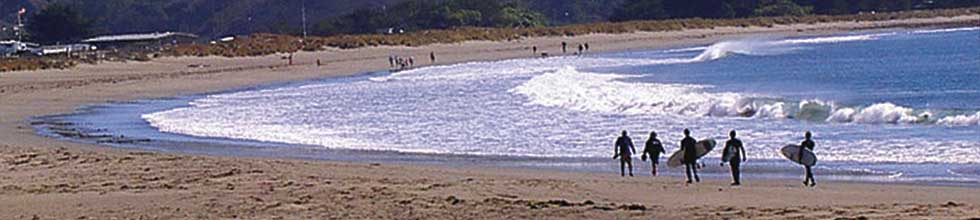 (Point Reyes National Seashore, Tomales Bay) There is a trail to the beach but it is short enough that the dogs and kids won’t complain. The wildflowers and grassy hills make the walk worth it and the scenery puts you in your Zen-like mode that is necessary for the beach. Remember to bring your own food since there aren’t many restaurants nearby.
Baker Beach: (Gibson Road, San Francisco) The fabulous views of the Golden Gate Bridge and the picnic areas are the definite to this beach. Warning: The north end is optional clothes, so don’t stray too far unless you’re prepared for nudity.
Limantour Beach: (Point Reyes National Seashore, Point Reyes Station) I love this beach since it is so peaceful, you will enjoy a quiet day without crowds. Not to mention, the parking is free!
Fort Funston: (Skyline Boulevard, San Francisco) The walk to this is a little tough, but there will be tons of dogs and their owners to keep you company. (For all you horse lovers out there; you can also go horseback riding here!)
Lands End: (El Camino del Mar, San Francisco) The cypress trees beckon you here. You will think you are in Monterey. There are other small beaches nearby if the rugged coast is not for you.
Crissy Field: (1199 East Beach, San Francisco) One of my favorites, having spent a lot of time in San Francisco as a young adult I found it early on. The dogs can run and play in the water while you enjoy your picnic. (Check before going since at some times during the year leashes are required in the Wildlife Protection Area at the west end.)
Ocean Beach: (Point Lobos Avenue/Great Highway, San Francisco) Not my favorite since dogs are allowed off-leash on Ocean Beach only in some areas. Even so, it’s a great place to watch the surfers.
Doran Beach: (201 Doran Beach Road, Bodega Bay) Crabbing anyone? You can here, and it’s a great place for camping. Ben loves to camp!
Dillon Beach: Dillon’s rolling hills, dunes and coves provide a secluded area for some grade A relaxing. Great place to rent a beach house.
Top 5 Beaches in San Francisco
San Francisco Beaches: http://www.sftravel.com/beach-san-francisco.html used under copyright license from: http://www.sftravel.com/
#1 Beach: Ocean Beach The adjective which best describes Ocean Beach is “pleasant”. One of the reasons Ocean Beach is the best of the beaches in San Francisco; it offers a break from city life and lets you remember that you are so close to nature when you are here. And yet, it is easy to access so that you don’t have to go far at all to get back to the busy life you left behind. Ocean Beach is the largest of the San Francisco beaches, taking up the entire west side of San Francisco and offering a Panoramic View of the Pacific Ocean. It offers approximately five miles of peaceful surf and sand, where both locals and visitors go to meditate, reflect and let their imaginations get a little bit more of a natural influence than is possible in the city itself. Although it is a quiet beach, it is not unpopulated. On warmer days, surfers come here to practice their skills, writers come to jot in their journals and dog walkers bring their broods to enjoy the mixture of leashed and unleashed dog-friendly areas located here. Even on warmer days, though, it can get kind of chilly on this strip of sand, so make sure to stop in at Java Beach coffee shop for a warm drink or enjoy a hot meal at the Cliff House.
#2 Baker Beach – It is known by many as the “nude beach” but Baker Beach is actually the best of the beaches for clothed (or yes, unclothed) people of all ages. It is located just on the western side of the Golden Gate Bridge, providing the best ocean view of that most famous of San Francisco landmarks. Perhaps because of this striking view, Baker Beach is also the most crowded of San Francisco beaches, but that’s not a bad thing. This is the beach to head to when you are looking for some fun. Swimming, surfing and sandcastle-building are also frequently enjoyed activities on Baker Beach.
#3 Aquatic Park – This is an urban beach, meaning that it is located right in the heart of the city. Travelers enjoy this beach because it is so close to the tourist spots of Fisherman’s Wharf and Ghirardelli Square and locals enjoy this beach because it is a nice little get-away which is easy to reach when coming home from the office or before heading out for the evening. Aquatic Park visitors can pick up a sourdough bread bowl filled with clam chowder or get a famous Ghirardelli Sundae and take it over to the steps at this beach to enjoy it out in the open air. There is a wading area here where children and adults alike enjoy the rippling soft waves hitting the shore. This is a bay beach, not an ocean beach, so the water is softer and the sand is easy to walk along. There is also a paved walkway along a portion of this beach, making it accessible to visitors in wheelchairs or bicyclists out to see the water.
#4 East Beach –This beach is commonly known as China Beach, named after the history of Chinese fishermen who camped here in days past. It is located in Pacific Heights, at the intersection of Seacliff and 28thAvenue. This is one of the safest beaches for families, with shallow waters for the kids to play in and lifeguards on duty during the summer. There are also picnic areas here with grills available so people who want to get out and enjoy some barbecued food at the beach will find East Beach to be the best location. Travelers who want to make sure to see all there is to see in this neighborhood will want to make stops at the Exploratorium and Crissy Field on the day they visit this beach.
#5 Stinson Beach – People who have explored all of the beaches within San Francisco should cross the Golden Gate Bridge and venture over to the Marin County Beaches to see something new. Stinson Beach is reached after a peaceful winding drive which leads through beautiful Muir Woods. It makes an excellent day trip location for San Francisco locals and visitors, offering easy access to state park hiking and facilities for picnicking and swimming. This is where my family would always come when I was growing up, lots of great family memories.
Bonus #6 Bolinas Beach – Bolinas is a favorite beach just outside of San Francisco with a beautiful setting. The locals are colorful and there is lots of marine life. There are cool murals on all of the walls and the beach has some secluded areas where no one will bother you. It is about an hour North of the San Francisco and can be difficult to find since there is no sign telling you where to find the town. Be mindful of a large high tide.
Beaches in the SF Bay Area for you to explore:
A
Albany Beach
Año Nuevo State Park
Lake Anza
B
Baker Beach
Bean Hollow State Beach
C
China Beach, San Francisco
Crissy Field
Crown Memorial State Beach
D
Devil’s Slide (California)
G
Glass Beach
(Benicia, California)
Goat Rock Beach
Gray Whale Cove State Beach
H
Half Moon Bay State Beach
K
Keller Beach
King Philip Shipwreck
L
Lighthouse Field State Beach
M
Manresa State Beach
McNee Ranch State Park
Miramar Beach, California
Montara State Beach
Muir Beach, California
N
Natural Bridges State Beach
New Brighton State Beach
O
Ocean Beach,
San Francisco, California
P
Pacifica State Beach
Pescadero State Beach
Pigeon Point Lighthouse
Point Molate Beach Park
Pomponio State Beach
Poplar State Beach
R
Radio Beach
Rockaway Beach, Pacifica, California
S
Salt Point State Park
San Gregorio Nude Beach
San Gregorio State Beach
Santa Cruz
Beach Boardwalk
Seacliff State Beach
Sonoma Coast State Beach
Stillwater Cove
Stillwater Cove Regional Park
Stinson Beach, California
T
Lake Temescal
Thornton State Beach
Tomales Bay State Park
Twin Lakes State Beach
 Deanna Baillie our Travel Guide Extraordinaire – read more about her comings and goings on her daily blog, just click on the Blog link at the top of the page
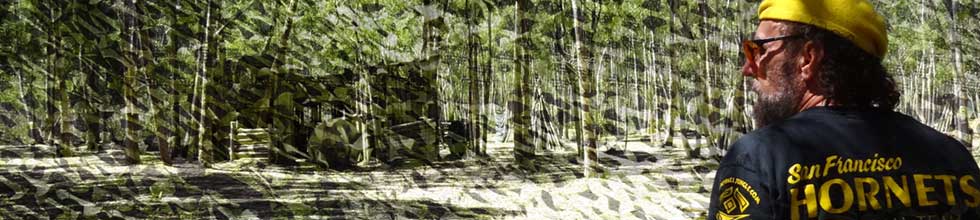 Welcome to the Jungle
“HOW FAST IS FAST?!” is the question yelled out by Bob D’Elia, the fearless captain of the San Francisco Hornet, the world’s largest paintball team, and they reply back…”FAST!”. It harkens me back to basic training in the Army and the enthusiastic responses that we gave to the drill sergeants. My wife and I entered Bob’s and the Hornets’ “Hive” at the Paintball Jungle to learn more about the world of paintball, the Hornets and, of course, the Jungle. Located at the literal water’s edge in American Canyon, the Paintball Jungle is a huge, 35-acre paintball oasis filled with forts, barriers and trees and is visited by hundreds of people every weekend. Bob has been operating the jungle for the last 25 years (it served as a paintball park prior to Bob taking over as well) and I have to say that the journey Bob personally has taken to get here is worthy of a story unto itself.
Bob goes by the moniker of “Magic Carpet Bob” because when he started playing paintball on the weekends in the late 1980’s there were a number of “Bobs” and he happened to own and operate a carpet cleaning business. The “Magic” part was added after he rose to the rank of the number 1 player in the world and earned over $170,000 in 1991. It is fair to say that Bob fell in love with game right from the start, and that he was VERY good at it as well, but Bob’s goal now is to help people enjoy the game and the experience he fell in love with.
Bob never set out to own a paintball site and business, he just fell into it. Early on he played with a team almost every weekend at the site and when the original owners could not make a go of it he decided to step in and pay the rent (none of his then team wanted to help with that) so that they could continue to play. That fateful decision became what people experience today at the Jungle. Bob’s pro days are behind him and he and his team strive to keep the “feel” of the game alive which originally drew him to it. Not being a paintballer myself, this was all new to me but Bob tells me that most paintball sites today are much smaller (the size of a tennis court) and they have inflatable obstacles and are often just set up in parking lots. Wooded lots like the Jungle with the large forts and hand built barriers/obstacles are no longer the norm, but that is what Bob started out with and he feels that they provide some of the best aspects of the game.
There is a WIDE range of players in skill, age and nationality at the Jungle. We saw both young and old (quite a few families out as a group but you have to be at least 10 years old to play) and quite a few languages being spoken by the guests as well. There was also quite a variance in the equipment. Some people had arrived with all their own gear (outdoor wear, mask, goggles, gun, loaders, etc.) and there were many, just like Regina and I that pretty much just brought themselves, comfortable clothing and shoes. I have to say that every one of them seemed very excited to be out there and they all seemed like there were enjoying themselves.
The majority of the Jungle is dedicated to the main games which last 30 minutes and are continuously run throughout the day of varying themes (such as capture the flag). They also have smaller “speed ball courts” upon which smaller private groups can play as well.
I would strongly recommend wearing comfortable clothing and shoes that you can run around in and get dirty (the paint does wash out easily but I would stick with darker colors just to be safe). If you still have that full body camouflage suit that your aunt gave you for Christmas three years ago hanging in the closet and have been wondering what to do with…wonder no more. Gloves and hat or some type or hair covering would also be good additions. I would strongly suggest layering a few items to diminish the sting of the paintballs – which do sting a bit if you are just wearing a t-shirt. Other than that, The Jungle can get you all suited up (they also can get you a camo jumpsuit to help keep the paint off of you). They have paintball guns (called markers), goggles, chest protectors and paintballs themselves to get you all decked out for the adventure. I would also get there early (they open at 8:30 EVERY Saturday and Sunday – rain or shine – unless it’s Christmas) if you have never been, so that you will have time to get all the equipment on, familiarize yourself with the everything, go through the orientation and have plenty of time to get on the shooting range as well. Then it’s time to release the excess stresses of life. Bob now looks at the game as a great form of therapy and stress relief from the pressures of life – who doesn’t feel like shooting someone from time to time? Bob feels so strongly about the quality of the therapy that paintball provides that all moms (you have to bring your kids – 10 and older – to play) play free and dads get a free upgrade. As a parent of three little ones I know that Regina and I will be taking advantage of that one day!!
Once you are all suited up and you’re actually on the field I have to say that your blood will most certainly start pumping. The games are fast and on the big course there is quite a bit of running around. Once the paintballs actually start flying the pace picks up even more – and those paintballs really do fly!! I have to say that the Jungle runs a pretty tight ship when it comes to safety. They have referees, everyone has their goggles and face masks on during play and they are very strict on safety in the staging area as well. Bob has a simple rule – play by our rules or don’t play at the Jungle. Bob and the staff give one warning and after that you are out. I saw the warning (a teenage boy with his family and friends) when we were out there and I do not think I would want to be at the receiving end of it.
After lunch every afternoon they do a couple of things. One they hold a raffle (every other Sunday they giveaway a paintball gun) and the second is they do what is called the Beeswax. The Beeswax is where any and all members of the Hornets paintball team that is there that day takes on all comers in a game of their choosing on the main field. My wife and I had the opportunity to watch the Hornets in action at their “hive” (their main fort) for a game as they acted as defenders. It was very intense to watch all those paintballs coming over the walls – some markers shoot as many as 50 paintball per second – from the challengers as the Hornet team tried valiantly to defend their turf. In the end though the Hornets were defeated and the Hive was overtaken thus another day of fun for the whole family was enjoyed by all.
If you plan on going the Jungle, it is located at the corner of Eucalyptus and Wetland edge in American Canyon. They are open every Saturday and Sunday from 8:30 to 4, rain or shine (the only day they are closed for is Christmas). If you have 15 or more players you can rent out the Jungle for your own private party ($1,600 minimum) and you can have the place to yourself during the week. There is no upper age limit but you have to be at least 10 years old to play. The cost is $20 (which includes your goggles and mask) and there is a 500 paintball (or $15) minimum purchase as well if you have all of your own gear. Make sure to ask for Bob as well when you are out there – he will be glad to share his stories, his insight and his love for the game. And don’t forget to ask yourself: How Fast is Fast?
 Robert Briseño – Is a father of three little ones who finds constant joy in their discovery of mysteries of the world but he is looking forward to the day he can take them to the Jungle and have a nice long therapy session with each of them.
 What Does Healthy Eating Mean to You?
Eating healthy foods can improve your overall health and may even help prevent disease. But what does this really mean and how do you go about it?
For starters, try to eat more fruits and vegetables every day and limit the amount of fat and sugar you consume. You’ll also want to eat a variety of foods throughout the week, and limit portion sizes, too.
Of course, for some people with certain conditions (such as diabetes or food allergies), you’ll want to talk with a medical professional about your special dietary needs.
What are the benefits of healthy eating? Healthy eating will reduce your risk of:
- heart disease and stroke
- high blood pressure and diabetes
- breast, colon and prostate cancers
Healthy eating can also help you:
- manage your weight successfully
- have more energy
- feel better now and in the future
- meet your nutritional needs
How can I get started?
Making changes can be hard. But when it comes to taking care of yourself, it’s worth the effort. When you are ready to make some changes, here are some easy ways you can start:
Make small changes over time
Start with one change at a time. For example, try adding one serving of fruits or vegetables to any of your meals. Or try having fruit as a snack. Then, when you meet that goal, choose another small change to work on. Just remember to avoid fad diets or big changes in what you eat.
Control your portion sizes and choose leaner meat or fish
A healthy portion size is about the size of your palm, or of a deck of cards. Try incorporating skinless white meats such as turkey or chicken to your routine, and add some healthy fats to your diet, like fish and olive oil.
Simple changes add up
Switching from whole milk to lowfat milk (1 or 2 percent), or even nonfat milk, can make a big difference in your daily intake of calories. Try cutting back on sugar by limiting the amount of soda you drink; a regular 12-ounce soda has 10 teaspoons of sugar.
Instead focus on drinking more water—at least 6 to 8 glasses every day—it’s good for the body and it helps you feel full. You can add berries or cucumbers to add some flavor as well.
Also, try to eat more slowly. It takes your stomach 20 minutes to tell your brain that it’s full. Eating slower will help you enjoy your meals as well.
Avoid temptation
Make a grocery list to help you buy healthier foods and stay away from junk food. Remember that you won’t be tempted by junk food if you don’t buy it. Substitute lower fat choices (such as popcorn or reduced fat crackers) for foods with lots of fat and sugar.
If you don’t do this already, begin reading labels. Be aware of the food you are buying and plan your grocery trips so that you don’t end up shopping when you are hungry.
How can I improve what I eat?
• Add one fruit or vegetable to meals or snacks until you have reached five or more a day. A whole fruit, like a medium-sized apple, is one serving.
• Fresh is best, but frozen, dried and canned fruits and vegetables are all good choices. For canned fruits or vegetables, look for labels that say “in light syrup” or “no added salt.”
• Eat less fat. Remove all visible fat or skin from meat or chicken before cooking. Broil or bake instead of frying.
• Take healthy snacks with you (fruits, vegetables, pretzels, or lower calorie nutritional bars) to avoid hunger later in the day.
• Choose high-fiber foods, such as vegetables, fruits, and whole grains. These help you feel fuller, longer.
How can I succeed at making healthy changes?
Be adventurous
Include variety in the food you choose. Besides the nutritional benefits, variety adds interest to meals and snacks. Learn new ways to prepare vegetables and low-fat meals. Try new spices and herbs or visit one of the many farmers’ markets in the area and explore new tastes. There are also many low-fat and flavorful recipes available at www.kp.org/recipes—give them a try!
Be sensible
Don’t indulge in guilt. You can still enjoy your favorite foods, just don’t overdo it. If there is a high-fat, high-calorie snack you want, you can have it. Just have a small portion and eat it less often.
And if you do eat that cupcake, all is not lost. Just make sure you eat lower calorie and healthier foods at your next meal. By keeping healthy food in your kitchen, you’ll make it easier to get back on track.
Keep a food diary
Write down what you eat and how much you eat. Try keeping a food diary for a week or two. This can help you keep track of your eating patterns. For instance, you might notice that stress makes you eat more or crave certain foods. Once you are aware of your habits, you can make different choices.
Be selective when eating out
Look for dishes that are steamed, broiled, baked, grilled, poached or roasted. If you’re not sure about a certain dish, ask your server how it’s prepared. Don’t be afraid to ask for what you want to help you eat healthy and stay on track.
Don’t forget to ask for salad dressings, sauces and gravies on the side so you can control how much to use.
Most restaurants serve extra large portions so feel free to ask the waiter to wrap some of your food to go. There is no need to clean your plate.
Make it a habit
Be realistic about the changes you are making. Make small changes over time in what you eat and add some exercise as well. By setting small, achievable goals that you work on for 1 to 2 weeks, you have a better chance of succeeding.
Then, once you have reached your goal, set another goal. Drastic changes are harder to maintain and may not be successful in the long run so make a conscious decision to eat healthier and take simple steps to achieve your goals.
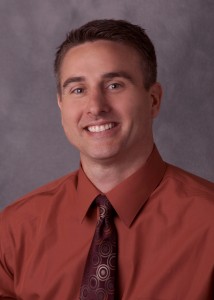 By Chris Walker, MD, Chief of Adult and Family Medicine at Kaiser Permanente in Vacaville. For more information on ways to stay healthy, visit www.kp.org.