K-9 Kitchen
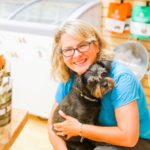
K-9 Kitchen’s journey truly began in 1998 when its founder, Sherry Clingan, found a stray dog in an apartment complex parking lot. She tried to feed it kibble, and—though emaciated—the dog wouldn’t eat the food. After doing some research Sherry found a local feed store offering higher quality kibble that is hard to find elsewhere, and the dog gobbled it right up.
Sherry adopted that dog, and later discovered a new norm of feeding fresh, raw food to pets. This set the stage for the K-9 Kitchen we know and love today.
At the surface level, K-9 Kitchen is a health food store for dogs and cats, and they also provide a self-serve pet wash. Regular customers enjoy their loyalty program that saves them money on all items in the store, and what Sherry hears most from them is that they love shopping here, not just because of their quality products, but also because of the personal feeling they get from supporting this independent local business.
Make sure to inquire about their events. As of this writing, they had a Natural Healing event coming up, and Sherry promises additional learning opportunities to come, as they’ll be expanding services to include ordering online and picking up at the store.
To all of her voters, Sherry offers “a thousand thanks!”
Call K-9 Kitchen, visit them on their website, follow them on Facebook and Instagram @K9KitchenLLC, or just stop on in, they look forward to meeting you.
3534 Golden Gate Way, Lafayette, CA, 94549
(925) 310-4690
k9kitchenllc.com
By Rabbi Elchonon Tenenbaum
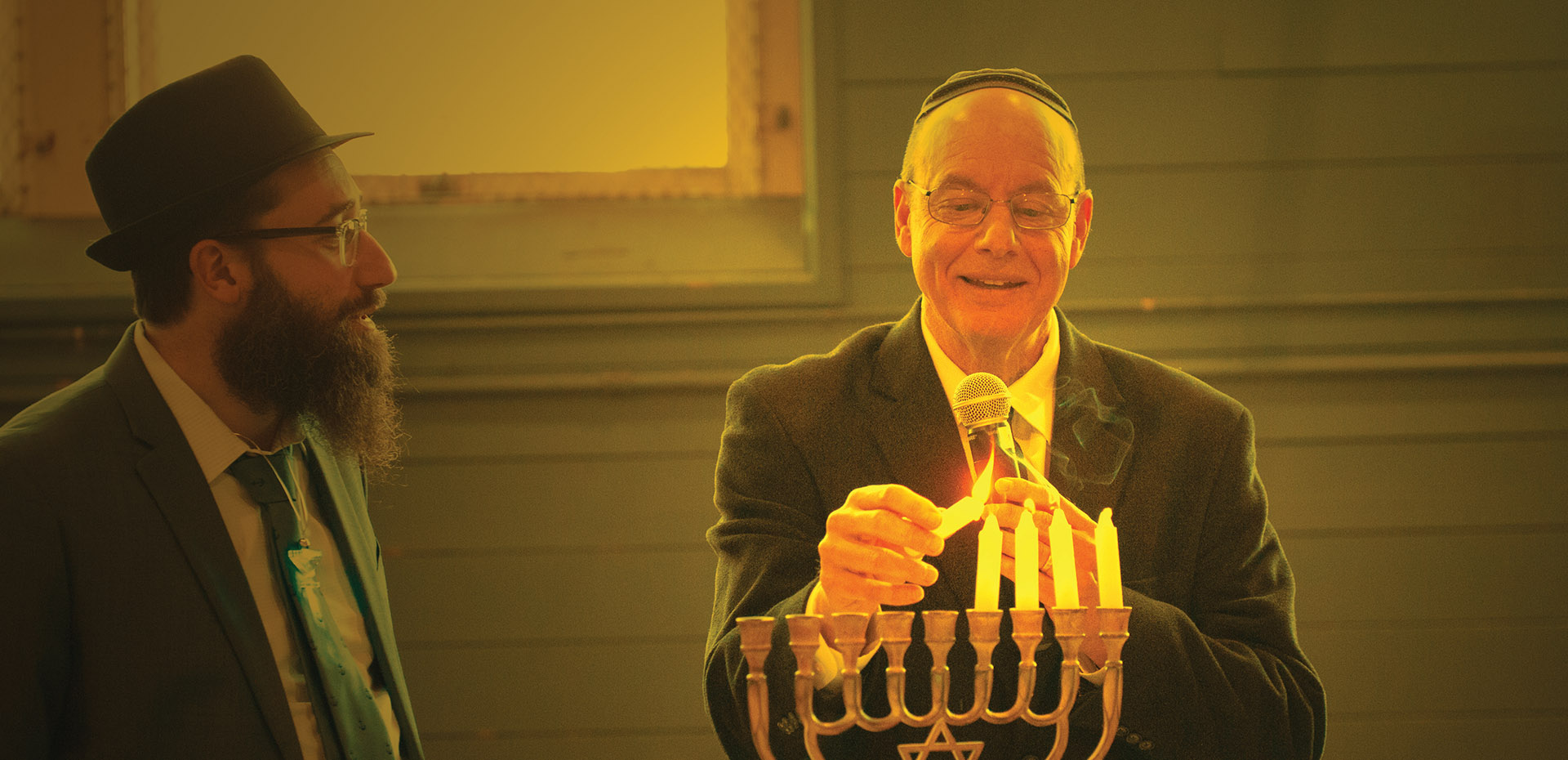
Set in the doorway for the benefit of passers-by, the lights of Chanukah that we see each year on the menorah are a bright beacon for evening streets. No matter how dark or gloomy things may seem, a candle can transform the darkness itself into light; a kind word or a selfless act can change a life.
Although the lighting of the menorah begins at home, it does not stop there. Such is the nature of light that when one kindles a flame for one’s own benefit, it also extends to all who are in the vicinity. Indeed, the Chanukah lights are expressly meant to illuminate the “outside,” symbolizing the duty to bring light to those who, for one reason or another, still walk in darkness.
In celebrating Chanukah, we are reminded of the words of the sages that “a little light goes a long way, and one good deed can have a ripple effect.” Encouraging acts of charity is the reason why we give gifts of gelt, which are chocolate coins, or actual money during Chanukah. We give these gifts so that children may have something to give in turn to those in need.
During Chanukah, we eat food that has been prepared with oil such as latkes and jelly donuts. More than just tasty, these treats allow for us to physically experience the miracle of Chanukah with the oil that was enough for 1 day lasting eight days. The holiday of Chanukah is a time to celebrate religious freedom and the ability to take pride in our religion and service to G-d. The lights that we illuminate are not just of the soul; they shine outwards unto others. At each lighting of the Chanukah Menorah, we embrace the triumph of freedom over oppression, of spirit over matter, of light over darkness.
The story of Chanukah begins with the Maccabees who were brave enough to oppose the evil that was around them, helping bring the Jews back to G-d. More than 2,100 years ago, a militarily weak but spiritually strong Jewish people overcame the mighty forces of a ruthless enemy that had overrun the Holy Land. During Chanukah, we renew our own strength to stand together against the forces of darkness with light and spirituality in our own lives.
Chanukah is known as the festival of lights for a very good reason. In the eight days of Chanukah, we light candles to symbolize the triumph of light over darkness. Because the number of seven represents the completion of a full, natural cycle, such as with the days of the week, the number eight moves us beyond, into infinity and the space of miracles. In these eight nights of Chanukah, we illuminate a light that stands against the darkness for the entire year.
This year, Chanukah begins the evening of December 22nd and will continue until December 30th. Whenever a person passes by the bright lights of Chanukah, it is my sincere hope that they feel the warmth and brightness of the holiday and carry a new act of kindness forward to others.
By Rachel Raskin-Zrihen
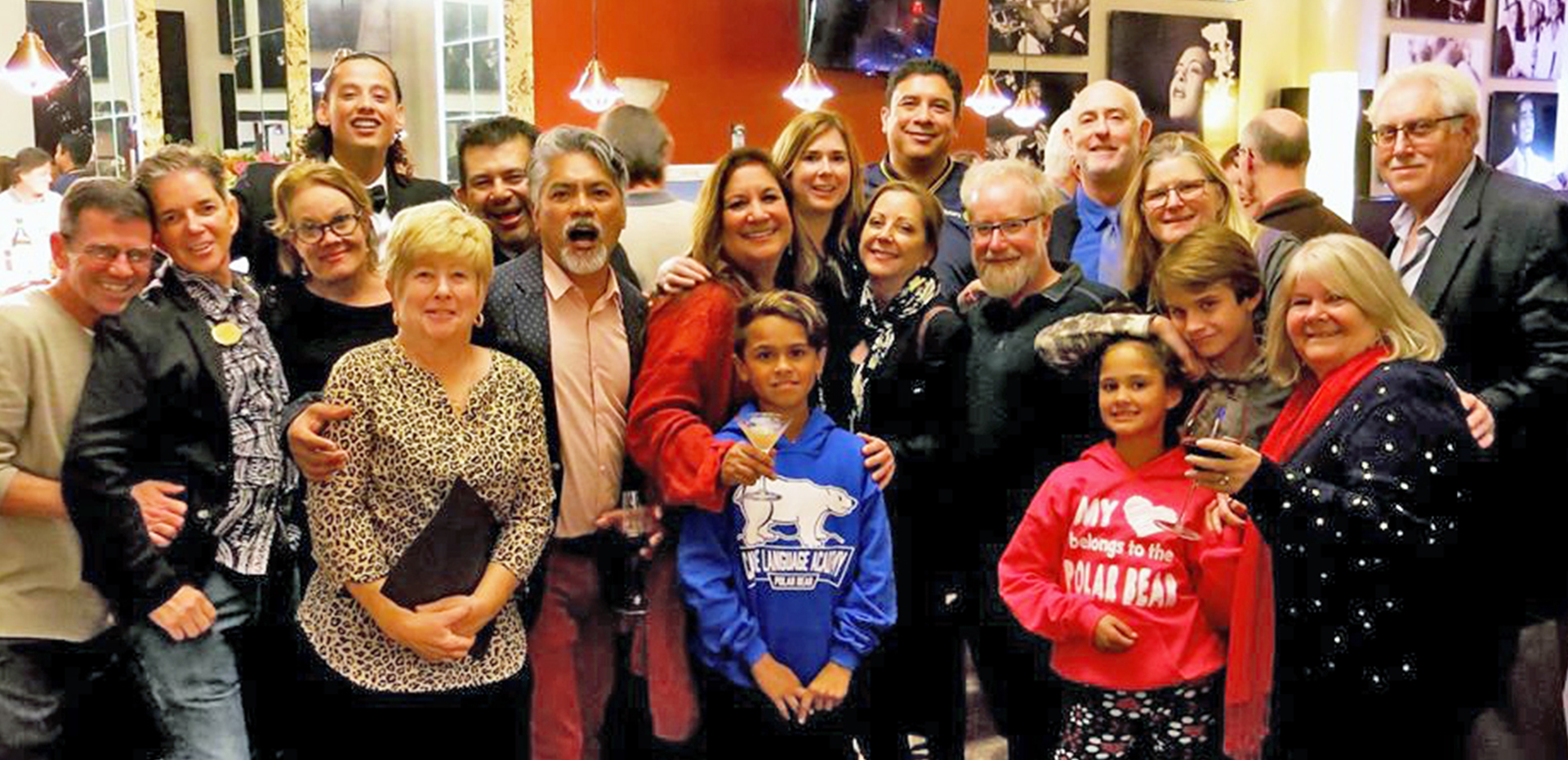
Robert Briseño and his sister Deanna Troupe are Vallejo natives, but they were still surprised to learn “the scope of events going on around us”—something they didn’t find out until they started producing Local Happenings Magazine, 10 years ago this month.
“I never gave it much thought, but now that I see them on a regular basis as we deal with our calendar, it is just amazing to see the depth and breadth of various events around us every day,” Briseño said. “We are really blessed in the fact that we have SO much to do every week, regardless of our interests.”
Printed and distributed every two months, Local Happenings Magazine is the brainchild of Troupe and Briseño, the founders and owners of BB&B Business Group and the magazine’s publishers. Four of the six Briseno siblings are involved in various aspects of the magazine’s production, they said.
The idea for Local Happenings Magazine came from the siblings’ desire to find an affordable, simple, and effective way to publicize events for local nonprofits, they said.
“It’s a labor of love more than a revenue stream,” Briseño said. “We all work at other things, also. This pays for itself, but it wouldn’t make financial sense if we counted on it for our sole income.”
The magazine grew out of a graphic design business Troupe started in 1987, but she immediately took over a Benicia publication from a business colleague who was dying of cancer, she said. The monthly publication, titled In and Around Benicia, started it all, but soon parlayed into In and Around Vallejo, Fairfield, Suisun City, and Vacaville, which she and her brother Larry produced for at least a decade, she said. These were sold and Troupe started ‘etc. Magazine’ for Benicia, Vallejo, Fairfield, and Vacaville that published every two months, even as she continued doing graphic design and marketing for the likes of the Solano County Fair as well as other various mid-size companies.
“At that time, other advertising options cropped up, like the Weekender and Grapevine, so I saw an opportunity to stop publishing and to focus more on public relations and marketing and then, enter my brother, Robert, who came back from Atlanta where he was working after college,” Troupe said.
Briseño said he came back home right after 9/11, to be near family.
The siblings said they decided to pair her marketing and consulting expertise with his financial management skills, and formed BB&B Business Group, which started to take off before the onset of the Great Recession in 2008.
“We had to reinvent ourselves; and at that time, a friend of ours was trying to create a beer and wine event at the Fairgrounds, and the conversation led to advertising options for the larger area. We found there was nothing like that,” Briseño said.
“So, we started this, to be an affordable regional vehicle that looked good and told local community stories,” Troupe said.
“We produce a forward-looking, as opposed to a rearward-facing, publication,” Briseño added.
The family is also deeply involved in nonprofit groups like Rotary, Vallejo Executive Lions, Vallejo Community Arts Foundation, GVRD, and a host of others throughout the years like Vallejo Main Street and the Humane Society of the North Bay. Local Happenings Magazine was created with those organizations also in mind, they said.
“We wanted to create a vehicle that highlights local events, free for nonprofits,” Troupe said. “It’s meant for an audience within an hour radius from Vallejo, Napa, Benicia and Contra Costa County—a regional vehicle.”
The calendar section is free, and paid for with advertising, with a web component added later, they said. That was 10 years ago, and it’s exploded since then; with thousands of copies in circulation, most of them are mailed directly to homes and businesses, including 13 Chamber of Commerce offices and other gathering places, the siblings said. They also use a local, Bay Area printer who uses “green” materials, they said.
BB&B Business Group produces the Vallejo Chamber of Commerce’s magazine as well, which shares most or all the same handful of writers and contributors.
“Our goal is to help provide a place to learn about and advertise events of all sizes. More importantly, we would like to help connect the community more effectively and provide a place to learn about the things that are going on around us, so that we can all enjoy life a bit more,” as you read on the Local Happenings Magazine website. “We welcome your comments and suggestions. We expect this site and our magazine to evolve and grow with the demands of the community, so please visit often.”
The past decade has not all been smooth sailing, Briseño said. There have been rough patches.
“The scariest thing is the same things that I imagine every business owner must face,” he said. “Guiding the publication through the rough seas of business and life: the ebbs and flows of money and resources impact us, and I have always sought to grow this out of cash flow. It has seemed to work fine over the last 10 years of the magazine and almost the entire 30 plus years of our businesses, but there have been times that it has given me a sleepless night or two and made us wonder if we are on the right path or not.
“Sometimes it is just not pumping my blood to work on the magazine, but the deadlines still come,” he continued. “Working through those days can be a drag, but, as in sports, you push through the wall and then you feel great about what you are doing and have done.” The positive far outweighs the negative, though, he said.
Troupe said she was made aware of a conversation in which an advertiser told an acquaintance that Local Happenings Magazine is the place to advertise.
“The advertiser said, ‘you have to be in Local Happenings because it’s everywhere; I go to the ferry building, and it’s there—any coffee place, when you come off the ferry, or when you go to the Empress—so, we have to be in there,’ and that was nice to hear,” Troupe said.
“The best thing is all the people we have met and all the interesting things they do. It is easy to fall into your routine and stay within your circle of friends and family and forget to appreciate all the other circles of lives all around you,” Briseño said. “Being able to explore that has been eye-opening and interesting. There’s so much happening in the Bay Area, and we’re only covering a tiny slice of the pie. We hope to continue growing, and who knows where we will end up . . .”
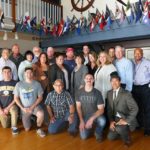
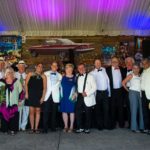
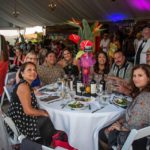
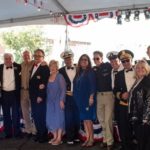
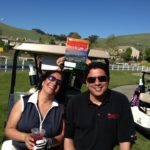
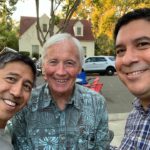
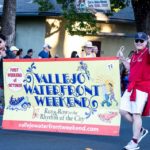
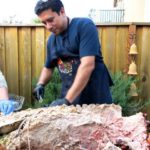
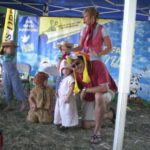
And here are some photos from over the last decade:
 Rachel Raskin-Zrihen is a Vallejo-based, award-winning, veteran journalist, columnist, and author; a wife and the mother of two grown sons, and mother-in-law to two grown daughters-in-law, presently working to wrap her head around the idea of eventual grandmother-hood.
The Savory Truffle
Celebrate 10 years of the Napa Truffle Festival in January
By Matt Larson
When the American Truffle Company™ (ATC) first launched the Napa Truffle Festival in 2010, many people expected it to be all about chocolate! Those people were mistaken.
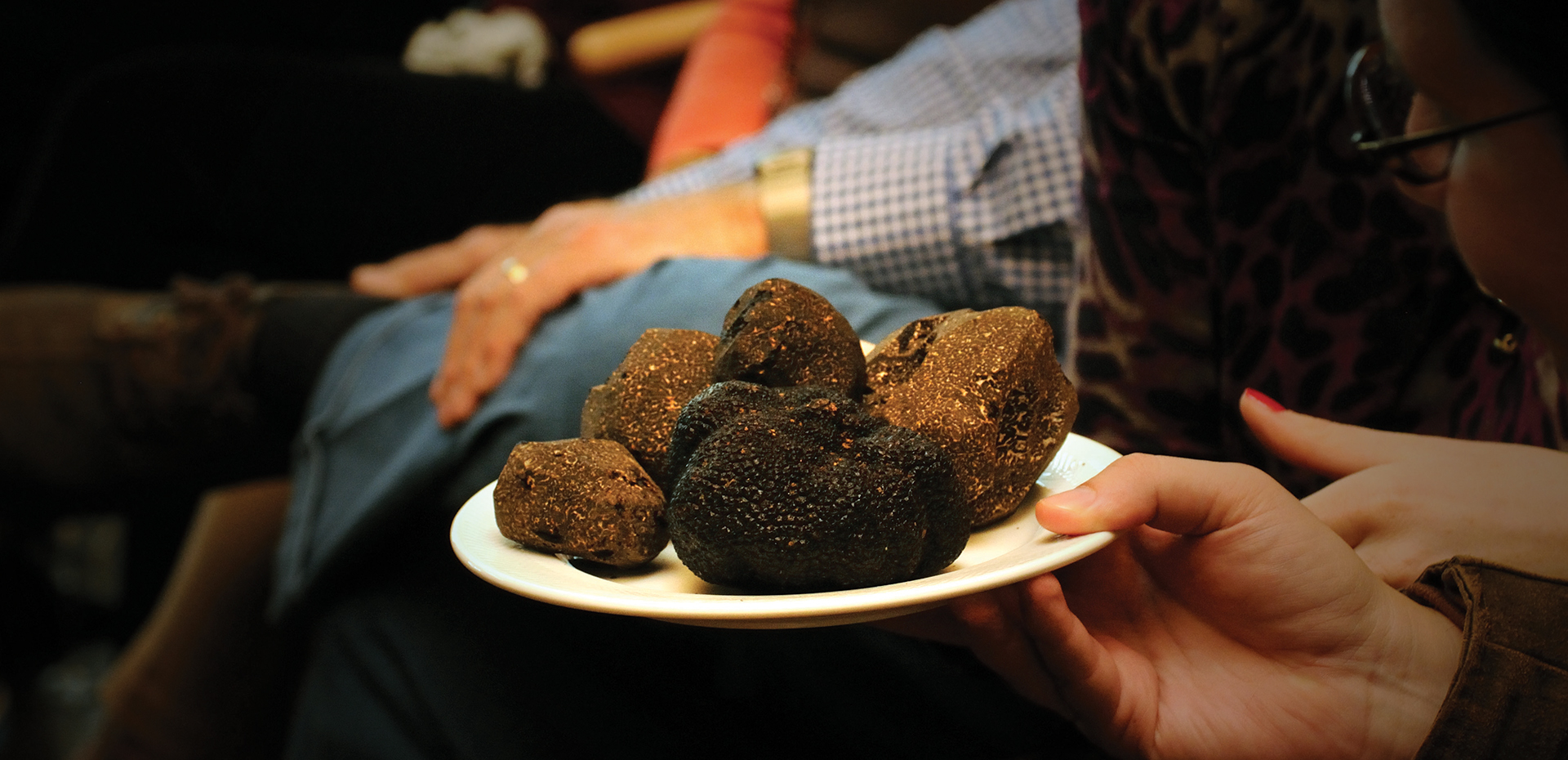
The word “truffle” can indeed refer to a type of confection, but these days that term is becoming more recognized for its alternate meaning: “truffle” also refers to a type of fungi, a mushroom variant that is used in many different foods worldwide including pasta, risotto, eggs, cheese and more.
Unlike the common mushrooms that we’re used to seeing in soups, salads, and unexpectedly in the backyard, truffles grow underground on the roots of certain trees—mostly oak and hazelnut—and carry a powerful taste and aroma.
Truffles are tremendously difficult to cultivate and take years of preparation to even start growing (about as many years as it takes to plant a vineyard and grow grapes).
In fact, it wasn’t until December of 2018 that the first substantial harvest—“resulting from the application of rigorous and systematic scientific methodology that is consistent, reproducible and reliable,” according to ATC—occurred at the Otellini Truffle Orchard in Sonoma County.
ATC managed and inoculated Otellini’s trees with the black Périgord truffle fungus, which is known as “the most expensive and sought-after black truffle in the world, historically fetching up to $1,200 per pound.”
In 2012, 60 Minutes deemed truffles to be the most expensive food in the world, as at the time, white truffles were selling for as much as $3,600 a pound. Fortunately, it only takes ounces, not pounds, for truffles to make an impact on your meal.
Truffles are not native to North America, so ATC’s achievement at Otellini is quite historic. They cultivate both winter Périgord and summer Burgundy, the two most popular black truffles in the world. They’ve yet to crack the code on white truffles.
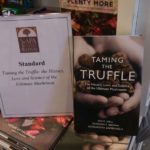
Dr. Paul Thomas, Chief Scientist for the American Truffle Company™, has succeeded in cultivating truffles in Macedonia, Wales, and Spain; and he works with growers in Australia, which is one of the world’s largest black truffle distributors.
In other words, likely every truffle-infused culinary creation that you’ve ever had in America came from truffles grown in other countries. ATC is on the brink of changing that reality and wants to inspire others to do the same.
Dr. Thomas, along with Managing Director Robert Chang, created the Napa Truffle Festival in 2010 to enlighten and inspire current and future truffle growers, and to increase truffle awareness to the general public.
Tickets are on sale now for the 10th Annual Napa Truffle Festival, held January 17-20, 2020.
With the exception of Oregon, where you’ll find a truffle festival specific to Oregon-grown truffles, the Napa Truffle Festival is the only event of its kind nationwide.
What to expect? Well, truffles, naturally, and again, not the chocolate kind!
“The whole point of the Truffle Festival is to educate people on what truffles are,” ATC’s Marketing and PR Consultant Kathleen Iudice said.
“We have all types of interactive programs where people can smell and taste different truffle species,” she continued. Guests can also attend winery-hosted lunches, truffle orchard tours, dog training demos featuring professional “truffle dogs,” and much more.
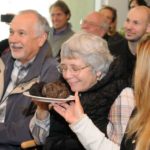
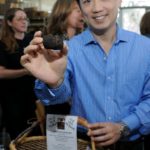
Tasting the truffles is, of course, one of the biggest draws for the event, and the festival presents plenty of opportunities to tickle your taste buds.
Each year, two different wineries host a winery truffle lunch.
For Saturday’s “Dig Truffles?” program, you can enjoy A Foodie’s Guide at CIA Copia and learn all about selecting, storing, and preparing truffles from Michelin-starred Chef Ken Frank of La Toque. Following the program is a tour and lunch at Del Dotto Vineyards finishing with a truffle orchard tour/dog training demo at Robert Sinskey Vineyards.
The lunch on Saturday is to be prepared by not one, but three amazing chefs, including Ken Frank, Del Dotto’s Executive Chef Joshua Schwartz, and Guest Chef Juan José Cuevas from San Juan’s 1919 Restaurant.
Sunday’s lunch includes a cooking demo at Raymond Vineyards presented by Master Chef Michael Smith of Farina in Kansas City. After the demonstration, you get to try his culinary creations yourself—paired with Raymond Vineyards’ signature wines.
Unlike other festivals that require an overall pass, tickets can be purchased on a per-event basis, so you only pay for the parts of the festival that appeal to you, including the signature Truffles & Wine Dinner at La Toque.
If you’re in search of adventure, we recommend attending one of the festival’s Wild Mushroom Forays.
Forage out into Angwin’s Las Posadas State Forest with truffle experts, including ATC’s Dr. Paul Thomas himself. Learn about exotic mushrooms and see them in their native habitats.
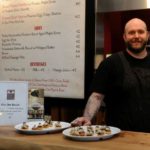
One of the most popular events of the festival, and also one of the most affordable, is the Truffle Festival Marketplace at Oxbow Public Market on closing day, Monday, January 20th (Martin Luther King, Jr. Day) from 11 a.m. to 3 p.m.
“The marketplace is very popular,” Kathleen said. “All of the merchants participate in the festival, either by presenting a truffle dish or selling some sort of truffle-related item.”
The festival marketplace on this day is open to the public. “This is an opportunity for people to come and just try things à la carte,” Kathleen added. “Buy their own fresh truffles, meet the cute truffle dogs (petting allowed), attend a couple of cooking demos…”
Keep in mind that none of the truffles you’ll be consuming at the festival will be grown locally, as despite the milestone harvest in Sonoma last year, ATC has yet to harvest anything locally on a commercial scale.
“All the Périgord black truffles come from France or Italy,” Kathleen stated. “Truffles have a very short shelf life, so we bring them in Thursday night, disperse them to the chefs, to the Oxbow merchants, and to anyone who’s going to be cooking with them, and sell them out by the end of the festival.”
If you happen to purchase some truffles at the festival or the marketplace, it’s recommended to eat them within one week.
Kathleen estimated that within about the next five years ATC would be able to harvest locally to augment the truffles brought in for the festival. The first truffle orchard that ATC planted was in Napa in 2010, and growing them in a new habitat has not been easy, but the future is looking promising for California truffles.
The more people working toward growing truffles, the better, as together they can share their successes and learn from each other about the best practices for a successful truffle harvest.
“For truffle cultivators, this festival provides a great opportunity to network,” Kathleen said. “It took us 10 years to get here, and it’s going well!”
So come be part of California’s culinary history and attend the 10th Annual Napa Truffle Festival. January 17-20, 2020. Events do sell out, so get your tickets now at napatrufflefestival.com. You can also call them with general questions at (888) 753-9378. For additional information about the American Truffle Company™, go to americantruffle.com.
The American Truffle Company™ is now cultivating truffle orchards nationwide, from here in Napa all the way to New Jersey, as well as in 25 countries that span four continents. If you’ve ever hoped to expand your knowledge of the mystical magical truffle, ATC is the place to go.
 Larson is an actor/comedian/director from Vallejo who lives a double life between the Bay and LA. When he’s not writing for Local Happenings Magazine he could be editing a short film or working on his next rap album—who knows!
Keep up with all things Larson at www.MarsLegstrong.com.”
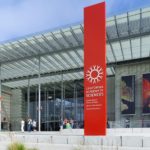
OH! I love the nightlife…at California Academy of Sciences?!
Do you want to boogie too?
By Nate Gartrell
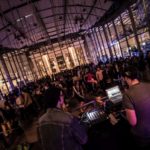
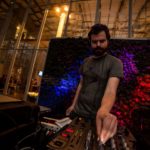
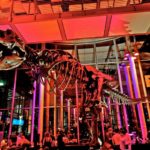
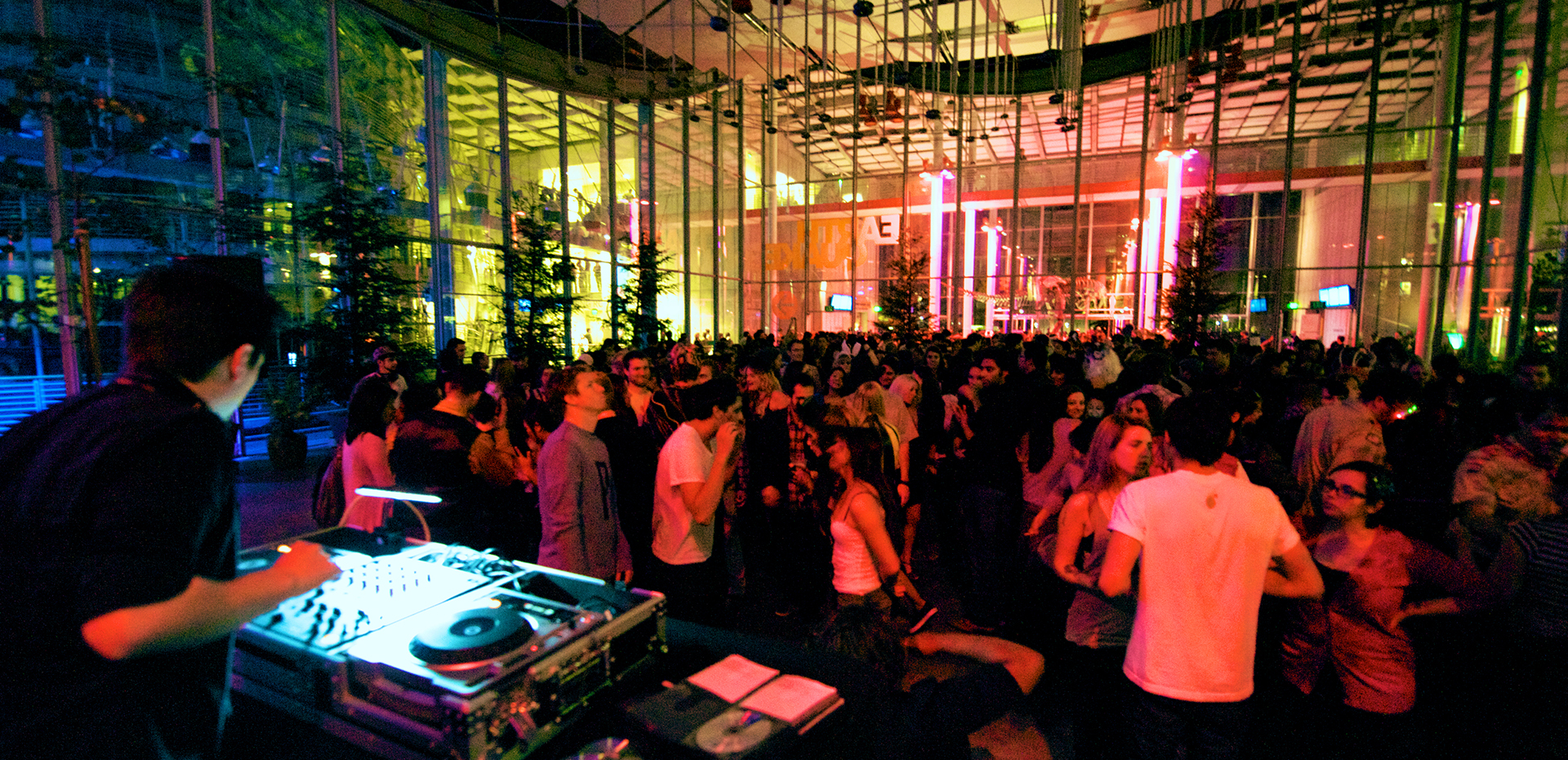
For eons, humanity has struggled with the age-old conundrum: How do we make learning fun, especially in an era where mind-numbing distractions exist just about everywhere you turn? Well, the folks at the California Academy of Sciences in San Francisco appear to have this one figured out. They’ve taken the concept of a science museum and meshed it with a 21st-century entertainment venue. The result is a learning center that’s constantly evolving, and coming up with new ways to engage people of all ages. Show up at the Cal Academy during the day, and you’ll find a planetarium, aquarium, rainforest, and natural history museum all rolled into one; arrive at night, and you’ll find something of a science nightclub, with spirits, live DJs, and seasonal themes that adapt and change around the clock.
A lot of the rudimentary science education that children and young adults receive starts out by teaching concepts, then applying them to the real world. The Cal Academy’s approach is the opposite: its displays, events, and research projects aim to teach you why science is important to everyday life, and then they fill you in on the details behind it.
Take the Cal Academy’s recently-opened “Tis the Season for Science: Life on Ice” exhibit as an example: from now through January 5th, 2020, the exhibit will feature live reindeer, indoor flurries of snow every half-hour on average, musical performances, life-sized models of polar bears and Antarctic penguins, and a Snowman Theater, described in a news release as, “an immersive, digital dome-shaped like a giant snowman,” which will play a show entitled Roaming with Reindeer. The purpose of the exhibit is to teach guests about Earth’s north and south poles, the animals that inhabit them, and how these critters have adapted to survive in some of the harshest places on the planet. The Cal Academy’s website invites guests to: “Enjoy festive live performances in the piazza, a kid-friendly show about reindeer in the Snowman Theater, and learn about our planet’s polar regions to ensure your holidays are chock-full of scientific cheer.”
The Cal Academy’s history dates back to the Gold Rush Era, and it has survived some rocky periods over the years. In 1916, more than a half-century after its start in 1853, the academy moved to its current home in San Francisco’s Golden Gate Park. However, in 1989, came the mother of all ironies: its building was badly damaged by the Loma Prieta Earthquake, and it became apparent that the place where millions of people had come to learn about science and engineering had not been adequately designed to withstand California quakes. The ultimate result was a $500-million remake in 2005, which forced the academy to move to a temporary new home on Howard Street during the interim; once it reopened in 2008, however, the Cal Academy was bigger and better than ever. Bay Area residents greeted the new, state-of-the-art museum by turning out in droves: the line was a mile long out the door, and the staff was forced to turn away thousands of guests for lack of space.
These days, the Cal Academy is probably best known for its NightLife events on Thursdays, where it becomes a 21+ venue with food, cocktails, a DJ, and constantly-changing themes. Most recently, on December 5th, there was a Star Wars night, where attendees could “wander among droids built by the R2 Builders Club,” or view epic lightsaber battles by the Saber Guild, a not-for-profit costuming group that specializes in choreographed lightsaber performances and is recognized by LucasFilms. The live DJ sets typically have some sort of interesting twist, such as an accompanying light show or a set up where everyone listens to music through headphones, while the actual dance floor stays completely silent (outsiders simply see a large group of people eerily dancing to nothing).
However, if you’re not old enough to drink, don’t fret—the Cal Academy has children’s nightlife covered too, with its sleepover events offered throughout the year. These start at 6 p.m. and last 14 hours, offering live animal presentations, planetarium showings, a chance to spend the night in an exhibit area, and other features. They’ll also give you breakfast before they send you on your way. Nine sleepovers have been scheduled so far for 2020, and they’re already selling out. To book yours (tickets are $119 per guest but discounted for members), visit calacademy.org/penguinspajamas-sleepovers. You can also email them at penguinsandpajamas@calacademy.org or call (415) 379-5854.
The academy’s daily exhibits are one-of-a-kind. Its 90-foot rainforest dome, the largest in the world, recreates the unique South American ecosystem’s flora, animal life, and humidity. “It will instantly transport you to some of the most biodiverse places on Earth,” the academy’s website says.
The Steinhart Aquarium, founded in 1923, is home to 40,000 animals of 900 unique species and allows guests to get up close. You can walk through a tunnel, immersed in underwater life, allowing an “unprecedented view of underwater and terrestrial habitats.” Similarly, the Morrison Planetarium, with its 75-foot dome, offers shows “fueled by cutting-edge scientific data, resulting in stunning visualizations of the latest findings, discoveries, and theories about our Universe.”
These are just a sliver of what the Cal Academy has to offer; it’s impossible to encapsulate everything in a single article. For a full list of features, upcoming lectures, and other events visit their website at calacademy.org.
The Cal Academy is located at 55 Music Concourse Drive in San Francisco. It is open 365 days a year, but has limited hours on the major holidays, like Christmas, Thanksgiving, and New Year’s Eve. Its regular hours are 9:30 a.m. to 5 p.m. Monday through Saturday and 11 a.m. to 5 p.m. on Sundays. NightLife hours are from 6 p.m. to 10 p.m. Admission ticket prices vary with the age of guests but run in the $30-35 range for adults, around $25 for ages 3-17, and around $30 for seniors. Nearly all the academy’s exhibits and features are covered by a single admission ticket. NightLife tickets are in the $15-20 range.
For additional information, email them at info@calacademy.org or call (415) 379-8000.
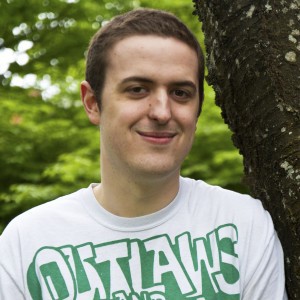 Nate Gartrell grew up in Benicia, studied journalism in college, and has written for a handful of media outlets since age 15. He aspires to visit all 30 Major League Baseball stadiums and to hit the trifecta at the horse track.
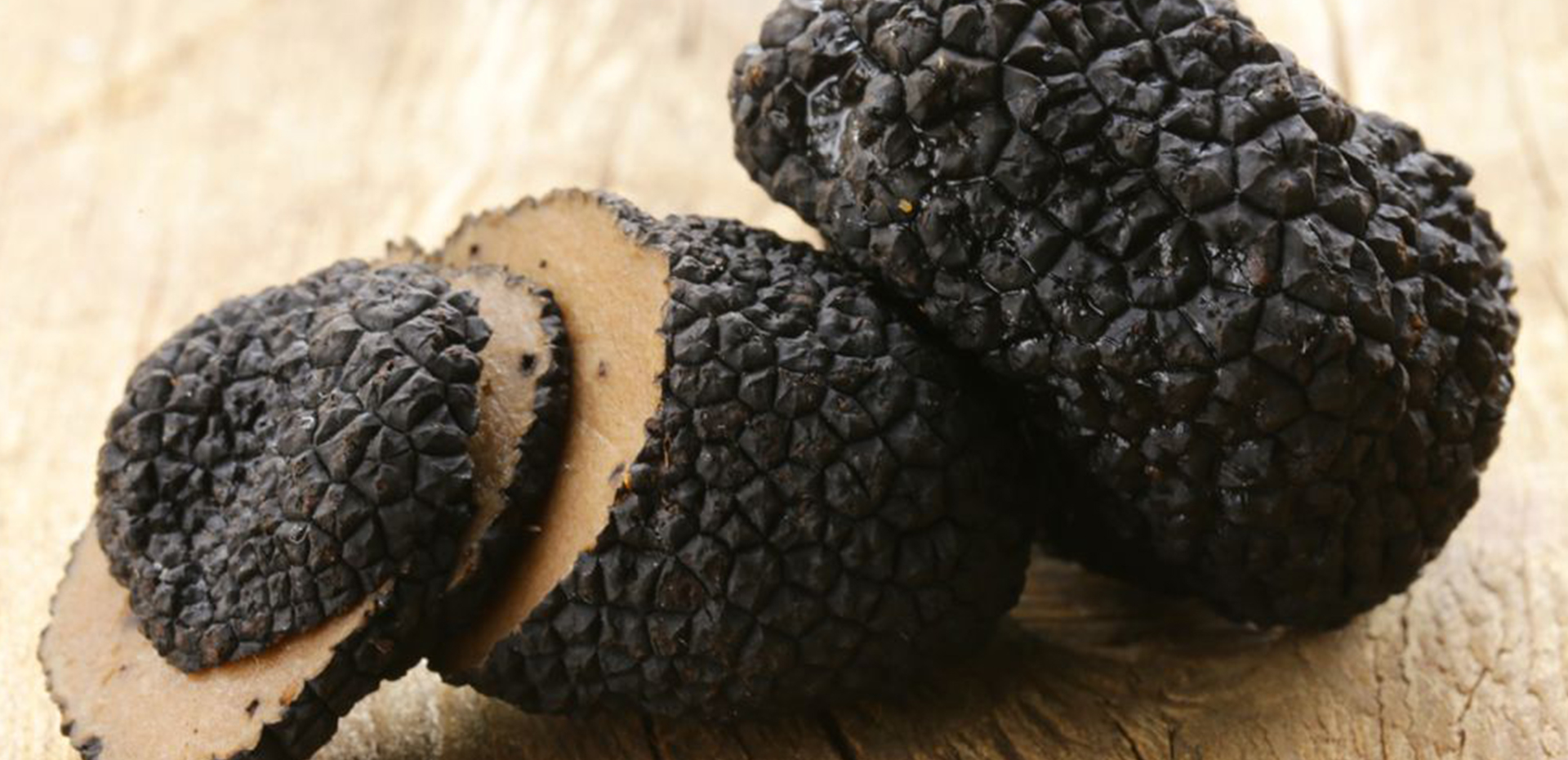
FORAGING
By Chef. K. Marie Paulk
I have always loved the expression “to forage” because I love a good hunt. Did you know truffle season is upon us? To be perfectly honest, I did not. This topic has been challenging since I knew very little about truffles. Sure, I remember quite distinctly when I was in culinary school, and my chef told us when you are working, and a reliable source comes to your back door to buy truffles, do it—don’t miss the opportunity. I now also know why I have never been a fan of truffle fries: it is not the truffles but is most likely the oil. I have a fairly good nose, and let’s face it; we eat with our nose, and if it does not smell good to you, you are most likely not going to enjoy the taste.
Truffle season is from the first of December to the end of January. I have read that if you have ever been to France during the truffle season, you will never forget the smell of truffles.
A truffle is the fruiting body of a fungus, which grows underground. Other mushrooms grow underground, but truffles are the only valuable ones. The plant itself consists of an extensive web of filaments so fine that it is invisible. The filaments, known as mycelium, connect with the roots of certain trees (oaks) and shrubs, which is called a mycorrhizal relationship (benefitting both the plant and the truffle). The trees benefit from the filaments of the truffle when it becomes an extension of their roots, enabling it to draw up more sustenance and minerals from the soil. The truffle gets nourishment from the tree in the form of products synthesized by its leaves. They are organically bound together by a special growth called mycorrhizal. Pretty exciting—I guess this is why these gems can’t grow just anywhere.
Truffles are expensive mushroom relatives, usually cooked very briefly or just warmed to preserve their unique aromas. Truffles, like mushrooms, are fungi that are attracted to the root systems of certain trees. Oak and willow trees produce the most aromatic kinds. The anatomy of a truffle is like a mushroom, but unlike mushrooms, truffles are found underground. The spores are contained in the masses of tissue between the vein-like folds.
Black truffles smell earthy and have a bumpy black exterior and a dark interior with white veins. They are harvested in the Périgord and Provence regions of France, but you can also find black truffles in Italy, Spain, and Portugal.
Winter truffles have more aroma and flavor than a summer truffle. The summer truffles are tan inside and have a lighter flavor than the winter truffles. The winter truffle has a smoky flavor, making the winter truffles more sought after, which makes them more expensive.
The white truffles are more delicate than the black truffles and have a garlicky smell. Alba, in Italy’s Piedmont region, is where most white truffles are found, but you can also find them in northern Italy. The exterior is beige whereas the interior is pale with creamy veins.
Some species of truffles are grown in North America: a white truffle named the Tuber texense, as well as varieties of truffles that grow wild in the Pacific Northwest.
Skilled hunters (foragers) may be able to detect truffles from signs on the surface that there is one below; however, the guidance of an animal is the best aid to a successful harvest. For instance, a pig or a dog can detect the aroma of a mature truffle, though I have read that trained dogs are easier to work with since a pig could be considered a truffle poacher (i.e., separating the truffle from a dog could be considered less awkward since dogs are less possessive). There is an article in the SF Chronicle that I read about the training of the Italian dog: Lagotto Romagnolo, right here in California.
Use a reputable source when purchasing truffles (i.e., if you are lucky enough to find fresh ones). If you use canned truffles, they will usually only give a suggestion of their original flavor. While there are several truffle species, most are less flavorful than the black winter truffles from France or the white truffles from Italy.
Truffles should be stored in the refrigerator, enclosed in an airtight container. They are very perishable and should be stored with uncooked rice to absorb moisture and keep the surface of the truffle from getting wet, which would make it spoil. Also, consider investing in a truffle shaver to shave larger, thinner pieces. If you used a plain grater, the aroma of the truffle would dissipate into the air. Some truffle oils will be strengthened by artificial flavors that can be overwhelming. Remember the truffle fries?
Like with wine, there are good years and bad years for truffle harvesting. Truffles are typically used as a garnish, but they may also be served as a vegetable (which would be costly) or an hors d’oeuvres. When served, they should be served simply, since they are considered by some to be already perfect.
Happy Hunting!
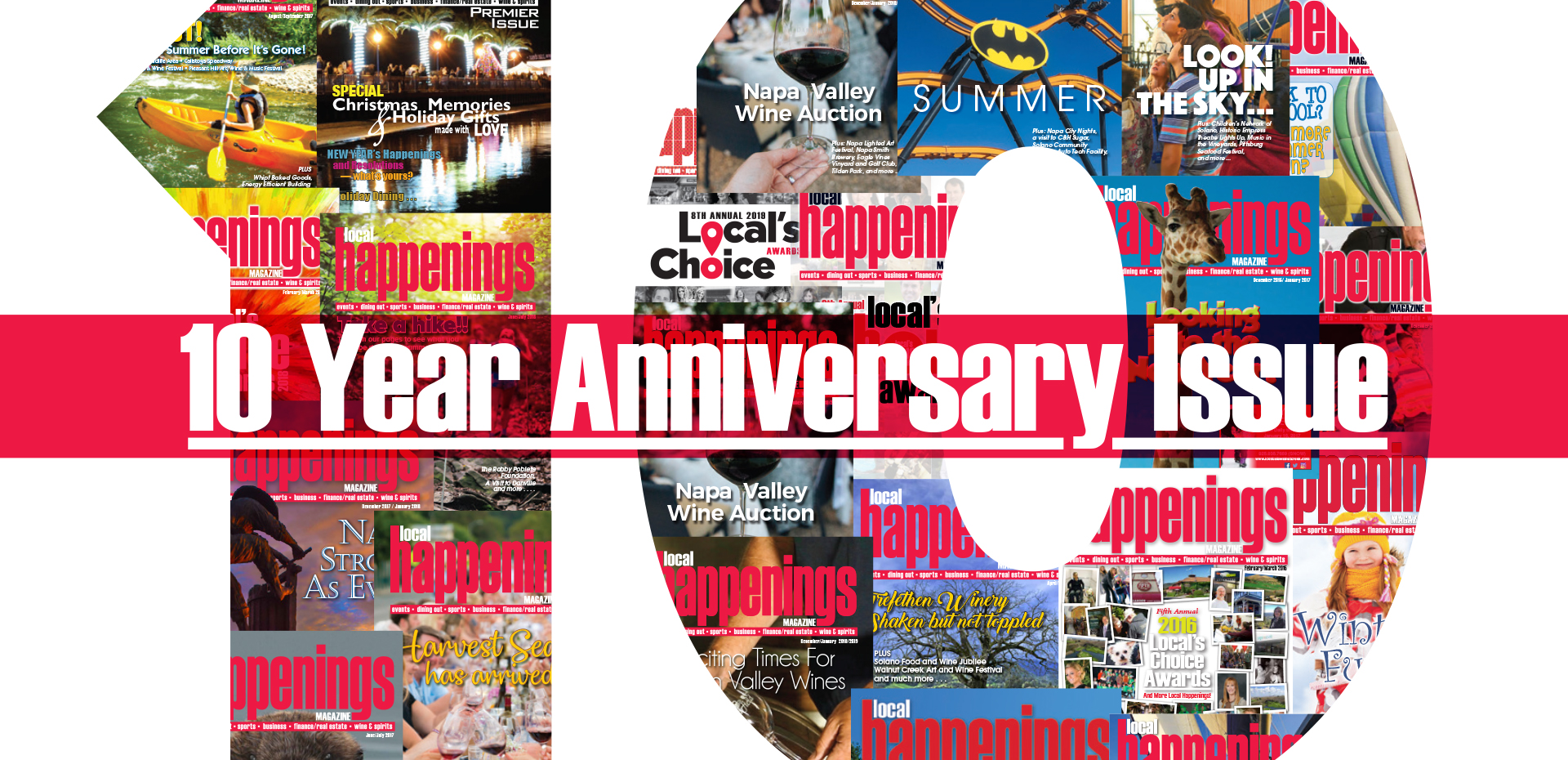
2019 is quickly fading from view, and with it, 10 years of Local Happenings Magazine have come and gone as well. We are not sure if we planned to publish this long, but we certainly looked to the future. We’ve had a wonderful time producing these pages and the ones that have come before it, and we’re also looking forward to more in the coming years. With any luck, the magazine will continue to grow, and before we know it, we’ll be looking back in 20 years. We hope you have enjoyed taking the journey with us, and that you are looking forward to more as well. Please take the time to share your thoughts with us about the magazine and website and let us know how we can improve.
Also wrapping up along with our 10th anniversary is the 2019 Local’s Choice Awards. Hopefully, you have remembered to vote! The winners will be announced in our next issue, so stay tuned for those to see if your favorites were the winners this year!
We also want all of you to have a wonderful holiday season and an even better New Year. We would ask all of you to remember to be safe as well. Too many people get injured or even die during this time of year, and we want all of you to be able to enjoy 2020 with us along with our next decade of magazines. So, don’t drink and drive, be safe on the road, water your Christmas trees, be careful when deep-frying your turkey, blow out all your candles before going to bed and don’t eat too much rum cake!
Remember that there is also a plethora of happenings going on during this festive season. No matter what type of events you enjoy, from art exhibits to zydeco concerts, we are here to help. The calendar in these pages is just the start. On our website, there are literally thousands of events that happen each month. You can search by the type of event or for the ones nearby which makes the only hard part deciding what you want to do today!
Here are our birthday greetings to our family, friends, and readers. We will open with our brother-in-law, Ken, as well as Steven M., Marla, Rod, Joanne, Tony, Jill, Rob, Michael, Jose, Bobby, Rosemarie, Vrej, Vijay, Pancho, Margaret, Stacey, Gary, Momma Hand, Mary Hand, Monique, Connie, Lucy, Kathleen, Leslie, Jim, Elissa, Ginger, Bonnie, Linda, Bobbie, our brother Gregory B., Sid, John, Rick, Stephanie, Roman, John, Adrianna, Peggy, Samantha, and Steve, and to any and all whom we might have missed—we are thinking of you as well!
Cheers to the holidays and New Year!
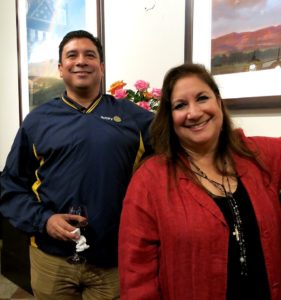 Robert Briseño & Deanna Troupe
Shop local, find the perfect gift
By James Quinn
It’s that time of the year again—the holiday season—the time to give to others! And what impeccable timing, because I recently discovered another hidden gem that can help with your shopping—all while supporting a small local business—whether it be for the holidays, birthdays, or special occasions!
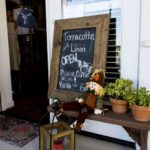
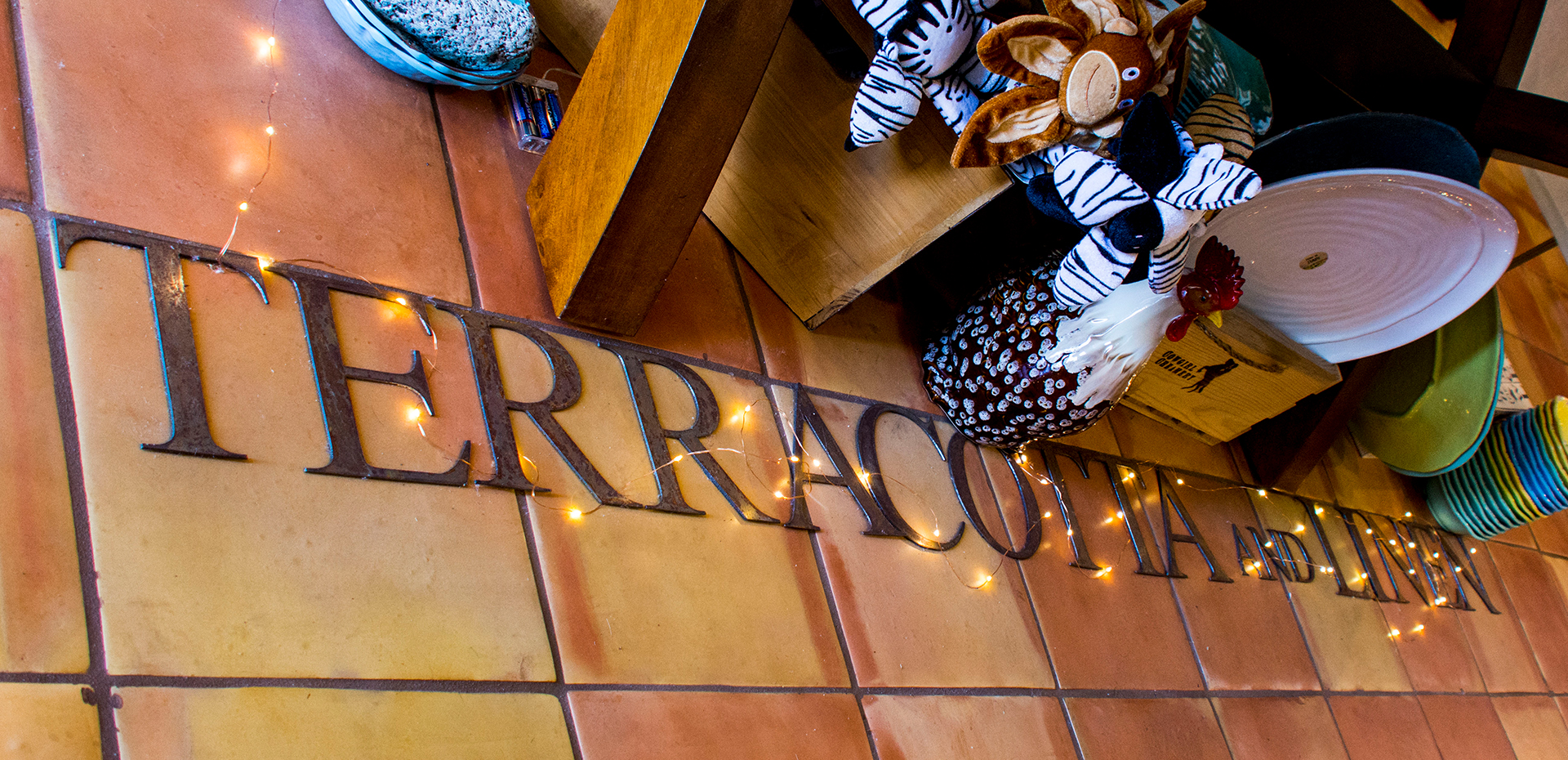
I just bought a handmade candle with hearts on it (made with love but not for me, mind you) from Terracotta and Linen—a gift shop that’s located on Suisun City’s waterfront (downtown and along the slough).
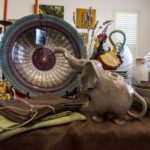
Established in 2017, Terracotta and Linen is a quaint shop because not only does it have affordable prices, but for such a small place that not many know about, it has a whole lot of a character. This gift shop carries more than just linen, it has an eclectic variety of goods that are American made and peak many different interests. “We sell all things that I love,” Owner Sylvia Caruso said, who named her store after its terracotta flooring and the linen that she specializes in (all locally handmade).
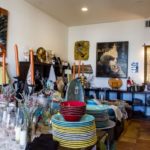
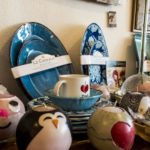
Caruso said that she sells: “candles, handbags, art glass, home decor, furniture, handmade table linens, and baby clothes. The baby clothes are lovingly and meticulously made [of linen] by my mother and others here.” You can come in looking for one thing but can be surprised by finding many other things to get for people (or yourself). Such things are wine baskets and wines, where Caruso sells affordable local varieties (both reds and whites) that are “off the beaten path,” she said. And—for our wine connoisseur readers—she plans to soon have pricier wines from the wineries in the Napa Valley.
Frequently changing her stock and displays, Caruso keeps her store exciting, and she’ll often design it in theme with the current holiday. In celebration of Thanksgiving, for example, she had pumpkin succulent centerpieces that live for weeks and make great hostess gifts (facebook.com/TerracottaAndLinen)—and right now—you can come in (at the time of this writing) and find gifts for the winter holidays!
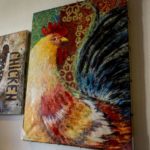
One of the focal points of Caruso’s store, she told me, is its art gallery, with many pieces by Susan von Borstel. “Susan is a wonderful lady and an incredibly gifted painter,” said Caruso. “Her artwork has been featured on the covers of many art magazines, won many prizes and accolades, sells out at The Paso Robles Cattlemen’s Western Art show (and other shows) almost every year, was chosen to paint the different equine breeds at the Lexington, KY Horse Park, and is collected in many countries abroad.” Be sure to check Borstel’s website (susanvonborstel.com), where you can see brilliantly made paintings, many of which are animals that are stunning. Or, better yet, see her work in person at Terracotta and Linen, where you can get the perfect gift for someone.
In addition to Borstel’s art, the store showcases many artists with their work for sale. “We feature other artists and hope to have more,” said Caruso. “It has been a joy to meet the wonderful artists that so generously have shared their work with us, as well as the lovely people that have come in.”
It was also a joy for me to meet Caruso, a resident of Suisun City who first bought her home with her husband about 15 years ago. “We fell in love with it because the view was so beautiful. The fact that it was designed and meant for residential and retail purposes was a plus,” Caruso said.
She had the idea for Terracotta and Linen because she wanted to open a gift shop to give the community something unique. “I was inspired by all the beautiful things I saw and purchased in places like Sonoma and Napa and many other places,” Caruso said. “And I thought it would be great to provide our community with the same since there was nothing like it in the area. Getting the actual license was a little bit of work, but I had a lot of help from John Kearns and Jason Garben at Suisun City Planning and Development Department—they were wonderful.”
Caruso is not only a great person with a deep knowledge of linens and her store, but she also took a risk opening up a small business in her city, because she loves what she does. And, more importantly, she has a big heart and helps support not only the arts and crafts and small businesses communities at large, but also shops like hers reinforce a positive momentum for these communities that will ideally ripple out. While small businesses are not easy to sustain, they support each other and are an anchor for any town or city—so be sure to remember that shopping locally makes a positive impact on our community. Instead of browsing online, as comfortable as that sounds, buying at a shop makes that gift much more personable; that you actually went there and picked something out.
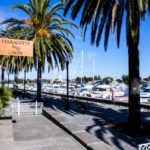
Terracotta and Linen is located on the beautiful Suisun City Waterfront promenade, a short walk south of the Harbor Master at 1125 Park Lane, and it is open every day that Caruso is home. “Get your hostess and Christmas gifts. Mention this article to receive 15% off your purchases,” Caruso said.
For additional information, feel free to email the shop at tclinen@gmail.com or give Caruso a call at (707) 426-9973. You can also conveniently receive updates by following her shop’s Facebook by giving it a “like”: facebook.com/TerracottaAndLinen.
 James Quinn lives in Vallejo and teaches at Elmer Cave Language Academy. A UC Davis alumnus in English, he now studies education as part of Touro University’s Master’s in Education program. Along with teaching, he tutors and writes often. Email him at james.quinn@tu.edu. Visit his website at mrquinnj.weebly.com.